Fresh-Pressed Olive Oil Club

Olive Oil Hunter News #171

Wilted Spinach Salad with Sherry Vinaigrette Recipe, Spotlight on Spinach, The Great Egg Debate Continues, and How Sleep Patterns Influence Health

Spinach salad is a perennial favorite, simple to prepare, satisfying, and chock-full of nutrients. Wilting the spinach before composing the salad was a foodie trend back in the 1970s (the fixings included mandarin orange segments, a nod to the value of eating a food containing vitamin C at the same meal as spinach to better access the green’s iron). My update adds the tasty crunch of hazelnuts. You’ll be intrigued by a new report that suggests fortified eggs may not pose the cholesterol risks of regular eggs. I’m also sharing the latest research on the perils of poor sleep—motivation to improve the quality of your shut-eye.

Wilted Spinach Salad with Sherry Vinaigrette

  • Wilted Spinach and Mushrooms Wilted Spinach Salad with Sherry Vinaigrette

    Fast-forward 50 years from wilted spinach salad’s debut to this version that offers all the benefits of olive oil in the dressing and the prep. Rather than bothering with croutons, try toasted slices of whole-grain bread for its hearty appeal.

    Ingredients

    For the vinaigrette:

    • 1 tablespoon sherry vinegar, plus more to taste
    • 1 tablespoon shallot, peeled and finely chopped
    • 1 teaspoon fresh thyme, chopped
    • 1/4 cup extra virgin olive oil
    • Coarse salt and freshly ground black pepper to taste

    For the salad:

    • 3 tablespoons extra virgin olive oil
    • 1 small red onion, chopped 
    • 4 ounces white or cremini mushrooms, thickly sliced 
    • 8 ounces baby spinach, rinsed and patted dry
    • 2 garlic cloves, minced 
    • 2 medium- or hard-boiled eggs (your preference) quartered
    • 1 ounce hazelnuts, coarsely chopped
    • Optional: 2 slices whole grain bread, toasted and brushed with olive oil

    Directions

    Step 1

    Make the vinaigrette: In a medium mixing bowl, whisk together the vinegar, shallot, and thyme. Gradually whisk in the olive oil until incorporated. Season to taste with salt and pepper.

    Step 2

    Heat a large frying pan or wok over medium heat. When hot, add 2 tablespoons olive oil and the red onions; sauté over medium heat until soft. Push them to the outside of the pan and add the mushrooms in one layer; cook until the edges have browned, then flip and brown on the other side. Transfer the vegetables to a bowl. 

    Step 3

    Add the last tablespoon of olive oil to the hot pan along with the garlic and the spinach, adding the spinach by handfuls—as one batch starts to wilt, push it to the side and add another, stirring quickly. It should only take 2-3 minutes to do it all. 

    Step 4

    Arrange the spinach in two large bowls and top with equal amounts of onions, mushrooms, eggs, and hazelnuts. Drizzle with the vinaigrette. If desired, add a slice of toast to one side of each bowl.

    Makes 2 servings

Healthy Ingredient Spotlight: Spinach-maximizing its nutrients

Healthy Ingredient Spotlight

Spinach: Maximizing Its Nutrients

Fresh spinach

It’s no secret that, as a leafy green, spinach is a healthy food. What is less well known is that your body will better process two of its key nutrients, iron and calcium, when the spinach is cooked. That’s because it also contains oxalic acid, which blocks the minerals’ absorption unless the oxalates are broken down under high-heat cooking. If your recipe doesn’t include sautéing, another option is to plunge the spinach into boiling water for 60 seconds and then right into a bowl of ice-cold water to stop the cooking process and keep it a brighter green. 

To get more of the iron when eating spinach raw, add a vitamin C food, like orange segments, to your meal. 

Your body absorbs more folate and lutein when eating spinach raw, so varying your prep is a good idea.

More reasons to eat spinach: It’s also rich in vitamins K, C, A, E, and B6 as well as folate and riboflavin and in the minerals manganese, magnesium, copper, and potassium. It has many carotenoids, among other antioxidants, to protect cell health and guard against inflammation. 

Quick Kitchen Nugget: A better type of frozen spinach

Quick Kitchen Nugget

A Better Type of Frozen Spinach

When fresh isn’t available, frozen can be a good substitute. The key to more flavorful frozen spinach is to select leaf spinach rather than chopped spinach. The leaves go through a lot less processing, translating to better taste and less freezer burn. Of course, look for pure spinach—no added salt or any other ingredients.

For Your Best Health: An Avocado a Day…

For Your Best Health

The Next Round in the “Are Eggs Healthy?” Debate

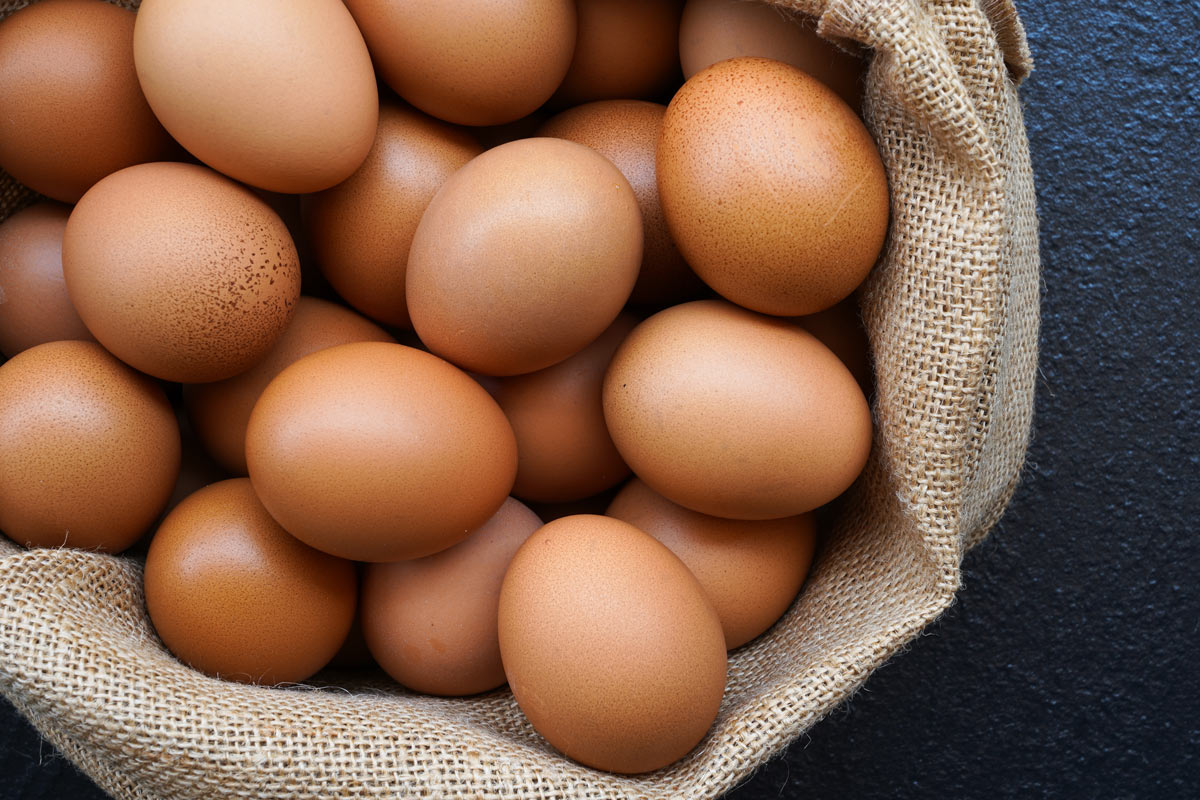
Because eggs contain some saturated fat, which is linked to higher cholesterol levels, there’s been much research on finding the right number of eggs to eat per week to help keep cholesterol in line. Results from a prospective controlled trial presented at the American College of Cardiology’s Annual Scientific Session offer positive news for egg lovers. One hundred and forty patients with or at high risk for cardiovascular disease were enrolled in the PROSPERITY study and divided into two groups to assess the effects of eating 12 or more fortified eggs a week versus a non-egg diet (fewer than two eggs a week) on HDL and LDL cholesterol and other key markers of cardiovascular health, including lipid, cardiometabolic, and inflammatory biomarkers and levels of vitamins and minerals. At the end of the four-month study period, cholesterol levels were similar in the two groups.

“We know that cardiovascular disease is, to some extent, mediated through risk factors like high blood pressure, high cholesterol, increased BMI, and diabetes. Dietary patterns and habits can have a notable influence on these, and there’s been a lot of conflicting information about whether or not eggs are safe to eat, especially for people who have or are at risk for heart disease,” said Nina Nouhravesh, MD, a research fellow at the Duke Clinical Research Institute in Durham, North Carolina, and the study’s lead author. “This is a small study, but it gives us reassurance that eating fortified eggs is OK with regard to lipid effects over four months, even among a more high-risk population.”

Dr. Nouhravesh and her team looked specifically at fortified eggs as they contain less saturated fat and have additional vitamins and minerals such as iodine; vitamins D, B2, 5, and 12; selenium; and omega-3 fatty acids. All the participants were 50 years of age or older (the average age was 66 years), half were female, and 27% were African American. All had experienced one prior cardiovascular event or had two cardiovascular risk factors, such as high blood pressure, high cholesterol, increased BMI, and/or diabetes. 

Participants had in-person clinic visits at the start of the study and visits at one and four months to take vital signs and have bloodwork done; phone check-ins occurred at two and three months. People in the fortified egg group were asked about their weekly egg consumption, and those with low adherence were given additional educational materials.

Fresh eggs

Results showed a -0.64 mg/dL and a -3.14 mg/dL reduction in so-called good HDL cholesterol and bad LDL cholesterol, respectively, in the fortified egg group. While not statistically significant, the differences suggest, according to the researchers, that eating 12 fortified eggs each week had no adverse effect on blood cholesterol. In terms of secondary endpoints, researchers observed a numerical reduction in total cholesterol, LDL particle number, another lipid biomarker called apoB, high-sensitivity troponin (a marker of heart damage), and insulin resistance scores in the fortified egg group, while vitamin B increased.

“While this is a neutral study, we did not observe adverse effects on biomarkers of cardiovascular health and there were signals of potential benefits of eating fortified eggs that warrant further investigation in larger studies as they are more hypothesis generating here,” Dr. Nouhravesh said, explaining that subgroup analyses revealed numerical increases in HDL cholesterol and reductions in LDL cholesterol in patients 65 years or older and those with diabetes in the fortified egg group compared with those eating fewer than two eggs.

Note that what you eat with your eggs counts: buttered toast and bacon and other processed meats are not heart-healthy choices. As always, Dr. Nouhravesh said, it’s a good idea for people with heart disease to talk with their doctor about a heart-healthy diet.

It’s important to point out that this was a single-center study with a small size and reliance on patients’ self-reporting of their egg consumption and other dietary patterns. It was also an unblinded study, which means patients knew what study group they were in, which can influence their health behaviors, and it was funded by Eggland’s Best, a company that offers eggs from cage-free and pasture-raised/free-range hens.

Fitness Flash: How your sleep pattern influences your health

Fitness Flash

How Your Sleep Pattern Influences Your Health

Poor sleep habits are strongly associated with long-term chronic health conditions, according to decades of research. To better understand this relationship, researchers led by Soomi Lee, PhD, associate professor of human development and family studies at Penn State’s College of Health and Human Development, identified four distinct patterns that characterize how most people sleep and how they correlate to overall health. Results were published in Psychosomatic Medicine.

Using a national sample of adults from the Midlife in the United States (MIDUS) study, they gathered data on approximately 3,700 participants’ sleep habits and chronic health conditions across two time points 10 years apart. The data included self-reported sleep habits, including sleep regularity and duration, perceived sleep satisfaction, and daytime alertness, as well as the number and type of chronic conditions they had.

With that information, the researchers identified these four different sleep patterns:

  • Good sleepers with optimal sleep habits across all data points
  • Weekend catch-up sleepers with irregular sleep, specifically short average sleep duration, but longer sleep times on weekends or non-workdays
  • Insomnia sleepers with sleep problems related to clinical insomnia symptoms, including short sleep duration, high daytime tiredness, and a long time to fall asleep
  • Nappers with mostly good sleep but frequent daytime naps

The MIDUS study may not represent the entire population, researchers said, as it primarily comprises healthy adults, but they still found that more than half the participants were insomnia sleepers or nappers, both suboptimal sleep patterns. Additionally, being an insomnia sleeper over the 10-year period was associated with a significantly higher likelihood of chronic health conditions, including cardiovascular disease, diabetes, and depression. Results also showed that people were unlikely to change their sleep pattern over the course of the 10 years, especially the insomnia sleepers and nappers. 

“These results may suggest that it is very difficult to change our sleep habits because sleep health is embedded into our overall lifestyle. It may also suggest that people still don’t know about the importance of their sleep and about sleep health behaviors,” Dr. Lee said. “We need to make more efforts to educate the public about good sleep health. There are sleep hygiene behaviors that people could do to improve their sleep, such as not using cell phones in bed, exercising regularly and avoiding caffeine in the late afternoon.”

While the sleep patterns were seemingly not age-related, researchers found that older adults and retirees were more likely to be nappers. They also found that those with less education and those facing unemployment were more likely to be insomnia sleepers.

According to Dr. Lee, the fact that phase of life and economic conditions can influence long-standing sleep patterns suggests that societal and neighborhood influences—including economic stressors and access to health resources—may have significant effects on individual health and, in this case, sleep habits.

The researchers added that their findings strongly suggest the need for programs and interventions to promote healthy sleep and sleep habits and that such programs should not be one-size-fits-all but rather should be targeted based on a variety of factors, including the risk of chronic conditions and socioeconomic vulnerability.

“Sleep is an everyday behavior,” Dr. Lee said. “Sleep is also modifiable. So, if we can improve sleep almost every day, what outcomes might we see after several months, or even several years? Better sleeping habits can make many significant differences, from improving social relationships and work performance to promoting long-term healthy behaviors and healthy aging.”

According to the CDC, these good habits can help improve sleep health:

  • Go to bed at the same time each night and get up at the same time each morning, weekends included.
  • Keep your bedroom quiet, dark, and at a cool, comfortable temperature.
  • Keep all electronic devices, including laptops and cell phones, out of your bedroom.
  • Skip large meals, caffeinated drinks, and alcohol before bed.
  • Get some exercise during the day—it should 
Get More Recipes In Your Inbox!

Olive Oil Hunter News #170

Horiatiki Salad Recipe and The MIND Diet for Brain Health: More Benefits of Olive Oil

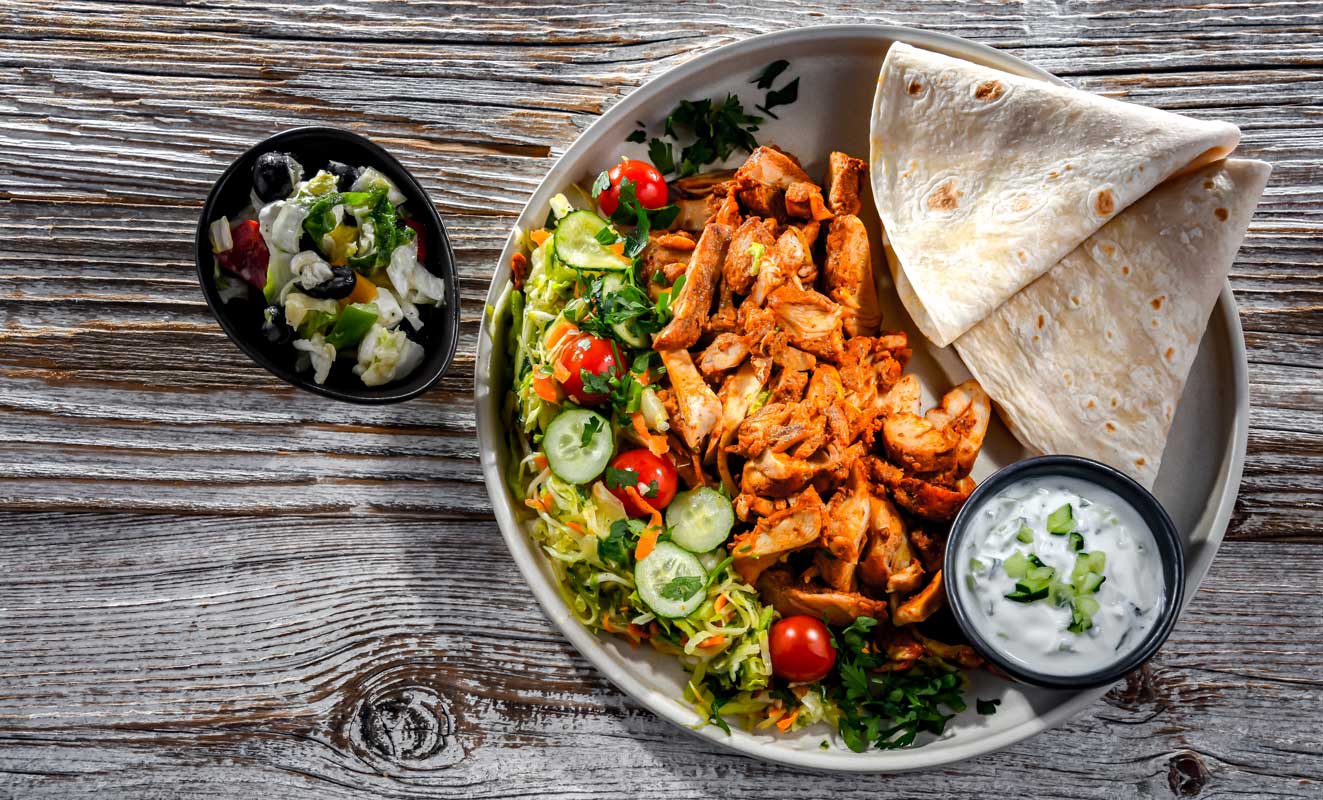
I’m a huge fan of both Greek and Middle Eastern salads, the ingredients of which are not only delicious but also mainstays of the MIND (Mediterranean-DASH Intervention for Neurodegenerative Delay) diet, a way of eating designed for brain health. It’s an offshoot of the super-healthy Mediterranean diet and the DASH (Dietary Approaches to Stop Hypertension) diet. Why the distinction? Because the latest research on the MIND diet shows it can slow aging as well as reduce dementia risk. Add this to the list of the benefits of olive oil—it’s one of the super foods that MIND suggests including every day.

Horiatiki: The Sequel!

  • blueberry banana avocado smoothie Frosty Summer Shake

    In the heat of summer, you want a breakfast that’s not only nourishing but also refreshing. This shake delivers on both counts. 

    Ingredients

    • 1/2 ripe avocado, peeled and pitted
    • 3 ounces plain low-fat yogurt or skyr
    • 3 ounces frozen banana slices
    • 4 ounces fresh blueberries
    • 1 peach, halved and pitted
    • 1/2 cup your choice of milk
    • 1 tablespoon extra virgin olive oil
    • 1 tablespoon freshly ground flax seeds

    Directions

    Step 1

    Place all the ingredients in a high-powered blender and process until smooth.

    Step 2

    Serve in two glasses and enjoy.

    Yields 2 servings

  • Pasta with Spicy Red Clam Sauce Olive Oil Hunter News #275

    Pasta with Spicy Red Clam Sauce Recipe, Spotlight on Clams, Is There a Downside to Going Sugar-Free, and The Perils of Muscle Loss

    Summer and seafood are a natural pairing. For a change of pace from shrimp and lobster, try this zesty clam sauce over your favorite pasta. My quick tips take the trepidation out of their prep. I’m also sharing some surprising contrarian research about sugar-free diets as well as another reason why muscle strength is so important later in life.

    Pasta with Spicy Red Clam Sauce

    Healthy Ingredient Spotlight: Clams

    Healthy Ingredient Spotlight

    Clams

    The best clams for red sauce are sweet and tender littlenecks or Manilas. The larger the clam, the tougher it can get, but if you happen to come across fresh varieties of these, like cherrystone or chowder clams, steam them just until they open and cut into small pieces with kitchen shears. It’s also possible to use canned baby clams for a simplified version of red clam sauce—add water to the liquid to make the needed cup of clam juice.  

    Quick Kitchen Nugget: Storing and Purging Fresh Clams

    Quick Kitchen Nugget

    Storing and Purging Fresh Clams

    Purging clams in saltwater bath

    As soon as you get home, take the clams out of any sealed plastic bag or wrapping. Discard any clams with cracked or broken shells. If any are slightly open, tap the shell or give it a light squeeze. If it closes on its own, it is alive and safe to keep. If it stays open, throw it away. 

    To keep live clams fresh, store them in the refrigerator in an open, breathable container like a colander covered with a damp cloth. For extra chilling, you can nest the container inside a slightly larger bowl filled with ice, making sure that any melting ice water will stay below the clams—you don’t want them sloshing in fresh water. 

    About 30 minutes before you’re ready to cook the clams, purge them in a saltwater bath to encourage them to spit out any sand. Rinse the clams in cold water and scrub their outer shells to remove any loose mud or dirt. Mix 1/4 cup of sea salt into 1 gallon of cold water and submerge them for 30 minutes (if possible, place them on a steaming rack in the bowl so the sand will sink to the bottom). Use your hands to lift them out of the water and proceed with your recipe.

    For Your Best Health: Is There a Downside to Going Sugar-Free?

    For Your Best Health 

    Is There a Downside to Going Sugar-Free?

    It’s a provocative idea: Giving up sugar entirely may not be as beneficial as many people assume. New research presented at ENDO 2026, the Endocrine Society’s annual meeting, suggests that completely removing sugar from your diet could have unintended effects on gut and metabolic health.

    Researchers from the Dasman Diabetes Institute in Kuwait examined what happened when mice were fed a low-fat diet that contained no sucrose, a common form of sugar. The study compared those animals with a control group that received a low-fat diet containing sucrose over a 16-week period.

    To evaluate the effects of eliminating sucrose, the researchers measured glucose tolerance, insulin sensitivity, circulating metabolic hormones, the gut microbiome, and inflammation in both the colon and liver.

    Despite maintaining similar body weights, mice on the sucrose-free diet experienced several negative health changes compared with the control group. These included poorer glucose control, insulin resistance, imbalances in gut microbes, intestinal inflammation, and changes associated with fatty liver disease.

    “Completely removing sucrose from a low-fat diet may unexpectedly disrupt gut health and promote inflammation and metabolic dysfunction, highlighting that balanced nutrition is more important than simply eliminating sugar,” said Rasheed Ahmad, PhD, principal scientist and head of the Immunology and Microbiology Department at the Institute. “The study highlights the importance of maintaining balanced dietary carbohydrates to support gut and immune homeostasis.”

    According to the researchers, little was previously known about the potential consequences of highly restrictive low-fat diets that eliminate sugar entirely. “This research may influence future dietary recommendations by emphasizing the importance of maintaining a healthy gut microbiome rather than focusing only on sugar restriction,” Dr. Ahmad said. “In the long term, these findings could help improve strategies for preventing and managing metabolic disorders, fatty liver disease, and chronic inflammatory conditions.”

    Fitness Flash Icon: The Perils of Muscle Loss

    Fitness Flash

    The Perils of Muscle Loss

    Group of seniors doing resistance exercises

    Scientists have discovered that aging muscle may contribute to cancer growth by releasing fewer extracellular vesicles, tiny particles that cells use to communicate with one another.

    Their study also found that the composition of these particles changes with age, weakening protective signals that help suppress tumor development. Encouragingly, exercise appears to restore this protective function. Published in the journal Nature Communications, the findings offer fresh insights into healthy aging and cancer prevention, as well as point to potential biomarkers and therapies tailored to older adults.

    The effects of aging muscle are especially evident in sarcopenia, a condition marked by loss of skeletal muscle mass and strength. Working with collaborators from Singapore General Hospital and Cardiff University, the scientists found that sarcopenic muscle secretes fewer extracellular vesicles. As muscle ages, these vesicles also contain lower levels of miR-7a-5p—a microRNA or a very small RNA molecule that helps regulate gene expression by controlling the types and amounts of proteins cells produce and also plays a role in restraining tumor growth.

    Importantly, the team also discovered that the release of extracellular vesicles from muscle is controlled by a biological pathway that declines with age but can be reactivated through exercise. “Muscle cells use extracellular vesicles to send messages and influence how other cells behave, but exactly how these messages are delivered and received is not fully understood,” said Assistant Professor Tang Hong-Wen from the Cancer & Stem Cell Biology Signature Research Programme at Duke-NUS Medical School and senior author of the study. “Our research uncovers this hidden process, showing that as muscles weaken with age, these signals can change in ways that can promote tumor growth.”

    “Clinically, we observe an association between advanced cancer and low muscle mass. This is a novel study which illustrates how healthy muscle can potentially inhibit tumor growth,” said Kenon Chua, a consultant in the orthopedic surgery department at Singapore General Hospital and one of the authors of the study. “We observe that healthy muscles secrete many physiologically important molecules. With advanced age, it is even more important to engage in regular resistance and aerobic exercises in order to maintain healthy muscle volume. This is important not only for function and mobility, but also for general health. We hope that the insights from our research can help us develop new targeted therapies for our patients as well as convince more people of the benefits of regular exercise.”

    With their study, the scientists have established a direct biological link between aged muscle and tumor growth. Together, the findings reveal a muscle-to-tumor communication pathway that could be targeted to develop new therapies aimed at preventing cancer progression.

    Get More Recipes In Your Inbox!

  • Pasta with Spicy Red Clam Sauce Pasta with Spicy Red Clam Sauce

    Summer’s bounty of cherry tomatoes is ripe (pun intended) for a rich and spicy clam sauce. While clams may seem daunting, they’re no more complicated to steam than a lobster. Just be sure to buy the freshest—and smallest—ones you can find.

    Ingredients

    • 24 littleneck or Manila clams, purged (see Quick Kitchen Nugget in Newsletter)
    • 1/4 cup extra virgin olive oil, more for drizzling
    • 6 garlic cloves, peeled and chopped
    • 1/4 teaspoon crushed hot red pepper flakes, more to taste
    • 4 cups cherry tomatoes, Sungolds if possible
    • Large sprig fresh basil
    • 8 ounces pasta such as thin spaghetti or linguine

    Directions

    Step 1

    Steam the clams on a rack over about 2 inches of boiling water in a large, covered stockpot until they open, about 6 to 8 minutes. Remove the rack with the clams and set aside until cool enough to handle, then pull the clam meat from the shells and place in a small bowl. Drizzle with olive oil to keep moist and cover. Boil down the clam broth in the stockpot until it reduces to about 1 cup; set aside off the heat.

    Step 2

    Heat a large wok or Dutch oven over medium heat. When hot, add the 1/4 cup oil and the garlic and cook until garlic is sizzling, about 1 to 2 minutes. Add the red pepper flakes and sauté for 1 minute. Add the cherry tomatoes and cook until they burst, about 5 minutes, then use a potato masher to release their juices. Add the reserved clam broth and the basil and simmer, uncovered, for about 8 minutes or until the sauce has reduced.

    Step 3

    While sauce is cooking, cook the pasta in a large pot of salted water until al dente, about 8 minutes. Use tongs to transfer the pasta to the pan with the sauce and toss to coat. Discard the basil and add the clams just to heat through.

    Yields 2 servings

  • Watermelon & Feta Skewers Olive Oil Hunter News #274

    Watermelon & Feta Skewers Recipe, Spotlight on Watermelon, Storing Feta, The Facts on Flavanols, plus Strength Training and Longevity

    Summer and watermelon go hand in hand, and this twist on the classic watermelon and feta salad is fun to put together and even more fun to eat. I’m also sharing two timely studies on ways to combat heart disease and increase longevity: eating more flavanol-rich foods and strength training for an hour and a half to two hours a week—two strategies you can actually enjoy.

    Watermelon & Feta Skewers

    Healthy Ingredient Spotlight: Wild for Watermelon

    Healthy Ingredient Spotlight

    Wild for Watermelon

    Watermelon is more than a summertime refreshment—it’s a nutrient powerhouse that, being 92% water, deliciously counts toward hydration.

    Watermelon has more of the antioxidant lycopene than any other fresh fruit or vegetable. Lycopene is linked to a lower risk of cancer, heart disease, and age-related eye disorders. Just one cup of watermelon chunks contains 865 IUs of vitamin A, 12 milligrams of vitamin C, 170 milligrams of potassium, and a small amount of vitamin B6.

    When shopping for a whole watermelon, look for one that is firm, symmetrical in size and markings, and solid for its size. It should have a deep yellow spot on the underside, which comes from sitting on the ground and ripening. A spot that’s white or pale yellow often indicates that the melon was picked too early and will not be sweet enough. 

    Feta cheese
    Quick Kitchen Nugget: Storing Feta

    Quick Kitchen Nugget

    Storing Feta

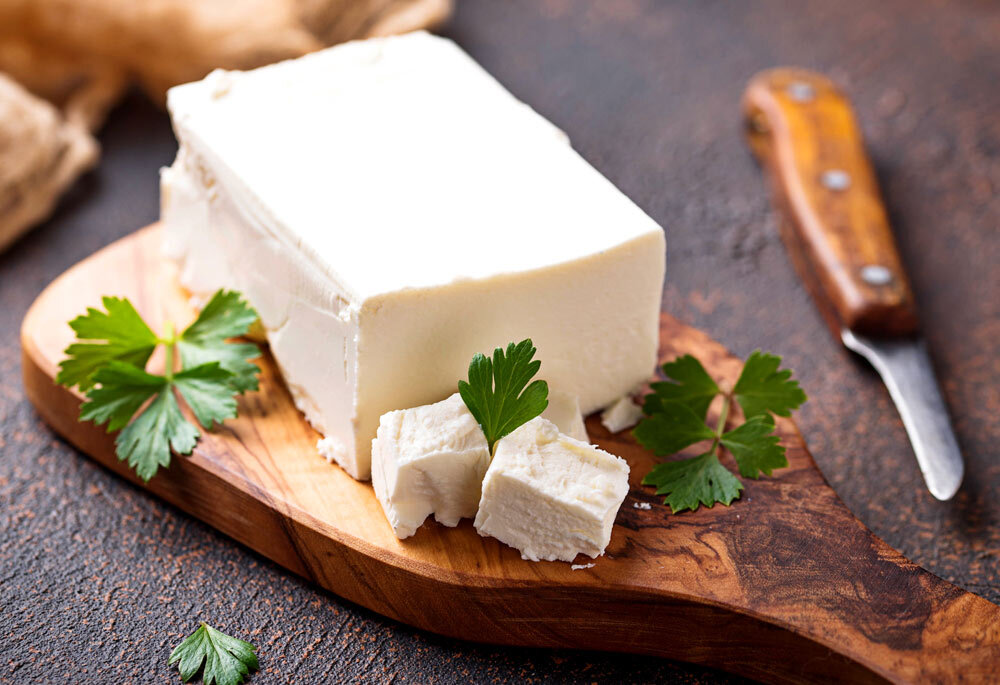
    Containers of feta are typically sold with the cheese submerged in the brine it was made with to prevent it from drying out (I’m a fan of those imported from Greece). If you buy a block from a cheese store and it’s wrapped in paper, use it within a day or two. Place any extra in a covered glass dish and drizzle liberally with olive oil before refrigerating. The olive oil not only protects it but also imparts great flavor—you can even add aromatics like herbs, lemon slices, and crushed black peppercorns for marinated feta. 

    For Your Best Health: The Facts on Flavanols

    For Your Best Health 

    The Facts on Flavanols

    Flavanol-rich berries

    Leading health organizations suggest eating a minimum of 5 portions of fruits and vegetables combined every day, with a daily split of 1.5 to 2 cups of fruit and 2.5 to 3 cups of vegetables.New research has found that this goal isn’t enough if you’re not choosing foods rich in flavanols, compounds linked to better heart health. According to earlier studies, it takes about 500 milligrams of flavanols per day to significantly lower the risk of death from heart disease.

    For the new study, published in the journal Food and Function, scientists from the University of Reading in the United Kingdom, Harvard Medical School, the University of California, Davis, and Mars, Inc., analyzed dietary data from more than 30,000 people in the UK and the US using biomarker measurements to assess flavanol intake. They found that fewer than 20% reached the flavanol intake level associated with heart health benefits. Even many people who regularly ate the recommended five daily servings of fruits and vegetables failed to meet the flavanol target.

    Said Dr. Javier Ottaviani, the study’s lead author, “Flavanols can significantly reduce the risk of dying from cardiovascular disease, but only if you consume enough of them. Most people assume that eating plenty of fruit and vegetables covers this, but what this research shows is that the specific choices you make matter far more than the total amount.” Having a handful of blackberries, a whole apple, or a cup of green tea with a meal could make a real difference to how much of these beneficial compounds you actually consume and absorb from the diet, he added.

    Said Professor Gunter Kuhnle of the University of Reading, “Five-a-day is the right message, but we may need to think more carefully about which five. Different fruits and vegetables offer very different nutritional benefits beyond vitamins and minerals, and as our understanding of these compounds grows, there is a real opportunity to make dietary guidance more specific and more effective. This research is a step towards understanding what that might look like in practice.”

    Here are the foods the researchers identified as some of the richest dietary sources of flavanols per serving:

    • Plums, 500 grams: about 450 milligrams of flavanols
    • Cranberries, 250 grams: about 300 milligrams of flavanols
    • Blackberries, 200 grams: about 250 milligrams of flavanols
    • Green tea, 250ml cup: about 200mg of flavanols
    • Broad or fava beans, 80 grams: about 140 milligrams of flavanols
    • Cherries, 400 grams: about 130 milligrams of flavanols
    • Apples with skin, 200 grams or one medium apple: about 110 milligrams of flavanols
    • Strawberries, 200 grams: about 90 milligrams of flavanols
    • Blueberries, 150 grams: about 80 milligrams of flavanols
    • Pinto beans, 40 grams or two tablespoons dry: about 70 milligrams of flavanols
    Fitness Flash Icon: Strength Training and Longevity

    Fitness Flash

    Strength Training and Longevity

    According to a study done by an international group of researchers and published online in the British Journal of Sports Medicine, 90 to 120 minutes of strength training a week may deliver some of the biggest long-term health rewards. That level of exercise was linked to a 19% lower risk of death from cardiovascular disease and a 27% lower risk of death from neurological disease. Combining strength workouts with aerobic exercise produced even stronger benefits. However, there was no additional advantage from doing more than 120 minutes of strength training per week.

    While the life-extending benefits of aerobic exercise are well established, the impact of muscle-strengthening activities on overall mortality and specific causes of death has been less clear. The researchers wanted to determine whether strength training alone, or combined with aerobic exercise, could influence those risks.

    To investigate, they analyzed data collected from three major American studies: the Health Professionals Follow-up Study (1992-2022), the Nurses’ Health Study (2002-2021), and the Nurses’ Health Study II (2003-2021). Together, the studies included 147,374 participants (31,540 men and 115,834 women).

    Every two years, participants reported how much time they spent each week doing strength training and aerobic exercise. Aerobic activities included brisk walking, running, jogging, swimming, cycling, tennis, squash, strenuous outdoor work, and stair climbing. Strength training included exercises using weights or body weight, such as press-ups, squats, and lunges.

    At the start of the study, participants were an average of 54 years old. Those who reported higher levels of strength training were generally younger, weighed less, followed healthier lifestyles, and engaged in more aerobic activity than those who did no strength training.

    About three quarters (74%) of participants exceeded the recommended 150 minutes of moderate-intensity aerobic exercise per week, equivalent to 7.5 MET hours over the long term. METs measure how many calories are burned during physical activity compared with resting. Nearly half (46%) of participants reported doing some form of strength training.

    The researchers found that higher long-term levels of weekly strength training were associated with a lower risk of death. After accounting for other factors that could affect the results, participants who performed 90-119 minutes of strength training per week had a 13% lower risk of death from any cause. Cancer-related benefits appeared at lower amounts of strength training. Participants who performed 1-29 minutes per week had a 21% lower risk of cancer death, while those doing 30-59 minutes per week had an 18% lower risk.

    Compared with people who did less than 7.5 MET hours of aerobic activity per week and no strength training, participants who performed strength training alone for 1 to 59 minutes or 60 to 119 minutes per week had a 7 to 11% lower risk of death. Aerobic exercise on its own also showed strong benefits. Any amount above 7.5 MET hours per week was associated with a 26 to 43% lower risk of death.

    The lowest mortality risk was seen among people who combined high levels of aerobic exercise with strength training. Those who accumulated 30 to 44 MET hours of aerobic activity per week and 60 to 119 minutes of strength training had a 45% lower risk of death. Even greater reductions were observed among participants who performed 45+ MET hours of aerobic activity per week. In that group, the risk of death was 53% to 58% lower regardless of how much strength training they did.

    The researchers emphasized that this was an observational study, meaning it cannot prove that strength training directly caused the reductions in mortality risk. They also noted several limitations. Exercise habits were self-reported, which can introduce inaccuracies. The analysis did not include certain forms of strength training, such as calisthenics and Pilates. In addition, information was not available on the duration of individual workouts or the intensity of strength training sessions, factors that could have influenced the results.

    Despite those limitations, the researchers concluded: “Our findings on different dose-response relationships between long-term resistance training with all-cause and cause-specific mortality suggest that different amounts of resistance training may be needed to optimize benefits across outcomes. The observed pattern that adding resistance training further reduced mortality risk across all levels of aerobic activity up to 45 MET hours/week supports current recommendations encouraging both types of activity to maximize mortality benefits.”

    Get More Recipes In Your Inbox!

  • Watermelon & Feta Skewers Watermelon & Feta Skewers

    These skewers are a refreshing appetizer for summer gatherings and a great finger food—no forks required. It can be prepped a few hours in advance, but wait until you’re ready to serve before drizzling with the oil and vinegar.

    Ingredients

    • One 5-pound or larger watermelon
    • 16-ounce block of feta cheese, preferably from Greece
    • Twelve 8-inch wooden skewers
    • Extra virgin olive oil, for drizzling
    • Balsamic vinegar of Modena, for drizzling
    • Freshly ground black pepper to taste

    Directions

    Cut the watermelon and the feta into 1-inch cubes. Thread 2 cubes of each in an alternating pattern onto wooden skewers. Arrange on a platter, drizzle with olive oil and vinegar, and sprinkle with black pepper.

    Yields 12 skewers

  • Churrascas Chilean Flatbread Olive Oil Hunter News #273

    Churrascas Recipe, Spotlight on Extra Virgin Olive Oil for Cooking, The Right Rolling Pin for the Job, More Concerns over Ultra-processed Foods, and Travel: The New Fountain of Youth

    I came back from my most recent trip to Chile with more recipes than could fit in the Pressing Report, so I’m sharing the first one of two with you here. Delicious and easy-to-make churrascas, traditional Chilean flatbreads, cook up fast on the stovetop. They’re perfect for filling taco-style with grilled meat cubes, topping with shredded cheese and salsa, slicing in half for sandwiches, or simply drizzling with fresh-pressed Chilean olive oil! Then check out new research on the risks of eating ultra-processed foods, plus more evidence of the positive effects of travel.

    Churrascas

    Healthy Ingredient Spotlight: Extra Virgin Olive Oil for Cooking

    Healthy Ingredient Spotlight

    Extra Virgin Olive Oil for Cooking

    While many Fresh-Pressed Olive Oil Club members love drizzling EVOO on food or even sipping it as a daily health ritual, olive oil is also meant for cooking. I was pleased when, in 2019, the famed Culinary Institute of America (CIA) put out a whitepaper promoting olive oil to improve the health of the planet and its inhabitants, declaring it to be the best cooking fat from a health and sustainability perspective. What’s more, CIA recommended olive oil for all methods of cooking, including high-heat frying, dismissing the myth about a low smoke point. I encourage you to expand your olive oil recipe repertoire.

    Quick Kitchen Nugget: The Right Rolling Pin for the Job

    Quick Kitchen Nugget

    The Right Rolling Pin for the Job

    Rolling pins

    If you only have one rolling pin, make it atapered French rolling pin, say expert bakers. It’s a single solid piece of wood that tapers at the ends. The tapered ends allow your fingers to wrap around the wood for good downward pressure and make it easier to make the quarter-turns needed for smooth dough with uniform thickness. 

    The second one to have in your kitchen is a dowel or cylindrical rolling pin. It’s great for gettingeven thickness across large sheets of dough, no matter what thickness you need to achieve. This straight-shaped rolling pin has the same consistent diameter along its entire length. 

    The common American or roller-style pin has handles on either end that rotate on internal bearings, so you can push down firmly without gripping the roller. It’s best for stiffer doughs, like cookies. 

    For Your Best Health: More Concerns over Ultra-processed Foods 

    For Your Best Health 

    More Concerns over Ultra-processed Foods 

    A new study, published in Alzheimer’s & Dementia: Diagnosis, Assessment & Disease Monitoring, a journal of the Alzheimer’s Association, suggests that eating more ultra-processed foods (UPFs) could make it harder to stay focused and may contribute to factors linked to dementia, even among people who otherwise follow healthy diets. UPFs include products such as soft drinks, packaged salty snacks, and ready-made meals. Unlike fresh or minimally processed foods, these products undergo extensive industrial processing.

    Researchers from Monash University, the University of São Paulo, and Deakin University analyzed dietary and cognitive data from more than 2,100 middle-aged and older Australian adults who did not have dementia. They used data from the Healthy Brain Project, which is supported by the National Health and Medical Research Council, the Alzheimer’s Association, the Dementia Australia Research Foundation, the Bethlehem Griffiths Research Foundation, the Yulgilbar Alzheimer’s Research Program, the National Heart Foundation of Australia, and the Charleston Conference for Alzheimer’s Disease. Participants in the study obtained about 41 percent of their daily calories from ultra-processed foods, nearly matching the Australian national average of 42 percent.

    The study found that even modest increases in ultra-processed food consumption were associated with measurable declines in attention and mental processing speed. Lead author Dr. Barbara Cardoso, from Monash University’s Department of Nutrition, Dietetics and Food and the Victorian Heart Institute, said the results add to growing evidence linking highly processed foods to poorer brain health. “To put our findings in perspective, a 10 percent increase in UPFs is roughly equivalent to adding a standard packet of chips to your daily diet,” Dr. Cardoso said. “For every 10 percent increase in ultra-processed food a person consumed, we saw a distinct and measurable drop in a person’s ability to focus. In clinical terms, this translated to consistently lower scores on standardized cognitive tests measuring visual attention and processing speed.”

    One of the study’s most notable findings was that the negative effects on attention appeared regardless of a person’s overall diet quality. Even participants who generally followed a healthy Mediterranean-style diet showed the same relationship between greater ultra-processed food intake and poorer focus. According to the researchers, this suggests that the level of processing itself may play an important role.

    “Food ultra-processing often destroys the natural structure of food and introduces potentially harmful substances like artificial additives or processing chemicals,” Dr. Cardoso said. “These additives suggest the link between diet and cognitive function extends beyond just missing out on foods known as healthy, pointing to mechanisms linked to the degree of food processing itself.”

    The researchers also found that higher consumption of ultra-processed foods was associated with an increase in known dementia risk factors. These include conditions such as obesity and high blood pressure, both of which can be managed to help support long-term brain health. While the study did not identify a direct link between ultra-processed foods and memory loss, the researchers note that attention is a fundamental cognitive function. It plays a critical role in learning, problem-solving, and many other mental tasks. Because attention serves as the foundation for so many aspects of thinking, declines in focus may represent an important early warning sign of broader cognitive changes.

    Fitness Flash Icon: Travel: The New Fountain of Youth

    Fitness Flash

    Travel: The New Fountain of Youth

    New research from Edith Cowan University (ECU) reinforces the idea that travel can be a surprisingly powerful anti-aging tool. Researchers found that positive travel experiences may help the body stay balanced and resilient. Activities like exploring new places, staying active, and connecting with others can boost immunity, metabolism, and stress recovery. However, stressful or unsafe travel could reverse these benefits.

    In 2024, we reported on ECU’s interdisciplinary study published in the Journal of Travel Research, for which researchers applied the theory of entropy to tourism, proposing that positive travel experiences may support physical and mental health in ways that could help slow some signs of aging. The work does not suggest that travel can stop aging, but it frames tourism as more than a break from routine. It may be a way to help the body maintain balance, resilience, and repair.

    Entropy is often described as the universe’s movement toward disorder. In the context of health, the researchers suggest that experiences can either support or disrupt the body’s ability to stay organized and functioning well. Positive travel experiences may help reduce that drift toward disorder, while stressful or unsafe travel may push the body in the opposite direction.

    Since the 2024 study, related work has continued to explore travel therapy as a possible health and wellness approach. A 2025 research note by ECU PhD candidate Ms. Fangli Hu and colleagues described travel therapy as an emerging approach in which positive travel experiences may promote well-being, while also emphasizing the need to weigh benefits against risks.

    Another 2025 paper called for closer collaboration between travel medicine and tourism, reflecting a growing interest in how vacations, health risks, preventive care, and traveler well-being overlap. A 2025 systematic review also found that tourism and healthy aging is becoming an important interdisciplinary research area but remains underexplored and in need of stronger methods and clearer future research directions.

    T. J. Robinson and Juan Carlos Pérez, with olive harvest in Chile

    Together, these newer findings support a careful interpretation: travel may offer real health-related benefits, especially when it includes movement, social connection, novelty, and restoration, but researchers are still working to understand how strong those effects are and who benefits most.

    “Aging, as a process, is irreversible. While it can’t be stopped, it can be slowed down,” Ms. Hu said, explaining that travel may improve well-being by placing people in new environments, encouraging movement, increasing social interaction, and creating positive emotions. Those same ideas already appear in areas such as wellness tourism, health tourism, and yoga tourism.

    “Tourism isn’t just about leisure and recreation. It could also contribute to people’s physical and mental health,” Ms. Hu added.

    Viewed through an entropy lens, travel therapy could become a meaningful health intervention, Hu said. The idea is that positive travel experiences, as part of a person’s environment, may help the body maintain a healthier low-entropy state by influencing four major body systems.

    Travel often combines unfamiliar surroundings with relaxing experiences. New settings can stimulate the body, raise metabolic activity, and help activate self-organizing processes that keep biological systems working smoothly. These experiences may also prompt the adaptive immune system, which helps the body recognize and respond to outside threats.

    Ms. Hu said that this reaction improves the body’s ability to perceive and defend itself against external threats: “Put simply, the self-defense system becomes more resilient. Hormones conducive to tissue repair and regeneration may be released and promote the self-healing system’s functioning.”

    Relaxing travel activities may also help reduce chronic stress and calm an overactive immune response. Recreation can ease tension and fatigue in the muscles and joints, supporting metabolic balance and strengthening the body’s ability to resist wear and tear.

    This matters because travel is rarely just sitting still. Trips often include walking through cities, hiking trails, climbing, cycling, or simply spending more time on your feet than usual. That physical activity can increase metabolism, energy use, and nutrient movement throughout the body, all of which may support the systems that keep the body repaired and resilient.

    “Participating in these activities could enhance the body’s immune function and self-defense capabilities, bolstering its hardiness to external risks. Physical exercise may also improve blood circulation, expedite nutrient transport, and aid waste elimination to collectively maintain an active self-healing system. Moderate exercise is beneficial to the bones, muscles, and joints in addition to supporting the body’s anti-wear-and-tear system,” Ms. Hu said.

    The same research also cautions that travel is not automatically healthy. Tourists can face infectious diseases, accidents, injuries, violence, unsafe food or water, and other risks linked to poor planning or unsuitable travel choices. “Conversely, tourism can involve negative experiences that potentially lead to health problems, paralleling the process of promoting entropy increase. A prominent example is the public health crisis of COVID-19,” said Hu.

    The central message is not that any trip will slow aging. Rather, positive travel experiences may help the body and mind function better by combining novelty, relaxation, physical activity, and social connection. When travel is safe, restorative, and active, it may do more than create memories. It could help support healthier aging from the inside out.

    Get More Recipes In Your Inbox!

  • Churrascas Chilean Flatbread Churrascas

    Churrascas are a great last-minute homemade bread because the dough needs just a short amount of rest after kneading. While this recipe calls for making them on the stovetop, you can also make them on your grill, cooking as many as will fit all at once. Do enjoy them right away, while they’re still soft and pillowy. Note: Don’t confuse churrasca the bread with churrasco the grilled meat that’s often stuffed into a sandwich—you will find a great recipe for that in the current Chilean Pressing Report.

    Ingredients

    • 4 cups all-purpose flour
    • 2 teaspoons coarse sea salt 
    • 1/2 teaspoon baking powder
    • 1/2 teaspoon baking soda
    • 1/2 cup olive oil 
    • 3/4 cup warm tap water, to start

    Directions

    Step 1

    In the bowl of a stand mixer or a large bowl, whisk together the dry ingredients. Combine the oil and 3/4 cup water in a measuring cup, whisk, and add to the bowl; stir to make a dough ball. If the dough is raggy, add additional water, 1 tablespoon at a time. Knead with the dough hook attachment for 5 minutes or by hand for 10 minutes until smooth.

    Step 2

    Turn out the dough and cut into 6 portions. Roll each one into a ball, then roll them out, one at a time, with a rolling pin, doing quarter-turns until about 5 inches in diameter and about 1/4-inch thick. Rest the dough for 30 minutes.

    Step 3

    Heat a griddle, preferably cast iron, over medium heat. When the pan is hot, add two churrascas and cook for about 5 minutes, turn with tongs, and cook for another 4 to 5 minutes. Repeat twice more with the rest of the rounds.

    Yields 6 churrascas

  • EVOO to Go Summer 2026

    This Quarter’s Selection

    • Producer: Alonso, La Estrella, Chile
    • Olive Varieties: Coratina, Frantoio, Leccino
    • Flavor Profile: Bold

    I always look forward to spending time with Juanjo Alonso, who oversees the family’s extraordinary olive farm, Agrícola Pobeña. He has the most engaging personality and an expansive love of life, family, and, of course, ultra-premium extra virgin olive oil. With four older brothers occupied by the family’s other businesses, Juanjo was tapped by his father, Abel, to help him start the farm. Juanjo was just a few years out of college in California and had recently returned to Chile to be with his family. He undertook the project because he understood how making olive oil connected Abel to his past.

    Lunch with three generations of Alonsos: Juanjo, his mother Aintzane, and Juanjo’s eldest son, Fermin. Like her late husband, Aintzane is of Basque ancestry and irrepressibly proud of how Juanjo has transformed his father’s pipedream into Chile’s finest producer of ultra-premium EVOO. Young Fermin is a world-class snowboarder and surfer who balances his athletic training with shifts at the farm. Right: The main dish is Aintzane’s Basque specialty, merluza (hake) in salsa verde, showcasing Chilean seafood and our incredible Coratina blend.

    Born and raised in Spain’s Basque country, at 17, Abel made his way to Chile, where he and his mother reconnected with Abel’s father, who had been imprisoned for years by the regime of Spanish dictator Francisco Franco before escaping and ultimately resettling in Chile. Young Abel found work in a shoe store and within months was managing the shop. The owners entrusted him to set up a factory in Buenos Aires, where he lived for three years. Back home in Chile, he struck out on his own, creating a thriving shoe business that, over the years, provided work for 600 families.

    Through it all, Abel held fast to his love of his native country—later in life, he spent half of each year in Spain. As he neared retirement, he set out to realize his longtime dream of establishing an olive grove and mill that produced world-class olive oil, the elixir so deeply intertwined with Spanish culture. His son Juanjo was determined to make that happen. That’s not to say things always went smoothly.

    “My father was a tough, old-school guy. I’m pretty laid back, so being his son wasn’t always easy. There was tension between us at times,” Juanjo reflects, in a rare quiet moment. It’s been a year and a half since Abel’s death, just a few months shy of his 89th birthday. “It’s amazing what happened to me since then. When I’m here, I feel him asking me to be more like him. It’s like he’s giving me the energy and the voice I need.”

    Juanjo briefs me on the route up to one of the Coratina plots so I can check if the fruit is ready for harvest. On a bike (e-bike, to be clear), or on foot, you experience so much more in the groves, at a slower pace, up close and personal. It’s essential to keep close tabs on the olives’ progress, as individual plots mature at different times.

    I’m thrilled that Juanjo’s 19-year-old son Fermin has been working in the mill during this harvest. A top-ranked freeride snowboarder, Fermin flirted with the opportunity of training for the 2030 Winter Olympics, where the sport is likely to debut. But the grueling schedule would have taken him away from his family and his love of surfing, which he shares with his dad, so he turned it down. I’m looking forward to working with the next Alonso generation one day.

    We pay homage to Abel with this very special bold olive oil. He would have been ecstatic about this magnificent farm blend I’ve created for you. It’s centered around Coratina—a cultivar so exceptional the Pobeña team calls it “The Queen”—from three different areas on the farm. The supporting players are Frantoio and Leccino, which are typically planted in side-by-side rows in the field. I love that this oil is the embodiment of three classic Italian varietals, Coratina from Puglia and Frantoio and Leccino from Tuscany. I know you’ll agree we’ve captured magic in a bottle.

    Impressions and Recommended Food Pairings

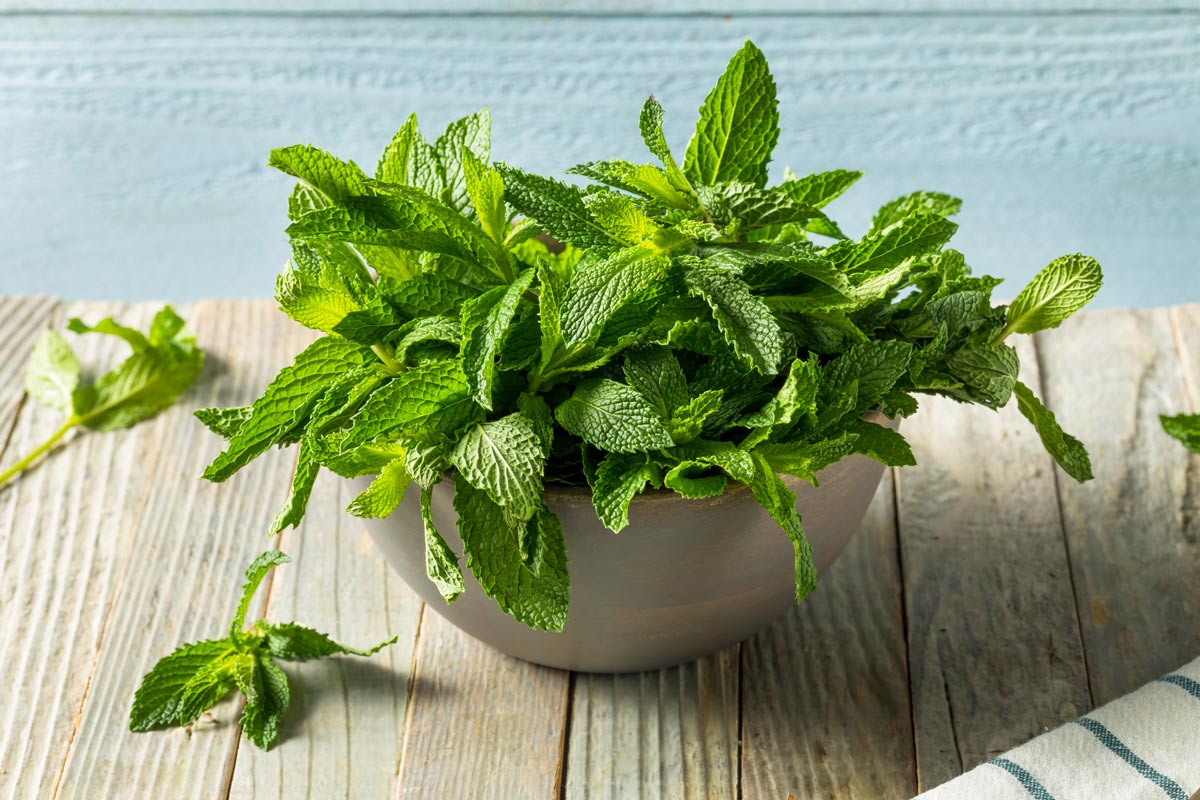
    This robust Italian-style blend resonates with Southern Hemisphere energy. Its aromas reveal green and sweet almond, green apple, and dark leafy greens like arugula, with notes of artichoke, thyme, sage, and black pepper, rounded by citrus zest and warm hints of cinnamon and vanilla. On the palate are the nuttiness of hazelnuts; mint and oregano; the vegetal character of escarole and celery; and abundant polyphenols, as represented by the astringency of green tea, bitterness of cocoa nibs, spiciness of green chile, and the tingling sensation of Sichuan peppercorns.

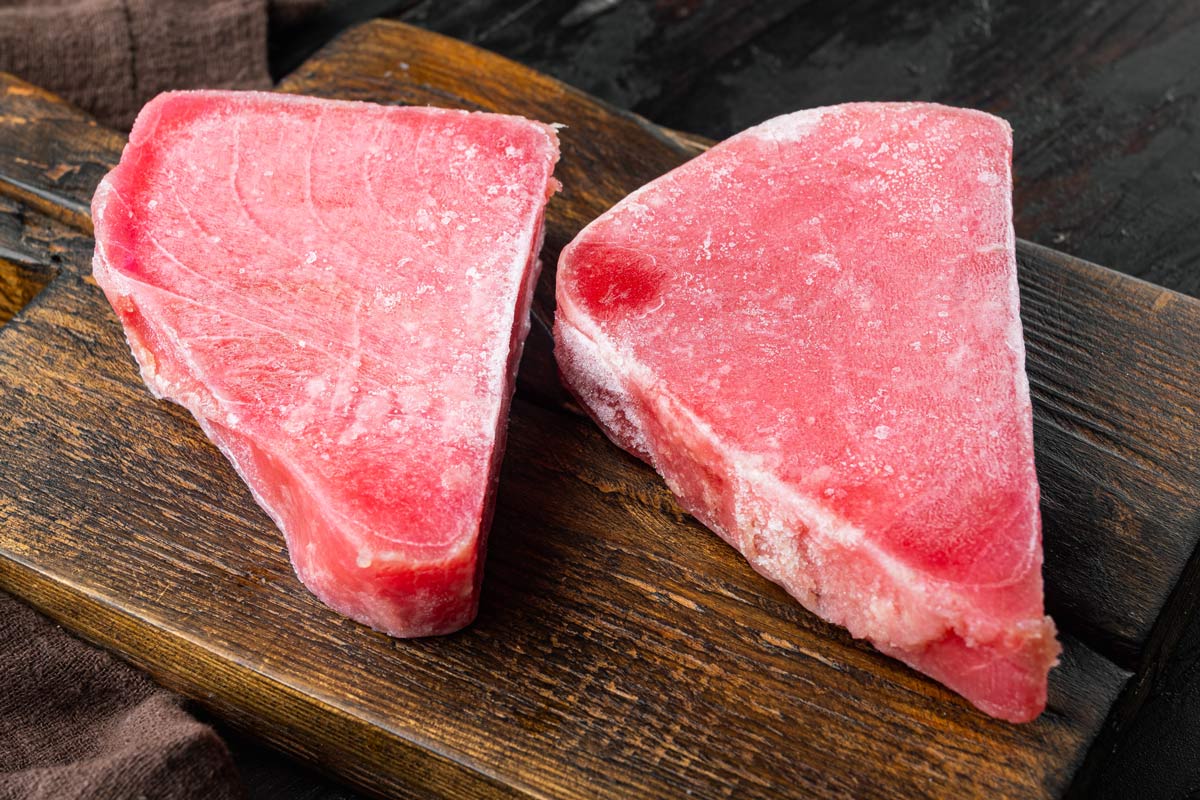
    Its bold personality is perfect for lamb-stuffed eggplant, chacarero Chileno and other beef dishes, duck, wild game, tuna and swordfish; deconstructed palta reina and salads with dark leafy greens; bold vinaigrettes; crudités; tomato-based recipes; hearty pasta dishes; cured meats; aged cheeses; crusty breads; wild rice and legumes; and chocolate desserts.

  • Glorious greens salad Olive Oil Hunter News #272

    Glorious Greens Salad Recipe, Spotlight on Summer Lettuce, Cleaning Greens, Olive Oil Helps Fight Diabetes, plus Exercise Needs and GLP-1s

    “Mixed salad” takes on new meaning—and elevated taste—when you choose a bright selection of summer lettuces and add one of my favorite vinaigrettes. It’s perfect when you want a light dish on a warm day. As you’ll see from the first study I’m including, more than its delicious taste, extra virgin olive oil could help keep diabetes at bay. The second piece of research is a reminder of the importance of exercise to maintain muscle mass when on a GLP-1 medication.

    Glorious Greens Salad

    Healthy Ingredient Spotlight: Summer lettuce

    Healthy Ingredient Spotlight

    Summer Lettuce

    Whether you’re growing lettuce in your garden or shopping farmers’ markets, certain lettuces stand out as summer varieties. They’re heat-tolerant, resist bolting or going to seed, and won’t turn bitter. They include numerous types of summercrisp, which are sweet yet crunchy; oakleaf, with red or green leaves; romaine, both small and large heads; and butterhead, such as tender Boston and Bibb.

    Though the calories in lettuce varieties are negligible, these leafy greens have many vitamins and minerals, notably vitamin A and potassium. With the exception of iceberg, various lettuces offer moderate amounts of vitamin C, calcium, iron, and copper. Know that the darker the leaf color, the greater the nutrients. The spines and ribs are good sources of fiber, so keep them. While you can rinse leaves in advance and keep them wrapped in paper towels, cut them just prior to eating to avoid discoloration.

    summer greens
    Quick Kitchen Nugget: Cleaning Greens 

    Quick Kitchen Nugget

    Cleaning Greens 

    Rather than rinsing lettuce leaves under a stream of water, try the float method to clean your greens. Plunge them into a very large bowl filled with cool water (do this in batches if necessary). Use one hand to slosh them around, then leave for 5 minutes. Any dirt will settle to the bottom of the bowl. Take out the leaves in handfuls, shaking them and transferring to paper towels; blot dry.

    For Your Best Health: Olive Oil Helps Fight Diabetes

    For Your Best Health 

    Olive Oil Helps Fight Diabetes

    Not all fats affect your body the same way. Researchers from the CIBER Area for Diabetes and Associated Metabolic Diseases (CIBERDEM) at the University of Barcelona in Spain took a close look at the contrasting effects of two major fatty acids found in the diet, palmitic acid and oleic acid. The goal was to learn how each might influence the risk of type 2 diabetes, a disease that affects millions of people worldwide and is linked to serious health complications and premature death. 

    They found that palmitic acid, a saturated fat common in many foods, may contribute to insulin resistance and type 2 diabetes by triggering inflammation, toxic fat buildup, and cellular stress. In contrast, oleic acid—the heart-healthy monounsaturated fat abundant in olive oil—appears to help protect insulin function and may even counter some of the harmful effects of palmitic acid. The study was published in Trends in Endocrinology & Metabolism.

    “Palmitic acid is associated with impaired insulin sensitivity, whereas oleic acid, abundant in olive oil, may have a protective effect against these metabolic disorders,” said Professor Manuel Vázquez-Carrera, PhD, from the UB’s Faculty of Pharmacy and Food Sciences, the UB Institute of Biomedicine (IBUB), the Sant Joan de Déu Research Institute (IRSJD) and CIBERDEM. “This review highlights the significant role of the quality of dietary fat, rather than the total amount consumed,” he noted.

    The researchers examined evidence showing that palmitic acid can trigger several biological processes linked to metabolic disease. As Xavier Palomer, PhD, the article’s first author, said, “At the molecular level, palmitic acid promotes the accumulation of potentially toxic bioactive lipids, fosters low-grade chronic inflammation, and contributes to the dysfunction of cellular organelles, such as the endoplasmic reticulum and the mitochondria.” The team explained that these cellular changes “are closely linked to impaired insulin action and the progression of metabolic disease.”

    Freshly picked olives from harvest

    The picture looks quite different for oleic acid. According to the review, oleic acid encourages the body to store fats in forms that are metabolically less disruptive and have little effect on normal cellular function. It also helps maintain healthy insulin signaling in important metabolic tissues, including the liver, muscles, and adipose tissue. Researchers said oleic acid may also offset many of the harmful effects associated with palmitic acid. This could help explain why eating patterns rich in monounsaturated fats, including the Mediterranean diet, are consistently linked to a lower risk of type 2 diabetes and other metabolic disorders.

    The authors emphasized that more targeted research is needed to better understand differences seen across population studies. “It is important to consider variables such as the source of fatty acids, their dietary context, interactions with other nutrients, and different food processing methods,” said Dr. Vázquez-Carrera. Gaining a clearer understanding of these factors will improve scientists’ ability to evaluate how different fats affect metabolic health. In turn, that knowledge could support the development of more effective dietary approaches for preventing and managing type 2 diabetes.

    Fitness Flash Icon: Exercise Needs and GLP-1s

    Fitness Flash

    Exercise Needs and GLP-1s

    According to research presented at the Endocrine Society’s 2026 annual meeting, people taking these popular weight-loss drugs may be losing pounds, but they could also be moving less. Researchers analyzing Fitbit data found that daily step counts and exercise levels dropped after people started these medications, despite successful weight loss. Because the drugs can reduce muscle mass along with fat, the decline in physical activity raises concerns about preserving strength and long-term health.

    The finding may come as a surprise because many people assume that shedding excess weight naturally makes it easier to move more. However, researchers found the opposite trend among people taking medications including semaglutide (Ozempic and Wegovy), tirzepatide (Mounjaro and Zepbound), liraglutide, and dulaglutide.

    While these drugs can be highly effective for weight loss, they reduce more than just body fat. They can also contribute to a loss of lean muscle mass, making physical activity especially important for maintaining strength and overall health. Protecting muscle is a key part of healthy weight loss, explained study leader Sajana Maharjan, MD, of HSHS St. John’s Hospital in Springfield, Illinois.

    To investigate how activity levels changed after starting treatment, researchers analyzed data from the National Institutes of Health’s All of Us Research Program, which combines electronic health records with Fitbit activity data. The study began with 1,950 adults with obesity who started a GLP-1 medication. Of those, 753 participants had enough wearable-device data to be included in the final analysis. Most were women (78.6%), and the average age was 52.7 years.

    Researchers compared physical activity before and after participants began taking the medications. They focused on daily step counts and minutes of moderate-to-vigorous physical activity (MVPA). The results showed a clear decline in movement after treatment began. Average daily step counts fell from 5,047 to 4,487 steps per day. Time spent in MVPA also dropped, decreasing from 28 minutes to 22 minutes per day. The largest decreases were seen in men and in people who reported joint or muscle pain. Factors such as age, heart failure, and a previous stroke did not alter the findings. Importantly, the researchers found no evidence that losing weight with these medications led people to become more physically active.

    “The findings reinforce that exercise cannot be optional for people taking these medications. People need targeted interventions that encourage physical activity alongside medication for obesity,” Dr. Maharjan said.

    Get More Recipes In Your Inbox!

  • Glorious greens salad Glorious Greens Salad

    The variety of lettuces is what makes this salad so special. It features a vinaigrette that combines the sweetness of balsamic with the tartness of red wine vinegar. Remember that true balsamic vinegar must come from Modena, Italy. Turn this salad into a meal by adding cold shrimp or grilled chicken.

    Ingredients

    For the vinaigrette:

    • 2 tablespoons red wine vinegar
    • 2 tablespoons balsamic vinegar from Modena
    • 1 tablespoon Dijon mustard
    • 1 tablespoon honey
    • 1/2 teaspoon coarse sea salt, plus more to taste
    • 1/2 garlic clove, minced 
    • 1/2 cup extra virgin olive oil
    • Freshly ground black pepper to taste

    For the salad:

    • 1 head green leaf lettuce
    • 1 head red leaf lettuce
    • 1 small head romaine
    • 1 large Belgian endive
    • 1 bunch watercress or arugula
    • 1 small head radicchio
    • 1/4 cup freshly grated Parmigiano-Reggiano cheese
    • Freshly ground black pepper to taste

    Directions

    Step 1

    In a medium mixing bowl, whisk together the two vinegars, mustard, honey, the 1/2 teaspoon salt, and garlic. Gradually whisk in the olive oil until the dressing is emulsified. Season to taste with black pepper and more salt; set aside.

    Step 2

    Trim the various lettuces and greens and discard any tough or marred outer leaves. Carefully wash and dry the remaining leaves (see Quick Kitchen Nugget in newsletter). 

    Step 3

    Leave small lettuce leaves whole, but cut the romaine, endive, radicchio, and any large leaves into wide ribbons. Toss all together in a large bowl. To assemble each dish, mound a handful on each of 6 large plates, drizzle with vinaigrette, then top each with a second handful and more vinaigrette. Sprinkle with equal amounts of the grated cheese and some fresh pepper. 

    Yields 6 servings

For Your Best Health: Managing Depression: Using Scents to Unlock Memories 

For Your Best Health

The MIND Diet for Brain Health: More Benefits of Olive Oil

According to a new study from researchers at the Columbia University Mailman School of Public Health and The Robert Butler Columbia Aging Center, a very specific brain-boosting diet has been linked to reduced dementia risk and a slower pace of aging. The study, “Diet, Pace of Biological Aging, and Risk of Dementia in the Framingham Heart Study,” published in the Annals of Neurology, also explains how the diet helps slow down the processes of biological aging.

“Much attention to nutrition in dementia research focuses on the way specific nutrients affect the brain,” said Daniel Belsky, PhD, associate professor of epidemiology and a senior author of the study. “We tested the hypothesis that healthy diet protects against dementia by slowing down the body’s overall pace of biological aging.”

The researchers used data from the second generation of the Framingham Heart Study, the Offspring Cohort. Participants were 60 years of age or older and free of dementia and had available dietary, epigenetic, and follow-up data. Follow-up was done at nine examinations, approximately every 4 to 7 years, which included a physical exam, lifestyle-related questionnaires, blood sampling, and, starting in 1991, neurocognitive testing. Of 1,644 participants included in the analyses, 140 developed dementia. 

To measure the pace of aging, the researchers used an epigenetic clock called DunedinPACE developed by Dr. Belsky and colleagues at Duke University and the University of Otago in Dunedin, New Zealand. The clock measures how fast a person’s body is deteriorating as they grow older, “like a speedometer for the biological processes of aging,” explained Dr. Belsky.

“We have some strong evidence that a healthy diet can protect against dementia,” said Yian Gu, PhD, associate professor of neurological sciences at Columbia University Irving Medical Center and the other senior author of the study, “but the mechanism of this protection is not well understood.” Past research linked both diet and dementia risk to an accelerated pace of biological aging. “Testing the hypothesis that multi-system biological aging is a mechanism of underlying diet-dementia associations was the logical next step,” explained Dr. Belsky.

The research determined that higher adherence to the MIND diet slowed the pace of aging as measured by DunedinPACE and reduced risks for dementia and mortality. Furthermore, slower DunedinPACE accounted for 27% of the diet-dementia association and 57% of the diet-mortality association.

“Our findings suggest that slower pace of aging mediates part of the relationship of healthy diet with reduced dementia risk, and therefore, monitoring pace of aging may inform dementia prevention,” said first author Aline Thomas, PhD, of the Columbia Department of Neurology and Taub Institute for Research on Alzheimer’s Disease and the Aging Brain. “However, a portion of the diet-dementia association remains unexplained, therefore we believe that continued investigation of brain-specific mechanisms in well-designed mediation studies is warranted.”

“We suggest that additional observational studies be conducted to investigate direct associations of nutrients with brain aging, and if our observations are also confirmed in more diverse populations, monitoring biological aging may indeed inform dementia prevention,” noted Dr. Belsky.

Exactly What Is the MIND Diet?

MIND is a hybrid of the Mediterranean and DASH diets, tailored to reflect key findings from nutrition and dementia research. It details serving sizes of specific foods to focus on and which to limit, primarily those high in saturated fat, which is known to negatively affect brain health. 

Foods and portions to eat every day: 1/2 to 1 cup green leafy vegetables, 1/2 cup other vegetables, 2 tablespoons extra virgin olive oil, and three 1-ounce servings of whole grains. 

Foods and portions to eat over the course of each week: 5 ounces nuts, 2-1/2 cups berries, 1-1/2 cups legumes, two 3-to-5-ounce servings of skinless poultry, and 3-to-5 ounces fish.

Foods to limit to these weekly totals: three or fewer 3-to-5-ounce servings of red and processed meats, 1 ounce whole-fat cheese, 1 fried or fast food, and 4 sweet servings. If desired, no more than 1 teaspoon of butter or stick of margarine a day.

Get More Recipes In Your Inbox!

Olive Oil Hunter #169

Elevated Grilled Cheese Sammies Recipe, Spotlight on Arugula, Avocado and Cast Iron Skillets, and How to Manage Chronic Pain with Exercise

Comfort foods are oh so yummy but often don’t have the best health profile. My version of the classic grilled cheese packs high-nutrient foods that deliver on taste, too. One of them is avocado, a food that’s not only good for you on its own but also seems to encourage healthier eating in general, according to a study I’m sharing. You’ll also read about a healthy therapy to help forestall or ease chronic pain. 

Elevated Grilled Cheese Sammies

  • Gourmet Grilled Cheese Sandwich Elevated Grilled Cheese Sammies

    Even finicky eaters rush to the kitchen when grilled cheese sandwiches are on the menu. With a few ingredient upgrades, this lunch or dinner mainstay tastes even more delicious.

    Ingredients

    • Extra virgin olive oil, as needed
    • 2 ounces Manchego cheese, shredded
    • 1 ripe avocado, cut into thin slices
    • 1 ripe pear, cut into thin slices
    • 1 tablespoon fig jam
    • 1-2 cups arugula
    • 4 thin slices crusty whole wheat bread

    Directions

    Step 1

    Brush one side of each slice of bread with olive oil. Build the sandwiches on two of the slices, layering the ingredients equally in this order: a sprinkling of cheese, avocado slices, pear slices, fig jam, arugula, the rest of the cheese, and the top slice of bread. 

    Step 2

    If using a panini press, brush the outsides of the bread with olive oil and heat the press and grill the sandwiches as directed. If using a griddle, heat over medium heat; when hot, add two tablespoons of olive oil in two separate pools and place a sandwich over each pool. Press down on the sandwiches with a large spatula or an empty cast iron skillet (see “Quick Kitchen Nugget” below). When the bottoms have browned, flip the sandwiches and repeat.

    Makes 2 servings

Healthy Ingredient Spotlight: Amazing Arugula

Healthy Ingredient Spotlight

Amazing Arugula

Arugula, pear and manchego salad

We often talk about sensing the spiciness of arugula when doing our fresh-pressed olive oil tastings—the tender greens are full of zesty flavor. If arugula isn’t already on your shopping list, it’s time to add it. The cool weather of spring and fall is its ideal growing environment. Young, or “baby,” arugula is milder in taste—though still peppery—than more mature or late-season harvests.

Though often found in bagged lettuce mixes, arugula (Eruca vesicaria) is actually a cruciferous vegetable, part of the same family as broccoli, cabbage, and kale—and just as packed with nutrients, including antioxidants. In addition to vitamins A, C, K, and folate and the minerals calcium, iron, potassium, and magnesium, arugula has glucosinolates, natural substances that offer some protection from certain types of cancer, such as cancers of the breast, prostate, colon, and lung (glucosinolates are also responsible for that spicy bitterness). 

Arugula makes a great addition to hot and cold sandwiches, focaccia, and pizzas—just be sure to add it after your pizza is cooked, or the high temperature of the oven will burn it quickly. 

Baby arugula tends to come prerinsed, but when growing your own or buying a bunch from the greengrocer, just before eating submerge the leaves in a large bowl of cool water and agitate them to remove any dirt. Wait two minutes, then scoop out the leaves with a spoon strainer, pat dry, and enjoy. 

Quick Kitchen Nugget: Cast Iron Skillet: A Makeshift Panini Press

Quick Kitchen Nugget

Cast Iron Skillet: A Makeshift Panini Press

The value of a panini press is that it grills both sides of a sandwich at once and compacts the contents for better cheesy goodness. But you can achieve a similar effect by placing a cast-iron skillet on top of your sandwich on a griddle or grill. You’ll still have to flip the sandwich, but the skillet’s weight will compress it as it toasts on each side. If you use this method, don’t brush the top outer piece of bread with oil until you’re ready to flip it, to keep the oil from transferring to the skillet. 

For Your Best Health: An Avocado a Day…

For Your Best Health

An Avocado a Day…

A group of researchers from Wake Forest University School of Medicine, Tufts University, the David Geffen School of Medicine at the University of California Los Angeles, Loma Linda University, and Penn State University examined how the food-based intervention of eating one nutrient-dense avocado per day could impact overall diet quality. Surprisingly, only 2% of American adults eat avocados on a regular basis, even though they’re high in fiber and healthy fats, among many other nutrients. The study was published in the journal Current Developments in Nutrition  

“Previous observational research suggests avocado consumers have higher diet quality than non-consumers. So, we developed this study to determine if there is a causational link between avocado consumption and overall diet quality,” said Kristina S. Petersen, PhD, associate professor of nutritional sciences at Penn State. 

For the research, 1,008 participants were split into two groups. One group continued their usual diet and limited their avocado intake during the 26-week study, while the other group incorporated one avocado per day into their diet.

Researchers conducted phone interviews with participants before the study began and at a few points throughout to determine what their dietary intake was like in the previous 24 hours and evaluated their diets using the Healthy Eating Index to see how well they adhered to the Dietary Guidelines for Americans, which was used as a measure of overall diet quality.

“We found that the participants who had an avocado per day significantly increased their adherence to dietary guidelines,” Dr. Petersen said. “By improving people’s adherence to dietary guidelines, we can help to reduce their risk of developing chronic conditions and prolong healthy life expectancy.…In our study, we classified avocados as a vegetable and did see an increase in vegetable consumption attributed to the avocado intake, but also participants used the avocados to replace some unhealthier options…as a substitute for some foods higher in refined grains and sodium.”

Dr. Petersen has conducted similar studies investigating the impact of food-based interventions, including the relationship between pistachios and diet quality. She added that more research is needed to determine what other food-based strategies and behavioral strategies could also be used to improve adherence to dietary guidelines.

Fitness Flash: Physical Activity for Chronic Pain Protection

Fitness Flash

Physical Activity for Chronic Pain Protection

Researchers from UiT The Arctic University of Norway, the University Hospital of North Norway (UNN), and the Norwegian Institute of Public Health knew from an earlier study of  more than 10,000 adults that those who were physically active had a higher pain tolerance than those who were sedentary—and the higher the activity level, the higher the pain tolerance. They next wanted to understand how physical activity could affect the chances of experiencing chronic pain years later and whether this is related to how physical activity affects our ability to tolerate pain. So, they embarked on new research involving almost 7,000 people recruited from the large Tromsø survey, the Norwegian database that has collected data on people’s health and lifestyle over decades.

They obtained information about the participants’ exercise habits during their free time and whether they experienced pain that lasted for 3 months or more, including widespread or severe pain. 

“We found that people who were more active in their free time had a lower chance of having various types of chronic pain 7-8 years later. For example, being just a little more active, such as going from light to moderate activity, was associated with a 5% lower risk of reporting some form of chronic pain later,” said doctoral fellow Anders Årnes at UiT and UNN, one of the researchers behind the study. He adds that for severe chronic pain in several places in the body, higher activity was associated with a 16% reduced risk.

Exercise to manage chronic pain

The researchers found that the ability to tolerate pain played a role in this apparent protective effect. “This suggests that physical activity increases our ability to tolerate pain and may be one of the ways in which activity helps to reduce the risk of severe chronic pain,” said Årnes.

When it comes to exercising if you already have chronic pain, the researcher said: “Physical activity is not dangerous in the first place, but people with chronic pain can benefit greatly from having an exercise program adapted to help them balance their effort so that it is not too much or too little. Healthcare professionals experienced in treating chronic pain conditions can often help with this. A rule of thumb is that there should be no worsening that persists over an extended period, but that certain reactions in the time after training can be expected.”

The research, “Does pain tolerance mediate the effect of physical activity on chronic pain in the general population? The Tromsø Study,” was published in the journal Pain.

Get More Recipes In Your Inbox!

Olive Oil Hunter News #168

Iced Blueberry Scones Recipe, Spotlight on Blueberries and Bench Scrapers, Managing Depression with Scents, and Resistance Training for Anxiety

May is Mental Health Awareness Month, first established in 1949 to increase our understanding of the vital role mental health plays in overall health and well-being and to celebrate recovery from mental illness. With all the stresses of daily living we face today, addressing mental health has never been as important. So, in addition to my recipe for scones, I’m including two different advances in mental health care that could impact how depression and anxiety are managed.

Iced Blueberry Scones

  • Iced Blueberry Scones Iced Blueberry Scones

    If you’ve ever had a store-bought scone, chances are it was dry and crumbly. My recipe is flaky yet still tender, thanks to the olive oil in the pastry flour dough. A light icing drizzle balances out the tartness of blueberries. 

    Ingredients

    For the Scones:

    • 2 cups pastry flour, plus more for the cookie sheet and shaping the dough
    • 1/4 cups whole wheat pastry flour 
    • 1/3 cup sugar
    • 1 tablespoon baking powder
    • 1 teaspoon coarse sea salt
    • 1/2 cup extra virgin olive oil
    • 2/3 cup half-and-half
    • 1 extra-large egg
    • 1 teaspoon vanilla 
    • 1 cup fresh blueberries, rinsed and patted dry

    For the Glaze:

    • 1 cup confectioners’ sugar
    • 1 tablespoon freshly squeezed lemon juice

    Directions

    Step 1

    Preheat your oven to 400°F. Line a cookie sheet with parchment paper and sprinkle it liberally with flour.

    Step 2

    Place the 2-1/4 cups flour (pastry and whole wheat), sugar, baking powder, and salt in a mixing bowl and whisk to combine. In a separate bowl, thoroughly whisk the olive oil, half-and-half, egg, and vanilla. Using a large spatula, fold in the blueberries and then the flour mixture. Be careful not to overmix, which can cause too much gluten development and a dense scone.

    Step 3

    Turn the dough out onto the parchment paper. Heavily flour your hands and use them to pat the dough into a 12-by-8-inch rectangle (do not use a rolling pin). If the dough is extremely wet, sprinkle on a tablespoon of additional flour. Use a bench scraper to help even out the edges, cut the dough into 12 triangles or squares, and then move the pieces as needed to leave about two inches between them.

    Step 4

    While the scones are cooling, mix the confectioner’s sugar and lemon juice, thinning if needed with 1 tablespoon of water. Use a spoon to drizzle on the icing in a crisscross pattern.

    Step 5

    Serve warm or at room temperature. Store any leftovers in the fridge.

    Yields 12 scones

Healthy Ingredient Spotlight: Frozen Blueberries

Healthy Ingredient Spotlight

Frozen Blueberries

Blueberries are more than delicious—they’re at the top of many healthiest-foods lists because of their amazing nutrients. Along with vitamins C and K and the mineral manganese, they’re rich in anthocyanins, which give them their blue-purple color and protect cells from damaging molecules called free radicals. Their soluble fiber helps lower blood sugar, manage blood pressure, and sweep out cholesterol, which, in turn, can lower the risk for heart disease. 

Spring is the start of blueberry season, but when fresh ones aren’t available, frozen ones make a great stand-in (it’s also smart to freeze fresh berries you grow or buy throughout the summer so that you’ll have them for next fall and winter). Bakers are often disappointed by the bleeding frozen berries can cause, creating streaks of purple or even green in the finished baked goods. This doesn’t affect taste, but here’s a quick hack to avoid it: Just before adding them to your batter, rinse the frozen berries well in cold water and then thoroughly pat them dry between layers of paper towels. Quickly fold them into the batter using just a few strokes. Keep in mind that you are rinsing away some of the berries’ healthful anthocyanins, so if the streaks don’t bother you, simply pat defrosted berries with paper towels before adding them to the batter to avoid adding excess moisture.

Quick Kitchen Nugget: The Value of a Bench Scraper

Quick Kitchen Nugget

The Value of a Bench Scraper

This lightweight tool, designed to help you move dough when working on a countertop or “bench,” does more than its name indicates. Press the side against your dough to even its sides—this may eliminate the need for trimming the edges. Use the edge of the scraper to cut dough into scones, biscuits, bar cookies, or crackers. Also, the flat side works like a metal spatula to transfer dough pieces to your baking sheet. Available at most housewares stores and online, a good stainless steel bench scraper runs $10-$15.

Bench Scraper
For Your Best Health: Managing Depression: Using Scents to Unlock Memories 

For Your Best Health

Managing Depression: Using Scents to Unlock Memories 

A study done by University of Pittsburgh School of Medicine researchers and University of Pittsburgh Medical Center social workers and published in JAMA Network Open has found that scents are more effective than words at calling up a memory of a specific event. Scents could even be used to help people experiencing depression get out of negative thought cycles and rewire thought patterns, aiding faster and smoother healing.

Early in her career, Kymberly Young, PhD, a neuroscience researcher who studies autobiographical memories, realized that engaging the amygdala, the part of the brain that not only controls the fight-or-flight response but also directs attention and focus to important events, helps with memory recall. 

She also knew of extensive evidence that people with depression have a hard time recalling specific autobiographical memories and that, in healthy individuals, odors trigger memories that feel vivid and real, likely because they directly engage the amygdala through nerve connections from the olfactory bulb.

“It was surprising to me that nobody thought to look at memory recall in depressed individuals using odor cues before,” said Dr. Young, senior author of the study and associate professor of psychiatry at Pitt. So, she decided to test whether engaging the amygdala could help depressed individuals access their memories more effectively. 

Rather than start with brain scanner tests, she decided to go low tech, presenting study participants with a series of opaque glass vials containing potent familiar scents including everything from oranges and ground coffee to shoe polish and even Vicks VapoRub.

After asking participants to smell a vial, Dr. Young asked them to recall a specific memory, good or bad. She was surprised to discover that memory recall was stronger in depressed individuals who received odor cues as opposed to word cues. Also, those who received odor cues were more likely to recall a memory of a specific event (for example, that they went to a coffee shop the previous Friday) than general memories (that they have been to coffee shops before). Memories spurred by odors were also a lot more vivid and felt more immersive. Even though Dr. Young did not direct participants to specifically recall positive memories, her results found that positive memories were more likely to be recalled.

Dr. Young will soon start more technologically advanced studies using a brain scanner, but she is excited about the progress already made. “If we improve memory, we can improve problem-solving, emotion regulation, and other functional problems that depressed individuals often experience,” she said.

Fitness Flash: Resistance Training for Anxiety

Fitness Flash

Resistance Training for Anxiety

Researchers Matthew P. Herring, PhD, of the University of Limerick (UL) in Ireland, and Jacob D. Meyer, PhD, of Iowa State University (ISU), recently published an article in the journal Trends in Molecular Medicine to review evidence supporting the positive effects that resistance exercise training can have on anxiety and depression.  

“There is a critical need for confirmatory, definitive trials that adequately address limitations [of existing research], but the limited evidence available to us provides initial support for the beneficial effects of resistance exercise training on these mental health outcomes, including increased insulin-like growth factor 1, cerebrovascular adaptations, and potential neural adaptations influenced by controlled breathing inherent to resistance exercise,” explained Dr. Herring, associate professor in the Physical Activity for Health Research Centre, Health Research Institute, and department of physical education and sport sciences within the faculty of education and health sciences at UL, and a fellow of the American College of Sports Medicine. 

Resistance training/exercise

“Notwithstanding the limitations of the limited number of studies to date, there is exciting evidence, particularly from our previous and ongoing research of the available studies, that suggests that resistance exercise training may be an accessible alternative therapy to improve anxiety and depression. Anxiety and depressive symptoms and disorders are prevalent and debilitating public health burdens for which successful treatment is limited,” Dr. Herring said. “A more exciting aspect is that there is substantial promise in investigating the unknown mechanisms that may underlie these benefits to move us closer to maximizing benefits and to optimizing the prescription of resistance exercise via precision medicine approaches.” 

“The current research provides a foundation for testing if resistance training can be a key behavioral treatment approach for depression and anxiety,” said Dr. Meyer, an expert on the neurobiological effects of exercise on depression and director of ISU’s Wellbeing and Exercise Laboratory, focused on understanding how exercise and sedentary activities are related to mental health and well-being. “As resistance training likely works through both shared and distinct mechanisms to achieve its positive mood effects compared to aerobic exercise, it has the potential to be used in conjunction with aerobic exercise or as a stand-alone therapy for these debilitating conditions. Our research will use the platform established by current research as a springboard to comprehensively evaluate these potential benefits of resistance exercise in clinical populations while also identifying who would be the most likely to benefit from resistance exercise.”

Get More Recipes In Your Inbox!