Horiatiki Salad Recipe and The MIND Diet for Brain Health: More Benefits of Olive Oil
I’m a huge fan of both Greek and Middle Eastern salads, the ingredients of which are not only delicious but also mainstays of the MIND (Mediterranean-DASH Intervention for Neurodegenerative Delay) diet, a way of eating designed for brain health. It’s an offshoot of the super-healthy Mediterranean diet and the DASH (Dietary Approaches to Stop Hypertension) diet. Why the distinction? Because the latest research on the MIND diet shows it can slow aging as well as reduce dementia risk. Add this to the list of the benefits of olive oil—it’s one of the super foods that MIND suggests including every day.
Horiatiki: The Sequel!
Triple Berry Ice CreamLuscious and refreshing with chunks of frosty berries, this fruit- and EVOO-infused dessert is an ice cream lover’s dream. Ice cream isn’t complicated to make with a machine to churn it for you. If you have a KitchenAid stand mixer, buying its ice cream attachment is a cost-effective option; the bowl, as with other brands that don’t have a built-it compressor, needs 24 hours in the freezer before use.
Ingredients
- 2 cups heavy cream
- 1 cup half-and-half
- 3/4 cup sugar, divided use
- 1/4 teaspoon coarse salt
- 2 teaspoons vanilla extract
- 2 cups mixed blueberries, raspberries, and strawberries, plus more for garnish if desired
- 2 tablespoons extra virgin olive oil
Directions
Step 1
Make the ice cream base. Heat the heavy cream and half-and-half in a saucepan over medium heat until it reaches a simmer and forms a skin on the surface. Off the heat, whisk in 1/2 cup sugar, the salt, and the vanilla, whisking until the sugar is fully incorporated. Let the base come to room temperature, then refrigerate until cold (it can be made up to 3 days in advance).
Step 2
Just before you’re ready to make the ice cream, hull the strawberries and cut them into 1/2-inch dice. Add them to a bowl with the rest of the berries and the remaining 1/4 cup sugar. Toss well, then use a potato masher or pestle to mash the fruit just a bit. Fold in the olive oil and set aside.
Step 3
Give the ice cream base a quick whisk, pour into your ice cream maker, and turn on the machine. Once the ice cream holds its shape, add in the berries with all their juices and finish churning. You can enjoy the ice cream as a soft serve after churning or, for a firmer consistency, transfer to a freezer-safe container and place in the freezer for 2 hours or more. Before serving, garnish portions with more berries if desired.
Yields 8 or more servings
Olive Oil Hunter News #270Cheesy Onion Wraps Recipe, Spotlight on Vidalia Onions, Storing Onions, Are You Getting Enough B12 and The Benefits of 30 Minutes of Weekly Exercise
Sandwich wraps are handy alternatives to bread but can lack flavor. My cheesy onion wraps are so good you’ll be tempted to eat them right out of the pan (be sure to let them cool off first!). This issue of the newsletter looks at new research on the all-important vitamin B12 and why many people could be short. And for those who have a hard time fitting in exercise, I’m including details of a report that suggests 30 minutes per week rather than per day can still be helpful.
Olive Toast

Healthy Ingredient Spotlight
Vidalia Onions
Grown in a limited area in Georgia, these onions are super sweet, thanks to their low sulfur content, which makes them less pungent and tear-inducing than other onion varieties. Their mild flavor profile means you can enjoy them raw, but they’re equally delicious cooked.
These onions are a good source of vitamin C, B6, and folate, potassium and manganese as well as quercetin, an antioxidant known for its anti-inflammatory properties, and fiber. They’re available from April to August; look for their trademark logo as well as their flatter shape.


Quick Kitchen Nugget
Storing Onions
Vidalias have a high moisture content, and some experts recommend wrapping each one in a paper towel and storing them in the crisper drawer of your fridge. If you’re going to be using them in a few days, you can keep them on a rack in a cool, dry cabinet. But always keep any onions far away from potatoes because the ethylene gas produced by onions will cause your spuds to spoil prematurely.

For Your Best Health
Are You Getting Enough B12?
Vitamin B12 is essential for helping your body make DNA, red blood cells, and healthy nerve tissue. While there are guidelines for daily intake, that amount may not actually be enough to protect the brain in later years. Researchers at the University of California San Francisco (UCSF) found that older adults with “normal” but lower levels of active B12 showed signs of slower thinking, delayed visual processing, and more damage to the brain’s white matter — the communication highways that help different brain regions work together. The findings raise the possibility that some people may be told their B12 status is fine while their brains are already showing early signs of strain.
For the study, published in Annals of Neurology, researchers enrolled 231 healthy older adults through the Brain Aging Network for Cognitive Health (BrANCH) study at UCSF. The participants had an average age of 71, and none had dementia or mild cognitive impairment. Their average blood B12 level was 414.8 pmol/L, far above the US minimum cutoff of 148 pmol/L. Instead of relying only on total B12, the researchers focused on the biologically active form of the vitamin, which may better reflect how much B12 the body can actually use. The study focused on older adults, a group that may be especially sensitive to lower B12 because absorption can become less efficient with age. Some medications, digestive conditions, and diets low in animal-based foods can also increase the risk of low B12.
After adjusting for age, sex, education, and cardiovascular risk factors, the team found that participants with lower active B12 had slower processing speed on cognitive tests. The effect was stronger with older age. They also had delayed responses to visual stimuli, pointing to slower visual processing and reduced brain signaling efficiency.
MRI scans added another warning sign. Participants with lower active B12 had a higher volume of white matter lesions, which are areas of brain injury that have been linked to cognitive decline, dementia, and stroke risk. Even in this relatively healthy group, lower levels of active B12 were linked to slower thinking, slower visual processing, and more visible injury in the brain’s white matter.
The work was led by senior author Ari J. Green, MD, of the UCSF Departments of Neurology and Ophthalmology and the Weill Institute for Neurosciences. Dr. Green and his colleagues said the results call attention to a possible weakness in current B12 guidelines. The minimum threshold used to define deficiency may not capture early functional changes in the nervous system.
“Previous studies that defined healthy amounts of B12 may have missed subtle functional manifestations of high or low levels that can affect people without causing overt symptoms,” said Dr. Green, noting that clear deficiencies of the vitamin are commonly associated with a type of anemia. “Revisiting the definition of B12 deficiency to incorporate functional biomarkers could lead to earlier intervention and prevention of cognitive decline.”
The findings suggest that low but technically normal B12 could have broader effects than previously recognized. These levels could “impact cognition to a greater extent than what we previously thought and may affect a much larger proportion of the population than we realize,” said co-first author Alexandra Beaudry-Richard, MSc, who is currently completing her doctorate in research and medicine at the UCSF Department of Neurology and the Department of Microbiology and Immunology at the University of Ottawa.
“In addition to redefining B12 deficiency, clinicians should consider supplementation in older patients with neurological symptoms even if their levels are within normal limits,” she said. “Ultimately, we need to invest in more research about the underlying biology of B12 insufficiency, since it may be a preventable cause of cognitive decline.”
The UCSF findings do not prove that lower active B12 directly causes cognitive decline, and they do not mean every older adult should begin taking supplements without medical guidance. They do, however, suggest that the current definition of B12 deficiency may be too blunt for brain health.

Fitness Flash
The Benefits of 30 Minutes of Weekly Exercise
Current health recommendations suggest exercising for at least 2.5 hours each week, with 5 hours considered even better. For many people, that target can seem overwhelming. Here’s music to their ears: According to researchers at the Norwegian University of Science and Technology (NTNU), you may not need hours at the gym to boost your health after all. Studies from the past two decades suggest that just 30 minutes of high-intensity exercise per week can improve health. That works out to roughly 4.3 minutes per day or about 10 minutes every other day.
The important part is intensity. The activity needs to be strenuous enough to leave you noticeably out of breath. If you use a heart rate monitor, researchers say your heart rate should reach about 85 percent of your maximum. However, special equipment is not necessary. A simple way to judge intensity is by how difficult it is to talk. You should still be able to speak in short sentences, but you should not be able to sing or carry on a continuous conversation comfortably.
“The biggest reported challenge regarding exercise is lack of time. But with intense, short workouts, this is no longer a valid excuse,” said Ulrik Wisløff, a professor at NTNU and head of CERG, a research group that studies the health effects of exercise. Researchers say even a small amount of high-intensity activity can improve cardiovascular fitness, which plays a major role in long-term health. “Cardiovascular fitness is the best indicator of current and future health. Good cardio fitness reduces the risk of over 30 lifestyle diseases as well as premature death by 40 to 50 percent,” explained Wisløff.
CERG first documented these effects in a 2006 study that analyzed health information from 60,000 people. Since then, additional large studies from Norway and other countries have reported similar findings.

Rather than doing one intense 30-minute workout each week, it’s best to spread out the sessions, said Wisløff. Blood pressure and blood sugar control improve for 24 to 48 hours after a workout that pushes you hard enough to become breathless for several minutes. Because of these short-term benefits, divide exercise across two to four days per week whenever possible.
That does not necessarily mean sprinting at full speed or using the highest resistance setting on an exercise bike. “Your own personal fitness level determines what gives you a high heart rate,” Wisløff said. “If you are not very fit, simply taking a brisk walk may be enough. Having said that, you need to walk fast enough that you get quite out of breath. You can then increase the intensity as your fitness improves. Short intervals are effective. For example, this could be bursts of 45 seconds with 15-second breaks. Or like in Tabata workouts, with intense 20-second intervals interspersed with 10-second breaks. Otherwise, 4×4 intervals are recognized as highly effective for increasing oxygen uptake.”
“Fitness is something you have to maintain. Cardio fitness and strength decline quickly when not maintained, especially as you get older,” said Atefe R. Tari, PhD, a researcher and head of CERG’s initiative on exercise and brain health. Strength training is also considered important, particularly for middle-aged and older adults. “We know that strength training is important, especially for middle-aged and older adults. There is limited research on how strength training affects lifespan, but a HUNT study exploring this is due to be published soon,” said Wisløff. “Physical health and brain health are closely linked, and cardio fitness is key here as well. Exercise leads to the formation of new brain cells,” added Dr. Tari.
Wisløff and Tari are now encouraging Norwegian health authorities to revise the country’s official exercise recommendations, arguing that exercise intensity should receive greater emphasis.
Get More Recipes In Your Inbox!
Cheesy Onion WrapsLooking for a grain-free wrap to replace pitas or tortillas? This sheet pan hack is so flavorful you may never go back! It gets its goodness from sweet onions and salty Parmigiano-Reggiano. You can also cut the cooked sheet into shapes to top burgers or enjoy on their own as snacks. Bookmark this one for next autumn: Cut into rounds to make delicious toppers for French onion soup (use any sweet onion when Vidalias are out of season).
Ingredients
- 8 ounces Parmigiano-Reggiano
- 1 large Vidalia onion, about 16 ounces
- Extra virgin olive oil
- 1/2 teaspoon salt
- 2 teaspoons garlic powder
Directions
Step 1
Preheat your oven to 400°F. Line a rimmed sheet pan with heat-resistant parchment paper. Shred the cheese and the onion using the medium shredding blade of a food processor or the large hole side of a hand grater (there’s no need to rinse the grater between the cheese and the onion). Toss the cheese and onions well, then spread out in an even layer on the prepared pan. Drizzle generously with olive oil and sprinkle with the salt and garlic powder. Bake for 20 minutes or until the onions and cheese have browned. It will be bubbly when you take it out of the oven.
Step 2
Allow to cool to room temperature to crisp up, about 20 minutes. Then cut into thirds for sandwich wraps and fill as desired.
Makes 3 wraps
Olive Oil Hunter News #269Olive Toast Recipe, Spotlight on Castelvetrano Olives, Storing Bread, Weight Loss Tweaks and Walking and Weight Loss
Move over, avocado. There’s a new toasty trend taking shape and it starts with olives. The best part? You can get creative with toppings—yes, even add a layer of avo if you like. I’m also sharing new findings about effective weight loss and how to keep it off.
Olive Toast

Healthy Ingredient Spotlight
Castelvetrano Olives

If you’re someone who adores fresh-pressed olive oil yet shies away from olives, Castelvetranos are for you. Known as Nocellara del Belice, this varietal from the Valle del Belice region of Sicily is known for its buttery flavor and smooth skin and is a great source of healthy monounsaturated fats.

Quick Kitchen Nugget
Storing Bread
Grandma’s bread box was a great way to keep a loaf fresh. The modern-day innovation is a linen bread bag, available for crusty round loaves or baguettes. The fabric helps keep the crust firm without drying out the insides…but only for 2 or 3 days. If you need longer storage, slice the loaf and freeze.

For Your Best Health
Weight Loss Tweaks
A study led by the Barcelona Institute for Global Health (ISGlobal) and published in the International Journal of Behavioral Nutrition and Physical Activity found that two habits are linked to a lower body mass index (BMI) over time: extending the overnight fasting period and eating breakfast early. Scientists think this is because eating earlier aligns better with the body’s internal clock. On the other hand, skipping breakfast as part of intermittent fasting didn’t offer the same advantage and may even be tied to unhealthy habits.
The findings are based on data from more than 7,000 adults between the ages of 40 and 65 who are part of the GCAT | Genomes for Life cohort, led by the Germans Trias i Pujol Research Institute (IGTP) in Barcelona. In 2018, participants provided details about their height, weight, meal timing, lifestyle habits, and socioeconomic background through questionnaires. Five years later, in 2023, more than 3,000 of these individuals returned for follow-up assessments. Researchers recorded updated measurements and collected new survey data, allowing them to track changes and identify patterns over time.
“Our results, in line with other recent studies, suggest that extending the overnight fast could help maintain a healthy weight if accompanied by an early dinner and an early breakfast. We think this may be because eating earlier in the day is more in line with circadian rhythms and allows for better calorie burning and appetite regulation, which can help maintain a healthy weight. However, it is too soon to draw definitive conclusions, so recommendations will have to wait for more robust evidence,” explained Luciana Pons-Muzzo, MPH, researcher at ISGlobal at the time of the study and currently at IESE Business School.
When researchers compared results by gender, they found notable differences. Women generally had lower BMI, followed the Mediterranean diet more closely, and were less likely to drink alcohol. At the same time, they reported poorer mental health and were more often responsible for household or family supervision.
Using a method called cluster analysis, the team grouped participants with similar characteristics. One small group of men stood out. These individuals typically ate their first meal after 2 pm and fasted for about 17 hours. Compared to others, they were more likely to smoke and drink alcohol, less physically active, and less likely to follow the Mediterranean diet. They also tended to have lower levels of education and higher rates of unemployment. Researchers did not observe a similar pattern among women.
“There are different ways of practicing what is known as intermittent fasting and our study relates to one of them, which is overnight fasting. What we observed in a subgroup of men who do intermittent fasting by skipping breakfast is that this practice has no effect on body weight. Other intervention studies in participants with obesity have shown that this tactic is no more effective than reducing calorie intake for reducing body weight in the long term,” said Camille Lassale, PhD, ISGlobal researcher and senior co-author of the study.
“Our research is part of an emerging field of research known as ‘chrononutrition’, which focuses not only on analyzing what we eat, but also the times of day and the number of times we eat,” says Anna Palomar-Cros, PhD, researcher at ISGlobal at the time of the study and currently at IDIAP Jordi Gol. “At the basis of this research is the knowledge that unusual food intake patterns can conflict with the circadian system, the set of internal clocks that regulate the cycles of night and day and the physiological processes that must accompany them.”
This study builds on earlier ISGlobal research in chrononutrition, which found that eating dinner and breakfast earlier in the day is associated with a lower risk of cardiovascular disease and type 2 diabetes, reinforcing the idea that meal timing plays a meaningful role in long-term health.

Fitness Flash
Walking and Weight Loss
Many weight loss programs encourage people to walk more each day, but there has been limited evidence showing whether increasing daily steps actually helps people lose weight while dieting. It’s also unclear whether walking more can help people maintain weight loss over time and, if so, what step count may be most effective.
“The most important—and greatest—challenge when treating obesity is preventing weight regain,” explained Professor Marwan El Ghoch, MD, of the Department of Biomedical, Metabolic and Neural Sciences, University of Modena and Reggio Emilia, Modena, Italy. “Around 80% of people with overweight or obesity who initially lose weight tend to put some or all of it back on again within three to five years. The identification of a strategy that would solve this problem and help people maintain their new weight would be of huge clinical value.”

To find such a strategy, Dr. El Ghoch and colleagues from Italy and Lebanon carried out a systematic review and meta-analysis of previous studies focused on walking and weight management and presented their soon-to-be-published analysis at this year’s European Congress on Obesity in Istanbul, Turkey.
The researchers reviewed 18 randomized controlled trials. Of those, 14 studies involving 3,758 adults were included in the final meta-analysis. Participants had an average age of 53 years and an average BMI of 31 kg/m2. The studies included people from several countries, including the UK, US, Australia, and Japan. The trials compared 1,987 participants enrolled in lifestyle modification (LSM) programs with 1,771 people in control groups who were either dieting without additional support or receiving no treatment.
The lifestyle modification programs combined dietary guidance with recommendations to walk more and track daily steps. These programs included an initial weight loss phase followed by a maintenance phase designed to help participants keep the weight off long term. Researchers measured participants’ daily step counts at the beginning of the studies, after the weight loss phase (average duration of 7.9 months), and after the maintenance phase (average duration of 10.3 months). At the start of the trials, both groups had similar activity levels. Participants in the LSM group averaged 7,280 steps per day, while those in the control group averaged 7,180 steps daily.
The control group did not significantly increase daily walking and did not experience weight loss during the studies. Participants in the LSM programs, however, increased their daily step count to an average of 8,454 steps by the end of the weight loss phase. During that time, they lost an average of 4.39% of their body weight, equal to roughly 4 kg.
Participants largely maintained their higher activity levels throughout the maintenance phase, averaging 8,241 steps per day by the end of the studies. They also kept off most of the weight they had lost, with an average long-term weight loss of 3.28%, or about 3 kg. Further analysis revealed a clear connection between higher daily step counts and reduced weight regain. Researchers found that people who increased their steps during the weight loss phase and continued that level of activity afterward were more successful at maintaining their weight loss.
Interestingly, walking more was not linked to greater weight loss during the initial dieting phase. Researchers believe this may be because factors such as calorie reduction have a stronger effect on short-term weight loss.
Dr. El Ghoch said the findings show that lifestyle modification programs can support meaningful long-term weight loss. “Participants should be always encouraged to increase their step count to approximately 8,500 a day during the weight loss phase and sustain this level of physical activity during the maintenance phase to help prevent them from regaining weight,” he said. “Increasing the number of steps walked to 8,500 each day is a simple and affordable strategy to prevent weight regain.”
Get More Recipes In Your Inbox!
Olive ToastThis makes a satisfying lunch and a great appetizer for your next get-together. I love the tangy, fruity taste of sumac, a spice that’s finally getting the attention it deserves. If you’ve got the grill on, drizzle olive oil on the bread and toast over the coals.
Ingredients
- 2 tablespoons extra virgin olive oil, plus more for drizzling
- 1 teaspoon lemon zest
- 2 tablespoons fresh lemon juice
- 1 medium garlic clove, grated
- 1/2 teaspoon sumac, such as Wild Sumac
- 1/4 teaspoon coarse sea salt
- 1/4 teaspoon freshly ground black peppercorns like Vine-Ripened Black Peppercorns
- 1/8 teaspoon peperoncino (Italian crushed red pepper flakes)
- 4 ounces each pitted Castelvetrano and Kalamata olives
- 2 tablespoons chopped fresh flat-leaf parsley
- 8 baguette or crusty whole-grain bread slices
- 8 ounces goat cheese at room temperature
- 1/4 cup chopped walnuts
Directions
Step 1
In a medium bowl, whisk together the olive oil, lemon zest and juice, garlic, sumac, salt, pepper, and peperoncino. Coarsely chop the olives and add to the bowl along with the parsley; let marinate for 30 minutes.
Step 2
When ready to assemble, toast the bread. Spread each slice with equal amounts of goat cheese, then top with the walnuts and the olive mixture. Drizzle with olive oil and serve.
Yields 4 lunch or 8 appetizer servings
Olive Oil Hunter News #268Marinated Mozzarella Pearls Recipe, Spotlight on Mozzarella, Storing Jars, The Fat Conundrum, and The Smarter Mediterranean Diet
It’s not quite summer and I’m already looking for recipes that don’t involve turning on the oven! This mozzarella dish fits the bill. It couldn’t be more flavorful…or simpler. The cheese is the perfect foil for fresh-pressed olive oil—I know you’ll be serving it from now through autumn! One of the two new studies I’m sharing reveals that excess weight poses different threats for women and men, while the other presents a possible solution for everyone: an approach called the “smarter” Mediterranean diet. Read on for the details.
Marinated Mozzarella Pearls

Healthy Ingredient Spotlight
Fresh Mozzarella

Handcrafted fresh mozzarella, now available in many food markets, is a versatile cheese, ready to be enjoyed cold or melted in hot dishes. True Italian mozzarella is mozzarella di bufala, or mozzarella made from milk of the Italian Mediterranean buffalo. In the US, it is almost always made from cow’s milk, though a handful of artisanal makers are raising buffalo to produce more authentic varieties and some Italian makers export the real thing.
Debunking cheese’s negative health rap, research published in the journal Advances in Nutrition found moderate evidence suggesting that eating cheese doesn’t increase the risk of cardiovascular diseases and may even offer some protection from these ills. Fresh mozzarella, in particular, is considered one of the healthier cheeses, due to its low fat and sodium content along with 7 grams of protein and over 200 mg of calcium per ounce.

Quick Kitchen Nugget
Storing Jars
With the move away from plastics, there are many glass options for storing food. Round clip top jars made by companies including Kilner and Weck are cylindrical containers with a hinged metal clamp and replaceable rubber seal. Great for storing dry staples like flour, grains, pasta, even teas, they’re also perfect for marinating and pickling vegetables. Mason jars go one step further—thanks to their tempered glass, they can withstand the heat of boiling water, making them ideal for canning. To meet kitchen needs, consider a range of sizes: half-pint (1 cup), pint (2 cups), quart (4 cups), and half-gallon (8 cups).

For Your Best Health
The Fat Conundrum
New findings presented by a research team from Dokuz Eylul University in Izmir, Turkey at this year’s European Congress on Obesity (ECO) highlight clear differences in how obesity affects men and women.
“Our findings reveal intriguing differences in the way men and women respond to obesity,” said lead author Dr. Zeynep Pekel. “They show just how important gender-specific research is. Not only are sex differences a powerful player in the pathology and course of obesity, but our results indicate that such differences could be a stepping stone toward finding targeted, sex-based therapies to help in the management of people living with obesity.”
Their findings showed that men with obesity are more likely to accumulate abdominal (visceral) fat. This type of fat surrounds internal organs and is strongly linked to serious heart and metabolic conditions. They had a slightly higher body mass index (BMI) than women (37.5 vs 36.0 kg/m²), but their waist circumference was much larger (120 vs 108 cm), and their systolic blood pressure was also higher (128 vs 122 mmHg), two factors linked to increased risk of cardiovascular disease and diabetes. The men also had significantly higher levels of liver enzymes (ALT and GGT), triglycerides, and creatinine. These findings point to a greater likelihood of liver-related and metabolic complications.
Women with obesity, on the other hand, had higher total cholesterol (215 vs 203 mg/dL) and LDL or “bad” cholesterol (130 vs 123 mg/dL). They typically store more fat beneath the skin and showed higher levels of inflammatory markers, including erythrocyte sedimentation rate, C-reactive protein, and platelet count, raising the risk of heart disease and type 2 diabetes.
“It’s still early days and these findings need to be confirmed in other patient groups, but they offer important insight into how obesity may affect men and women differently,” said Dr. Pekel. “These differences are likely influenced by biological factors such as hormones, immune responses, and fat distribution. Our next steps are to validate these findings in larger populations, better understand the biological processes behind these differences, and explore how these patterns relate to clinical risk.”

Fitness Flash
The Smarter Mediterranean Diet

The Mediterranean diet is already famous for its heart and metabolic benefits. Now a large European study called the PREDIMED-Plus Trial revealed that a lower-calorie Mediterranean diet may work even better against type 2 diabetes when paired with three realistic upgrades: eating fewer calories, moving more, and getting professional support for weight loss.
The trial found that this more structured version of Mediterranean living reduced the risk of developing type 2 diabetes by 31% over six years. Participants also lost more weight (3.3 kg), reduced abdominal fat more effectively, and reduced waist circumference by 3.6 cm, compared to those following a standard Mediterranean diet alone.
In real world terms, the researchers estimated that the program prevented about three cases of type 2 diabetes for every 100 participants. For a condition affecting hundreds of millions of people globally, that kind of prevention could add up quickly if applied broadly among people at elevated risk.
“Diabetes is the first solid clinical outcome for which we have shown — using the strongest available evidence — that the Mediterranean diet with calorie reduction, physical activity, and weight loss is a highly effective preventive tool,” said Miguel Ángel Martínez-González, Professor of Preventive Medicine and Public Health at the University of Navarra, Adjunct Professor of Nutrition at Harvard University, and one of the principal investigators of the project. “Applied at scale in at-risk populations, these modest and sustained lifestyle changes could prevent thousands of new diagnoses every year. We hope soon to show similar evidence for other major public health challenges.”
“The Mediterranean diet acts synergistically to improve insulin sensitivity and reduce inflammation. With PREDIMED-Plus, we demonstrate that combining calorie control and physical activity enhances these benefits,” explained Miguel Ruiz-Canela, Professor and Chair of Preventive Medicine and Public Health Department at the University of Navarra’s School of Medicine and first author of the study. “It is a tasty, sustainable, and culturally accepted approach that offers a practical and effective way to prevent type 2 diabetes — a global disease that is, to a large extent, avoidable.”
The project is the largest nutrition trial conducted in Europe and involved the University of Navarra along with more than 200 researchers from 22 other Spanish universities, as well as hospitals and research centers. The work was carried out in more than 100 primary care centers within Spain’s National Health System.
Since the PREDIMED-Plus diabetes findings were prepared, related research has continued to strengthen the broader picture. A PREDIMED-Plus body composition analysis published in JAMA Network Open found that the energy-reduced Mediterranean diet plus physical activity helped reduce total and visceral fat while slowing age-related loss of lean mass in older adults with overweight or obesity and metabolic syndrome. That matters because visceral fat and declining muscle are closely tied to cardiometabolic risk.
More recent PREDIMED-Plus work has also explored how sedentary time may affect cardiovascular health. A 2026 study in BMC Cardiovascular Disorders reported that replacing sedentary time with physical activity was associated with favorable five-year changes in high-sensitivity troponin T, a blood marker related to heart stress, although the pattern was not consistent across all atrial fibrillation–related biomarkers.
A 2026 analysis from the original PREDIMED trial also highlighted the possible importance of food quality within the diet. Participants with higher cumulative intake of extra virgin olive oil had a lower risk of a broad cardiovascular outcome, while common olive oil showed weaker associations. The finding supports a practical message for readers: the Mediterranean diet is not only about eating less or eating more plants. The type and quality of fats may matter too.
Get More Recipes In Your Inbox!
Marinated Mozzarella PearlsAdd zest to mozzarella with this flavorful marinade. Pearls are cheese balls about the size of cherry tomatoes. Serve them as a finger food or pair with tomatoes for a first course.
Ingredients
- 1 medium lemon
- 1 garlic clove
- 1/4 cup finely chopped mix of fresh parsley and basil leaves
- 1/4 teaspoon crushed red pepper flakes, or more to taste
- 1/2 cup extra virgin olive oil
- 1/2 teaspoon coarse sea salt
- 16 ounces mozzarella pearls
Directions
Step 1
Use a Microplane set over a medium bowl to zest the lemon (reserve the rest of the lemon for another recipe) and grate the garlic. Add the herbs, red pepper, olive oil, and salt if using and whisk well.
Step 2
Place the mozzarella into a half-pint lidded jar. Drizzle the olive oil mixture over the pearls and let marinate on the counter for 30 minutes. If not eating right away, cover and refrigerate (bring to room temperature before serving).
Serves 8
Olive Oil Hunter News #267Double Strawberry Mousse Recipe, Spotlight on Strawberries, Buying and Storing Strawberries, The Impact of Carbs and Lowering Your Disease Risk
As farmers’ markets pop up around the country, look for fresh strawberries ripe for turning into luscious desserts. This mousse is sinfully rich, yet so easy to whip up. Whole foods are crucial to a healthy diet, and the first study I’m sharing shows what happens when we eat too many refined carbs. The second sheds new light on the importance of exercise intensity.
Double Strawberry Mousse

Healthy Ingredient Spotlight
Strawberries
Strawberries are packed with essential vitamins, minerals, fiber, and phytochemicals, including anthocyanins, which give them their vivid hue, and other antioxidants to protect against oxidative stress. A study published in the journal Nutrition, Metabolism and Cardiovascular Diseases found that eating about 2 cups of strawberries a day improves heart health and cognition in older adults.
There is one caveat. According to the Environmental Working Group, strawberries have high levels of pesticides including “forever chemicals” (PFAS) and fungicides—they’re often ranked at the top of the Group’s “Dirty Dozen” list of most affected fruits and vegetables. Because of this, buy organic whenever you can to reduce your exposure to substances linked to cancer, hormone disruption, and brain toxicity.


Quick Kitchen Nugget
Buying and Storing Strawberries
Look for bright red strawberries, with bright green caps, and free of moldy spots. If you’re buying berries packed in plastic boxes, be sure to turn them over and check the underside. At home, refrigerate your berries if not using right away, but don’t wash them ahead of time, which could increase the risk for mold. Store packaged berries upside down — this puts the ventilation slots on top, allowing better air circulation.

For Your Best Health
The Impact of Carbs
Bread has long been a dietary cornerstone, sustaining societies for generations. It is deeply woven into everyday life. Carbohydrates such as bread, rice, and noodles are consumed daily around the world, yet their role in obesity and metabolism has not been explored thoroughly. With obesity rates continuing to climb, researchers are beginning to question whether this reliance on staple carbohydrates still makes sense in modern diets. While many people believe that “bread makes you gain weight” or that “carbohydrates should be limited,” it has been unclear whether the issue lies in the foods themselves or in how people choose and consume them.
To better understand these questions, a research team led by Professor Shigenobu Matsumura at Osaka’s Graduate School of Human Life and Ecology in Japan studied how carbohydrates influence eating behavior and metabolism in mice. The researchers examined whether mice preferred foods like wheat, bread, and rice over standard chow, and how these choices affected body weight and energy use. The animals were divided into several feeding groups, including Chow, Chow + Bread, Chow + Wheat flour, Chow + Rice flour, High-fat diet (HFD) + Chow, and HFD + Wheat flour. The team tracked changes in body weight, energy expenditure, blood metabolites, and liver gene expression.
The findings showed that mice strongly favored carbohydrate-rich foods and stopped eating their standard chow altogether. Even though their total calorie intake did not increase significantly, both body weight and fat mass went up. Mice that consumed rice flour gained weight in a similar way to those that ate wheat flour. In contrast, mice given a High-fat diet (HFD) + Wheat flour gained less weight than those on a High-fat diet (HFD) + Chow. “These findings suggest that weight gain may not be due to wheat-specific effects, but rather to a strong preference for carbohydrates and the associated metabolic changes,” said Professor Matsumura.
Further analysis revealed higher levels of fatty acids in the blood and lower levels of essential amino acids. In the liver, fat accumulation increased, along with the activity of genes linked to fatty acid production and lipid transport. When wheat flour was removed from the diet, both body weight and metabolic abnormalities improved quickly. This suggests that moving away from a wheat-heavy diet and toward a more balanced one may help regulate body weight more effectively.
“Going forward, we plan to shift our research focus to humans to verify the extent to which the metabolic changes identified in this study apply to actual dietary habits,” said Professor Matsumura. “We also intend to investigate how factors such as whole grains, unrefined grains, and foods rich in dietary fiber, as well as their combinations with proteins and fats, food processing methods, and timing of consumption, affect metabolic responses to carbohydrate intake. In the future, we hope this will serve as a scientific foundation for achieving a balance between ‘taste’ and ‘health’ in the fields of nutritional guidance, food education, and food development.”

Fitness Flash
Lowering Your Disease Risk
Just a few minutes of getting out of breath each day could significantly cut your risk of major diseases including heart disease, dementia, and diabetes. A large study of nearly 100,000 people published in the European Heart Journal found that it’s not just how much you move, but how intensely you move that matters. Short bursts of vigorous activity—like rushing for a bus or climbing stairs quickly—were linked to striking reductions in disease risk, especially for inflammatory conditions like arthritis, serious cardiovascular problems such as heart attack and stroke, and dementia.
To explore this connection, researchers compared participants’ overall physical activity levels with how much of that activity was vigorous, then tracked their risk of developing eight major diseases over time. The study was led by an international team that included Professor Minxue Shen from the Xiangya School of Public Health at Central South University in Hunan, China. “We know that physical activity reduces the risk of chronic disease and premature death, and there is growing evidence that vigorous activity provides greater health benefits per minute than moderate activity,” he said. “But questions remain about the importance of intense activity versus total physical activity. For example, if two people do the same total amount of activity, does the person who exercises more vigorously gain greater health benefits? And if someone has limited time, should they focus on exercising harder rather than longer?”
Participants, all part of the UK Biobank study, wore wrist-based accelerometers for one week. These devices captured detailed movement patterns, including short bursts of vigorous activity that people might not remember or report. Researchers used this data to calculate both total activity and the share that was intense enough to cause breathlessness.
The team then compared these measurements with participants’ likelihood of dying or developing eight serious conditions over the next seven years: major cardiovascular disease, irregular heartbeat, type 2 diabetes, immune-mediated inflammatory diseases, liver disease, chronic respiratory diseases, chronic kidney disease, and dementia.
The results showed that people who devoted a larger portion of their activity to vigorous movement had much lower risks across all conditions studied. Compared with those who did no vigorous activity, individuals with the highest levels saw a 63% lower risk of dementia, a 60% lower risk of type 2 diabetes, and a 46% lower risk of death. These benefits were observed even when the total time spent on vigorous activity was relatively small.

The researchers also found that intensity played a larger role for certain diseases. For inflammatory conditions such as arthritis and psoriasis, intensity appeared to be the key factor in lowering risk. In contrast, for diseases like diabetes and chronic liver disease, both how long people were active and how hard they exercised were important.
“Vigorous physical activity appears to trigger specific responses in the body that lower-intensity activity cannot fully replicate,” Professor Shen said. “During vigorous physical activity — the kind that makes you feel out of breath — your body responds in powerful ways. Your heart pumps more efficiently, your blood vessels become more flexible, and your body improves its ability to use oxygen. Vigorous activity also appears to reduce inflammation. This may help explain why we saw strong associations with inflammatory conditions such as psoriasis and arthritis. It may also stimulate chemicals in the brain that help keep brain cells healthy, which could help explain the lower risk of dementia.
“Our findings suggest that making some of your physical activity vigorous can provide substantial health benefits. This doesn’t require going to the gym. Adding short bursts of activity that make you slightly breathless into daily life, like taking the stairs quickly, walking fast between errands, or playing actively with children, can make a real difference. Even 15 to 20 minutes per week of this kind of effort — just a few minutes a day — was linked to meaningful health benefits.
“Current guidelines generally focus on the amount of time spent being active per week. Our findings suggest that the composition of that activity matters and matters differently depending on which diseases you’re trying to prevent. This could open the door to more personalized physical activity recommendations based on an individual’s specific health risks,” he said, adding, “Vigorous activity may not be safe for everyone, especially older adults or people with certain medical conditions. For them, any increase in movement is still beneficial, and activity should be tailored to the individual.”
Get More Recipes In Your Inbox!
Double Strawberry MousseThis dessert features strawberries in the mousse and in the topping. The berries are first macerated — tossed with sugar and allowed to sit — to draw out and intensify the fruit’s flavors.
Ingredients
- 1 1/2 pounds fresh strawberries
- 2 tablespoons granulated sugar
- 1 tablespoon extra virgin olive oil
- 1 1/2 cups heavy cream
- Optional: 1/3 cup confectioners’ sugar
Directions
Step 1
Hull the strawberries, then dice them and place in a large glass bowl. Add the granulated sugar and toss well; set aside for 30 minutes. Drizzle on the olive oil and mix well. Reserve 1/2 cup of the berries, cover, and refrigerate. Place the rest in a food processor and run the machine until the berries are puréed. You should have about 1-1/2 cups.
Step 2
Place the heavy cream in the bowl of a stand mixer or a large bowl with a hand mixer. Beat on low speed, then gradually increase to high. Whip until the cream reaches medium (not stiff) peaks, then use a spatula to fold in the strawberry purée. Taste and add the confectioners’ sugar if desired. Serve right away or refrigerate the mousse in the mixing bowl for up to 4 hours — it will firm up more as it chills.
Step 3
To serve, spoon equal portions of the mousse into 8 goblets or bowls and garnish with equal amounts of the reserved berries.
Serves 8
Olive Oil Hunter News #266Halloumi Skewers Recipe, Spotlight on Bell Peppers, Safe Grill Cleaning, Extra Virgin Olive Oil for Brain Boosts and Meditation to Rewire your Brain
Members of the Fresh-Pressed Olive Oil Club know how much of a halloumi cheese fan I am. This recipe uses the salty, firm Cypriot cheese as part of grilled skewers that will please meat eaters and non-meat eaters alike. I’m also thrilled to share two fascinating pieces of research concerning brain health: the roles of extra virgin olive oil and meditation.
Halloumi Skewers

Healthy Ingredient Spotlight
The Colors of Bell Peppers
Bell peppers are a great source of vitamin C (two or three times as much as an orange) plus vitamins B6, K, A, and E along with minerals and antioxidants. They come in a rainbow of colors, determined by the variety and amount of time a bell pepper spends on the plant.
Green bell peppers appear first and are the least ripe and least sweet. As they mature, they usually turn another color, such as yellow, orange, or red. Nutrient content and taste vary among bell pepper varieties. The phytonutrients lutein and zeaxanthin, important for eye health, are found in green bell peppers. Violaxanthin, a carotenoid, is found in yellow bell peppers. Capsanthin makes fully mature bell peppers red. Red bell peppers are the most nutrient-dense and also contain lycopene and beta-carotene.
When it comes to bell peppers, the advice is the same as with vegetables (and fruits): Eat the rainbow to get the max benefits.

Quick Kitchen Nugget
Safe Grill Cleaning
Recently, over 13 million grill brushes from Nexgrill and Weber were recalled because their small wire bristles can break off, stick to grill grates, and lodge in food, posing serious injury risks if swallowed. The Consumer Product Safety Commission recommends people stop using these brushes immediately and contact the manufacturers for a refund or replacement. Weber, for instance, was offering a replacement nylon bristle brush.
How to clean your grill grates safely? A great way is to make a thick paste of baking soda and dish liquid. Smear it over the grates, then use a crumpled ball of aluminum foil to go over each groove. Thoroughly rinse and dry. To properly season the grates, finish with a light coating of olive oil dabbed on a paper towel.

For Your Best Health
Extra Virgin Olive Oil for Brain Boosts
Extra virgin olive oil, or EVOO, has long been a cornerstone of the Mediterranean diet, known for supporting heart and metabolic health. Now, new research suggests it may also help protect the brain. Scientists from the Human Nutrition Unit at the Universitat Rovira i Virgili (URV), the Pere Virgili Health Research Institute (IISPV), and CIBEROBN have found that its benefits could extend beyond the body to the mind, working through the gut microbiome to support cognitive function.
“This is the first prospective study in humans to specifically analyze the role of olive oil in the interaction between gut microbiota and cognitive function,” explains Jiaqi Ni, PhD, first author of the article and researcher at the URV’s Department of Biochemistry and Biotechnology.
The research followed 656 adults between the ages of 55 and 75 who were overweight or obese and had metabolic syndrome — a set of risk factors that increase the likelihood of developing cardiovascular disease. Over a two-year period, as part of the PREDIMED-Plus project, scientists tracked participants’ diets, including their intake of virgin and refined olive oil, along with detailed analyses of their gut microbiota. They also monitored changes in cognitive performance over time.
The findings showed clear differences depending on the type of olive oil consumed. Participants who regularly used virgin olive oil experienced improvements in cognitive function and had a more diverse gut microbiota, which is widely considered a sign of better intestinal and metabolic health. In contrast, those who consumed refined olive oil tended to show a decline in microbiota diversity over time. Researchers also identified a specific group of gut bacteria, known as Adlercreutzia, that may be tied to these benefits. Its presence could serve as an indicator of the positive relationship between virgin olive oil consumption and preserved cognitive function. These results suggest that part of the oil’s brain-supporting effect may come from how it reshapes the gut microbiome.
The difference between extra virgin and refined olive oil largely comes down to how they are produced. Extra virgin olive oil is obtained using mechanical methods, which help preserve its natural compounds. Refined olive oil, on the other hand, undergoes industrial processing to remove impurities. While this refining process improves shelf life, it also reduces beneficial components such as antioxidants, polyphenols, vitamins, and other bioactive substances.
Jordi Salas-Salvadó, MD, PhD, principal investigator of the study, emphasized the importance of choosing high-quality fats: “This research reinforces the idea that the quality of the fat we consume is as important as the quantity; extra virgin olive oil not only protects the heart, but can also help preserve the brain during aging.”
Two of the other researchers involved, URV professor Nancy Babio-Sánchez, PhD, and Stephanie Nishi, PhD, now a professor with the Toronto Metropolitan University (Canada), highlighted the broader implications of the findings as populations continue to age: “At a time when cases of cognitive decline and dementia are on the rise, our findings drive home the importance of improving diet quality, and in particular prioritizing extra virgin olive oil over other refined versions as an effective, simple, and accessible strategy for protecting brain health.”

Fitness Flash
Meditation to Rewire your Brain
Researchers at the University of California San Diego report that a weeklong program combining meditation and other mind-body techniques can quickly produce measurable changes in both brain activity and blood biology. The study found that these practices activated natural pathways involved in brain flexibility, metabolism, immune function, and pain relief. Surprisingly, the experience mirrored psychedelic-like brain states—without any drugs involved. Published in Communications Biology, the findings offer new evidence that mental practices can influence physical health in significant ways.
Meditation and similar approaches have been used for thousands of years to support well-being, but scientists have struggled to explain exactly how they affect the body. This new research, part of a large initiative funded by the InnerScience Research Fund, is the first to systematically measure the combined biological effects of multiple mind-body techniques delivered over a short time.
“We’ve known for years that practices like meditation can influence health, but what’s striking is that combining multiple mind-body practices into a single retreat produced changes across so many biological systems that we could measure directly in the brain and blood,” said senior study author Hemal H. Patel, PhD, professor of anesthesiology at UC San Diego School of Medicine and research career scientist at the Veterans Affairs San Diego Healthcare System. “This isn’t about just stress relief or relaxation; this is about fundamentally changing how the brain engages with reality and quantifying these changes biologically.”
The study followed 20 healthy adults who took part in a 7-day residential retreat led by neuroscience educator and author Joe Dispenza, DC. Participants attended lectures and completed about 33 hours of guided meditation along with group-based healing activities.
These sessions used an “open-label placebo” approach, meaning participants were aware that some practices were presented as placebos. Even so, such interventions can still produce real effects through expectation, shared experience, and social connection.
Before and after the retreat, researchers used functional magnetic resonance imaging (fMRI) to monitor brain activity. Blood samples were also analyzed to track changes in metabolism, immune function, and other biological markers. After the retreat, several notable changes were detected:
- Brain network changes: Activity decreased in regions linked to internal mental chatter, suggesting more efficient brain function.
- Enhanced neuroplasticity: Blood plasma collected after the retreat encouraged lab-grown neurons to extend and form new connections.
- Metabolic shifts: Cells exposed to post-retreat plasma showed increased glycolytic (sugar-burning) metabolism, indicating improved metabolic flexibility.
- Natural pain relief: Levels of endogenous opioids, the body’s natural painkillers, rose following the retreat.
- Immune activation: Both inflammatory and anti-inflammatory signals increased, pointing to a balanced and adaptive immune response.
- Gene and molecular signaling changes: Small RNA and gene activity shifted in ways linked to brain-related biological pathways.
Participants also completed the Mystical Experience Questionnaire (MEQ-30), which measures feelings such as unity, transcendence, and altered awareness during meditation. Scores increased from an average of 2.37 before the retreat to 3.02 afterward. Those who reported stronger mystical experiences also showed more pronounced biological changes, including greater coordination between different brain regions. This suggests that deeper subjective experiences may be tied to measurable changes in brain function.
The researchers found that the brain activity patterns observed after the retreat closely resembled those previously linked to psychedelic substances. “We’re seeing the same mystical experiences and neural connectivity patterns that typically require psilocybin, now achieved through meditation practice alone,” added Patel. “Seeing both central nervous system changes in brain scans and systemic changes in blood chemistry underscores that these mind-body practices are acting on a whole-body scale.”
The findings help explain how non-drug approaches like meditation may support overall health. By boosting neuroplasticity and influencing immune activity, these practices could improve emotional regulation, stress resilience, and mental well-being. The increase in natural pain-relief chemicals also points to potential applications for managing chronic pain.
Future studies will explore whether similar programs could help people with chronic pain, mood disorders, or immune-related conditions. The team also plans to examine how different elements of the retreat, including meditation, reconceptualization, and open-label placebo healing, contribute individually and together. Another key question is how long these biological changes last and whether repeated practice can strengthen or maintain them.
“This study shows that our minds and bodies are deeply interconnected — what we believe, how we focus our attention, and the practices we participate in can leave measurable fingerprints on our biology,” said first author Alex Jinich-Diamant, a doctoral student in the Departments of Cognitive Science and Anesthesiology at UC San Diego. “It’s an exciting step toward understanding how conscious experience and physical health are intertwined, and how we might harness that connection to promote well-being in new ways.”
Get More Recipes In Your Inbox!

For Your Best Health
The MIND Diet for Brain Health: More Benefits of Olive Oil
According to a new study from researchers at the Columbia University Mailman School of Public Health and The Robert Butler Columbia Aging Center, a very specific brain-boosting diet has been linked to reduced dementia risk and a slower pace of aging. The study, “Diet, Pace of Biological Aging, and Risk of Dementia in the Framingham Heart Study,” published in the Annals of Neurology, also explains how the diet helps slow down the processes of biological aging.
“Much attention to nutrition in dementia research focuses on the way specific nutrients affect the brain,” said Daniel Belsky, PhD, associate professor of epidemiology and a senior author of the study. “We tested the hypothesis that healthy diet protects against dementia by slowing down the body’s overall pace of biological aging.”
The researchers used data from the second generation of the Framingham Heart Study, the Offspring Cohort. Participants were 60 years of age or older and free of dementia and had available dietary, epigenetic, and follow-up data. Follow-up was done at nine examinations, approximately every 4 to 7 years, which included a physical exam, lifestyle-related questionnaires, blood sampling, and, starting in 1991, neurocognitive testing. Of 1,644 participants included in the analyses, 140 developed dementia.
To measure the pace of aging, the researchers used an epigenetic clock called DunedinPACE developed by Dr. Belsky and colleagues at Duke University and the University of Otago in Dunedin, New Zealand. The clock measures how fast a person’s body is deteriorating as they grow older, “like a speedometer for the biological processes of aging,” explained Dr. Belsky.
“We have some strong evidence that a healthy diet can protect against dementia,” said Yian Gu, PhD, associate professor of neurological sciences at Columbia University Irving Medical Center and the other senior author of the study, “but the mechanism of this protection is not well understood.” Past research linked both diet and dementia risk to an accelerated pace of biological aging. “Testing the hypothesis that multi-system biological aging is a mechanism of underlying diet-dementia associations was the logical next step,” explained Dr. Belsky.
The research determined that higher adherence to the MIND diet slowed the pace of aging as measured by DunedinPACE and reduced risks for dementia and mortality. Furthermore, slower DunedinPACE accounted for 27% of the diet-dementia association and 57% of the diet-mortality association.
“Our findings suggest that slower pace of aging mediates part of the relationship of healthy diet with reduced dementia risk, and therefore, monitoring pace of aging may inform dementia prevention,” said first author Aline Thomas, PhD, of the Columbia Department of Neurology and Taub Institute for Research on Alzheimer’s Disease and the Aging Brain. “However, a portion of the diet-dementia association remains unexplained, therefore we believe that continued investigation of brain-specific mechanisms in well-designed mediation studies is warranted.”
“We suggest that additional observational studies be conducted to investigate direct associations of nutrients with brain aging, and if our observations are also confirmed in more diverse populations, monitoring biological aging may indeed inform dementia prevention,” noted Dr. Belsky.

Exactly What Is the MIND Diet?
MIND is a hybrid of the Mediterranean and DASH diets, tailored to reflect key findings from nutrition and dementia research. It details serving sizes of specific foods to focus on and which to limit, primarily those high in saturated fat, which is known to negatively affect brain health.
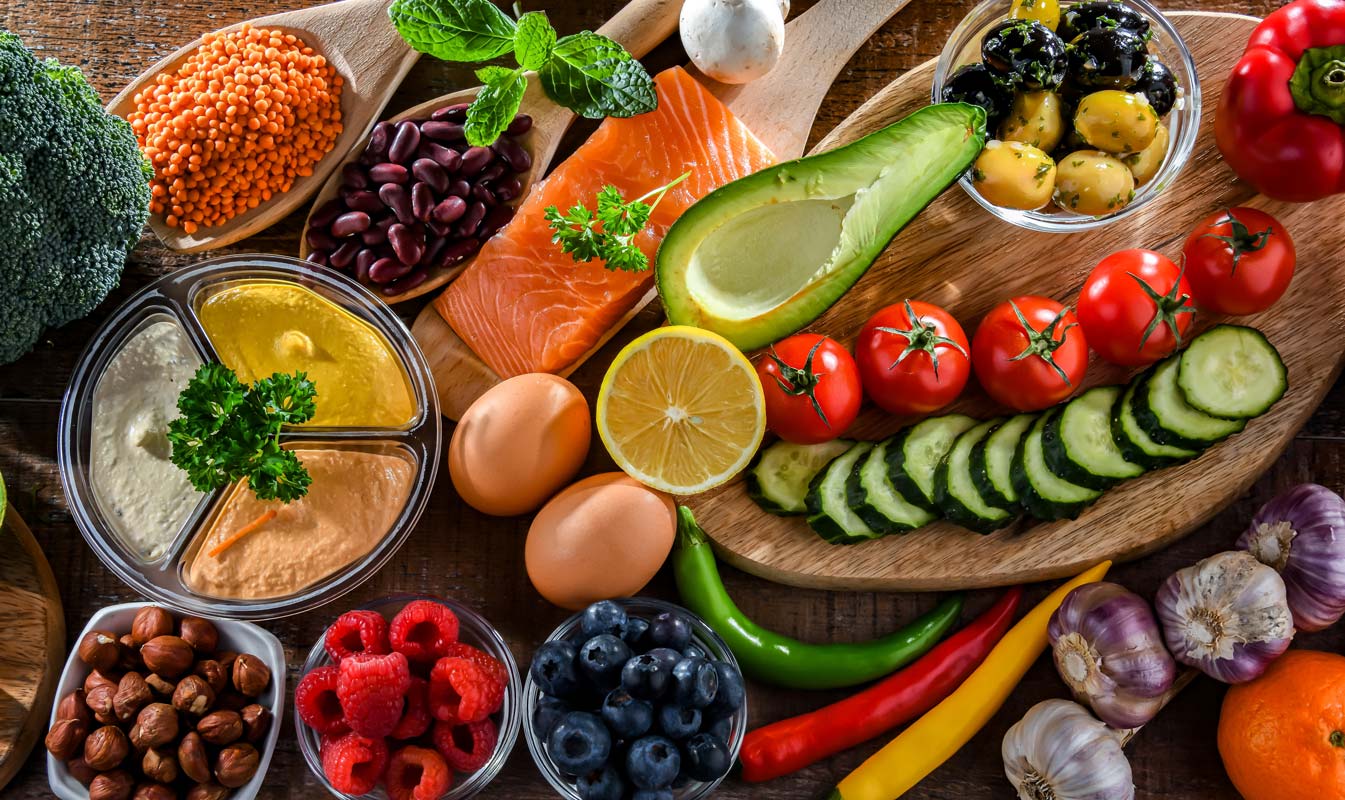
Foods and portions to eat every day: 1/2 to 1 cup green leafy vegetables, 1/2 cup other vegetables, 2 tablespoons extra virgin olive oil, and three 1-ounce servings of whole grains.
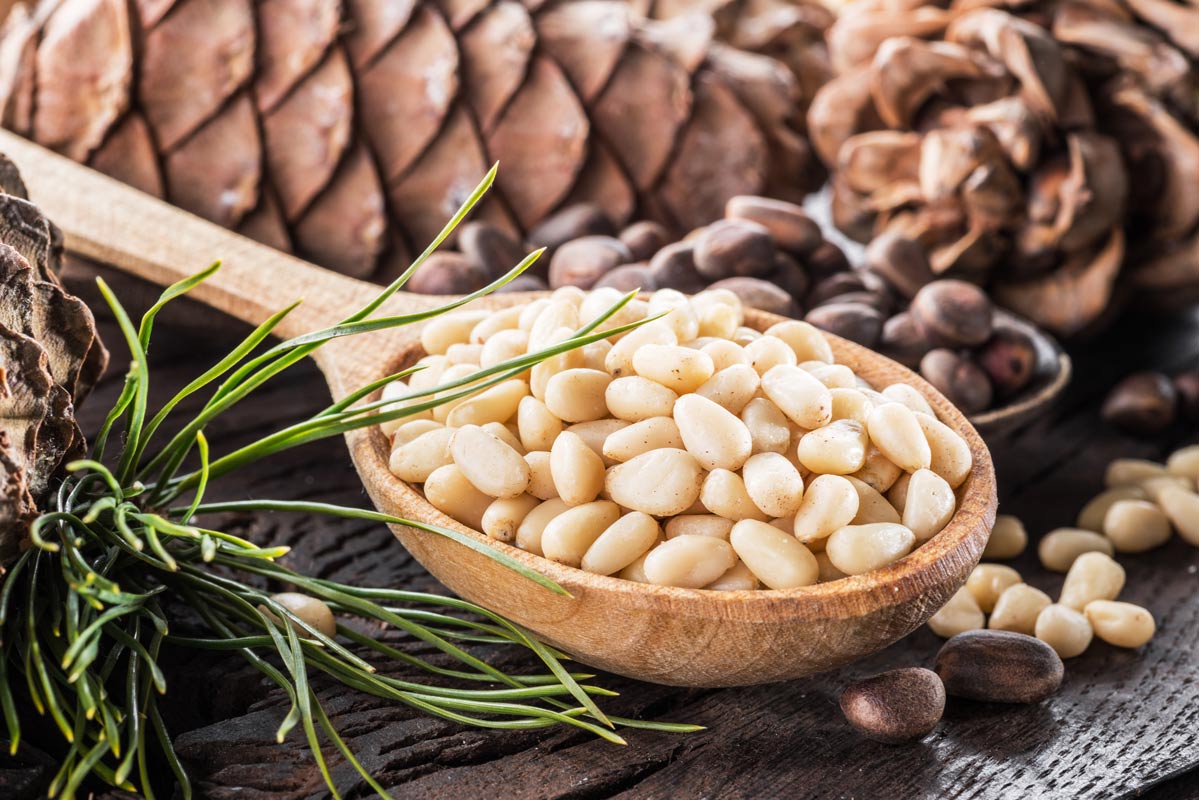
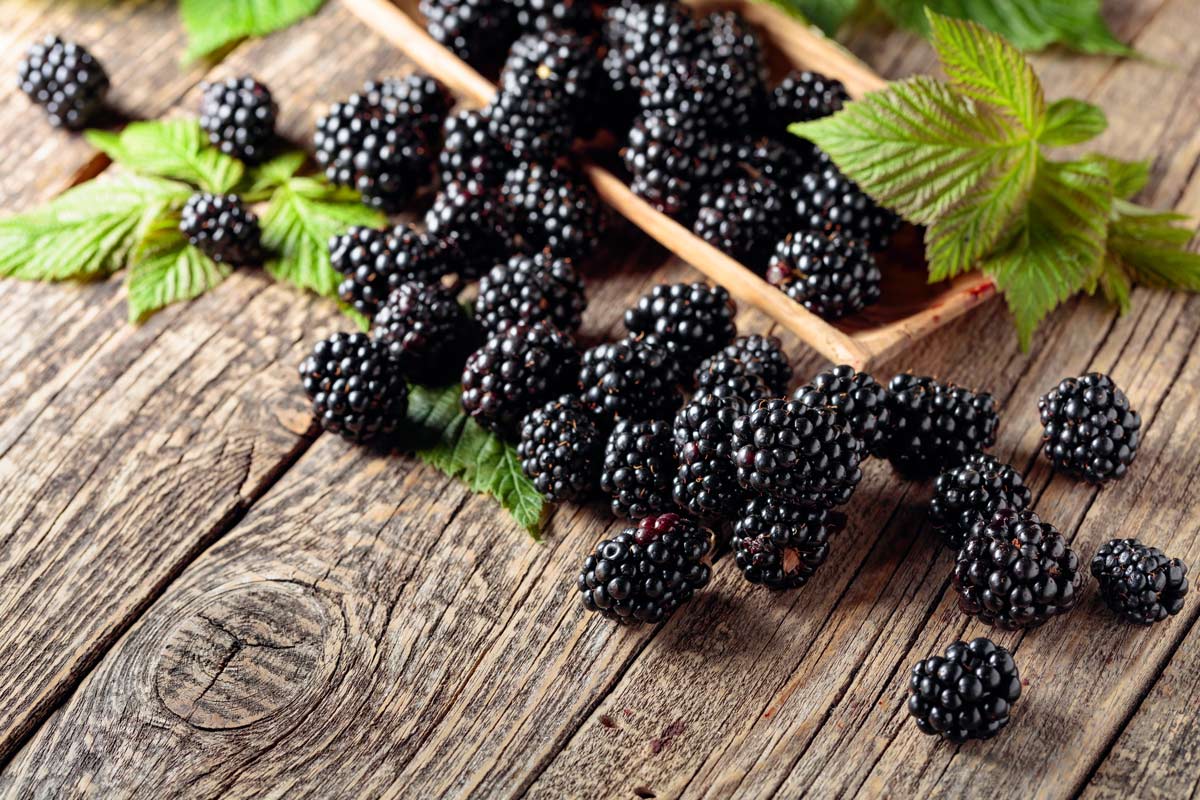
Foods and portions to eat over the course of each week: 5 ounces nuts, 2-1/2 cups berries, 1-1/2 cups legumes, two 3-to-5-ounce servings of skinless poultry, and 3-to-5 ounces fish.
Foods to limit to these weekly totals: three or fewer 3-to-5-ounce servings of red and processed meats, 1 ounce whole-fat cheese, 1 fried or fast food, and 4 sweet servings. If desired, no more than 1 teaspoon of butter or stick of margarine a day.
Get More Recipes In Your Inbox!