Black-and-White Cookies Recipe, Spotlight on Vanilla Pods, Rotating Cookie Sheets, Coffee and Brain Health and A Surprising Way to Make Exercise Work Better
Vanilla or chocolate? You don’t have to decide when you indulge in a classic black-and-white cookie, the treat that’s more cake than biscuit with two luscious glazes. I’m also sharing two interesting food-related studies. According to the first, drinking coffee or tea could protect brain health. And according to the second, the keto diet could boost the effects of exercise for some people with high blood sugar.
Black-and-White Cookies
 Black-and-White Cookies
Why choose between vanilla and chocolate when you can have both? The iconic black-and-white cookie settles the age-old debate once and for all — a pillowy, cake-like base topped with two luscious glazes that are as striking to look at as they are to eat.
Ingredients
For the cookies:
- 3/4 cup all-purpose flour
- 3/4 cup cake flour
- 1/4 cup golden or white whole wheat flour
- 1/2 teaspoon baking powder
- 1/4 teaspoon baking soda
- 1/4 teaspoon salt
- 6 tablespoons unsalted butter, softened
- 1 cup granulated sugar
- 1/4 cup extra virgin olive oil
- 1 large egg
- 2 teaspoons vanilla extract
- 1/3 cup sour cream
For the glazes:
- 3 cups confectioners’ sugar, sifted, more if needed
- 7 tablespoons whole milk, divided use
- 2 tablespoons corn syrup
- 2 teaspoons vanilla extract
- 1/2 teaspoon salt
- 4 tablespoons Dutch-processed cocoa powder, sifted
- 2 ounces dark chocolate, melted
Directions
Step 1
Place an oven rack in the center position and preheat your oven to 350°F. Line 2 rimmed sheet pans with parchment paper; set aside. Combine the flours, baking powder, baking soda, and salt in a bowl; set aside.
Step 2
Using a stand mixer fitted with the paddle attachment, beat butter and sugar on medium-high speed until pale and fluffy, about 2 minutes. Add the olive oil, egg, and vanilla and mix until well blended. Turn off the machine and use a spatula to scrape up the bottom of the bowl to make sure no clumps of butter remain.
Step 3
On the lowest speed, add half the flour mixture, then the sour cream, then the rest of the flour. Again, use the spatula to incorporate any batter stuck on the bottom of the bowl. Turn back on the mixer if needed to fully incorporate the flour. The batter will be thick.
Step 4
Use a 2¼” (¼-cup) ice cream scoop to form and release each cookie onto the sheet pans, evenly spacing 6 per pan. For the most even results, bake one sheet pan at a time in the middle rack. Bake for 10 minutes, rotate the pan, and bake another 10 minutes, just until the cookie edges are barely browned. Cool for 10 minutes, then transfer to wire racks to cool completely.
Step 5
When the cookies are completely cooled, make the vanilla glaze. In a large bowl, whisk the sugar, 5 tablespoons milk, corn syrup, vanilla, and salt until smooth; it should be thick enough to drop from the whisk in a ribbon. If too thin, whisk in more confectioners’ sugar, 1 tablespoon at a time.
Step 6
Working one cookie at a time, use a thin offset spatula to glaze one half of each cookie, using about half of the vanilla glaze (reserve the rest for the chocolate glaze). Let the glaze set for about 15 minutes. Rinse and dry the spatula.
Step 7
In a small bowl, whisk the remaining 2 tablespoons of milk and a large spoonful of the vanilla glaze into the cocoa until smooth. Whisk in the melted chocolate, then scrape it into the bowl of reserved vanilla glaze. Whisk until smooth. Use the spatula to spread the chocolate glaze on the unglazed side of each cookie (don’t worry about being too exact with the dividing line).
Step 8
Let the glaze set for 30 minutes before eating. Allow the cookies to dry completely, an hour or more, before storing them in a single layer in cookie tins.
Yields 12 cookies

Healthy Ingredient Spotlight
Vanilla Pods
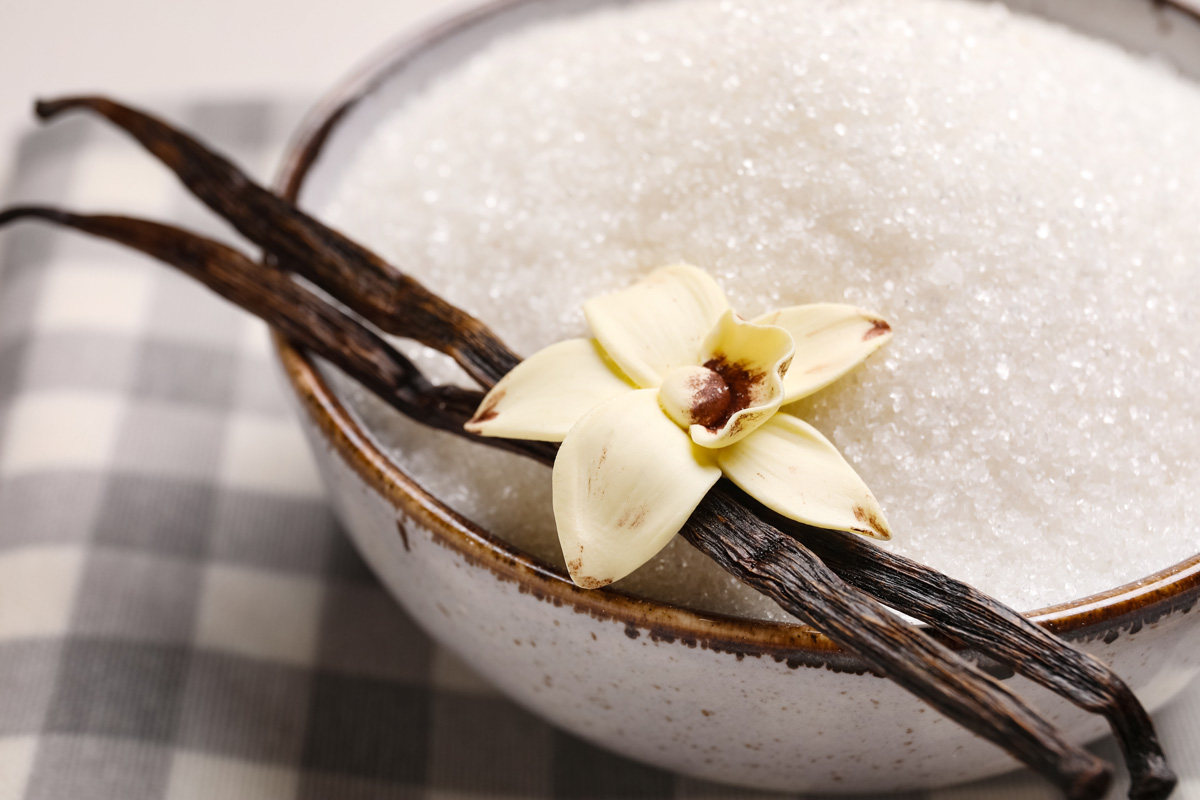
One of the most tantalizing tastes in the world, vanilla comes from pods that grow on a specific orchid, Vanilla planifolia—the only orchid grown commercially for its fruit. Producing the coveted pods is labor-intensive. Following hand pollination, it takes nine months for the pods to ripen and another three months to cure. (The process to create vanilla extract and vanilla paste takes even more time.)
Within each vanilla pod are thousands of seeds that add rich flavor and visual appeal to baked goods, custards, and ice cream. To get at the seeds, use the tip of a sharp paring knife to score the length of the pod, then one side of the blade to scrape them out. Add the leftover pod to a jar of sugar to make your own vanilla sugar for other recipes.

Quick Kitchen Nugget
Rotating Cookie Sheets
When baking cookies, rotating the sheet pan or cookie sheets halfway through the bake time is better for even rising and browning. This is true even when baking one sheet at a time. If a recipe suggests baking two sheets at one time, you want to not only rotate each one, but also switch their positions in the oven.

For Your Best Health
Coffee and Brain Health

Couples who intentionally pause to appreciate the enjoyable experiences they share tend to be more satisfied in their relationships, argue less, and feel more confident that their partnership will endure, according to researchers at the University oYour morning coffee or tea could be quietly supporting your brain health. A large prospective cohort study conducted by researchers from Mass General Brigham, Harvard T.H. Chan School of Public Health, and the Broad Institute of MIT and Harvard examined data from 131,821 participants in the Nurses’ Health Study (NHS) and Health Professionals Follow-Up Study (HPFS). It found that moderate consumption of caffeinated coffee or tea was linked to an 18% lower risk of dementia, slower cognitive decline, and better preservation of cognitive abilities. The benefits appeared strongest at 2 to 3 cups of coffee or 1 to 2 cups of tea daily—and even held true for people genetically predisposed to dementia. The study was published in JAMA.
“When searching for possible dementia prevention tools, we thought something as prevalent as coffee may be a promising dietary intervention—and our unique access to high quality data through studies that have been going on for more than 40 years allowed us to follow through on that idea,” said senior author Daniel Wang, MD, ScD, associate scientist with the Channing Division of Network Medicine in the Mass General Brigham Department of Medicine, and assistant professor at Harvard Medical School and in the Department of Nutrition at Harvard Chan School. “While our results are encouraging, it’s important to remember that the effect size is small and there are lots of important ways to protect cognitive function as we age. Our study suggests that caffeinated coffee or tea consumption can be one piece of that puzzle.”
Preventing dementia early is especially important because current treatments are limited and generally provide only modest benefits after symptoms begin. As a result, scientists are increasingly focusing on lifestyle factors, including diet, that may influence the development of cognitive decline.
Coffee and tea contain compounds such as polyphenols and caffeine, which are thought to support brain health. These substances may help reduce inflammation and limit cellular damage, both of which are linked to cognitive decline. Previous research on coffee and dementia has produced mixed results, often due to shorter study periods or limited data on long-term consumption patterns and different types of beverages.
“We also compared people with different genetic predispositions to developing dementia and saw the same results, meaning coffee or caffeine is likely equally beneficial for people with high and low genetic risk of developing dementia,” said lead author Yu Zhang, MBBS, MS, a PhD student at Harvard Chan School and a research trainee at Mass General Brigham.f Illinois Urbana-Champaign. Soaking in their happy moments together—whether reminiscing about a favorite memory, enjoying a dinner together, or looking forward to something exciting—may be building a powerful shield for their relationship.

Fitness Flash
A Surprising Way to Make Exercise Work Better
Advice about staying healthy often centers on regular exercise and limiting fatty foods. Physical activity helps people shed excess weight, build muscle, and strengthen the heart. It also improves the body’s ability to absorb and use oxygen to produce energy, which is considered one of the most reliable indicators of long-term health and longevity.
However, people with high blood sugar frequently miss out on some of these benefits from exercise, particularly improvements in how efficiently their bodies use oxygen. Elevated blood sugar raises the risk of heart and kidney disease. It can also interfere with the ability of muscles to increase oxygen uptake during physical activity. For people facing this challenge, new research suggests an unexpected possibility. Instead of reducing fat intake, increasing it might help.
A study led by Sarah Lessard, PhD, associate professor at the Fralin Biomedical Research Institute at VTC Center for Exercise Medicine Research and exercise medicine researcher, and published in Nature Communications examined how diet affects exercise response. The team found that mice fed a high-fat ketogenic diet experienced a drop in high blood sugar, also known as hyperglycemia. Their bodies also became more responsive to exercise.
“After one week on the ketogenic diet, their blood sugar was completely normal, as though they didn’t have diabetes at all,” said Dr. Lessard. “Over time, the diet caused remodeling of the mice’s muscles, making them more oxidative and making them react better to aerobic exercise.”
The ketogenic diet gets its name from ketosis, a metabolic state in which the body switches from using sugar as its main fuel to burning fat. Because the diet relies on high-fat foods and severely limits carbohydrates, it contrasts with the low-fat diets traditionally recommended by many health experts.
The keto diet has been associated with health benefits for certain conditions, including epilepsy and Parkinson’s disease. Historically, it was also used to manage diabetes. Before insulin was discovered in the 1920s, doctors sometimes relied on this approach to help lower blood sugar.
Dr. Lessard’s earlier studies showed that people with elevated blood sugar often have reduced exercise capacity. This led her to explore whether a ketogenic diet could help restore the body’s ability to adapt to exercise. In the study, mice ate a high-fat, low-carbohydrate diet and ran regularly on exercise wheels. Over time, their muscles developed more slow-twitch fibers, which are linked to greater endurance. “Their bodies were more efficiently using oxygen, which is a sign of higher aerobic capacity,” Dr. Lessard said.
According to Dr. Lessard, exercise benefits nearly every tissue in the body, including fat tissue. But growing evidence suggests that the greatest improvements in health occur when diet and exercise are combined rather than treated as separate strategies.
“What we’re really finding from this study and from our other studies is that diet and exercise aren’t simply working in isolation,” said Dr. Lessard. “There are a lot of combined effects, and so we can get the most benefits from exercise if we eat a healthy diet at the same time.”
She plans to expand the research to human participants to determine whether people experience the same improvements seen in mice. She also points out that following a ketogenic diet can be difficult. For many people, a less restrictive eating plan such as the Mediterranean diet may be easier to maintain while still supporting healthy blood sugar levels. This approach includes carbohydrates from whole foods like fruits, vegetables, and whole grains instead of eliminating carbohydrates entirely. “Our previous studies have shown that any strategy you and your doctor have arrived at to reduce your blood sugar could work,” she said.
Get More Recipes In Your Inbox!