Horiatiki Salad Recipe and The MIND Diet for Brain Health: More Benefits of Olive Oil
I’m a huge fan of both Greek and Middle Eastern salads, the ingredients of which are not only delicious but also mainstays of the MIND (Mediterranean-DASH Intervention for Neurodegenerative Delay) diet, a way of eating designed for brain health. It’s an offshoot of the super-healthy Mediterranean diet and the DASH (Dietary Approaches to Stop Hypertension) diet. Why the distinction? Because the latest research on the MIND diet shows it can slow aging as well as reduce dementia risk. Add this to the list of the benefits of olive oil—it’s one of the super foods that MIND suggests including every day.
Horiatiki: The Sequel!
Olive Oil Hunter News #263Black-and-White Cookies Recipe, Spotlight on Vanilla Pods, Rotating Cookie Sheets, Coffee and Brain Health and A Surprising Way to Make Exercise Work Better
Vanilla or chocolate? You don’t have to decide when you indulge in a classic black-and-white cookie, the treat that’s more cake than biscuit with two luscious glazes. I’m also sharing two interesting food-related studies. According to the first, drinking coffee or tea could protect brain health. And according to the second, the keto diet could boost the effects of exercise for some people with high blood sugar.
Black-and-White Cookies

Healthy Ingredient Spotlight
Vanilla Pods

One of the most tantalizing tastes in the world, vanilla comes from pods that grow on a specific orchid, Vanilla planifolia—the only orchid grown commercially for its fruit. Producing the coveted pods is labor-intensive. Following hand pollination, it takes nine months for the pods to ripen and another three months to cure. (The process to create vanilla extract and vanilla paste takes even more time.)
Within each vanilla pod are thousands of seeds that add rich flavor and visual appeal to baked goods, custards, and ice cream. To get at the seeds, use the tip of a sharp paring knife to score the length of the pod, then one side of the blade to scrape them out. Add the leftover pod to a jar of sugar to make your own vanilla sugar for other recipes.

Quick Kitchen Nugget
Rotating Cookie Sheets
When baking cookies, rotating the sheet pan or cookie sheets halfway through the bake time is better for even rising and browning. This is true even when baking one sheet at a time. If a recipe suggests baking two sheets at one time, you want to not only rotate each one, but also switch their positions in the oven.

For Your Best Health
Coffee and Brain Health

Couples who intentionally pause to appreciate the enjoyable experiences they share tend to be more satisfied in their relationships, argue less, and feel more confident that their partnership will endure, according to researchers at the University oYour morning coffee or tea could be quietly supporting your brain health. A large prospective cohort study conducted by researchers from Mass General Brigham, Harvard T.H. Chan School of Public Health, and the Broad Institute of MIT and Harvard examined data from 131,821 participants in the Nurses’ Health Study (NHS) and Health Professionals Follow-Up Study (HPFS). It found that moderate consumption of caffeinated coffee or tea was linked to an 18% lower risk of dementia, slower cognitive decline, and better preservation of cognitive abilities. The benefits appeared strongest at 2 to 3 cups of coffee or 1 to 2 cups of tea daily—and even held true for people genetically predisposed to dementia. The study was published in JAMA.
“When searching for possible dementia prevention tools, we thought something as prevalent as coffee may be a promising dietary intervention—and our unique access to high quality data through studies that have been going on for more than 40 years allowed us to follow through on that idea,” said senior author Daniel Wang, MD, ScD, associate scientist with the Channing Division of Network Medicine in the Mass General Brigham Department of Medicine, and assistant professor at Harvard Medical School and in the Department of Nutrition at Harvard Chan School. “While our results are encouraging, it’s important to remember that the effect size is small and there are lots of important ways to protect cognitive function as we age. Our study suggests that caffeinated coffee or tea consumption can be one piece of that puzzle.”
Preventing dementia early is especially important because current treatments are limited and generally provide only modest benefits after symptoms begin. As a result, scientists are increasingly focusing on lifestyle factors, including diet, that may influence the development of cognitive decline.
Coffee and tea contain compounds such as polyphenols and caffeine, which are thought to support brain health. These substances may help reduce inflammation and limit cellular damage, both of which are linked to cognitive decline. Previous research on coffee and dementia has produced mixed results, often due to shorter study periods or limited data on long-term consumption patterns and different types of beverages.
“We also compared people with different genetic predispositions to developing dementia and saw the same results, meaning coffee or caffeine is likely equally beneficial for people with high and low genetic risk of developing dementia,” said lead author Yu Zhang, MBBS, MS, a PhD student at Harvard Chan School and a research trainee at Mass General Brigham.f Illinois Urbana-Champaign. Soaking in their happy moments together—whether reminiscing about a favorite memory, enjoying a dinner together, or looking forward to something exciting—may be building a powerful shield for their relationship.

Fitness Flash
A Surprising Way to Make Exercise Work Better
Advice about staying healthy often centers on regular exercise and limiting fatty foods. Physical activity helps people shed excess weight, build muscle, and strengthen the heart. It also improves the body’s ability to absorb and use oxygen to produce energy, which is considered one of the most reliable indicators of long-term health and longevity.
However, people with high blood sugar frequently miss out on some of these benefits from exercise, particularly improvements in how efficiently their bodies use oxygen. Elevated blood sugar raises the risk of heart and kidney disease. It can also interfere with the ability of muscles to increase oxygen uptake during physical activity. For people facing this challenge, new research suggests an unexpected possibility. Instead of reducing fat intake, increasing it might help.
A study led by Sarah Lessard, PhD, associate professor at the Fralin Biomedical Research Institute at VTC Center for Exercise Medicine Research and exercise medicine researcher, and published in Nature Communications examined how diet affects exercise response. The team found that mice fed a high-fat ketogenic diet experienced a drop in high blood sugar, also known as hyperglycemia. Their bodies also became more responsive to exercise.
“After one week on the ketogenic diet, their blood sugar was completely normal, as though they didn’t have diabetes at all,” said Dr. Lessard. “Over time, the diet caused remodeling of the mice’s muscles, making them more oxidative and making them react better to aerobic exercise.”
The ketogenic diet gets its name from ketosis, a metabolic state in which the body switches from using sugar as its main fuel to burning fat. Because the diet relies on high-fat foods and severely limits carbohydrates, it contrasts with the low-fat diets traditionally recommended by many health experts.
The keto diet has been associated with health benefits for certain conditions, including epilepsy and Parkinson’s disease. Historically, it was also used to manage diabetes. Before insulin was discovered in the 1920s, doctors sometimes relied on this approach to help lower blood sugar.
Dr. Lessard’s earlier studies showed that people with elevated blood sugar often have reduced exercise capacity. This led her to explore whether a ketogenic diet could help restore the body’s ability to adapt to exercise. In the study, mice ate a high-fat, low-carbohydrate diet and ran regularly on exercise wheels. Over time, their muscles developed more slow-twitch fibers, which are linked to greater endurance. “Their bodies were more efficiently using oxygen, which is a sign of higher aerobic capacity,” Dr. Lessard said.
According to Dr. Lessard, exercise benefits nearly every tissue in the body, including fat tissue. But growing evidence suggests that the greatest improvements in health occur when diet and exercise are combined rather than treated as separate strategies.
“What we’re really finding from this study and from our other studies is that diet and exercise aren’t simply working in isolation,” said Dr. Lessard. “There are a lot of combined effects, and so we can get the most benefits from exercise if we eat a healthy diet at the same time.”
She plans to expand the research to human participants to determine whether people experience the same improvements seen in mice. She also points out that following a ketogenic diet can be difficult. For many people, a less restrictive eating plan such as the Mediterranean diet may be easier to maintain while still supporting healthy blood sugar levels. This approach includes carbohydrates from whole foods like fruits, vegetables, and whole grains instead of eliminating carbohydrates entirely. “Our previous studies have shown that any strategy you and your doctor have arrived at to reduce your blood sugar could work,” she said.
Get More Recipes In Your Inbox!
Black-and-White CookiesWhy choose between vanilla and chocolate when you can have both? The iconic black-and-white cookie settles the age-old debate once and for all — a pillowy, cake-like base topped with two luscious glazes that are as striking to look at as they are to eat.
Ingredients
For the cookies:
- 3/4 cup all-purpose flour
- 3/4 cup cake flour
- 1/4 cup golden or white whole wheat flour
- 1/2 teaspoon baking powder
- 1/4 teaspoon baking soda
- 1/4 teaspoon salt
- 6 tablespoons unsalted butter, softened
- 1 cup granulated sugar
- 1/4 cup extra virgin olive oil
- 1 large egg
- 2 teaspoons vanilla extract
- 1/3 cup sour cream
For the glazes:
- 3 cups confectioners’ sugar, sifted, more if needed
- 7 tablespoons whole milk, divided use
- 2 tablespoons corn syrup
- 2 teaspoons vanilla extract
- 1/2 teaspoon salt
- 4 tablespoons Dutch-processed cocoa powder, sifted
- 2 ounces dark chocolate, melted
Directions
Step 1
Place an oven rack in the center position and preheat your oven to 350°F. Line 2 rimmed sheet pans with parchment paper; set aside. Combine the flours, baking powder, baking soda, and salt in a bowl; set aside.
Step 2
Using a stand mixer fitted with the paddle attachment, beat butter and sugar on medium-high speed until pale and fluffy, about 2 minutes. Add the olive oil, egg, and vanilla and mix until well blended. Turn off the machine and use a spatula to scrape up the bottom of the bowl to make sure no clumps of butter remain.
Step 3
On the lowest speed, add half the flour mixture, then the sour cream, then the rest of the flour. Again, use the spatula to incorporate any batter stuck on the bottom of the bowl. Turn back on the mixer if needed to fully incorporate the flour. The batter will be thick.
Step 4
Use a 2¼” (¼-cup) ice cream scoop to form and release each cookie onto the sheet pans, evenly spacing 6 per pan. For the most even results, bake one sheet pan at a time in the middle rack. Bake for 10 minutes, rotate the pan, and bake another 10 minutes, just until the cookie edges are barely browned. Cool for 10 minutes, then transfer to wire racks to cool completely.
Step 5
When the cookies are completely cooled, make the vanilla glaze. In a large bowl, whisk the sugar, 5 tablespoons milk, corn syrup, vanilla, and salt until smooth; it should be thick enough to drop from the whisk in a ribbon. If too thin, whisk in more confectioners’ sugar, 1 tablespoon at a time.
Step 6
Working one cookie at a time, use a thin offset spatula to glaze one half of each cookie, using about half of the vanilla glaze (reserve the rest for the chocolate glaze). Let the glaze set for about 15 minutes. Rinse and dry the spatula.
Step 7
In a small bowl, whisk the remaining 2 tablespoons of milk and a large spoonful of the vanilla glaze into the cocoa until smooth. Whisk in the melted chocolate, then scrape it into the bowl of reserved vanilla glaze. Whisk until smooth. Use the spatula to spread the chocolate glaze on the unglazed side of each cookie (don’t worry about being too exact with the dividing line).
Step 8
Let the glaze set for 30 minutes before eating. Allow the cookies to dry completely, an hour or more, before storing them in a single layer in cookie tins.
Yields 12 cookies
Olive Oil Hunter News #262Brie and Sweet Potato Bites Recipe, Spotlight on Thyme, Baking Brie, and The Simple Key to Resistance Training
Looking for an easy and elegant finger food for your next get-together? This recipe checks all the boxes, plus it’s packed with antioxidants. Plus, when it comes to lifestyle changes is the new position stand from the American College of Sports Medicine on resistance training. It could provide the motivation to get started on a program.
Brie and Sweet Potato Bites

Healthy Ingredient Spotlight
Thyme

This herb deserves a spot in your windowsill garden and your spice cabinet. Fresh or dried, it delivers deep flavor—earthy, slightly peppery, and with hints of mint (it’s a distant relative of mint). Thyme also offers an abundance of antioxidants including vitamin C, vitamin A, lutein, and zeaxanthin. Thanks to a wide variety of natural compounds, it may possibly boost mood, support brain cell function and memory, and improve gut health.

Quick Kitchen Nugget
Baking Brie
A hot oven quickly turns this French cheese into gooey deliciousness that often makes it taste milder and even more buttery. There’s no need to trim off the rind—it actually helps the cheese keep some shape in the oven.

Fitness Flash
The Simple Key to Resistance Training

The first major update to resistance training recommendations in 17 years delivered a straightforward message: Even simple routines with small amounts of resistance training can improve strength, increase muscle size, enhance power, and support overall physical function. The key is not perfection but consistency.
The updated guidance, released by the American College of Sports Medicine (ACSM) as a Position Stand and published in Medicine & Science in Sports & Exercise, is built on 137 systematic reviews covering more than 30,000 participants. This makes it the most extensive and evidence-based set of resistance training recommendations to date.
“The best resistance training program is the one you’ll actually stick with,” said Stuart Phillips, PhD, distinguished professor in the department of kinesiology and an author on the Position Stand. “Training all major muscle groups at least twice a week matters far more than chasing the idea of a ‘perfect’ or complex training plan. Whether it’s barbells, bands, or bodyweight, consistency and effort drive results … The new document reflects that surge in evidence and expands its recommendations to include more people and more types of training than ever before.”
A key takeaway is that the biggest benefits often come from a simple starting point. Transitioning from no resistance training to any regular activity can lead to meaningful improvements. While factors such as load, volume, and frequency can be adjusted, experts say the main priority for most adults should be building a routine they can follow consistently.
Another important shift in the recommendations is the recognition that effective resistance training does not require access to a gym. Exercises using elastic bands, bodyweight movements, or simple at-home routines can still produce measurable gains in strength, muscle size, and daily function.
According to Dr. Phillips, strict rules about the “ideal” training plan are no longer supported by current evidence. Instead, personal preferences, enjoyment, and the ability to maintain a routine over time are what matter most. This approach is especially important for adults who want to stay strong, healthy, and capable as they age.
Get More Recipes In Your Inbox!
Brie and Sweet Potato BitesThese bites make an elegant appetizer. For the sweet potatoes, choose long rather than rounded ones to get the most slices from each. Keeping the brie refrigerated until needed makes it easier to cut.
Ingredients
- Extra virgin olive oil
- 2 sweet potatoes, about 7 to 8 inches long and 2 pounds in total
- 1 teaspoon fine sea salt
- 1 teaspoon freshly ground black pepper
- 1/2 cup dried cranberries
- 8 ounces brie, cut into 16 pieces
- 2 tablespoons chopped fresh thyme
Directions
Step 1
Preheat your oven to 400°F. Line a rimmed sheet pan with parchment paper and generously drizzle the paper with olive oil. Rinse the potatoes and pat dry. Trim off the pointy ends and slice each potato into 8 rounds about 1/2-inch thick.
Step 2
Arrange the rounds on the sheet pan, drizzle each with olive oil, and sprinkle with the salt and pepper. Roast for 30 minutes or until a knife tip slides easily through them.
Step 3
Carefully take the sheet pan out of the oven and top each round with a few dried cranberries and a piece of brie. Return to the oven for 2 to 3 minutes until the cheese has melted.
Step 4
Once out of the oven, sprinkle with the thyme and drizzle with more olive oil. Let cool slightly before serving.
Yields 16 bites
Olive Oil Hunter News #261Fennel and Orange Salad Recipe, Spotlight on Blood Oranges, Skewers and Toothpicks, Secret for a Happy Relationship, plus One Simple Step to Slash Depression Risk
Need a break from traditional green salads? This refreshing dish of fennel, red onion, and oranges is a winner. I’m also sharing a surprising step for better relationship satisfaction and a healthy way to slash your risk for depression.
Fennel and Orange Salad

Healthy Ingredient Spotlight
Blood Oranges

All oranges have vitamin C to boost the immune system, promote healthier skin, and help the body absorb iron. Blood oranges take these benefits up a notch thanks to their higher levels of the antioxidants called anthocyanins. The abundance of anthocyanins is also what gives these oranges their unique red color.

Quick Kitchen Nugget
Mini Choppers
Tired of mincing by hand? A mini chopper like the Cuisinart Core Custom 4-Cup Mini Chopper and the KitchenAid 3.5-Cup Food Chopper are countertop workhorses that do the job for you. Whether you need to chop garlic or herbs, or even whip up a small batch of vinaigrette, using one of these machines can reduce prep time and produce consistent results.

For Your Best Health
Secret for a Happy Relationship
Couples who intentionally pause to appreciate the enjoyable experiences they share tend to be more satisfied in their relationships, argue less, and feel more confident that their partnership will endure, according to researchers at the University of Illinois Urbana-Champaign. Soaking in their happy moments together—whether reminiscing about a favorite memory, enjoying a dinner together, or looking forward to something exciting—may be building a powerful shield for their relationship.
“Savoring involves slowing down to become aware of and focus on positive experiences,” said first author Noah Larsen, a graduate student at Illinois. “Savoring can occur when we reminisce on a past experience, focus on the present moment or look ahead to a future experience.”
Previous studies have shown that savoring benefits individuals. Larsen and his colleagues, Illinois human development and family studies professors Allen W. Barton and Brian G. Ogolsky, wanted to see what happens when couples practice savoring together as a shared activity. The participants, drawn from a larger project examining resilience in romantic relationships, included 589 adults from across the United States who completed an online survey. The questionnaire measured how often they and their partners intentionally appreciated positive experiences in their relationship. Researchers used a scale called Joint Savoring in Romantic Relationships, adapted from the widely used Savoring Beliefs Inventory, which assesses how individuals savor positive moments.
Participants also answered questions about how satisfied they felt with their spouse or significant other, how much conflict they experienced in communication, and how confident they were that their relationship would last. The survey assessed stress as well. Participants reported how frequently during the past month they felt in control of their responsibilities or, on the other hand, overwhelmed by what they had to handle. They also rated their overall quality of life, general health, and psychological distress.
Of the 589 respondents, more than 85% were married, around 10% were engaged, and 4% were in committed dating relationships. Their partners did not participate in the survey. The average age was about 39. Slightly more than half were women, more than 85% were white, and the typical household income ranged from $85,000 to $95,000. Overall, participants reported relatively high levels of both individual savoring and joint savoring, along with generally low stress levels.
“We found that joint savoring has the most benefits for romantic relationships, as well as secondary benefits for individuals’ health and well-being,” Larsen said. “Specifically, individuals who engaged in more joint savoring with their partners reported less conflict with them, more satisfaction with their relationship and more confidence in their future together.” The protective effect was especially noticeable among couples facing higher stress. “When couples face greater stress, savoring can serve as a buffer, helping protect their confidence in their relationship and their mental health,” Larsen said.


Fitness Flash
One Simple Step Could Slash Depression Risk
Swapping just an hour of TV a day for something more active could help prevent major depressive disorder. That is the conclusion of a new study published in European Psychiatry on behalf of the European Psychiatric Association by Cambridge University Press. Researchers found that the mental health benefits of reducing TV time were strongest for middle-aged adults, while the effects were smaller in younger and older groups.
The Dutch study tracked more than 65,000 adults over four years, with careful comparisons made across age groups. Individuals reported how much time they spent on activities such as active commuting, leisure exercise, sports, household tasks, physical activity at work or school, TV watching, and sleep. The researchers found that replacing 60 minutes of TV with other activities cut depression risk by 11% overall, and by nearly 19% in middle-aged adults. The more time people reallocated—up to two hours—the greater the benefit, with risk dropping as much as 43% in midlife.
Lead author Rosa Palazuelos-González of the University of Groningen said the study stands out because it looked at what happens when TV time is actively replaced with other behaviors such as exercise or sleep. Previous research has largely examined links between sedentary lifestyles and depression, rather than analyzing how switching to specific alternative activities might influence the risk of developing the condition. Nearly all substitutions were linked to lower depression risk, with one exception. Swapping just 30 minutes of TV for household chores did not produce a meaningful change. However, reallocating 30 minutes to sports reduced risk by 18%. Replacing that time with physical activity at work or school lowered risk by 10.21%, leisure or commuting activities by 8%, and sleep by 9%. Across all time frames studied, sports delivered the greatest reduction in the probability of developing major depression.
Get More Recipes In Your Inbox!
Fennel and Orange SaladMy numerous trips to Italy to source fresh-pressed olive oil have led to my fondness for fennel, a cousin of celery with the taste of mild licorice, and a veggie totally underappreciated here. It’s the perfect complement for oranges—you’ll see them together in many dishes.
Ingredients
For the dressing:
- 1 tablespoon orange zest from the navel orange (below)
- 2 tablespoons freshly squeezed lemon juice
- 1 tablespoon Dijon mustard
- 1 teaspoon honey
- 1/2 teaspoon coarse sea salt
- 1/2 teaspoon freshly ground black pepper
- 1/4 cup extra virgin olive oil
For the salad:
- 1 large or 2 small fennel bulbs
- 1 navel orange
- 2 blood oranges
- 1 small red onion
- 2 tablespoons chopped mint
Directions
Step 1
Make the dressing: Zest the navel orange and add the zest to a large bowl with the lemon juice, mustard, honey, salt, and pepper. Whisk in the olive oil until well blended. Set aside.
Step 2
Prep the fennel: If you have a full bulb with the dill-like fronds, reserve a handful of fronds to chop and use as a garnish. Cut off the rest of the green stalks and the root end. Cut the bulb in two lengthwise, from the top to the root. Use a paring knife to carefully cut out the hard core at the base of each half. Then cut the fennel into thin slices as you would an onion and add to the bowl with the dressing. Toss well.
Step 3
Score the oranges and peel off the rinds and as much of the pith as possible, then slice the oranges horizontally. Peel the onion and cut into thin rounds.
Step 4
To serve, arrange the orange and onion slices in a circular pattern on 2 plates or dishes. Top with equal amounts of the tossed fennel and garnish with chopped mint and reserved fennel fronds, if available.
Yields 2 servings
Olive Oil Hunter News #260Crabmeat-Stuffed Flounder Recipe, Spotlight on Canned Crab, Skewers and Toothpicks, “Synbiotics” to Slash Inflammation and Statin Side Effects
This elegant seafood recipe is a crowd pleaser and takes little time to prepare at home. It’s also an excellent source of lean protein. I’m sharing a study on how a unique mix of nutrients can quell systemic inflammation, showing the power of certain foods. Also, for anyone who’s worried about the effects of statins, a new research review found these cholesterol-busters don’t have many of the side effects they’ve been associated with.
Crabmeat-Stuffed Flounder

Healthy Ingredient Spotlight
Canned Crab
Unless you’re buying live crabs to cook yourself, crabmeat comes already cooked, even when it’s labeled fresh and hand-picked. It has a shorter shelf life than canned crabmeat, which is pasteurized. Both should be kept in the fridge. Whereas tub-packed fresh crabmeat should be eaten within a few days of purchase, pasteurized crabmeat will stay fresh in the fridge for up to 1 year, making it extremely versatile—it’s also typically less expensive. Once either is opened, it should be used right away.

Quick Kitchen Nugget
Skewers and Toothpicks

When making food roll-ups, bamboo skewers or toothpicks hold fillings in place, keep the roll-ups tidy, and hold up well in the oven. Bamboo skewers are sturdier than wooden toothpicks and many are designed to look prettier than the average toothpick—important when using them for finger food. Make sure they have one pointy end for easy piercing.

For Your Best Health
“Synbiotics” to Slash Inflammation
A six-week study from the University of Nottingham suggests that pairing kefir with a diverse prebiotic fiber mix may deliver a powerful anti-inflammatory boost. This “synbiotic” combination outperformed omega-3 supplements and fiber alone, leading to the broadest drop in inflammation-related proteins in healthy adults. Participants in the synbiotic group showed lower overall inflammation levels, pointing to improved immune balance and a potentially reduced risk of chronic inflammation-related conditions, like heart disease or other metabolic conditions. The study was published in the Journal of Translational Medicine.
The kefir and fiber blend used in the trial was supplied by Chuckling Goat Ltd. It contains a mix of naturally occurring probiotic bacteria and yeasts created during the traditional fermentation of goat’s milk with live kefir grains. These grains are living cultures that contain dozens of beneficial microbial species.
When kefir, which is rich in live microbes, is paired with diverse prebiotic fiber, the result is a synbiotic effect. The fiber serves as fuel for the beneficial bacteria, allowing them to grow and generate helpful compounds such as butyrate, known for its anti-inflammatory and immune-regulating effects throughout the body.
Future research will examine how these supplements perform in people who already have specific health conditions to better understand their potential benefits. “Our study shows that while all three dietary approaches reduced inflammation, the synbiotic had the most powerful and wide-ranging effects,” said lead author Dr. Amrita Vijay of the School of Medicine at Nottingham. “This suggests that the interaction between beneficial microbes and dietary fiber may be key to supporting immune balance and metabolic health.”

Fitness Flash
Update on Statin Side Effects
A large-scale review done by researchers at the University of Oxford found that statins do not cause the vast majority of side effects listed on their labels. Memory problems, depression, sleep issues, weight gain, and many other symptoms appeared just as often in people taking a placebo. Only a few side effects showed any link to statins, and even those were rare.
Heart disease remains one of the leading causes of death worldwide, responsible for about 20 million deaths each year. Statins are widely prescribed medications that reduce LDL cholesterol and are proven to lower the risk of heart attacks, strokes, and other cardiovascular problems. Despite their strong track record, concerns about possible side effects have led some patients to hesitate or stop treatment.
To better understand the true risks, researchers analyzed data from 23 major randomized studies conducted by the Cholesterol Treatment Trialists’ Collaboration. This included 123,940 participants in 19 trials comparing statins with a placebo, along with 30,724 participants in four trials that compared higher-intensity statin therapy with less intensive treatment.
When the researchers reviewed reports of side effects, they found that people taking statins reported nearly the same rates of most symptoms as those taking a placebo. For instance, yearly reports of cognitive or memory problems were 0.2% among statin users and 0.2% among those on placebo. In other words, while some people may experience these symptoms during treatment, the evidence does not show that statins are the cause.
The analysis found no meaningful excess of memory loss or dementia, depression, sleep problems, erectile dysfunction, weight gain, nausea, fatigue, headache, or many other commonly cited concerns. There was a small rise of about 0.1% in abnormal liver blood test results among people taking statins. However, this did not translate into higher rates of serious liver conditions such as hepatitis or liver failure. This suggests that these mild blood test changes typically do not lead to more severe liver disease. The researchers also found that statins can slightly raise blood sugar levels, meaning that individuals already at high risk for diabetes may develop the condition somewhat sooner.
Earlier research from the same team showed that most muscle symptoms reported by patients were not caused by statins. Only about 1% of people experienced muscle symptoms attributable to statin therapy during the first year of use, with no additional excess risk after that. Christina Reith, associate professor at Oxford Population Health and lead author of the study, said, “Statins are life-saving drugs used by hundreds of millions of people over the past 30 years. However, concerns about the safety of statins have deterred many people who are at risk of severe disability or death from a heart attack or stroke. Our study provides reassurance that, for most people, the risk of side effects is greatly outweighed by the benefits of statins.”
Get More Recipes In Your Inbox!
Crabmeat-Stuffed FlounderFlounder stuffed with crabmeat is a seafood lover’s dream and my stuffing recipe ticks all the boxes for many specialty diets since I skip the traditional breadcrumbs.
Ingredients
For the crabmeat stuffing:
- 2 tablespoons extra virgin olive oil, plus more for the sheet pan and drizzling
- 1/2 cup chopped onion
- 1/4 cup chopped red bell pepper
- 1/4 cup chopped celery
- 2 garlic cloves, minced
- 2 tablespoons best-quality mayonnaise
- 6 ounces crabmeat, preferably lump meat
- 1/2 teaspoon paprika, such as Heirloom Sweet Paprika
- 1/8 teaspoon cayenne pepper
- 1 teaspoon fresh lemon zest
- 1/2 teaspoon fine sea salt
- 1/4 teaspoon freshly ground black peppercorns, such as Vine-Ripened Black Peppercorns
- 2 tablespoons chopped fresh flat leaf parsley
For the flounder:
- 4 flounder fillets, about 4 to 6 ounces each
- Four 4” bamboo skewers
- 1 teaspoon paprika, such as Heirloom Sweet Paprika
- 1/2 teaspoon fine sea salt
- 1/4 teaspoon freshly ground black peppercorns, such as Vine-Ripened Black Peppercorns
- 1 tablespoon extra virgin olive oil
Directions
Step 1
Preheat your oven to 400°F. Line a rimmed sheet pan with parchment paper and brush the parchment lightly with olive oil; set aside.
Step 2
Heat a sauté pan over medium-high. When hot, add the 2 tablespoons olive oil, onions, bell pepper, celery, and garlic. Sauté until the vegetables are soft, about 10 minutes. Transfer to a large bowl and let cool slightly. Then add in the rest of the stuffing ingredients and mix well.
Step 3
Make the roll-ups one at a time directly on the parchment-lined sheet pan to avoid having to transfer them. Place one fillet flat side up at one end of the pan. Scoop 1/4 of the crab mix and place it on the fillet about 2 inches in from the thinner end. Flip that end over the stuffing and roll up the fillet. Secure with a bamboo skewer. Repeat with the remaining fillets. Sprinkle with the paprika, salt, and pepper and drizzle with olive oil.
Step 4
Bake for 15 minutes, then check to see if the flounder is opaque and firm to the touch. If needed, bake for another 3 to 5 minutes.
Yields 4 servings
Olive Oil Hunter News #259Asparagus Milanese Style Recipe, Spotlight on Asparagus, When to “Close” the Kitchen for the Night and Exercising to Avoid Alzheimer’s
A sure sign of spring is the bundles of asparagus available at farmers’ markets and the produce aisle at your grocery store. I’m sharing a delicious way to enjoy them with a luscious one-pan prep. This issue’s research news offers food for thought: first, the advantages of not eating in the hours before bed for metabolic health and second, the benefits of exercise for brain health.
Asparagus in the Milanese Style

Healthy Ingredient Spotlight
Choosing Asparagus
For decades, a debate has raged over what’s tastier, thin or thick asparagus. Surprisingly, according to agricultural experts at Penn State, spears that are larger than half an inch in diameter are more tender and higher in soluble fiber and vitamins than thinner spears. What’s more, marketing thin asparagus as “gourmet” stemmed from the fact that farmers wanted to sell their crops after two rather than three years to stimulate the plant to produce spears faster. At the same time, the shift prompted professional chefs to prefer the visual appeal of thinner spears. Of course, the most important factor is freshness—whichever you choose, look for tips that are tightly closed and stems that are not shriveled. Because asparagus loses moisture fast, aim to use it the day you buy it.


Quick Kitchen Nugget
Prepping Asparagus
Many recipes call for a rack to be placed in the roasting pan to elevate a leg of lamb, turkey, or rib roast, to name a few examples. This allows the oven’s heat to reach (and brown) the entire surface of the food. Clean up can be made easier by first lining the roasting pan with foil, and the rack prevents the meat from touching the foil while it cooks. Putting about an inch of water in the bottom of the pan is done to create steam, which keeps the meat moist and prevents the drippings from burning and negatively affecting the taste of the meat.

For Your Best Health
When to “Close” the Kitchen for the Night

A simple shift in your evening routine may give your heart a measurable boost. Researchers at Northwestern Medicine explored whether timing an overnight fast to match a person’s natural sleep-wake cycle could improve heart and metabolic health. The circadian rhythm plays a central role in regulating cardiovascular and metabolic function. For the study, participants did not reduce calories. The focus was entirely on adjusting when they ate.
The scientists found that middle-aged and older adults at elevated risk for cardiometabolic disease benefited from extending their overnight fasting window by roughly two hours and avoiding food and dimming their lights for three hours before going to sleep. These changes led to measurable improvements in heart and metabolic markers during sleep and throughout the following day.
“Timing our fasting window to work with the body’s natural wake-sleep rhythms can improve the coordination between the heart, metabolism, and sleep, all of which work together to protect cardiovascular health,” said first author Daniela Grimaldi, PhD, research associate professor of neurology in the division of sleep medicine at Northwestern University Feinberg School of Medicine.
“It’s not only how much and what you eat, but also when you eat relative to sleep that is important for the physiological benefits of time-restricted eating,” said corresponding author Phyllis Zee, MD, PhD, director of the Center for Circadian and Sleep Medicine and chief of sleep medicine in the department of neurology at Feinberg.
Time-restricted eating has grown in popularity because studies suggest it can improve cardiometabolic markers and sometimes match the benefits of traditional calorie-restricted diets. However, most research has concentrated on how long people fast rather than how well that fasting window aligns with sleep timing, which is crucial for metabolic regulation.
With nearly 90% adherence in this trial, the researchers believe anchoring time-restricted eating to the sleep period may be a realistic and accessible non-pharmacological approach, especially for middle-aged and older adults who face higher cardiometabolic risk. The team plans to refine this protocol and expand testing in larger multicenter trials.

Fitness Flash
Exercising to Avoid Alzheimer’s
Researchers at UC San Francisco have identified a biological process that may explain why exercise sharpens thinking and memory. The discovery points to a surprising body-to-brain pathway that could inspire new Alzheimer’s disease therapies.
As people grow older, the blood-brain barrier becomes more fragile. This tightly packed network of blood vessels normally shields the brain from harmful substances circulating in the bloodstream. Over time, however, it can become leaky, allowing damaging compounds to enter brain tissue. The result is inflammation, which is linked to cognitive decline and is commonly seen in disorders such as Alzheimer’s disease.
The researchers found that physical activity prompts the liver to release an enzyme called GPLD1. GPLD1 removes a harmful protein responsible for the blood-brain barrier becoming leaky with age, strengthening the brain’s built-in defense system, and helping protect it from age-related damage. Research using older mice showed that dialing down this protein reduced inflammation and improved memory.
This study builds on the research team’s early discovery that mice that exercised produced higher levels of GPLD1 in their livers. GPLD1 appeared to rejuvenate the brain, but there was a mystery. The enzyme itself cannot cross into the brain, leaving scientists unsure how it delivered its cognitive benefits. The new research provides an answer. It turns out that GPLD1 influences another protein known as TNAP. As mice age, TNAP builds up in the cells that form the blood-brain barrier. This buildup weakens the barrier and increases leakiness. When mice exercise and their livers release GPLD1 into the bloodstream, the enzyme travels to the blood vessels surrounding the brain and removes TNAP from the surface of those cells, helping restore the barrier’s integrity.
“This discovery shows just how relevant the body is for understanding how the brain declines with age,” said Saul Villeda, PhD, associate director of the UCSF Bakar Aging Research Institute and senior author of the paper.
The findings suggest that developing medications capable of trimming proteins such as TNAP could offer a new strategy to restore the blood-brain barrier, even after it has been weakened by aging. “We’re uncovering biology that Alzheimer’s research has largely overlooked,” Dr. Villeda said. “It may open new therapeutic possibilities beyond the traditional strategies that focus almost exclusively on the brain.”
Get More Recipes In Your Inbox!
Asparagus in the Milanese StyleAsparagus is so symbolic of spring. And while a simple dish like marinated asparagus is a great way to enjoy it, this recipe turns a side into a satisfying meal for breakfast, brunch, or even a light dinner. For a heartier meal, double the eggs. I especially love the richness of sautéing the spears in EVOO as well as some butter.
Ingredients
- 4 tablespoons extra virgin olive oil, divided use, plus more for drizzling
- 2 tablespoons unsalted butter
- 1/2 pound asparagus, trimmed (see Quick Kitchen Nugget in newsletter)
- Coarse sea salt
- Freshly ground black pepper
- 3/4 cup freshly grated Parmigiano-Reggiano cheese, plus more to garnish
- 2 large eggs
Directions
Step 1
Heat a large frying pan or skillet until hot, then add 2 tablespoons olive oil and the butter. Sauté the asparagus, rotating the spears frequently, until tender, about 5 minutes. Season liberally with salt and pepper. Cover the pan with a lid to steam them for 2 minutes more. Divide the spears between two plates and top with equal amounts of grated cheese.
Step 2
Reheat the pan to medium-high, then add the remaining 2 tablespoons olive oil. Once the oil starts to shimmer, add the eggs, one at a time, keeping them as separate as possible—you can crack them right into the pan or into a small bowl, then pour into the pan.
Step 3
Cook the eggs for 2 minutes until the whites turn opaque and develop crisp, brown edges. Use an offset spatula to center an egg over the asparagus on each plate. Spoon the olive oil from the pan over the top, drizzle with more olive oil, and sprinkle on more cheese as desired. Serve immediately.
Serves 2

For Your Best Health
The MIND Diet for Brain Health: More Benefits of Olive Oil
According to a new study from researchers at the Columbia University Mailman School of Public Health and The Robert Butler Columbia Aging Center, a very specific brain-boosting diet has been linked to reduced dementia risk and a slower pace of aging. The study, “Diet, Pace of Biological Aging, and Risk of Dementia in the Framingham Heart Study,” published in the Annals of Neurology, also explains how the diet helps slow down the processes of biological aging.
“Much attention to nutrition in dementia research focuses on the way specific nutrients affect the brain,” said Daniel Belsky, PhD, associate professor of epidemiology and a senior author of the study. “We tested the hypothesis that healthy diet protects against dementia by slowing down the body’s overall pace of biological aging.”
The researchers used data from the second generation of the Framingham Heart Study, the Offspring Cohort. Participants were 60 years of age or older and free of dementia and had available dietary, epigenetic, and follow-up data. Follow-up was done at nine examinations, approximately every 4 to 7 years, which included a physical exam, lifestyle-related questionnaires, blood sampling, and, starting in 1991, neurocognitive testing. Of 1,644 participants included in the analyses, 140 developed dementia.
To measure the pace of aging, the researchers used an epigenetic clock called DunedinPACE developed by Dr. Belsky and colleagues at Duke University and the University of Otago in Dunedin, New Zealand. The clock measures how fast a person’s body is deteriorating as they grow older, “like a speedometer for the biological processes of aging,” explained Dr. Belsky.
“We have some strong evidence that a healthy diet can protect against dementia,” said Yian Gu, PhD, associate professor of neurological sciences at Columbia University Irving Medical Center and the other senior author of the study, “but the mechanism of this protection is not well understood.” Past research linked both diet and dementia risk to an accelerated pace of biological aging. “Testing the hypothesis that multi-system biological aging is a mechanism of underlying diet-dementia associations was the logical next step,” explained Dr. Belsky.
The research determined that higher adherence to the MIND diet slowed the pace of aging as measured by DunedinPACE and reduced risks for dementia and mortality. Furthermore, slower DunedinPACE accounted for 27% of the diet-dementia association and 57% of the diet-mortality association.
“Our findings suggest that slower pace of aging mediates part of the relationship of healthy diet with reduced dementia risk, and therefore, monitoring pace of aging may inform dementia prevention,” said first author Aline Thomas, PhD, of the Columbia Department of Neurology and Taub Institute for Research on Alzheimer’s Disease and the Aging Brain. “However, a portion of the diet-dementia association remains unexplained, therefore we believe that continued investigation of brain-specific mechanisms in well-designed mediation studies is warranted.”
“We suggest that additional observational studies be conducted to investigate direct associations of nutrients with brain aging, and if our observations are also confirmed in more diverse populations, monitoring biological aging may indeed inform dementia prevention,” noted Dr. Belsky.

Exactly What Is the MIND Diet?
MIND is a hybrid of the Mediterranean and DASH diets, tailored to reflect key findings from nutrition and dementia research. It details serving sizes of specific foods to focus on and which to limit, primarily those high in saturated fat, which is known to negatively affect brain health.
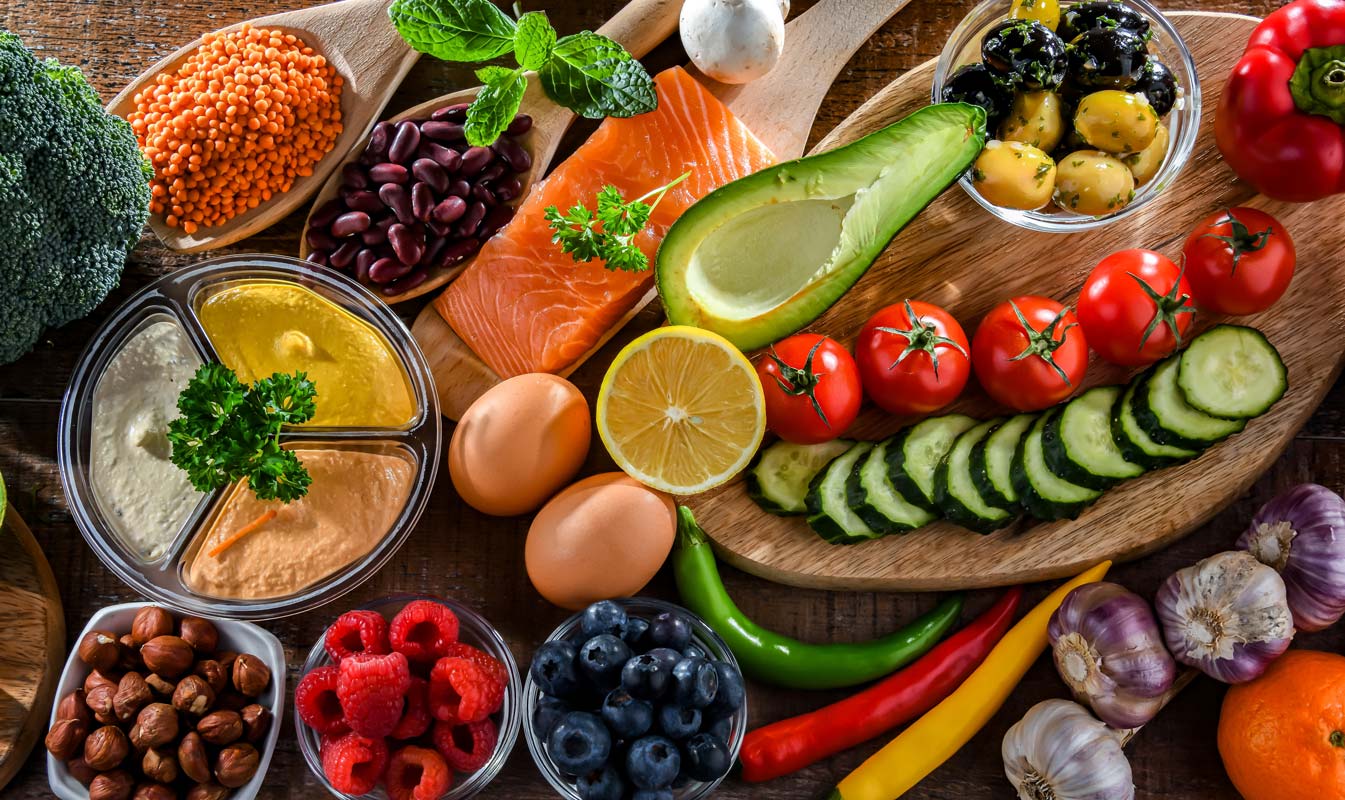
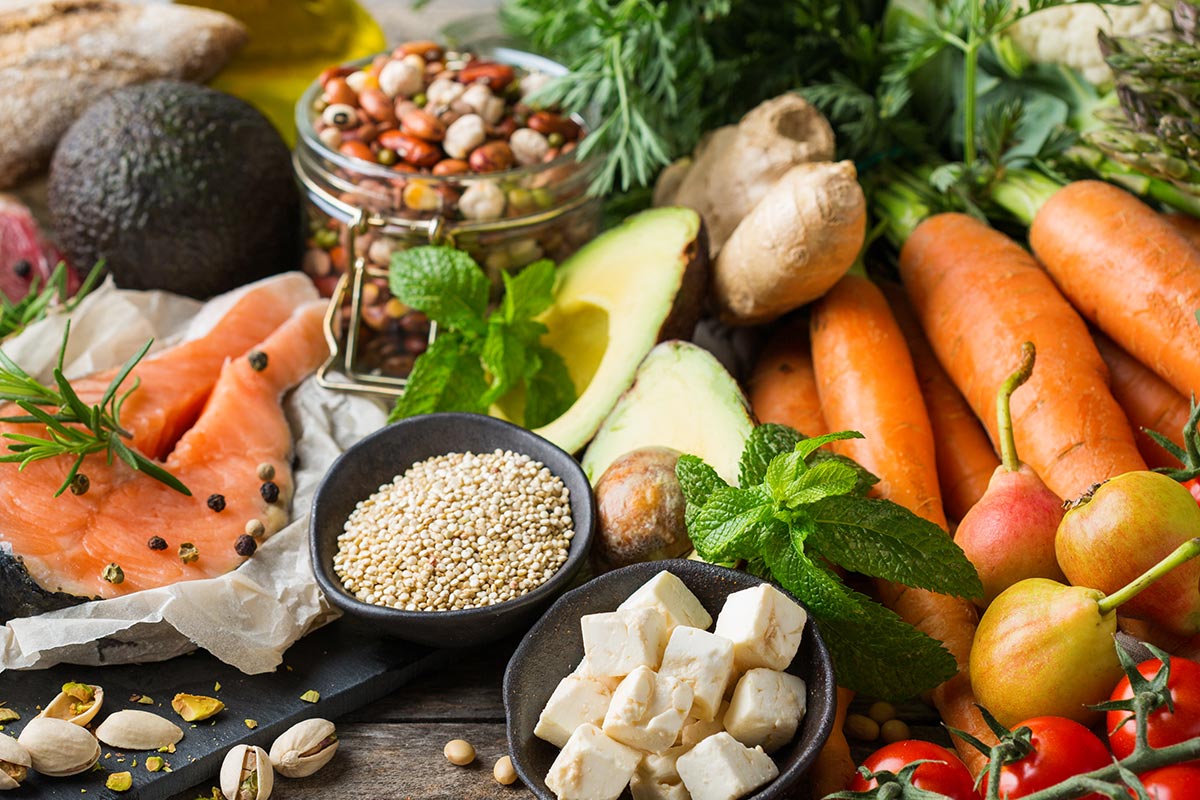
Foods and portions to eat every day: 1/2 to 1 cup green leafy vegetables, 1/2 cup other vegetables, 2 tablespoons extra virgin olive oil, and three 1-ounce servings of whole grains.
Foods and portions to eat over the course of each week: 5 ounces nuts, 2-1/2 cups berries, 1-1/2 cups legumes, two 3-to-5-ounce servings of skinless poultry, and 3-to-5 ounces fish.
Foods to limit to these weekly totals: three or fewer 3-to-5-ounce servings of red and processed meats, 1 ounce whole-fat cheese, 1 fried or fast food, and 4 sweet servings. If desired, no more than 1 teaspoon of butter or stick of margarine a day.
Get More Recipes In Your Inbox!