Background: Cognitive decline—worsening memory and more frequent memory loss or confusion—affects 10% of all US adults aged 45 and older. Incidence is higher—11.4%—among Hispanic and Latino Americans. In some cases, cognitive decline may be an early sign of dementia.
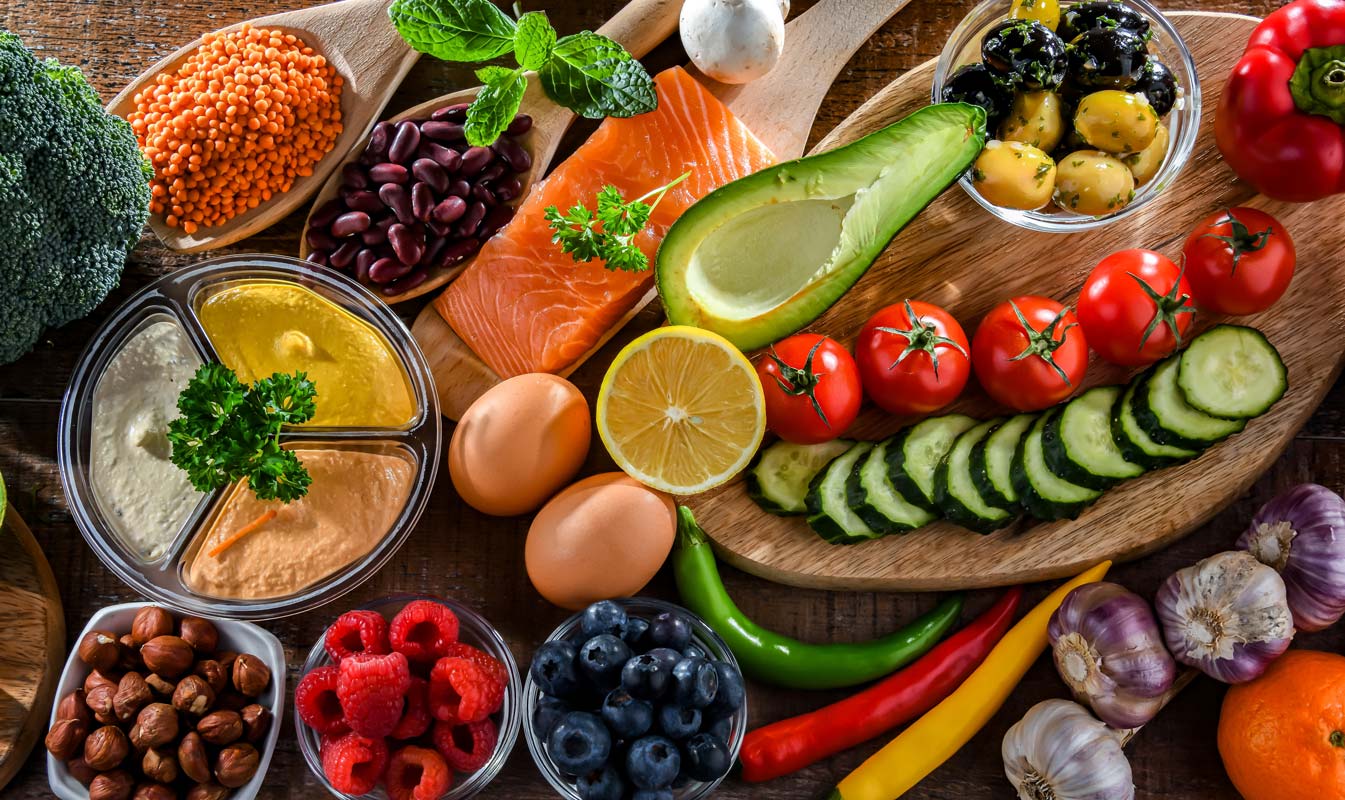
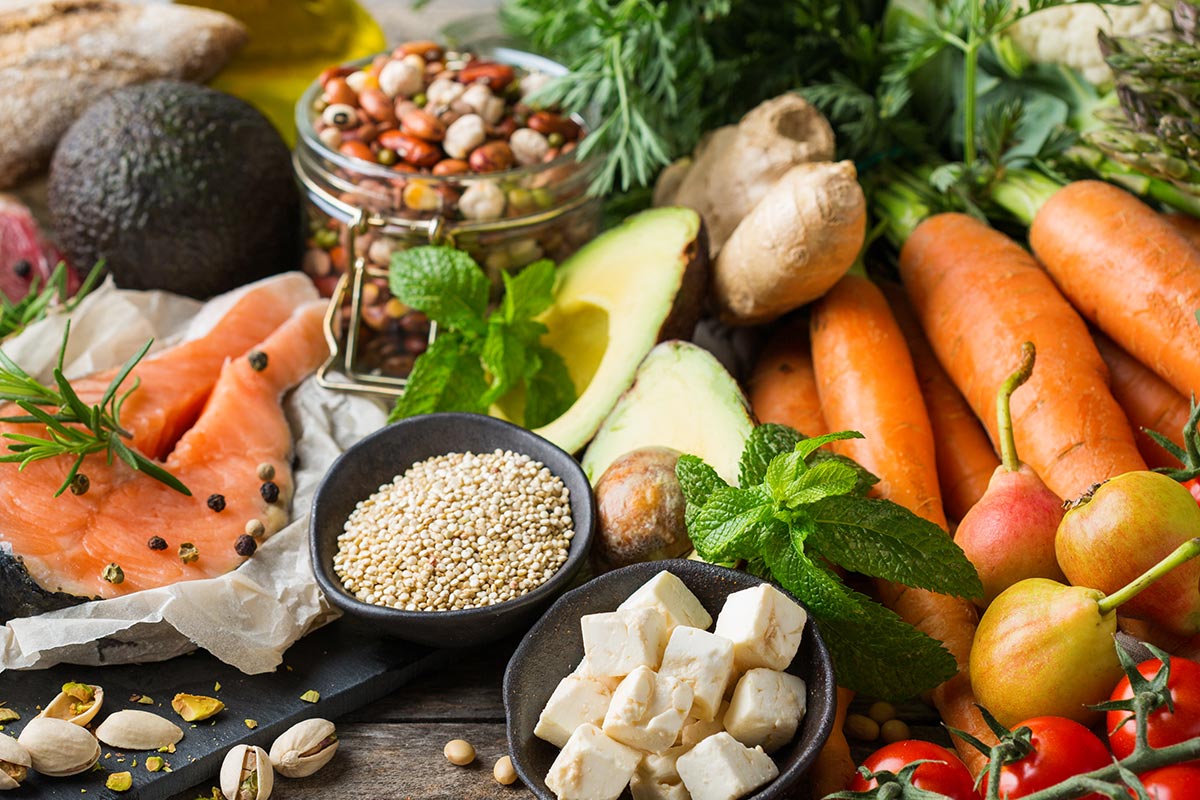
Close adherence to the Mediterranean diet (MeDi) is associated with a reduced risk of dementia and cognitive decline. The MeDi emphasizes fresh fruits, vegetables, whole grains, beans, legumes, nuts, low to moderate amounts of dairy, eggs, fish, and poultry, and olive oil as the primary fat source.
Researchers have attributed the MeDi’s brain benefits to its cardiovascular effects, such as lower blood pressure, reduced diabetes risk, and improvements in blood vessel function and cholesterol levels. The first large-scale study of the MeDi in Hispanic and Latino Americans investigated whether the MeDi’s brain benefits are independent of its cardiovascular effects.
Preliminary findings from this 10-year study of 2,774 participants (44% men, 56% women; average age 64 at follow-up) were presented at the recent conference of the American Stroke Association, February 5–7, 2025.
Methods: At an initial visit, each participant reported their food intake during the previous 24 hours and received a score (0 to 9), indicating how closely their diet corresponded to the MeDi. Average MeDi score was 5. Ten years after the baseline visit, investigators obtained a brain scan via MRI (magnetic resonance imaging) for each participant.
The main outcome evaluated in the study was white matter integrity (WMI) and volume. The white matter of the brain (as opposed to the gray matter) consists of bundles of nerve fibers that, crucially, communicate information to different parts of the brain. WMI and volume are markers of the strength of those connections in the brain. MRI scans provide clear, detailed cross-sections of the brain, showing white matter and gray matter.
To account for the impact of cardiovascular benefits, the study also asked participants about multiple practices associated with heart health: regular exercise; healthy diet; not smoking; weight maintenance; and maintaining healthy blood pressure, blood sugar, and cholesterol levels.
Results: Participants with higher MeDi scores had stronger connections between regions of the brain (preserved WMI) compared to those with lower MeDi scores. With each point higher in MeDi score, participants’ MRI scans also showed less structural damage to the blood vessels of the brain. After factoring in heart-health practices, the researchers determined that cardiovascular effects alone did not account for all the significant brain benefits of the MeDi.
Conclusion: Eating a Mediterranean-style diet improved brain health and preserved structural integrity in a high-risk population. Even small adjustments in food intake, closer to the MeDi, could help protect against cognitive decline and dementia. The brain benefits of the MeDi extend beyond its well-known cardiovascular effects—more research is needed to identify the brain-protective mechanisms involved.
Pistachio Cake with White Chocolate Cream Recipe, Spotlight on Pistachios, Grinding Nuts, Protecting the Brain, and New Stroke Prevention Guidelines
Looking for a sweet change from that box of chocolates for Valentine’s Day? My cake combines tender pistachio chiffon layers and a rich but not overly sweet cream filling. It’s a showstopper to cap off any celebration. While most of the attention around February 14 is on the heart, I’m sharing important advice for nurturing your brain to stave off two health threats—dementia and stroke.
Pistachio and white chocolate are two luscious ingredients whose unique tastes enhance each other. This cake is not only delicious but can also be up made up to two days in advance. For the white chocolate, choose a brand that’s 35% cacao and in bar or disc form, not chips, which won’t melt smoothly.
Ingredients
For the cake:
4 large eggs
1 cup cake flour
1/2 cup ground unsalted pistachios (see Healthy Ingredient Spotlight and Quick Kitchen Nugget in weekly newsletter)
1/2 teaspoon baking powder
1 cup sugar, divided use
1/2 cup extra virgin olive oil
1 teaspoon vanilla
1/3 cup room-temperature water
1/4 teaspoon fine sea salt
1/2 teaspoon cream of tartar
For the filling and garnish:
4-1/2 ounces white chocolate
1-1/2 cups heavy cream, divided use
2 tablespoons confectioners’ sugar
2 pints raspberries
1/4 cup unsalted pistachios, coarsely chopped
Optional: edible dried rose petals
Directions
Step 1
Make the cake: Separate the yolks from the whites when the eggs are cold and allow them to come to room temperature.
Step 2
Place one of your oven racks in the center of the oven; preheat to 325°F. Line a 17-by-13-inch rimmed sheet pan with parchment paper (do not grease it).
Step 3
In a small bowl, whisk together the flour, ground pistachios, and baking powder; set aside. In a large bowl or the bowl of a stand mixer fitted with the whisk attachment, beat the egg yolks and a 1/2 cup of the sugar at medium speed until pale, about 2 minutes. Mix in the olive oil, vanilla, and water. On low speed, fold in the flour mixture. If you have only one stand mixer bowl, transfer the batter to another bowl and wash the stand mixer bowl and whisk thoroughly—any fat will prevent the egg whites from whipping.
Step 4
In a separate large bowl or the cleaned bowl of the stand mixer fitted with the whisk attachment, beat the egg whites on medium-low speed until foamy, about 30 seconds. Add the salt, cream of tartar, and remaining 1/2 cup sugar. Slowly increase the speed to high and beat until you achieve a glossy meringue that holds firm peaks, 5 to 8 minutes depending on your mixer.
Step 5
Add a 1/4 of the meringue to the batter and mix thoroughly to incorporate (this will lighten it). Add the remaining meringue in 3 batches, gently folding after each addition until only a few streaks of meringue remain (err on the side of undermixing to keep the batter billowy).
Step 6
Transfer the batter to the sheet pan and smooth out with a large offset spatula; be sure to get into the corners of the pan. Bake for 10 minutes, then rotate the sheet pan in the oven for more even baking. Continue baking until the top is golden brown and springs back when gently pressed, 10 to 15 minutes more.
Step 7
Remove the sheet pan from the oven and slide the cake and parchment paper onto a wire rack to cool. After 10 minutes, invert the cake onto another rack and gently peel off the parchment paper. Let the cake cool completely.
Step 8
Make the filling: Melt the white chocolate and a 1/3 cup heavy cream in the microwave in 1-minute increments at power 4 until just about melted. Use a small spatula to stir until completely smooth; let cool to room temperature.
Step 9
Place the rest of the cream in a large bowl or the clean bowl of the stand mixer fitted with the whisk attachment. Whisk until thick, then with the mixer running on low speed, add the cooled melted white chocolate. Increase the speed and whip until peaks form. Chill in the fridge for 15 minutes for easier spreading.
Step 10
While the cream is chilling, trim the edges of the cake. Sprinkle on the confectioners’ sugar and use your hands or a pastry brush to spread it out. Cut the cake into 3 sections, each about 12 inches long and just over 5 inches wide. Rinse the raspberries and pat them dry. Reserve 20 berries and lightly mash the rest in a bowl.
Step 11
To assemble the cake, place one layer on a rectangular serving plate and spread on 1/3 of the filling, then press in half the mashed berries. Repeat with another layer of cake, another 1/3 of the cream, and the rest of the mashed berries. Top with the final cake layer and spread the rest of the cream on top. Garnish with the whole berries, chopped pistachios, and, if desired, rose petals.
Yields 8 servings
Healthy Ingredient Spotlight
Pistachios
With good amounts of protein, fiber, healthy fats, potassium, B vitamins, and assorted phytochemicals, pistachios are great to include in dishes—from baked goods to salads—and make a smart snack.
For baking, choose unsalted pistachios and, to bring out their flavor without losing their green color, toast for just a few minutes at a low temperature. Preheat your oven to 300°F. Place the shelled pistachios on a rimmed sheet pan and into the oven for about 5 minutes. Once the nuts cool down a bit, rub them between your hands to remove some of the skins. Wait until the nuts reach room temperature to grind or chop them as needed for your recipe.
Quick Kitchen Nugget
Grinding Nuts
As with almonds, ground pistachios are easy to make at home in a nut or coffee bean grinder. I prefer a grinder and working in batches to using a food processor, unless the goal is to achieve more of a nut butter. To keep ground pistachios light and powdery for a cake, add nuts until the grinder is about half full and process in spurts. Stop the machine as soon as you no longer hear any chopping noise. It typically takes about 2 ounces of shelled nuts to yield a 1/2 cup of nut flour.
For Your Best Health
Protecting the Brain
A recent study supported by the National Institutes of Health and published in Neurology®, the medical journal of the American Academy of Neurology, looked at a new potential harm of processed and unprocessed red meat: negative impacts on brain health.
“Red meat is high in saturated fat and has been shown in previous studies to increase the risk of type 2 diabetes and heart disease, which are both linked to reduced brain health,” said study author Dong Wang, MD, ScD, of Brigham and Women’s Hospital in Boston. “Our study found processed red meat may increase the risk of cognitive decline and dementia, but the good news is that it also found that replacing it with healthier alternatives, like nuts, fish, and poultry, may reduce a person’s risk.”
The researchers defined processed red meat as bacon, hot dogs, sausages, salami, bologna, and other processed meat products, and unprocessed red meat as beef, pork, lamb, and hamburger. A serving of red meat is 3 ounces, about the size of a deck of cards.
The first part of the research involved 133,771 people with an average age of 49 who did not have dementia at the start of the study. Participants completed a food diary every 2 to 4 years, listing what they ate and how often, enabling the researchers to calculate how much red meat each person ate on average per day. They were followed up to 43 years. Of this group, 11,173 people developed dementia.
To see the effects of processed red meat, they divided the participants into three groups: The low group ate an average of fewer than 0.10 servings per day (think of this as less than 1 serving a week); the medium group ate between 0.10 and 0.24 servings per day (less than 1 to less than 2 servings a week); and the high group, 0.25 or more servings per day (roughly 2 or more servings a week). After adjusting for age, sex, and other risk factors for cognitive decline, researchers found that participants in the high group had a 13% higher risk of developing dementia compared to those in the low group.
To see the effects of unprocessed red meat, they compared people who ate an average of less than half a serving per day to people who ate 1 or more servings per day; they did not find a difference in dementia risk.
The researchers also looked at both subjective cognitive decline and objective cognitive function. Subjective cognitive decline is when a person reports memory and thinking problems before any decline is large enough to show up on standard tests. Objective cognitive function, which can identify decline, is how well your brain works to remember, think, and solve problems. To evaluate meat’s potential effects on subjective cognitive decline, they looked at a different group of 43,966 participants with an average age of 78 who took surveys rating their own memory and thinking skills twice during the study.
After adjusting for age, sex, and other risk factors for cognitive decline, the researchers found that participants who ate an average of 0.25 or more servings per day of processed red meat had a 14% higher risk of subjective cognitive decline compared to those who ate an average of fewer than 0.10 servings per day. They also found people who ate 1 or more servings of unprocessed red meat per day had a 16% higher risk of subjective cognitive decline compared to people who ate less than a 1/2 serving per day.
To evaluate meat’s potential effects on objective cognitive function, the researchers looked at a third group, 17,458 female participants with an average age of 74 who took memory and thinking tests four times during the study.
After adjusting for risk factors, the researchers found that eating more processed red meat was associated with faster brain aging in global cognition with 1.61 years with each additional serving per day and in verbal memory with 1.69 years with each additional serving per day.
Finally, researchers found that replacing 1 serving per day of processed red meat with 1 serving per day of nuts and legumes was associated with a 19% lower risk of dementia and 1.37 fewer years of cognitive aging. Making the same substitution for fish was associated with a 28% lower risk of dementia and replacing with chicken was associated with a 16% lower risk.
“Reducing how much red meat a person eats and replacing it with other protein sources and plant-based options could be included in dietary guidelines to promote cognitive health,” said Dr. Wang.
A limitation of the study was that it primarily looked at white health care professionals, so the results might not be the same for other race, ethnic, and non-binary sex and gender populations. “More research is needed to assess our findings in more diverse groups,” he concluded.
Fitness Flash
New Stroke Prevention Guidelines
Each year, over half a million Americans have a first stroke. According to the American Stroke Association, a division of the American Heart Association, up to 80% of strokes may be preventable. Its “2024 Guideline for the Primary Prevention of Stroke” outlines steps that people and their doctors can take to protect against this devastating brain event, including screening people for stroke risk factors and increasing the public’s awareness and knowledge about healthy lifestyle changes to reduce the risk.
“The most effective way to reduce the occurrence of a stroke and stroke-related death is to prevent the first stroke—referred to as primary prevention,” said the guideline writing group chair, Cheryl D. Bushnell, MD, MHS, FAHA, professor and vice chair of research in the Department of Neurology at Wake Forest University School of Medicine in Winston-Salem, NC. “Some populations have an elevated risk of stroke, whether it be due to genetics, lifestyle, biological factors, and/or social determinants of health, and in some cases, people do not receive appropriate screening to identify their risk.”
The guideline replaces the 2014 version and provides evidence-based recommendations for strategies to support brain health and prevent stroke throughout a person’s life. “This guideline is important because new discoveries have been made since the last update 10 years ago. Understanding which people are at increased risk of a first stroke and providing support to preserve heart and brain health can help prevent a first stroke,” said Dr. Bushnell.
Modifiable risk factors for stroke, such as high blood pressure, overweight and obesity, elevated cholesterol, and elevated blood sugar, can be identified with physical exams and blood tests. These conditions, the guideline states, should be addressed with healthy lifestyle and behavioral changes and may include medications. A new recommendation is to consider GLP-1 receptor agonist medications, which are FDA-approved to reduce the risk of cardiovascular disease in people who are overweight or obese and/or have type 2 diabetes.
The most common lifestyle behaviors that can help reduce stroke risk include healthy nutrition, regular physical activity, avoiding tobacco, getting healthy sleep, being at a healthy weight, controlling cholesterol, and managing blood pressure and blood sugar. The guideline recommends that adults with no prior cardiovascular disease, as well as those with increased risk, follow a Mediterranean dietary plan. Mediterranean dietary programs have been shown to reduce the risk of stroke, especially when nuts and olive oil are eaten.
The guideline also includes some new specific recommendations for women. Health professionals should screen for conditions that can increase a woman’s risk of stroke, including use of oral contraceptives, high blood pressure during pregnancy, other pregnancy complications such as premature birth, endometriosis, premature ovarian failure, and early onset menopause. For instance, treating elevated blood pressure during pregnancy and within six weeks of delivery is recommended to reduce the risk of maternal intracerebral hemorrhage.
“Most strategies that we recommend for preventing stroke will also help reduce the risk of dementia, another serious health condition related to vascular issues in the brain,” said Dr. Bushnell.
According to the American Stroke Association, it’s also important to remember the warning signs of stroke with the acronym FAST: Face drooping, Arm weakness, Speech difficulty, Time to call 911.
Cold Avocado and Cucumber Soup Recipe and The Mediterranean Diet for Longevity
Members of the Fresh-Pressed Olive Oil Club are well aware of the benefits of extra virgin olive oil as part of the world-famous Mediterranean diet. Dozens of studies have assessed its health effects and its link to longevity, most commonly attributed to its improving heart health. But how the Mediterranean diet works its magic hasn’t been thoroughly understood. Investigators from Brigham and Women’s Hospital in Boston recently published the results of a long-term study that helps unravel this mystery. I’m thrilled to share their findings. And to start, here’s a recipe that highlights the plant-based approach that underscores the Mediterranean way of living.
There’s nothing more refreshing than a chilled soup for lunch or dinner during the dog days of summer, especially when there’s no cooking needed. I like to add a different kind of heat with a fresh hot pepper, but you can omit it if you aren’t a fan!
Ingredients
2 pounds cucumbers, about 2-3 large ones
1 small jalapeño, halved and seeded, optional
2 ripe Hass avocados
2 cups plain nonfat Greek yogurt or skyr
3 large scallions, trimmed
3 garlic cloves, peeled
1 cup packed of fresh parsley, dill, and chives
1/4 cup extra virgin olive oil, plus more for drizzling
Optional garnishes: thin slices of avocado, a dollop of yogurt or skyr, more fresh herbs
Directions
Halve the cucumbers lengthwise and use a large spoon to scoop out and discard most of the seeds; leave on the peel. Cut the cucumbers into chunks for easier puréeing. If using the pepper, halve it, scoop out the seeds and veins, and discard them along with the stem. Scoop all the flesh out of the avocados.
Step 2
Working in batches as needed, add the cucumbers, avocados, pepper if using, yogurt, scallions, garlic, herbs, olive oil, water, and vinegar to your food processor bowl or blender and process until puréed—the mixture should be fairly thick. If it’s too thick, add more water, 2 tablespoons at a time, until it’s pourable. Taste and season with salt and pepper as desired. Chill in the fridge for about an hour.
Step 3
To serve, ladle portions into soup bowls or glasses, garnish as desired, and drizzle with more olive oil.
Yields 8 servings
For Your Best Health
The Mediterranean Diet for Longevity
The study: “Mediterranean Diet Adherence and Risk of All-Cause Mortality in Women,” JAMA Network Open,2024.
The health benefits of a Mediterranean diet, on its own and when compared to other healthy ways of eating, are so strong that US dietary guidelines have repeatedly designated it as the healthiest recommended diet. It’s also gotten the nod from many health organizations around the globe, including the American Heart Association, European Society of Cardiology, and Australian National Heart Foundation. While these benefits aren’t in doubt, how it achieves them hasn’t been completely understood. This new study sought to better explain the various ways in which the body responds to the diet—how exactly closely following it lowers mortality risk. What’s more, the more than 25,000 participants were American women. In general, women aren’t included in the same numbers as men in most studies, and regarding research on the Mediterranean diet in particular, most studies have been done in the countries surrounding the Mediterranean Sea, where the diet is more of a way of life than in the US.
For the study, researchers from Brigham and Women’s Hospital, a founding member of the Mass General Brigham healthcare system, followed the women, who were all healthy at the start of the study, for up to 25 years. They found that participants who followed the diet most closely had up to 23% lower risk of all-cause mortality…and found evidence of biological changes to help explain why. They were able to detect and evaluate changes in approximately 40 biomarkers representing various biological pathways and clinical risk factors, both traditional ones and novel ones that hadn’t been used in prior studies. Biomarkers of metabolism and inflammation made the largest contribution, followed by triglyceride-rich lipoproteins, adiposity, and insulin resistance. Smaller contributions were seen from biological pathways relate to branched-chain amino acids, high-density lipoproteins, low-density lipoproteins, glycemic measures, and hypertension.
“For women who want to live longer, our study says watch your diet!,” said senior author Samia Mora, MD, a cardiologist and the director of the Center for Lipid Metabolomics at the Brigham. “The good news is that following a Mediterranean dietary pattern could result in about one quarter reduction in risk of death over more than 25 years with benefit for both cancer and cardiovascular mortality, the top causes of death in women (and men) in the US and globally.”
“Our research provides significant public health insight: Even modest changes in established risk factors for metabolic diseases, particularly those linked to small molecule metabolites, inflammation, triglyceride-rich lipoproteins, obesity, and insulin resistance, can yield substantial long-term benefits from following a Mediterranean diet,” said lead author Shafqat Ahmad, PhD, an associate professor of epidemiology at Uppsala University Sweden and a researcher in the Center for Lipid Metabolomics and the Division of Preventive Medicine at the Brigham. “This finding underscores the potential of encouraging healthier dietary habits to reduce the overall risk of mortality.”
How the Study Was Conducted
At the start of the study, blood samples, biomarker measurements, and dietary information were taken from the participants, who self-reported demographics and filled out a validated food-frequency questionnaire. The data collection period was from April 1993 to January 1996, and data analysis took place from June 2018 to November 2023.
Each participant was given a score for Mediterranean diet adherence, which ranged from 0 to 9. Eating a higher-than-median amount of each of a list of foods—vegetables (excluding potatoes), fruits, nuts, whole grains, legumes, and fish—earned 1 point. So did eating a good ratio of monounsaturated-to-saturated fatty acids such as olive oil compared to butter, a less-than-median amount of red and processed meat, and having an alcohol intake within the range of 5 to 15 grams a day (one 5-ounce glass of wine, a 12-ounce can of regular beer, or 1.5 ounces of liquor). Participants were then categorized into one of three levels: 0-3 or low, 4-5 or intermediate, and 6-9 or high. Women with scores of 6 or greater had a 23% lower relative risk of all-cause mortality than did women who scored 3 or less.
“The health benefits of the Mediterranean diet are recognized by medical professionals, and our study offers insights into why the diet may be so beneficial. Public health policies should promote the healthful dietary attributes of the Mediterranean diet and should discourage unhealthy adaptations,” said Dr. Mora.
Horiatiki Salad Recipe and The MIND Diet for Brain Health: More Benefits of Olive Oil
I’m a huge fan of both Greek and Middle Eastern salads, the ingredients of which are not only delicious but also mainstays of the MIND (Mediterranean-DASH Intervention for Neurodegenerative Delay) diet, a way of eating designed for brain health. It’s an offshoot of the super-healthy Mediterranean diet and the DASH (Dietary Approaches to Stop Hypertension) diet. Why the distinction? Because the latest research on the MIND diet shows it can slow aging as well as reduce dementia risk. Add this to the list of the benefits of olive oil—it’s one of the super foods that MIND suggests including every day.
Crabmeat-Stuffed Flounder Recipe, Spotlight on Canned Crab, Skewers and Toothpicks, “Synbiotics” to Slash Inflammation and Statin Side Effects
This elegant seafood recipe is a crowd pleaser and takes little time to prepare at home. It’s also an excellent source of lean protein. I’m sharing a study on how a unique mix of nutrients can quell systemic inflammation, showing the power of certain foods. Also, for anyone who’s worried about the effects of statins, a new research review found these cholesterol-busters don’t have many of the side effects they’ve been associated with.
Crabmeat-Stuffed Flounder
Healthy Ingredient Spotlight
Canned Crab
Unless you’re buying live crabs to cook yourself, crabmeat comes already cooked, even when it’s labeled fresh and hand-picked. It has a shorter shelf life than canned crabmeat, which is pasteurized. Both should be kept in the fridge. Whereas tub-packed fresh crabmeat should be eaten within a few days of purchase, pasteurized crabmeat will stay fresh in the fridge for up to 1 year, making it extremely versatile—it’s also typically less expensive. Once either is opened, it should be used right away.
Quick Kitchen Nugget
Skewers and Toothpicks
When making food roll-ups, bamboo skewers or toothpicks hold fillings in place, keep the roll-ups tidy, and hold up well in the oven. Bamboo skewers are sturdier than wooden toothpicks and many are designed to look prettier than the average toothpick—important when using them for finger food. Make sure they have one pointy end for easy piercing.
For Your Best Health
“Synbiotics” to Slash Inflammation
A six-week study from the University of Nottingham suggests that pairing kefir with a diverse prebiotic fiber mix may deliver a powerful anti-inflammatory boost. This “synbiotic” combination outperformed omega-3 supplements and fiber alone, leading to the broadest drop in inflammation-related proteins in healthy adults. Participants in the synbiotic group showed lower overall inflammation levels, pointing to improved immune balance and a potentially reduced risk of chronic inflammation-related conditions, like heart disease or other metabolic conditions. The study was published in the Journal of Translational Medicine.
The kefir and fiber blend used in the trial was supplied by Chuckling Goat Ltd. It contains a mix of naturally occurring probiotic bacteria and yeasts created during the traditional fermentation of goat’s milk with live kefir grains. These grains are living cultures that contain dozens of beneficial microbial species.
When kefir, which is rich in live microbes, is paired with diverse prebiotic fiber, the result is a synbiotic effect. The fiber serves as fuel for the beneficial bacteria, allowing them to grow and generate helpful compounds such as butyrate, known for its anti-inflammatory and immune-regulating effects throughout the body.
Future research will examine how these supplements perform in people who already have specific health conditions to better understand their potential benefits. “Our study shows that while all three dietary approaches reduced inflammation, the synbiotic had the most powerful and wide-ranging effects,” said lead author Dr. Amrita Vijay of the School of Medicine at Nottingham. “This suggests that the interaction between beneficial microbes and dietary fiber may be key to supporting immune balance and metabolic health.”
Fitness Flash
Update on Statin Side Effects
A large-scale review done by researchers at the University of Oxford found that statins do not cause the vast majority of side effects listed on their labels. Memory problems, depression, sleep issues, weight gain, and many other symptoms appeared just as often in people taking a placebo. Only a few side effects showed any link to statins, and even those were rare.
Heart disease remains one of the leading causes of death worldwide, responsible for about 20 million deaths each year. Statins are widely prescribed medications that reduce LDL cholesterol and are proven to lower the risk of heart attacks, strokes, and other cardiovascular problems. Despite their strong track record, concerns about possible side effects have led some patients to hesitate or stop treatment.
To better understand the true risks, researchers analyzed data from 23 major randomized studies conducted by the Cholesterol Treatment Trialists’ Collaboration. This included 123,940 participants in 19 trials comparing statins with a placebo, along with 30,724 participants in four trials that compared higher-intensity statin therapy with less intensive treatment.
When the researchers reviewed reports of side effects, they found that people taking statins reported nearly the same rates of most symptoms as those taking a placebo. For instance, yearly reports of cognitive or memory problems were 0.2% among statin users and 0.2% among those on placebo. In other words, while some people may experience these symptoms during treatment, the evidence does not show that statins are the cause.
The analysis found no meaningful excess of memory loss or dementia, depression, sleep problems, erectile dysfunction, weight gain, nausea, fatigue, headache, or many other commonly cited concerns. There was a small rise of about 0.1% in abnormal liver blood test results among people taking statins. However, this did not translate into higher rates of serious liver conditions such as hepatitis or liver failure. This suggests that these mild blood test changes typically do not lead to more severe liver disease. The researchers also found that statins can slightly raise blood sugar levels, meaning that individuals already at high risk for diabetes may develop the condition somewhat sooner.
Earlier research from the same team showed that most muscle symptoms reported by patients were not caused by statins. Only about 1% of people experienced muscle symptoms attributable to statin therapy during the first year of use, with no additional excess risk after that. Christina Reith, associate professor at Oxford Population Health and lead author of the study, said, “Statins are life-saving drugs used by hundreds of millions of people over the past 30 years. However, concerns about the safety of statins have deterred many people who are at risk of severe disability or death from a heart attack or stroke. Our study provides reassurance that, for most people, the risk of side effects is greatly outweighed by the benefits of statins.”
Flounder stuffed with crabmeat is a seafood lover’s dream and my stuffing recipe ticks all the boxes for many specialty diets since I skip the traditional breadcrumbs.
Ingredients
For the crabmeat stuffing:
2 tablespoons extra virgin olive oil, plus more for the sheet pan and drizzling
Preheat your oven to 400°F. Line a rimmed sheet pan with parchment paper and brush the parchment lightly with olive oil; set aside.
Step 2
Heat a sauté pan over medium-high. When hot, add the 2 tablespoons olive oil, onions, bell pepper, celery, and garlic. Sauté until the vegetables are soft, about 10 minutes. Transfer to a large bowl and let cool slightly. Then add in the rest of the stuffing ingredients and mix well.
Step 3
Make the roll-ups one at a time directly on the parchment-lined sheet pan to avoid having to transfer them. Place one fillet flat side up at one end of the pan. Scoop 1/4 of the crab mix and place it on the fillet about 2 inches in from the thinner end. Flip that end over the stuffing and roll up the fillet. Secure with a bamboo skewer. Repeat with the remaining fillets. Sprinkle with the paprika, salt, and pepper and drizzle with olive oil.
Step 4
Bake for 15 minutes, then check to see if the flounder is opaque and firm to the touch. If needed, bake for another 3 to 5 minutes.
Asparagus Milanese Style Recipe, Spotlight on Asparagus, When to “Close” the Kitchen for the Night and Exercising to Avoid Alzheimer’s
A sure sign of spring is the bundles of asparagus available at farmers’ markets and the produce aisle at your grocery store. I’m sharing a delicious way to enjoy them with a luscious one-pan prep. This issue’s research news offers food for thought: first, the advantages of not eating in the hours before bed for metabolic health and second, the benefits of exercise for brain health.
Asparagus in the Milanese Style
Healthy Ingredient Spotlight
Choosing Asparagus
For decades, a debate has raged over what’s tastier, thin or thick asparagus. Surprisingly, according to agricultural experts at Penn State, spears that are larger than half an inch in diameter are more tender and higher in soluble fiber and vitamins than thinner spears. What’s more, marketing thin asparagus as “gourmet” stemmed from the fact that farmers wanted to sell their crops after two rather than three years to stimulate the plant to produce spears faster. At the same time, the shift prompted professional chefs to prefer the visual appeal of thinner spears. Of course, the most important factor is freshness—whichever you choose, look for tips that are tightly closed and stems that are not shriveled. Because asparagus loses moisture fast, aim to use it the day you buy it.
Quick Kitchen Nugget
Prepping Asparagus
Many recipes call for a rack to be placed in the roasting pan to elevate a leg of lamb, turkey, or rib roast, to name a few examples. This allows the oven’s heat to reach (and brown) the entire surface of the food. Clean up can be made easier by first lining the roasting pan with foil, and the rack prevents the meat from touching the foil while it cooks. Putting about an inch of water in the bottom of the pan is done to create steam, which keeps the meat moist and prevents the drippings from burning and negatively affecting the taste of the meat.
For Your Best Health
When to “Close” the Kitchen for the Night
A simple shift in your evening routine may give your heart a measurable boost. Researchers at Northwestern Medicine explored whether timing an overnight fast to match a person’s natural sleep-wake cycle could improve heart and metabolic health. The circadian rhythm plays a central role in regulating cardiovascular and metabolic function. For the study, participants did not reduce calories. The focus was entirely on adjusting when they ate.
The scientists found that middle-aged and older adults at elevated risk for cardiometabolic disease benefited from extending their overnight fasting window by roughly two hours and avoiding food and dimming their lights for three hours before going to sleep. These changes led to measurable improvements in heart and metabolic markers during sleep and throughout the following day.
“Timing our fasting window to work with the body’s natural wake-sleep rhythms can improve the coordination between the heart, metabolism, and sleep, all of which work together to protect cardiovascular health,” said first author Daniela Grimaldi, PhD, research associate professor of neurology in the division of sleep medicine at Northwestern University Feinberg School of Medicine.
“It’s not only how much and what you eat, but also when you eat relative to sleep that is important for the physiological benefits of time-restricted eating,” said corresponding author Phyllis Zee, MD, PhD, director of the Center for Circadian and Sleep Medicine and chief of sleep medicine in the department of neurology at Feinberg.
Time-restricted eating has grown in popularity because studies suggest it can improve cardiometabolic markers and sometimes match the benefits of traditional calorie-restricted diets. However, most research has concentrated on how long people fast rather than how well that fasting window aligns with sleep timing, which is crucial for metabolic regulation.
With nearly 90% adherence in this trial, the researchers believe anchoring time-restricted eating to the sleep period may be a realistic and accessible non-pharmacological approach, especially for middle-aged and older adults who face higher cardiometabolic risk. The team plans to refine this protocol and expand testing in larger multicenter trials.
Fitness Flash
Exercising to Avoid Alzheimer’s
Researchers at UC San Francisco have identified a biological process that may explain why exercise sharpens thinking and memory. The discovery points to a surprising body-to-brain pathway that could inspire new Alzheimer’s disease therapies.
As people grow older, the blood-brain barrier becomes more fragile. This tightly packed network of blood vessels normally shields the brain from harmful substances circulating in the bloodstream. Over time, however, it can become leaky, allowing damaging compounds to enter brain tissue. The result is inflammation, which is linked to cognitive decline and is commonly seen in disorders such as Alzheimer’s disease.
The researchers found that physical activity prompts the liver to release an enzyme called GPLD1. GPLD1 removes a harmful protein responsible for the blood-brain barrier becoming leaky with age, strengthening the brain’s built-in defense system, and helping protect it from age-related damage. Research using older mice showed that dialing down this protein reduced inflammation and improved memory.
This study builds on the research team’s early discovery that mice that exercised produced higher levels of GPLD1 in their livers. GPLD1 appeared to rejuvenate the brain, but there was a mystery. The enzyme itself cannot cross into the brain, leaving scientists unsure how it delivered its cognitive benefits. The new research provides an answer. It turns out that GPLD1 influences another protein known as TNAP. As mice age, TNAP builds up in the cells that form the blood-brain barrier. This buildup weakens the barrier and increases leakiness. When mice exercise and their livers release GPLD1 into the bloodstream, the enzyme travels to the blood vessels surrounding the brain and removes TNAP from the surface of those cells, helping restore the barrier’s integrity.
“This discovery shows just how relevant the body is for understanding how the brain declines with age,” said Saul Villeda, PhD, associate director of the UCSF Bakar Aging Research Institute and senior author of the paper.
The findings suggest that developing medications capable of trimming proteins such as TNAP could offer a new strategy to restore the blood-brain barrier, even after it has been weakened by aging. “We’re uncovering biology that Alzheimer’s research has largely overlooked,” Dr. Villeda said. “It may open new therapeutic possibilities beyond the traditional strategies that focus almost exclusively on the brain.”
Asparagus is so symbolic of spring. And while a simple dish like marinated asparagus is a great way to enjoy it, this recipe turns a side into a satisfying meal for breakfast, brunch, or even a light dinner. For a heartier meal, double the eggs. I especially love the richness of sautéing the spears in EVOO as well as some butter.
Ingredients
4 tablespoons extra virgin olive oil, divided use, plus more for drizzling
3/4 cup freshly grated Parmigiano-Reggiano cheese, plus more to garnish
2 large eggs
Directions
Step 1
Heat a large frying pan or skillet until hot, then add 2 tablespoons olive oil and the butter. Sauté the asparagus, rotating the spears frequently, until tender, about 5 minutes. Season liberally with salt and pepper. Cover the pan with a lid to steam them for 2 minutes more. Divide the spears between two plates and top with equal amounts of grated cheese.
Step 2
Reheat the pan to medium-high, then add the remaining 2 tablespoons olive oil. Once the oil starts to shimmer, add the eggs, one at a time, keeping them as separate as possible—you can crack them right into the pan or into a small bowl, then pour into the pan.
Step 3
Cook the eggs for 2 minutes until the whites turn opaque and develop crisp, brown edges. Use an offset spatula to center an egg over the asparagus on each plate. Spoon the olive oil from the pan over the top, drizzle with more olive oil, and sprinkle on more cheese as desired. Serve immediately.
Roasted Leg of Lamb Recipe, Spotlight on Dijon Mustard, The Role of the Roasting Pan Rack, A New Opinion on Intermittent Fasting and Understanding Nearsightedness Causes
Holidays are a great occasion for families to get together, and a roasted leg of lamb makes a spectacular—and tasty—centerpiece. Here’s everything you need to know. You’ll also find interesting research showing that intermittent fasting, a popular diet trend, might not be as effective as early studies indicated. Finally, scientists suggest that some habits within our control may be responsible for skyrocketing cases of nearsightedness.
Roasted Leg of Lamb
Healthy Ingredient Spotlight
Dijon Mustard
Named for the French city in Burgundy where it was created, Dijon mustard is not only a staple of French cooking but also of cuisines around the world. Dijon mustard is a delicious blend of brown or black mustard seeds, white wine and/or white wine vinegar, salt and spices, with variations from brand to brand, notably Maille and Grey Poupon. Classic Dijon is a pale yellow-brown and completely smooth and creamy. (Those with visible seeds and a coarse texture are often milder.) An essential in vinaigrettes and as a sandwich spread, Dijon makes a great addition to marinades and sauces.
Quick Kitchen Nugget
The Role of the Roasting Pan Rack
Many recipes call for a rack to be placed in the roasting pan to elevate a leg of lamb, turkey, or rib roast, to name a few examples. This allows the oven’s heat to reach (and brown) the entire surface of the food. Clean up can be made easier by first lining the roasting pan with foil, and the rack prevents the meat from touching the foil while it cooks. Putting about an inch of water in the bottom of the pan is done to create steam, which keeps the meat moist and prevents the drippings from burning and negatively affecting the taste of the meat.
For Your Best Health
A New Opinion on Intermittent Fasting
Over the past decade, numerous studies on intermittent fasting sparked new hope for people whose other weight-loss efforts weren’t as successful as desired. But a new major research review suggests the reality may not live up to the hype and that intermittent fasting does not produce significantly more weight loss than standard diet advice or even no structured plan at all. The findings challenge the widespread belief that changing when you eat leads to better weight-loss results than other approaches.
The researchers examined data from 22 randomized clinical trials involving 1,995 adults in North America, Europe, China, Australia, and South America. The trials tested different fasting methods, including alternate-day fasting, periodic fasting, and time-restricted feeding. Most followed participants for up to one year.
When compared with conventional diet advice or no intervention, intermittent fasting did not produce a clinically meaningful difference in weight loss. In practical terms, fasting schedules did not outperform more traditional guidance or doing nothing specific.
Researchers also noted that side effects were not consistently reported across studies, making it difficult to fully assess potential risks. Since many of the trials examined were small and uneven in their reporting, the overall evidence base remains limited.
“Intermittent fasting just doesn’t seem to work for overweight or obese adults trying to lose weight,” said Luis Garegnani, PhD, lead author of the review from the Universidad Hospital Italiano de Buenos Aires Cochrane Associate Centre. “Intermittent fasting may be a reasonable option for some people, but the current evidence doesn’t justify the enthusiasm we see on social media.”
Another concern is the lack of long-term research. Few studies have examined how well intermittent fasting works over extended periods. “Obesity is a chronic condition. Short-term trials make it difficult to guide long-term decision-making for patients and clinicians,” Dr. Garegnani added.
“With the current evidence available, it’s hard to make a general recommendation,” said Eva Madrid, the study’s senior author. “Doctors will need to take a case-by-case approach when advising an overweight adult on losing weight.”
Fitness Flash
Understanding Nearsightedness Causes
For years, the sharp rise in myopia, or nearsightedness, has largely been blamed on growing screen use, particularly among children and young adults. However, new research from scientists at the SUNY College of Optometry suggests the explanation may be more nuanced. Their study proposes that myopia may be influenced less by screens themselves and more by a common indoor behavior: extended close-up focusing in dim lighting, which reduces the amount of light reaching the retina.
“Myopia has reached near-epidemic levels worldwide, yet we still don’t fully understand why,” said Jose-Manuel Alonso, MD, PhD, SUNY Distinguished Professor and senior author of the study. “Our findings suggest that a common underlying factor may be how much light reaches the retina during sustained near work, particularly indoors.”
Myopia causes distant objects to appear blurry and has become increasingly common around the globe. It now affects nearly 50% of young adults in the United States and Europe and close to 90% in parts of East Asia. Although genetics contribute to risk, the rapid rise over just a few generations points strongly to environmental influences.
In laboratory research, myopia can be triggered in animal models through visual deprivation or the use of negative lenses, and these two methods are believed to involve different neuronal pathways. Doctors also slow myopia progression using multiple strategies that likely act through separate biological mechanisms such as multifocal lenses, ophthalmic atropine, contrast reduction, and promoting time outdoors. The researchers now suggest there may be a single neuronal explanation that connects these different methods of both inducing and controlling myopia.
This new hypothesis attempts to solve a long-standing question in vision science: Why do such varied factors, from close-up work and dim indoor lighting to treatments like atropine drops, multifocal lenses, and increased time outdoors, all seem to affect how myopia progresses?
“In bright outdoor light, the pupil constricts to protect the eye while still allowing ample light to reach the retina,” explained Urusha Maharjan, a SUNY Optometry doctoral student who conducted the study. “When people focus on close objects indoors, such as phones, tablets, or books, the pupil can also constrict, not because of brightness, but to sharpen the image. In dim lighting, this combination may significantly reduce retinal illumination.”
Under this proposed mechanism, myopia may develop when insufficient light reaches the retina during sustained close-up work in low-light settings. If lighting is too dim and the pupil narrows excessively at short viewing distances, retinal activity may not be strong enough to support normal visual development. In contrast, exposure to bright light allows the pupil to constrict in response to brightness rather than focusing distance, helping maintain healthier retinal stimulation.
The study also found that negative lenses decrease retinal illumination by causing the pupil to narrow through accommodation. This narrowing intensifies when viewing distance is shortened or when overly strong negative lenses are worn. It becomes even more pronounced when accommodation is sustained for prolonged periods of time and increases further once the eye has already become myopic. The researchers also observed additional disruptions in eye turning during accommodation and reduced effectiveness of eye blinks in triggering pupil constriction in myopic eyes. If validated, this proposed mechanism could significantly change how scientists and clinicians think about myopia progression.
“This is not a final answer,” Dr. Alonso emphasized. “But the study offers a testable hypothesis that reframes how visual habits, lighting, and eye focusing interact. It’s a hypothesis grounded in measurable physiology that brings together many pieces of existing evidence. More research is needed, but it gives us a new way to think about prevention and treatment.”
If you have a butcher where you shop, ask them to prep the leg for you by removing the fell to skip this step. If not, follow the directions below. Overnight marination deepens the flavor of this traditional holiday meal. Serve with fresh spring vegetables and new potatoes.
Ingredients
1 bone-in leg of lamb, between 7 and 8 pounds
For the marinade:
6 garlic cloves
2 teaspoons coarse sea salt
1 teaspoon freshly ground black pepper
2 tablespoons whole grain Dijon mustard
6 tablespoons extra virgin olive oil, plus more for the cooking rack
Juice of 1 lemon
1 tablespoon fresh rosemary or 1 teaspoon dried rosemary needles
Directions
Step 1
Prep the lamb by removing the fell, the thin membrane overlaying the meat: Place the tip of a sharp thin knife under it at one end to lift it, then tug to pull it away. Trim most of the visible fat but leave a very thin layer in place—this adds to the flavor of the cooked meat. Next, use a paring knife to make uniform 1/2” slits in the meaty parts of the leg. Transfer to a platter.
Step 2
Mince the garlic cloves in a mini chopper, then add the rest of the ingredients and process until smooth. Slather the mixture on the lamb, working it into the slits. Tightly cover the leg with parchment paper, place in a plastic bag, and refrigerate overnight.
Step 3
Set your oven to 400°F. For easy cleanup, line your roasting pan with foil. Place a V-shaped rack in the pan and brush it lightly with olive oil. Place the lamb on the rack, then fill the bottom of the pan with 1/4” water. Place in the oven and roast for 15 minutes. Without opening the oven door, reduce the temperature to 350°F. Continue roasting until an instant-read thermometer inserted in the meatiest part of the leg reaches between 130°F and 135°F, about 20 minutes per pound of lamb.
Step 4
Out of the oven, let the lamb rest for 15 minutes before slicing.
Stroke ranks as the second-leading cause of death worldwide as well as the third-leading cause of death and disability combined.1 Women have a greater lifetime risk of stroke than men—in part because women live longer, on average, than men do, and because stroke risk in women rises sharply after menopause.2
A substantial body of evidence shows that the Mediterranean Diet (MeDi) reduces stroke risk in both women and men, but little has been published on the MeDi’s effects by stroke type in women.3 In the US, about 80% of strokes are ischemic—a clot blocks blood flow to or within the brain—and the remainder are hemorrhagic, in which a blood vessel in the brain ruptures and bleeds.4
The journal Neurology Open Access recently published an analysis of data from the California Teachers Study (CTS), which followed more than 130,000 women for more than 25 years, starting in 1995.3 This analysis excluded those with a history of stroke or with missing dietary data, for a total cohort of 105,614 women. Average age at the study’s outset was 52.3
At the start of the study, participants answered a validated dietary questionnaire that asked how often they consumed 103 food and beverage items/groups during the previous year, and in what quantities (small, medium, large serving size). Responses were converted to a score that reflected adherence to the Mediterranean Diet (MeDi), ranging from 0 to 9. Participants were stratified by MeDi scores into low (0–2), moderate (3–5), and high (6–9) MeDi adherence groups: 12.5% low, 57.5% moderate, 30% high.3
MeDi is typically characterized by high intake of fruits and vegetables, legumes, and whole grains, with olive oil as the primary source of fat; a moderate intake of fish; and minimal intake of meat and dairy products. Some versions of the MeDi include moderate alcohol consumption.3
During the 25 years of follow-up, the CTS study population experienced a total of 4,083 stroke events: 3,358 ischemic and 725 hemorrhagic.3
Participants with high adherence to the MeDi had a 23% lower overall stroke risk compared with the low-adherence group. When results were adjusted for patient characteristics, including smoking, BMI, and demographics, overall stroke risk was still reduced by 18% with high adherence to the MeDi. Even a one-unit increase in MeDi adherence was associated with a significant decrease in stroke risk.3
When analyzed by stroke subtypes, higher adherence to the MeDi resulted in a significant decrease in stroke risk for ischemic stroke as well as for hemorrhagic stroke. This effect was seen across premenopausal, menopausal, and postmenopausal women in the study, including participants taking hormone treatment.3
This study, with strengths including a large population, long-range follow-up, and analysis by stroke subtype, adds to the body of evidence of the preventative health benefits of the MeDi and helps identify dietary choices that can help reduce stroke risk in women.3
References:1. Feigin VL, Brainin M, Norrving B, et al. World Stroke Organization (WSO): Global stroke fact sheet 2022 [published correction appears in Int J Stroke. 2022;17(4):478. doi:10.1177/17474930221080343]. Int J Stroke. 2022;17(1):18–29. 2. Rexrode KM, Madsen TE, Yu, AYX, Carcel C, Lichtman JH, Miller EC. The impact of sex and gender on stroke. Circulation Res. 2022;130(4):512-528. 3. Sherzai AZ, Cuble EL, Spielfogel ES, et al. Mediterranean diet and the risk of stroke subtypes in women. Neurol Open Access. 2026;2:e000062. 4. Prabhakaran S, Gonzales NR, Zachrison KS, et al. 2026 guideline for the early management of patients with acute ischemic stroke. Stroke. 2026; doi:10.1161/STR.0000000000000513. Online ahead of print.
Smoked Salmon Rolls Recipe, Spotlight on Smoked Salmon, What Matters More Than Low Carb or Low Fat, and Exercise, a Powerful Treatment for Depression and Anxiety
Love smoked salmon but tired of the usual bagel routine? These rollups are a snap to make and look oh so elegant! I’m also sharing an in-depth report on what makes for a better low-fat or low-carb diet when it comes to heart health. Plus, read on to learn how exercise could be an even greater game changer for anxiety and depression than previously thought.
Smoked Salmon Rolls
Healthy Ingredient Spotlight
Smoked Salmon Varieties
Beyond traditional smoked salmon, you can now find amazing flavor varieties, such as pastrami style, everything bagel, and even Korean BBQ, from purveyors like Acme Smoked Fish and Barney Greengrass. Some are available in specialty food stores as well as online. Experiment to see what you like best!
Quick Kitchen Nugget
Freezing Smoked Salmon
You might not know that smoked salmon freezes beautifully, meaning that you can always have some on hand. The key is to freeze it as soon as you buy it to retain its freshness. You can defrost it overnight in the fridge or on the countertop in under an hour.
For Your Best Health
What Matters More Than Low Carb or Low Fat
Published in JACC, the flagship journal of the American College of Cardiology, a decades-long study of nearly 200,000 adults challenges the low-carb versus low-fat debate. Both eating patterns were tied to lower risk of coronary heart disease (CHD) but only when they focused on nutrient-dense wholesome foods. In contrast, versions built around refined carbohydrates and animal products were associated with higher CHD risk and less-favorable metabolic health markers.
Low-carbohydrate and low-fat eating plans are very common, yet scientists have not fully understood their long-term effects on heart health, especially when considering the quality of foods included in each pattern. This research stands out as one of the largest and most detailed investigations to date, examining participants’ diet quality, metabolomic data, and CHD risk over more than 30 years.
“Our findings highlighted that it’s not simply about cutting carbs or fat, but it’s about the quality of foods people choose to construct those diets,” said Zhiyuan Wu, PhD, a postdoctoral research fellow at the Harvard T. H. Chan School of Public Health and lead author of the study. “The efficacy of low-carb and low-fat diets in reducing CHD risk is a topic of ongoing debate, and past studies showed mixed findings.”
Dr. Wu noted that earlier research may have produced conflicting results because people can follow a low-carb or low-fat diet in very different ways. Some prioritize vegetables, whole grains, and healthy fats, while others rely more heavily on refined grains, processed foods, and animal-based fats. “Focusing only on nutrient compositions but not food quality may not lead to health benefits,” he said.
The researchers’ analysis also revealed that higher-quality diets were associated with lower triglyceride levels, higher HDL cholesterol, and reduced inflammation. “These results suggest that healthy low-carbohydrate and low-fat diets may share common biological pathways that improve cardiovascular health,” Dr. Wu said. “Focusing on overall diet quality may offer flexibility for individuals to choose eating patterns that align with their preferences while still supporting heart health.”
The researchers cautioned that the findings may not apply to more extreme dietary approaches and that the results should be interpreted within the ranges of macronutrient intake observed in the study. In addition, dietary information was self-reported, which can introduce measurement error. Because participants were health professionals with generally higher health awareness and better access to care, the findings may not fully represent the general population, although the biological mechanisms involved are unlikely to differ substantially.
“This study helps move the conversation beyond the long-standing debate over low-carbohydrate versus low-fat diets,” said Harlan M. Krumholz, MD, editor in chief of JACC. “The findings show that what matters most for heart health is the quality of the foods people eat. Whether a diet is lower in carbohydrates or fat, emphasizing plant-based foods, whole grains, and healthy fats is associated with better cardiovascular outcomes.”
Fitness Flash
Exercise: Powerful Treatment for Depression and Anxiety
A sweeping review of global research published online in the British Journal of Sports Medicinesuggests that exercise, especially aerobic activities like running, swimming, and dancing, can be one of the most powerful ways to ease depression and anxiety. Across tens of thousands of people aged 10 to 90, exercise consistently reduced symptoms, often matching or even outperforming medication and talk therapy. There are particularly strong benefits for young adults and new mothers. The analysis found that exercise done in supervised or group settings may provide the greatest benefit for people with depression. For anxiety, shorter programs lasting up to eight weeks and involving lower-intensity activity may be most helpful. These effects were seen regardless of age or sex.
Depression and anxiety impact as many as 1 in 4 people globally, with young people and women experiencing the highest rates, according to the researchers. Earlier studies have already suggested that physical activity compares favorably with psychotherapy and medication for reducing symptoms. Still, important questions remained. It had not been fully understood how exercise works across different age groups, levels of intensity, or frequencies. In addition, many previous large reviews focused only on adults or included participants with other health conditions that could influence outcomes.
To address these gaps, the researchers set out to evaluate how exercise affects depression and anxiety across the entire lifespan. They also examined whether factors such as exercise type, duration, frequency, intensity, and supervision, and whether it was performed individually or in groups, influenced results.
The team searched research databases for pooled data analyses of randomized controlled trials published in English through July 2025. These trials compared structured exercise programs with other activities, a placebo, or no active treatment. Eligible studies involved planned, structured, repetitive, and purposeful physical activity intended to improve physical and mental health. All types of exercise were included, across different intensities, frequencies, and settings (individual or group).
All exercise formats were linked to improvements in mental health. For depression, aerobic activity, especially when delivered in supervised or group settings, produced the largest benefits. For anxiety, aerobic, resistance, mind-body, and mixed-exercise programs, each had a medium-sized positive effect.
The researchers acknowledge several limitations. Definitions of exercise intensity and program length varied across the pooled data analyses. There was also relatively limited pooled data examining exercise effects across every stage of life. Despite all this, they concluded, “This meta-meta-analysis provides robust evidence that exercise effectively reduced depression and anxiety symptoms across all age groups, comparable with, or exceeding, traditional pharmacological or psychological interventions.
“Group and supervised formats gave the most substantial benefits, underscoring the importance of social factors in mental health interventions. With evidence that different characteristics of exercise appear to impact depression and anxiety at varying magnitudes, tailored exercise programs must be prescribed.
“Given the cost effectiveness, accessibility, and additional physical health benefits of exercise, these results underscore the potential for exercise as a first-line intervention, particularly in settings where traditional mental health treatments may be less accessible or acceptable.”
This eye-catching brunch dish gets its zesty taste from marinated cucumbers. Make them a day in advance and you’ll cut prep time to minutes.
Ingredients
For the marinated cucumbers:
1 medium cucumber, unpeeled
1 teaspoon coarse sea salt
1/4 cup chopped red onion
2 teaspoons chopped fresh dill
2 tablespoons extra virgin olive oil
2 teaspoons apple cider vinegar
1 teaspoon sugar
1/4 teaspoon freshly ground black pepper
For the rolls:
8 ounces thinly sliced smoked salmon, each slice about 6″ long
4 ounces whipped cream cheese, at room temperature
2 scallions, coarsely chopped
2 tablespoons, each, white and black sesame seeds
Optional garnish: fresh chives or dill
Directions
Step 1
Use the fine slicing blade of a food processor or the slicing side of a box grater to slice the cucumbers, then cut each round into matchsticks. Place in a strainer over an empty bowl and sprinkle with the coarse salt, using your hands to toss well. Let sit for 30 minutes to “sweat” the cucumbers. Rinse thoroughly to remove excess salt, then pat dry with paper towels.
Step 2
Transfer the cucumbers to a large bowl and add the rest of the marinating ingredients, tossing well. Let marinate on the counter for 1 hour or up to overnight in the fridge.
Step 3
To create the rolls, place a large piece of parchment paper on a cutting board. Arrange the salmon slices lengthwise in an overlapping pattern to create a rectangle that’s roughly 12″ across. Fold the scallions into the cream cheese, then spread over the salmon, using a small offset spatula to make an even layer, leaving a 1″ border. Drain the cucumber slices and place about 3/4 cup of them in a strip across the center of the cream cheese. Slowly roll up the salmon along the side closest to you, using the parchment to help form the roll. Chill the roll for 30 minutes to make slicing easier.
Step 4
Use a serrated knife to cut the roll into 12 pieces. Place the sesame seeds in a small dish and roll the salmon sides of each piece in the seeds. Arrange on a platter and garnish with a small piece of chive or dill as desired. Pass the rest of the cucumbers separately.
Savor Three Vibrant Fresh-Pressed Olive Oils from the Heart of Andalucía
Prized varietals from Spain’s leading artisanal producers, these olive oils feature distinctive aromas and exquisite flavors.
Certified by an independent lab to be 100 percent extra virgin and brimming with healthful polyphenols, this trio has been rushed to you by jet.
Incredibly food-friendly, they will elevate spring’s bounty of vegetables and other seasonal dishes.
In any given quarter, Mother Nature can be the olive growers’ ally or their greatest nemesis. This year, she had knives out for the Iberian Peninsula. With apologies to Professor Henry Higgins in My Fair Lady, the rain in Spain fell mainly in vain, at the wrong time of year. Autumn saw no rain at all, resulting in olives that were more pit than pulp. And when rain did come, it was in a deluge that increased the water content of many olives to 60 percent, compared to the ideal of 50 to 55 percent. Those extra percentage points are enough to negatively skew flavors and aromas.
I knew from the steady stream of weather woes that it was going to be a challenge to create three oils that would live up to Club members’ expectations—not to mention my own! Portugal wasn’t even a contender this season, due to a lackluster harvest. We set our sights solely on Spain.
Getting into the field with Andrés Gálvez, one of the two brothers behind Finca Gálvez, is always a thrill for me. All three of this quarter’s producers have a multitude of groves spread across various microclimates from which to pick and choose. On any given day, olives can be harvested from different areas, with each lending its own aromatic profile to an oil, giving it unique complexity that’s difficult to create in any other way.
Overcoming the Odds
Along with Duccio Morozzo della Rocca, my trusted international olive oil expert, I determined which of Spain’s finest producers were most likely to craft oils that would meet—and hopefully exceed—our standards. Of course, the proof is always in the tasting glass, but early samples gave us confidence. Only the most expertly prepared producers—those who knew how to leverage irrigation, refrigeration, and skill to rise above the challenges—hit our targets for aroma and taste. As Duccio eloquently puts it, “They were able to surf the wave of this season while the others were underwater. Many growers who kept waiting for the best moment to harvest found it never arrived.”
Both Francisco “Paco” Vañó of Castillo de Canena and José and Andrés Gálvez of Finca Gálvez have irrigation systems that help them to adjust the level of water in the olive trees over the course of the long growing season as needed, as well as climate-control systems in their mills to keep the olives at an ideal cold-pressing temperature of 22°C (71°F). Our third chosen producer, García Torres, has groves that are perfectly positioned near the foot of the Sierra Morena mountains, at 700 meters (2300 feet) elevation, which provides natural coolness. As we tasted impressive early samples from these master growers, we knew that we could achieve perfection.
One of the earliest advocates for high-quality Spanisholive oils, Anuncia Carpio Dueñas began her career goingfrom village to village to educate growers, visiting morethan 300 olive mills in one year. Today it’s hard to believethat she had to show millers how inferior olive oil tastedwhen pressed from olives that had fallen to the ground,compared to oil pressed from olives harvested early,plucked from the tree.
In the Presence of Greatness
My Merry Band of Tasters and I often get the opportunity to meet the legends who were instrumental in shaping the rarefied world of ultra-premium olive oil. Most of these elder statesmen are, well, men. It was especially exciting to be introduced to Anuncia Carpio Dueñas while visiting Finca Gálvez. Trained as a biologist at Instituto de la Grasa in Seville, Anuncia has been raising the standards for EVOO in Spain since 1986. A teacher, taster, and mentor, she has spent decades advocating for sensory, or organoleptic, analysis to ensure quality. She helped develop and validate tasting panels and has judged competitions from Europe to Japan, Chile and the US.
She recounted for me that a notable shift in EVOO’s importance occurred in 1992, when, in preparation for an expo in Spain, the government led a campaign focusing on the health benefits of high-quality olive oil, drawing on research about its polyphenols. Then it was off to the ultra-premium races.
Many improvements we now take for granted were influenced by Anuncia, including one that is particularly close to my heart and palate. She noted that the aromas and flavors of Picual were greatly enhanced when it was harvested early. Following her guidance, those producers crafting high-quality Picual commence the harvest much earlier in the season, ending around the time it used to start.
These massive stone windmills are hundreds of years old, bearing quiet witness to epochal changes in human culture. In Cervantes’ Don Quixote, the valiant knight mistook them for giants to vanquish—as for me, they symbolize my annual Iberian mission, the quest for liquid gold for my Club.
Paco describes Anuncia and her colleague Brigida Jiménez Herrera as being “prophets in the desert” when he first started Castillo de Canena more than 20 years ago, helping him achieve his goal of creating premium extra virgin olive oil. Anuncia remains active, though now retired after decades at the Ministry of Agriculture in Jaén, doing tastings, trainings, and advising millers as she campaigns for olive cultivation that honors the landscape and the environment. Anuncia and I are of one mind when it comes to the highest-quality olive oils, and I’m sure you’ll agree that this trio meets that ideal. These are oils you’ll love to lavish on all your favorite foods and seasonal recipes.
Happy drizzling!
T. J. Robinson The Olive Oil Hunter®
This Quarter’s First Selection
Producer: Arbequina, Baeza, Andalucía, Spain
Olive Varieties: Arbequina
Flavor Profile: Mild
I will never forget my first visit to Castillo de Canena, a Renaissance-era castle built by Moors on the ruins of a Roman settlement in the province of Jaén. The year was 2005. I was ushered into a large hall dominated by a “sofa” made of massive slabs of stone. The armrests, I noticed, had concave depressions, worn down by the arms of thousands of visitors over the centuries, who like me, awaited an audience with the castle’s occupant.
If Francisco “Paco” Vañó—occupant of said castle in 2005 and to this day—sounds lord-like, I have misrepresented him: Though a sharp dresser, Paco’s demeanor is quite humble. We had met at the previous summer’s Fancy Food Show in New York City, where he exhibited his olive oils.
Mariela Chova Martínez, quality control manager at Castillo de Canena, explains to me how she evaluates ripening olives and determines when they should be harvested. She is well aware of my preference for early harvest oils and ensures, each year we collaborate, that the mill creates an oil that meets my exacting standards. Longtime Club members will remember many exceptional “vintages” from this multi-award-winning producer, one of only nine to achieve Hall of Famer status in Flos Olei.
Though the family’s been associated with olive oil since George Washington’s time, Paco, his sister Rosa, and their father, Luis, dedicated themselves in 2003 to producing premium extra virgin olive oil. The guide to the planet’s best olive oils, Flos Olei, recently gave Castillo de Canena a perfect score—100 points—for the sixth consecutive year. Castillo de Canena has been inducted into the publication’s exclusive Hall of Fame, one of only nine such producers worldwide.
Paco is a highly respected olive oil authority, known especially for his generosity in sharing his expertise. His oils have delighted Club members for many years. Paco’s father consumes a spoonful every morning and will be 97 in June. Just sayin’.
In addition to producing oils of the highest quality, the family has dedicated itself to sustainability, innovation, and—very important to me—consistency. For years, I have listened to Paco recount the challenges of the harvest, knowing his oils will still be amazing. This year, the olive trees blossomed lushly on the branches’ periphery but not on the inner limbs, creating a deceptive promise of an ample crop. Early predictions were off by about 30 percent, Paco said. Untimely rains bedeviled the harvest. But quality control supervisor Mariela Chova Martínez expertly managed the harvest teams, directing them to the fruit that was at its peak. The resulting Arbequina is wonderful.
One of the highlights of my year is reconnecting with Francisco “Paco” Vañó, one of the world’s most respected olive oil producers. His family’s association with olive oil dates back to 1780. Presciently, Paco, his father, and sister dedicated themselves and their resources in 2003 to producing olive oil of the highest quality for discerning palates like yours, dear Club member. This year’s Arbequina is a standout. I know you’ll enjoy it.
Paco is particularly proud of the fact that his team shares his passion for high-quality olive oil. And of the fact that most of the key players at Castillo de Canena are women (about 90 percent). That is unusual in the world of olive oil, which is generally dominated by men. But women have played pivotal roles in the elevation of olive oil quality. Read more about one of these influential female personalities above.
Though he is modest about his accomplishments, Paco told me he is currently working on a coffee-table book featuring Spain’s many unique contributions to world gastronomy. He will write the chapter on extra virgin olive oil with special enthusiasm.
Speaking of enthusiasm, I am thrilled to share his superlative extra virgin olive oil with you. Check out my personal suggestions for its use below
Impressions and Recommended Food Pairings
This enticing Arbequina is full of personality. On the nose, we appreciated the aromas of golden apple, green banana, and almond, along with scents of wheatgrass, green tomato, Belgian endive, and basil. On the palate, there are notes of lettuce, endive, and fava beans; the nuttiness of almonds and hazelnuts; and the bitterness of escarole. Its beautiful finish has the spiciness of white pepper balanced by the sweetness of fresh mint.
Drizzle it into smoothies, over yogurt, and on salads with fruit and nuts. Create vinaigrettes and the marinade for Andalucían Roast Chicken.* It adds depth to delicate pork and veal entrées, Escabèche with Hake and other mild fin fish, paellas, and Spring Vegetable Medley and roasted vegetables, and is perfect for sweets like ice cream, chiffon cakes, and Baked Churros with Two Sauces.
*See the recipe section below for bolded dishes.
This Quarter’s Second Selection
Producer: Finca Gálvez, Jaén, Andalucía, Spain
Olive Varieties: Picual
Flavor Profile: Medium
Veteran Club members know that I love, love, love Picual—when done right, which can be tricky. (Don’t get me started on “Picual Gone Wrong.”) The ideal expression of Picual that I seek for my Club entails an early harvest of the finest fruit to create an enticingly herbaceous, robust, harmonious oil, redolent of fresh garden herbs and brimming with flavor. Or, as producer José Gálvez describes it, we strive to “transmit the soul of the fruit into the bottle.”
Finca Gálvez, family-run olive groves comprising 18 distinct farms across more than 5,000 acres in the province of Jaén, started producing artisanal EVOO in 1999, as a pioneer on the Spanish ultra-premium scene. I first met brothers José and Andrés Gálvez in 2005, and we collaborated on our first Club selection in 2008. Their oils have been fêted around the globe—the walls of one office are covered entirely in awards—yet the brothers and their talented team are always seeking to improve and innovate.
José (left) and Andrés (right) flank yours truly as we transport a bin of beautiful just-picked olives to the state-of-the-art mill. The Gálvez brothers embarked on their journey to international EVOO excellence in 1999, purchasing two olive farms in the Guadalquivir River Valley. Today, with 18 farms across the region, Finca Gálvez continues to prioritize the work in the field. As José says, “It’s most important to feel the fruit in the olive oil.”
This season bestowed gorgeous fruit on the groves, and José kept me and my Merry Band of Tasters apprised of its progress throughout the growing season. He’s a boots-on-the-ground producer, inspecting the olives regularly from at least two months out so he can identify the exact moment to start harvesting. That moment—what I call “the magic window”—varies from farm to farm. For instance, one farm sits 300 meters (~990 feet) above sea level, while another farm a few miles away sits at higher elevation, in a different microclimate. The variations in topography, soil composition, and sun exposure across the farms produce a broader palette of aromas and flavors in the olives.
José explains, “In the mill, we don’t ‘make’ anything”—the aim of milling is to preserve the liquid gold in its purest form. “We do everything within our control to manage the fruit.” Internationally esteemed agronomist Patricia Cano, in her fifth year with the team, oversees the health of the olive trees on all 18 farms. Irrigation provides another crucial form of control; in this arid region, managing hydration of the trees is impossible with rain alone. The harvest team also tightly controls the intricately choreographed logistics of rushing the just-picked olives to the mill, keeping the fruit cool during transit and upon entry to the mill.
Last year, the Gálvez team incorporated a new cooling machine that chills the olive paste—below the standard temperature for “cold-pressed” oil—as it moves from the crusher to the malaxer, which then separates the oil from pulp and water. José notes “a big difference” with the added cooling, which preserves the roundness, balance, and harmony that make for an exceptionally food-friendly EVOO.
Finca Gálvez sorts the EVOO from each day’s harvest not just by varietal but also by aroma and flavor profile. With this technique, batches of the same varietal, pressed on different days from different microclimates, commingle into a complex and harmonious oil.
I can’t wait for you to taste this exquisite Picual. José speaks from my own heart when he says, simply, “I make oil for the people to enjoy.”
Paco, the former owner of Restaurante Payber, where we’ve shared many tasty meals, joined us to toast the latest delectable collaboration with Finca Gálvez. We devoured succulent jámon Ibérico, gambas al ajillo (garlic shrimp), steamed clams, fresh tomatoes with olives and peppers, and my favorite: gambas rebozadas (shrimp fried in EVOO).
Impressions and Recommended Food Pairings
This Picual leads with a symphony of green grassy notes, such as Tuscan kale, arugula, and tomato leaf, followed by the sweet aromas of fennel and pear, and a cornucopia of chopped culinary herbs, notably rosemary, oregano, and thyme, with a whiff of crushed pepper. We tasted Tuscan kale, walnuts, baby spinach, fava beans, and herbs along with the bitterness of radicchio and the spiciness of arugula and green peppercorns.
It’s wonderful on egg dishes like Huevos a la Flamenca*; tomato-based dishes like Pan con Tomate and gazpacho; salads of radicchio, endive, and other greens; crusty breads, focaccia, and pizza; and cheeses. It makes a fabulous marinade for Beef Pinchitos and other grilled meats and enhances Spanish Rice with Garlic Shrimp, other seafood dishes, and beans and lentils. Drizzle it on cheesecake, chocolate mousse, and flan.
*See the recipe section below for bolded dishes.
This Quarter’s Third Selection
Producer: García Torres, Carcabuey, Andalucía, Spain
Olive Varieties: Hojiblanca, Picudo
Flavor Profile: Bold
Each time I visit the town of Carcabuey, I am struck by its beauty—whitewashed houses, winding streets, and lush bougainvillea that seems to grow everywhere. It’s only fitting that a place this exquisite would be where some of the finest olive oils in the world are produced.
I’m thrilled that for the third year in a row we’ve selected an olive oil from the team at Almazaras de la Subbética, the award-winning cooperative led by Luis Torres, head oenologist, and Carlos García, chief of operations and new dad to baby Alonso. Inspired to be one of the Fresh-Pressed Olive Oil Club’s selections, they push the flavor envelope for us. “You and the Club are top of mind at all our planning meetings so we can be sure to create the best oil for you,” Luis says proudly.
Luis and Carlos credit this year’s winning blend to two amazing milling talents: mill master Francisco Ramón García Ramírez and Miguel Ángel Ortiz López, whom he has been mentoring for the past six years. Francisco Ramón has announced his retirement after an illustrious career: he was just 17 when he first started working at a small mill in town and 30 when he became Almazaras de la Subbética’s mill manager, 35 years ago. Back then, the goal was simply pressing oil for the farmers in the co-op. When the decision was made, in the late ’90s, to build a new facility focused on ultra-premium EVOO, Francisco Ramón worked closely with the engineers to design it.
Left: This season’s gorgeous Hojiblanca olives! It still amazes me that the winemaking process can use up to 70 additives, but olive oil comes only from the olives. Right: It’s always great to spend time in the field with Luis and Carlos, whom Luis calls the heart and soul of the company. The hilly terrain of the Subbética region encompasses 14 villages and towns and supports many microclimates.
In 1999, Almazaras de la Subbética won its first gold medal, in Spain’s prestigious D.O.P. Priego de Córdoba competition. In all, Francisco Ramón’s tenure has seen a total of 2,152 prizes across Spanish and international competitions, including an ongoing nine-year streak in the EVOO World Ranking, a nonprofit created to spread the word about olive oils that have been recognized at international competitions. In 2023, Francisco Ramón won Best Mill Master from the Spanish Association of Olive Municipalities. “He has been key to the cooperative’s growth—not only for producing excellent oils but also for training the new generations who join the company,” praises Luis. As Francisco Ramón passes the baton, we celebrate his achievements, just as we are excited by the possibilities that lie ahead with Miguel.
“This season, we gave Miguel more opportunities to make key decisions, and he showed us that he’s the right person to run the mill. He loves the work and loves tasting olive oil—he’s learning a lot with every day’s tasting,” Luis says. “He also works hand in hand with Carlos—we have a formidable team.”
All this star power is concentrated in the extraordinary blend you have just received: 74 percent Hojiblanco and 26 percent Picudo. While the inclusion of Picudo is not new for a Club selection, in previous blends it was just a splash, enough to create some delicious drama. “Hojiblanca is always a winning variety—it never fails, but it is rare to get a Picudo this superb,” observes Luis. It takes a combination of the right temperature, rain at the right time and, of course, skill in the mill. The two varietals have a symbiotic relationship in the field—Picudo is a pollinator of Hojiblanca blossoms—and in the bottle. It’s a remarkable synthesis that I know you’ll enjoy as much as I do.
I was so pleased to get to know the new master miller, Miguel Ángel Ortiz López. Just as a skilled chef knows how to make magic from the ingredients, tools, and techniques at their disposal, Miguel makes his magic in the mill. If this harvest’s masterful blend of Hojiblanco and Picudo is any indication, I look forward to savoring more greatness from him.
Impressions and Recommended Food Pairings
In this beguiling duo, the spiciness of Hojiblanco is further elevated by the dark-green intensity of Picudo. Inhale the aromas of green grass, green tomato, artichoke, celery, and microgreens; the fruitiness of green apple, kiwi, rhubarb, and green almond; and hints of crushed black peppercorns. Next, taste an explosion of green tomato, artichoke, green almond, and parsley; and the bitterness and spiciness of arugula, celery leaves, and black pepper.
Lavish this vibrant oil on an Iberian Charcuterie Board* with whole grain breads and Green Salad with Sherry Vinaigrette and other composed salads. It enhances Spanish Pork Burgers and other pork, lamb, and game dishes, as well as grilled tuna, bluefish, sardines, calamari, and octopus. Enjoy it in (and on) frittatas, marinated vegetables, and hummus, and over yogurt and ice cream parfaits.
*See the recipe section below for bolded dishes.
Olive Oil and Health
Kudos from Club Members
Making memories with EVOO It was a Christmas gift I got from my son that I continue to receive every year. I cook with my 10-year-old grandson often. He always smells & tastes the olive oil and tells me “This is the best, Nana.” We read the booklet together and always choose a recipe from it to make. Making memories together!
Patty C.Algoma, WI
Cannot wait til the next delivery. My first 3 bottles are almost gone! Best oil I have ever tasted! I shared it with my friends. Cannot wait til the next delivery.
Roger C.Elk Grove Village, IL
I thought EVOO was EVOO I was skeptical at first. Sam’s Club plastic bottle olive oil buyer (guilty) and I thought EVOO was EVOO. I don’t mind saying this, but… holy sh** I was wrong!! Your olive oil is amazing!! Thank you for showing me the error in my ways. We look forward to trying other varieties. Thank you!!
Meg P.Grey, ME
Vibrant pimentón, Spain’s famous smoked paprika, is a culinary mainstay. It’s the spice that gives cured Spanish chorizo its vibrant color, and you’ll see it in a number of the following recipes, along with the country’s distinctive sherry vinegar (we’re partial to vinegars made with the famed Pedro Ximénez grape, for its hint of sweetness). These are richly flavored dishes, many drawing on spring’s vegetable bounty, and perfect for enjoying this quarter’s olive oils.
Recipes
For Your Best Health
The MIND Diet for Brain Health: More Benefits of Olive Oil
According to a new study from researchers at the Columbia University Mailman School of Public Health and The Robert Butler Columbia Aging Center, a very specific brain-boosting diet has been linked to reduced dementia risk and a slower pace of aging. The study, “Diet, Pace of Biological Aging, and Risk of Dementia in the Framingham Heart Study,” published in the Annals of Neurology, also explains how the diet helps slow down the processes of biological aging.
“Much attention to nutrition in dementia research focuses on the way specific nutrients affect the brain,” said Daniel Belsky, PhD, associate professor of epidemiology and a senior author of the study. “We tested the hypothesis that healthy diet protects against dementia by slowing down the body’s overall pace of biological aging.”
The researchers used data from the second generation of the Framingham Heart Study, the Offspring Cohort. Participants were 60 years of age or older and free of dementia and had available dietary, epigenetic, and follow-up data. Follow-up was done at nine examinations, approximately every 4 to 7 years, which included a physical exam, lifestyle-related questionnaires, blood sampling, and, starting in 1991, neurocognitive testing. Of 1,644 participants included in the analyses, 140 developed dementia.
To measure the pace of aging, the researchers used an epigenetic clock called DunedinPACE developed by Dr. Belsky and colleagues at Duke University and the University of Otago in Dunedin, New Zealand. The clock measures how fast a person’s body is deteriorating as they grow older, “like a speedometer for the biological processes of aging,” explained Dr. Belsky.
“We have some strong evidence that a healthy diet can protect against dementia,” said Yian Gu, PhD, associate professor of neurological sciences at Columbia University Irving Medical Center and the other senior author of the study, “but the mechanism of this protection is not well understood.” Past research linked both diet and dementia risk to an accelerated pace of biological aging. “Testing the hypothesis that multi-system biological aging is a mechanism of underlying diet-dementia associations was the logical next step,” explained Dr. Belsky.
The research determined that higher adherence to the MIND diet slowed the pace of aging as measured by DunedinPACE and reduced risks for dementia and mortality. Furthermore, slower DunedinPACE accounted for 27% of the diet-dementia association and 57% of the diet-mortality association.
“Our findings suggest that slower pace of aging mediates part of the relationship of healthy diet with reduced dementia risk, and therefore, monitoring pace of aging may inform dementia prevention,” said first author Aline Thomas, PhD, of the Columbia Department of Neurology and Taub Institute for Research on Alzheimer’s Disease and the Aging Brain. “However, a portion of the diet-dementia association remains unexplained, therefore we believe that continued investigation of brain-specific mechanisms in well-designed mediation studies is warranted.”
“We suggest that additional observational studies be conducted to investigate direct associations of nutrients with brain aging, and if our observations are also confirmed in more diverse populations, monitoring biological aging may indeed inform dementia prevention,” noted Dr. Belsky.
Exactly What Is the MIND Diet?
MIND is a hybrid of the Mediterranean and DASH diets, tailored to reflect key findings from nutrition and dementia research. It details serving sizes of specific foods to focus on and which to limit, primarily those high in saturated fat, which is known to negatively affect brain health.
Foods and portions to eat every day: 1/2 to 1 cup green leafy vegetables, 1/2 cup other vegetables, 2 tablespoons extra virgin olive oil, and three 1-ounce servings of whole grains.
Foods and portions to eat over the course of each week: 5 ounces nuts, 2-1/2 cups berries, 1-1/2 cups legumes, two 3-to-5-ounce servings of skinless poultry, and 3-to-5 ounces fish.
Foods to limit to these weekly totals: three or fewer 3-to-5-ounce servings of red and processed meats, 1 ounce whole-fat cheese, 1 fried or fast food, and 4 sweet servings. If desired, no more than 1 teaspoon of butter or stick of margarine a day.