Fresh-Pressed Olive Oil Club

The Olive Oil Hunter News #82

Figs Alla Modena Recipe, Spotlight on Figs, Cutting Calories for Longevity and A Fun Rehabilitation Alternative for Back Pain

Simplicity is a wonderful thing when it comes to food. Dishes with more emphasis on presentation than preparation mean treats for the eyes with little time or effort. I love letting the real flavors of foods shine through, and this week’s fig and cheese antipasto is a classic example. I’m also giving you all the fig facts you need to encourage you to try this delectable fruit if you’ve shied away from it until now! You’ll also find provocative results from a study that shows the life-extending benefits of a small calorie restriction, plus a fun alternative to traditional forms of rehab for back pain.

Figs Alla Modena
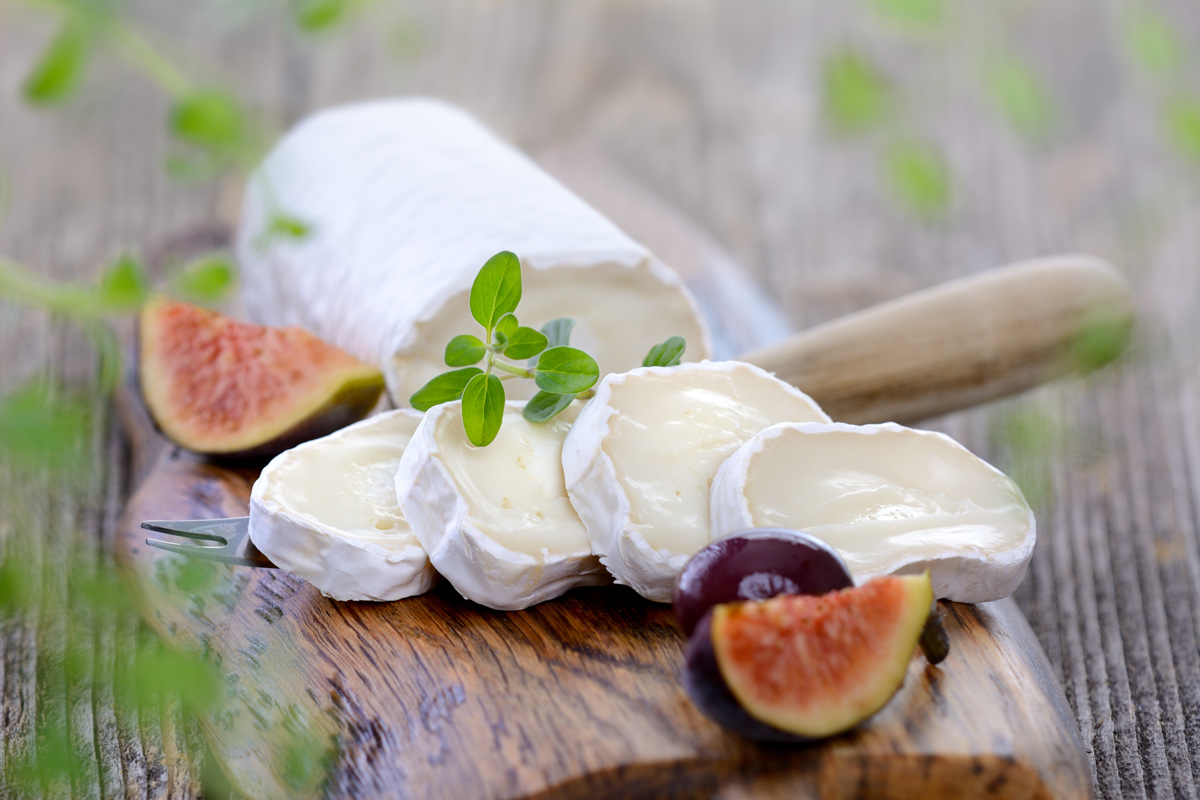
  • Figs Alla Modena Figs alla Modena

    There are many vinegar bottles labeled “balsamic,” but the real thing must come from Modena, Italy. Just a few drops of a true balsamic will bring out the flavors of all the other ingredients in this dish. When figs aren’t available, substitute berries, pears, or peaches.

    Ingredients

    • 8 slices of prosciutto
    • 8-ounce log of fresh goat cheese, sliced into thin medallions
    • 8 fresh figs, halved
    • 1 tablespoon extra virgin olive oil
    • 1 tablespoon best-quality balsamic vinegar di Modena

    Directions

    Step 1

    Arrange the slices of prosciutto around the perimeter of a serving platter or charcuterie board. Moving toward the center, make a ring of goat cheese slices and then place the fig halves in the center.

    Step 2

    Drizzle everything with the olive oil and balsamic.

    Yields 8 appetizer or 4 luncheon servings

Healthy Ingredient Spotlight: Figs

Healthy Ingredient Spotlight

Fabulous figs

When it comes to sweet fresh fruit, figs are overlooked in the US. But they’re a staple in Mediterranean countries and a wonderful way to dress a salad. On their own, they make a delicious yet simple snack or dessert. 

One fig has between 25 and 40 calories depending on size, plus fiber, potassium, magnesium, iron, and calcium. The minerals are concentrated in dried figs, which you can keep in your pantry. (If you’re sensitive to sulfites, look for figs dried without this preservative.)

You’re most likely to see American-grown figs at market starting in late summer, with dried varieties available year-round:

  • Brown Turkey figs have copper-flecked golden-yellow skin when ripe and mostly pink flesh. 
  • Celeste figs are purplish-brown when ripe and have dark-purple flesh.
  • Calimyrna figs have yellow-green to golden skin that deepens when dried and a golden-brown center. 
  • Mission figs have a deep-purple skin that turns black when dried, which explains why they’re often called Black Mission figs. The fresh flesh is deep pink.
  • Kadota figs have yellow-green skin and deep-pink flesh. 

Healthy Kitchen Nugget: Storing figs

Healthy Kitchen Nugget

Storing figs

One reason for the reluctance around figs might be their short shelf life—just-picked figs are fresh for a week or less. But you can extend their freshness by storing them in the fridge for up to two weeks. Just be careful not to buy overripe figs unless you’ll be eating them immediately. Ripe figs are tender, like a ripe peach, but should not feel mushy.

For Your Best Health: Consider cutting calories for longevity

For Your Best Health

Consider cutting calories for longevity

A study led by Yale researchers and published in the February 10, 2022, issue of Science confirms the health benefits of moderate calorie restrictions. The research was based on results from the Comprehensive Assessment of Long-term Effects of Reducing Intake of Energy (CALERIE) clinical trial, the first controlled study of calorie restriction in healthy people. One group of participants reduced their calorie intake by 14%, while the others continued to eat as usual. The researchers analyzed the long-term health effects of calorie restriction over the following two years.

“We know that chronic low-grade inflammation in humans is a major trigger of many chronic diseases and, therefore, has a negative effect on life span,” said Vishwa Deep Dixit, DVM, PhD, the Waldemar Von Zedtwitz Professor of Pathology, Immunobiology, and Comparative Medicine, senior author of the study, and director of the Yale Center for Research on Aging. “Here we’re asking: What is calorie restriction doing to the immune and metabolic systems and if it is indeed beneficial, how can we harness the endogenous pathways that mimic its effects in humans?”

Dixit and his team analyzed the thymus, a gland that sits above the heart and produces T cells, an essential part of the immune system. The thymus ages at a faster rate than other organs. By the time healthy adults reach the age of 40, said Dixit, 70% of the thymus is already fatty and nonfunctional. And as it ages, the thymus produces fewer T cells. “As we get older, we begin to feel the absence of new T cells because the ones we have left aren’t great at fighting new pathogens,” said Dixit. “That’s one of the reasons why elderly people are at greater risk for illness.”

MRIs on study participants found the thymus glands of those restricting calories had less fat and greater functional volume after two years of calorie restriction—they were producing more T cells than at the start of the study. None of these changes were seen in participants not restricting calories. “The fact that this organ can be rejuvenated is, in my view, stunning because there is very little evidence of that happening in humans,” said Dixit. “That this is even possible is very exciting.”

The researchers also found that changes were happening within fat cells. Body fat is very important, Dixit said, because it hosts a robust immune system. There are several types of immune cells in fat, and when they are aberrantly activated, they become a source of inflammation.

“We found remarkable changes in the gene expression of adipose tissue after one year that were sustained through year two,” said Dixit. “This revealed some genes that were implicated in extending life in animals but also unique calorie restriction-mimicking targets that may improve metabolic and anti-inflammatory response in humans.”

A specific gene, PLA2G7, was significantly inhibited following calorie restriction. Based on a separate lab study, it turns out that inhibiting PLA2G7 protects against inflammation.

“These findings demonstrate that PLA2G7 is one of the drivers of the effects of calorie restriction,” said Dixit. “Identifying these drivers helps us understand how the metabolic system and the immune system talk to each other, which can point us to potential targets that can improve immune function, reduce inflammation, and potentially even enhance healthy lifespan.”

“There’s so much debate about what type of diet is better—low carbohydrates or fat, increased protein, intermittent fasting, etc.—and I think time will tell which of these are important,” said Dixit. “But CALERIE is a very well-controlled study that shows a simple reduction in calories…has a remarkable effect in terms of biology and shifting the immuno-metabolic state in a direction that’s protective of human health. So, from a public health standpoint, I think it gives hope.”

Fitness Flash: Back pain? Get into the pool

Fitness Flash

Back pain? Get into the pool

A study published in JAMA Network Open found that three months of therapeutic water exercise for 60 minutes twice a week was even more effective than physical therapy treatments using TENS (transcutaneous electrical stimulation) and infrared thermal therapy in helping ease chronic low back pain. The water exercise lessened the participants’ pain and improved their functioning, quality of life, sleep quality, and mental state. What’s more, the benefits could still be felt at the 12-month mark. The researchers suggest this could be because water exercises are active therapy, whereas the PT treatments are passive. If you’re looking for low back pain relief, ask your doctor if water therapy could be right for you.

Get More Recipes In Your Inbox!

The Olive Oil Hunter News #81

Crab-Stuffed Piquillo Peppers Recipe, Spotlight on Crabmeat, Pickling Peppers, Block Out Light for Better Sleep and the Importance of Moving Now to Be Able to Keep Moving Later

Stuffed peppers are always a huge hit at gatherings. The small ones used in this recipe make a perfect finger food, and the crabmeat filling makes them decadently delicious as well as healthy. Speaking of health, I’m continually amazed at the variety of research published on a near-daily basis. The two articles I’m sharing this week are on topics that often fly under the radar: the underappreciated health consequences of too much light in the bedroom while sleeping and the underappreciated benefits of lifelong leisure activities for muscle function in older age.

Crab-Stuffed Piquillo Peppers

  • Crab-stuffed piquillo peppers Crab-Stuffed Piquillo Peppers

    Piquillo means “little beak” in Spanish, and piquillo peppers get their name from that shape, though, ironically, they don’t have the “bite” of many other pepper varieties. Grown in the Navarra region ofnorthern Spain near the town of Lodosa, they’re very mild.After harvest, they’re fire-roasted for a sweet and smoky flavor, peeled and seeded by hand, then packed in brine. You can purchase them from many online purveyors. For a variation on the crabmeat, try flaked Spanish tuna. 

    Ingredients

    • Extra virgin olive oil, about 3 tablespoons in all
    • 6 ounces goat cheese or cream cheese, at room temperature
    • 1 tablespoon dry Spanish sherry
    • 1 cup crabmeat, shredded
    • 3 tablespoons finely chopped pitted black olives, preferably Spanish 
    • 3 tablespoons finely minced scallion tops (green parts only) 
    • Kosher or coarse sea salt 
    • Freshly ground black pepper 
    • 12-ounce jar of brined whole piquillo peppers, drained 

    Directions

    Step 1

    Preheat your oven to 425°F. Drizzle the bottom of a baking dish with olive oil and set aside. Use a wooden spoon to combine the cheese and sherry in a bowl. Fold in the crabmeat, olives, and scallions, and season to taste with salt and pepper.

    Step 2

    Transfer the cheese-crab mixture to a piping bag fitted with a 1/2-inch donut filler tip, or use a sturdy resealable plastic bag and snip off one of the lower corners to make a 1/2-inch opening. (In a pinch, you can use a small spoon.) Gently pipe about a tablespoon of the cheese-crab mixture into each pepper, being careful not to overstuff and risk tearing the walls of the peppers.

    Step 3

    Arrange the stuffed peppers in a single layer on the bottom of the baking dish. Drizzle a few drops of olive oil over the top of each pepper. Bake until the cheese is bubbling, about 12 minutes. 

    Yields 6 to 8 appetizer servings

Healthy Ingredient Spotlight: Chives

Healthy Ingredient Spotlight

A primer on crabmeat

Buying crabmeat can be confusing, with many different types at many different price points. Here are the varieties you’re most likely to see at stores, according to the experts at Phillips Seafood, the 100-year-old Baltimore, Maryland-based company specializing in high-quality crabmeat.

Jumbo lump crabmeat comes from the two large muscles attached to the crab’s swimming fins. These nuggets have an impressive size, bright white color, and delicious crab taste. Use this crabmeat in recipes when the crabmeat will be visible and you want to make a wow statement. It’s usually the most-expensive option.

Lump crabmeat combines broken pieces of jumbo lump and special crabmeat (see below). It’s ideal for crab cakes, dips, salads, casseroles, and filling the peppers in this week’s recipe. 

Special crabmeat is made from smaller pieces of meat taken from the body of the crab, and it works well in many recipes, from crab balls and dips to salads, wraps, and soups.

Claw meat comes from the swimming fins of the crab. It’s brown in color and has a stronger flavor. Use it in dishes with heavy sauces or in dips and soups—the flavor of the crab will come through without being overpowering. It’s usually the least-expensive option. 

Healthy Kitchen Nugget: Get dedicated kitchen shears

Healthy Kitchen Nugget

Pickling peppers

Pickling your own peppers is quick and easy, and you can do it with almost any peppers you grow yourself or buy at a farmers market. Here’s a simple method: Carefully remove the stems and seeds of the peppers—a grapefruit knife does a neat job—and pack the peppers in a lidded jar. Prepare a pickling solution and bring it to a boil A good starting point is to use equal amounts of vinegar and water, a few smashed garlic cloves, a tablespoon of sugar, and a teaspoon of salt, but have fun experimenting with additional aromatics, like herbs. Pour the hot liquid over the peppers, being sure that they’re completely submerged and that the liquid goes to the top of the jar; this will discourage any mold. Screw on the lid, and once the jar has cooled to room temperature, refrigerate it. You can start to enjoy the peppers in a few days, but the flavors will intensify over time. The peppers will last for a few months in the fridge.

For Your Best Health: Tapping into creativity

For Your Best Health

Tapping into creativity

A famous episode of Seinfeld centered on the havoc wrought on Kramer’s sleep when the neon light of a roasted chicken franchise shined into his apartment. Turns out this is no laughing matter. A new study from Northwestern University found that even moderate light exposure during sleep—whether from streetlights, your own beside lamp, or a TV that stays on—can harm heart health and cause insulin resistance the next morning. Insulin resistance is when cells in your muscles, fat, and liver don’t respond well to insulin and can’t effectively use glucose from your blood for energy. To make up for it, your pancreas makes more insulin. Over time, your blood sugar level rises.

“The results from this study demonstrate that just a single night of exposure to moderate room lighting during sleep can impair glucose and cardiovascular regulation, which are risk factors for heart disease, diabetes, and metabolic syndrome,” says senior study author Dr. Phyllis Zee, chief of sleep medicine at Northwestern University Feinberg School of Medicine and a Northwestern Medicine physician. “It’s important for people to avoid or minimize the amount of light exposure during sleep.”

“We showed your heart rate increases when you sleep in a moderately lit room,” says Dr. Daniela Grimaldi, study co-first author and research assistant professor of neurology at Feinberg. “Even though you are asleep, your autonomic nervous system is activated. That’s bad. Usually your heart rate together with other cardiovascular parameters are lower at night and higher during the day.”

Here are Dr. Zee’s tips for reducing light during sleep.

Don’t sleep with any lights on. If you need to have a light on for safety, make it a dim light that is close to the floor.

Color counts: Amber or a red/orange light is less stimulating for the brain than white or blue light. Keep it as far away from you as practical.

Blackout shades or eye masks are good if you can’t control the outdoor light even after moving your bed so that the light isn’t shining on your face.

“If you’re able to see things really well, it’s probably too light,” Dr. Zee says.

Fitness Flash: Why “use it or lose it” is real

Fitness Flash

Keep moving now to be able to keep moving later

Ever wonder why it seems that the less exercise you do, the harder it is to exercise at all? New research offers one possible explanation. Doing less exercise could deactivate the body’s vital Piezo1 protein, according to scientists from the UK’s University of Leeds. Piezo1 is a blood flow sensor. Deactivating it reduces the density of capillaries carrying blood to the muscles, and that restricted blood flow means activity becomes more difficult and can limit the amount of exercise you’re able to do.

The research, published in the Journal of Clinical Investigation, was carried out using mice, but because the Piezo1 protein is also found in people, the same results could occur. As lead author Fiona Bartoli, PhD, a postdoctoral researcher at Leeds’ School of Medicine, says, “Exercise protects against cardiovascular disease, diabetes, depression, and cancer. Unfortunately, many people fail to exercise enough, for reasons such as injury and computer usage. This puts people at more risk of disease. The less people exercise, the less fit they become, often leading to a downward spiral.

“Although many responses to exercise are known, how the benefits of exercise are initially triggered at a molecular level is mysterious. Our study highlights the crucial link between physical activity and physical performance made at this level by Piezo1. Keeping our Piezo1s active by exercising may be crucial in our physical performance and health.”

During the experiment, mice who had their Piezo1 levels disrupted for 10 weeks showed a dramatic reduction in activities like walking, climbing, and running on a wheel activity. Specifically they did fewer wheel revolutions per exercise session and had slower running speeds. The mice didn’t have less desire to exercise but rather less ability.

Adds David Beech, PhD, the study’s supervising author, “Our work sheds new light on how Piezo1’s role in blood vessels is connected to physical activity. A lot was already known about its role in blood vessel development, but far less was known about its contribution to vessel maintenance in adults. Our discovery also provides an opportunity to think about how loss of muscle function could be treated in new ways: If we activate Piezo1, it might help to maintain exercise capability.”

Get More Recipes In Your Inbox!

The Olive Oil Hunter News #80

Penne with Warm Cherry Tomato Vinaigrette Recipe, Spotlight on Chives, Importance of Dedicated Kitchen Shears, Tapping Into Your Creativity and Why Use It or Lose It Is Real

Not every great tomato sauce needs hours of simmering! My warm cherry tomato vinaigrette does double duty—equally delicious over hot noodles and cold salads. And it takes less time to make than boiling the pasta. I’m also sharing the essentials on chives, a delicate yet underused herb, and the best way to chop them. You can also read about how to become more creative and why the exercise adage “use it or lose it” holds true.

Penne with Warm Cherry Tomato Vinaigrette

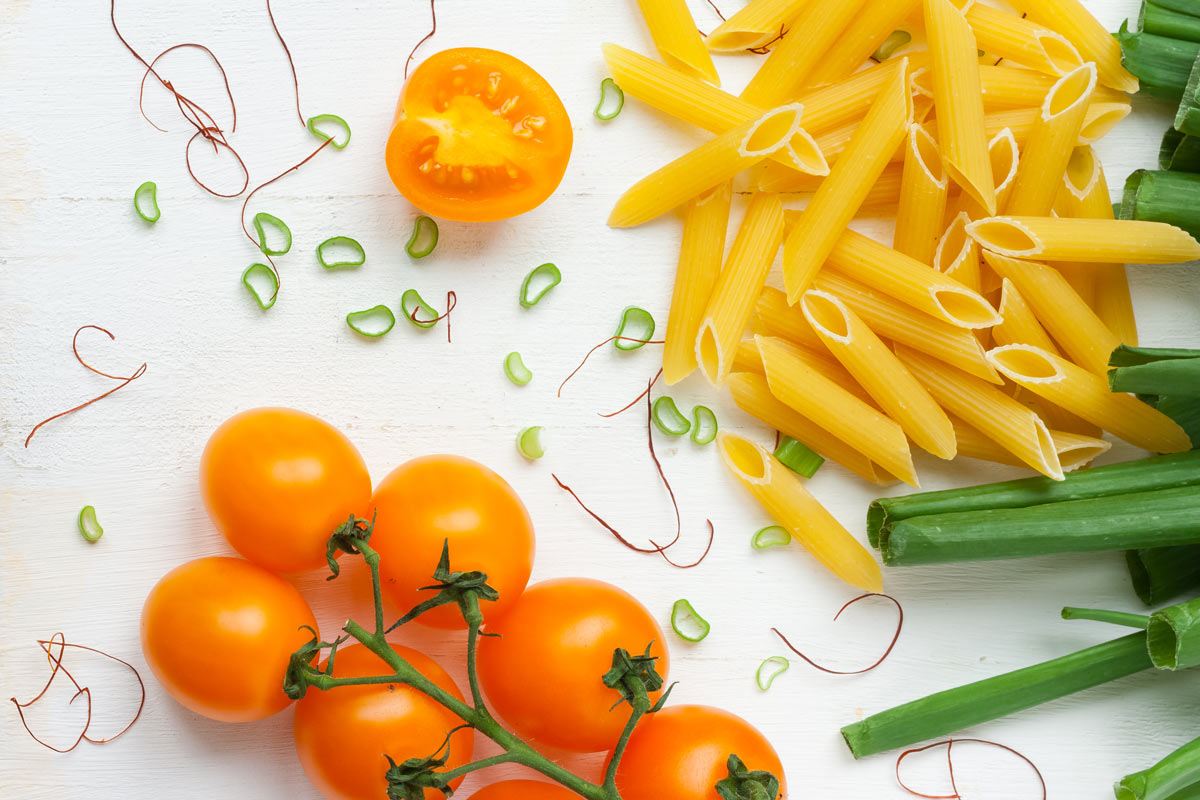
  • Cherry Tomato Vinaigrette Penne with Warm Cherry Tomato Vinaigrette

    This vinaigrette is also delicious as a topping for bruschetta or pizza. And you can let it cool to room temperature and use it as a dressing on cold dishes as well as salads.

    Ingredients

    • 1 pound farfalle
    • 6 tablespoons extra virgin olive oil, divided
    • 2 shallots, peeled and finely chopped
    • 4 cups cherry tomatoes
    • 2 tablespoon red wine vinegar
    • Coarse salt and freshly ground black pepper to taste
    • 8 ounces fresh mozzarella, cut into small cubes
    • 4 tablespoons fresh chives, chopped

    Directions

    Step 1

    Cook the pasta as directed. While it’s cooking, heat a sauté pan over medium heat, and add two tablespoons of the olive oil. Add the shallots, and cook until softened, stirring frequently. 

    Step 2

    Add in the cherry tomatoes, and cook until they blister, about 5 minutes, pressing down on them with a wooden spoon to release their juices and smash them a bit. Add the vinegar and the rest of the olive oil, and stir. Season to taste with salt and pepper, and remove from the heat.

    Step 3

    Drain the pasta, top with the mozzarella and the cherry tomatoes, and toss well. Garnish with the chives and serve. 

    Yields 4 servings

Healthy Ingredient Spotlight: Chives

Healthy Ingredient Spotlight

Let’s chop up more chives

Consider chives the mild-mannered relative in the allium family of onions, scallions, garlic, and more. Because their flavor is delicate and easily lost, they’re primarily added after any cooking has been done. But there are different types of chives, some more flavorful than others. 

Common chives are the ones you’re most likely to find at the market. They have slender bright green and hollow stalks, sometimes with flowers attached, and their flavor is quite mild.

Chinese or garlic chives are deep green and have flat blades, with a stronger flavor very reminiscent of garlic. They, too, may have flowers attached. 

Siberian or blue chives have exceptionally tall blades yet are almost as mild as common chives yet harder to find. 

Experiment, and consider growing your own to have chives at your fingertips. 

Healthy Kitchen Nugget: Get dedicated kitchen shears

Healthy Kitchen Nugget

Why you need dedicated kitchen shears

For some kitchen tasks, shears actually work better than a knife, and that’s why you should have at least one pair in your tool drawer. According to the Academy of Nutrition and Dietetics’ Food & Nutrition Magazine, kitchen shears are different from scissors. The blade’s pivot point is farther from the handle, making the shears very strong, perfect for cutting up a whole chicken, for instance. The blades are usually longer and should be removable for easy cleaning, the same safety step you’d take after using a cutting board—but using shears means you may not need to dirty a cutting board as often. 

Use shears to snip chives right over a dish, cut bacon into pieces, and even trim dough after you’ve lined a pie plate. Once you see how versatile they are, you’ll be tempted to buy a variety of shears—dedicated poultry shears, herb shears, and shears with offset blades for cutting at an angle. When possible, choose professional-grade carbon steel blades for durability and coated handles, including a large and oblong bottom handle, for the most comfortable grip. 

For Your Best Health: Tapping into creativity

For Your Best Health

Tapping into creativity

Researchers at The Ohio State University (OSU) have developed a new method for helping people bring out their creativity by, in part, helping them think like kids again. It’s based on narrative theory and works by recognizing that we’re all innately creative. According to English professor and member of the OSU Project Narrative Angus Fletcher, PhD, who developed the narrative method of training for creativity, “We as a society radically undervalue the creativity of kids and many others because we are obsessed with the idea that some people are more creative than others. But the reality is that we’re just not training creativity in the right way.” 

The method is an alternative to the standard creativity training technique called divergent thinking, which treats the brain as a logic machine, relies on data and information about the problems and successes of the past … and has less-than-optimal results, Dr. Fletcher says. “What it can’t do is help prepare people for new challenges that we know little about today. It can’t come up with truly original actions,” he says. “But the human brain’s narrative machinery can.” 

His method draws on many of the techniques that writers use to create stories, such as developing new worlds in your mind, and perspective-shifting, which is thinking like another member of your work team, for instance. It’s not that the scenarios you dream up will actually happen, Dr. Fletcher says, explaining, “Creativity isn’t about guessing the future correctly. It’s about making yourself open to imagining radically different possibilities. When you do that, you can respond more quickly and nimbly to the changes that do occur.”

The creativity seen in young children is often unintentionally taught out of them by the time they get to middle school, where the focus is on logical, semantic, and memory training. The narrative approach to creativity can help people unlock the creativity they may have stopped using as they progressed through their education, Dr. Fletcher says.

He and Project Narrative’s Mike Benveniste have worked on the narrative method of training for creativity with the United States Army Command and General Staff College, the University of Chicago Booth School of Business, the OSU College of Engineering, and several Fortune 50 companies to teach creativity to their staffs and students. For a more formal evaluation, they’re conducting randomized controlled trials of the creativity curriculum on more than 600 US Army majors at the Command and General Staff College and working with new organizations, such as the Worthington Local School District in Ohio. “Teaching creativity is one of the most useful things you can do in the world, because it is just coming up with new solutions to solve problems,” he says. And you’re never too old to let your imagination run wild.

Fitness Flash: Why “use it or lose it” is real

Fitness Flash

Why “use it or lose it” is real

Ever wonder why it seems that the less exercise you do, the harder it is to exercise at all? New research offers one possible explanation. Doing less exercise could deactivate the body’s vital Piezo1 protein, according to scientists from the UK’s University of Leeds. Piezo1 is a blood flow sensor. Deactivating it reduces the density of capillaries carrying blood to the muscles, and that restricted blood flow means activity becomes more difficult and can limit the amount of exercise you’re able to do.

The research, published in the Journal of Clinical Investigation, was carried out using mice, but because the Piezo1 protein is also found in people, the same results could occur. As lead author Fiona Bartoli, PhD, a postdoctoral researcher at Leeds’ School of Medicine, says, “Exercise protects against cardiovascular disease, diabetes, depression, and cancer. Unfortunately, many people fail to exercise enough, for reasons such as injury and computer usage. This puts people at more risk of disease. The less people exercise, the less fit they become, often leading to a downward spiral.

“Although many responses to exercise are known, how the benefits of exercise are initially triggered at a molecular level is mysterious. Our study highlights the crucial link between physical activity and physical performance made at this level by Piezo1. Keeping our Piezo1s active by exercising may be crucial in our physical performance and health.”

During the experiment, mice who had their Piezo1 levels disrupted for 10 weeks showed a dramatic reduction in activities like walking, climbing, and running on a wheel activity. Specifically they did fewer wheel revolutions per exercise session and had slower running speeds. The mice didn’t have less desire to exercise but rather less ability.

Adds David Beech, PhD, the study’s supervising author, “Our work sheds new light on how Piezo1’s role in blood vessels is connected to physical activity. A lot was already known about its role in blood vessel development, but far less was known about its contribution to vessel maintenance in adults. Our discovery also provides an opportunity to think about how loss of muscle function could be treated in new ways: If we activate Piezo1, it might help to maintain exercise capability.”

Get More Recipes In Your Inbox!

The Olive Oil Hunter News #77

Citrus Pork Rib Roast with Roasted Fennel Recipe, Spotlight on Fennel, How to Marinate Safely, Diversify Proteins for Better Health and Resistance Training for Better Sleep

Springtime celebrations demand a dramatic dish, and a pork rib roast fits the bill. This recipe is a great introduction to fennel for those who have been shying away from this versatile veg. You’ll also read about two pieces of interesting health research, important to anyone who wants to fend off high blood pressure (a top heart health risk) and sleep better (not getting enough is a risk to the heart, brain, and overall well-being).

Citrus Pork Rib Roast with Roasted Fennel

  • Fennel Citrus Pork Rib Roast with Roasted Fennel

    This recipe serves a large crowd. For smaller gatherings, cook just one rib roast and cut all the other ingredients in half. If you can’t get bone-in pork rib roasts locally, substitute pork loin roast or even thick pork chops—adjust the cooking times accordingly. The citrus marinade is also excellent with chicken. 

    Ingredients

    • Two 5-bone pork rib roasts, each about 4 pounds 
    • 3 lemons, sliced into eighths and seeded
    • 3 navel oranges, sliced into eighths
    • 1/2 grapefruit, sliced into quarters and seeded 
    • 1/2 sweet onion, peeled and quartered
    • 6 cloves garlic, roughly chopped
    • 3 small sprigs fresh oregano
    • 2 tablespoons fennel seeds 
    • 3/4 cup extra virgin olive oil, divided use
    • 10 whole cloves
    • 10 fresh or 5 dried bay leaves
    • 8 juniper berries, crushed, or 1/4 cup gin
    • Sea salt and coarsely ground fresh black pepper 
    • 3 large fennel bulbs 
    • 15 kumquats
    • Grated Parmigiano-Reggiano cheese, for serving

    Directions

    Step 1

    Put the pork roasts in one or two jumbo-sized resealable plastic bags, a large glass bowl, or baking dish. In the bowl of a food processor, combine the lemons, oranges, grapefruit, onion, garlic, oregano, fennel seeds, and 1/4 cup of olive oil and pulse until the mixture is roughly chopped and juicy. Take the bowl off the processor base, remove the blade, and stir in the cloves, bay leaves, and juniper berries or gin. Pour the marinade over the pork roasts. Seal the bags and place them in a roasting pan to contain any leaks or, if marinating in a large container, cover well with plastic wrap. Refrigerate overnight or up to 24 hours, turning periodically to redistribute the marinade. 

    Step 2

    When ready to cook, preheat your oven to 350°F. Prepare a very large roasting pan by lining it with foil (for an easy cleanup) and placing a roasting rack in it; set aside. Scrape the marinade off the roasts and pat dry with paper towels. Generously season on all sides with salt and pepper. In a large skillet, heat 1/4 cup olive oil over medium heat. Sear one roast until caramelized, turning as needed with tongs, and then transfer it to the roasting pan. Repeat with the other roast. Place the pan in the upper two-thirds of the oven (you’ll need a second oven rack placed in the bottom third for the fennel and kumquats). Set a timer for 40 minutes. 

    Step 3

    While the pork is roasting, prepare the fennel. Cut off the fronds, the feathery green tops of the fennel stalks, chop a few and set aside. Refrigerate the rest of the fronds for other uses. Trim the bottoms of the bulbs and cut off the stalks; reserve the stalks for another dish or the next time you make stock. Cut each bulb vertically through the core into 4 sections. Drizzle the bottom of a rimmed baking sheet with some of the remaining olive oil and arrange the fennel pieces on top. Drizzle more olive oil over the fennel. Season with salt and pepper. Arrange the kumquats among the fennel. Place the baking sheet on the lower rack of your oven when the timer goes off. Roast, turning once, until the fennel is tender and golden brown, about 40 minutes. Transfer the fennel and kumquats to a platter. Dust with the grated cheese and garnish with the reserved fennel fronds. 

    Step 4

    Remove the pork roasts from the oven when the internal temperature in the thickest part is 140°F, about 1 hour and 20 minutes total (this should coincide with the fennel/kumquat cooking time). Let rest for 10 minutes before slicing into chops. Serve with the roasted fennel and kumquats. 

    Yields 10 servings 

Healthy Ingredient Spotlight: Fennel

Healthy Ingredient Spotlight

Get familiar with fennel

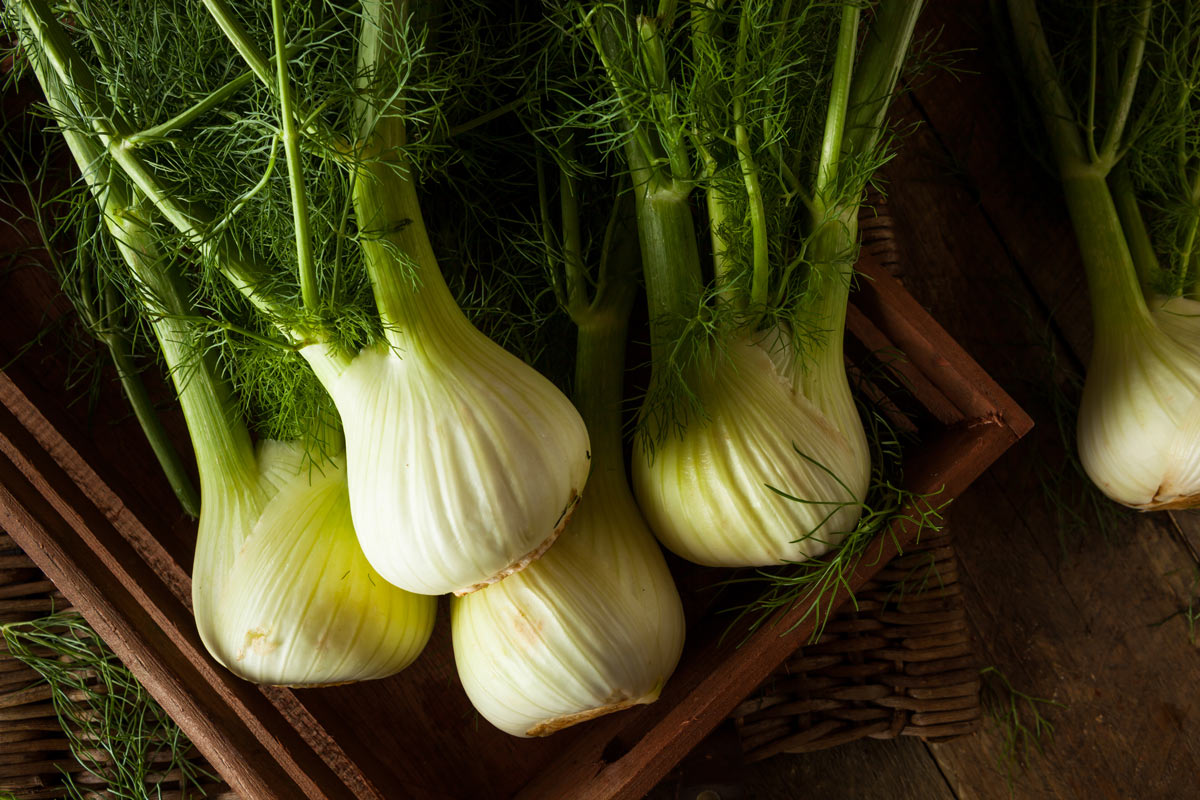
For the uninitiated, fennel can look intimidating, but its licorice scent and taste add a lot of appeal to dishes, from soups to seafood—you’ll be pleasantly surprised even if you’re not a fan of black licorice candy.

This member of the carrot family hails from the Mediterranean region but is used, both raw and cooked, in cuisines far and wide. Raw fennel adds crunch to salads, much like celery, when the bulb is quartered and thinly sliced or chopped, depending on the recipe. The feathery fronds at the top of the vegetable can be chopped much like dill and used in many of the same ways, from a garnish to a flavoring. Some people find that the stalks are too fibrous to eat raw, but they soften when cooked—cooking also makes fennel’s licorice flavor milder.  

Healthy Kitchen Nugget: How to Marinate Safely

Healthy Kitchen Nugget

Marinating safely

Marinating food, especially overnight, is a great way to infuse it with flavor. But think “safety first,” according to the Academy of Nutrition and Dietetics. When possible, marinate in glass, covering the container fully with plastic wrap, or use disposable food-safe sealable plastic bags. Don’t use a metal container because the acid in a marinade can interact with metal. Refrigerate the marinating food on the bottom shelf of your fridge. If a recipe calls for the marinade liquid to be used as a baste,you mustboil it first to kill bacteria. Even better is to reserve some of the marinade separately or to make a small additional batch for this purpose.

For Your Best Health: Diversify Proteins

For Your Best Health

Pick a variety of proteins

Eating a balanced diet and including protein from a variety of sources may help lower the risk of high blood pressure, according to research published in Hypertension, a journal of the American Heart Association (AHA).

In its 2021 dietary guidance to improve heart health, the AHA recommended eating one to two servings, or 5.5 ounces, of protein daily from healthy sources—plants, seafood, low-fat or fat-free dairy products, and, if desired, lean cuts and unprocessed forms of meat or poultry. The new research looked at the link between specific proteins and new cases of high blood pressure among 12,000 participants whose diet records were analyzed over a six-year period. 

Participants were given scores based on the number of different sources of protein they ate: whole grains, refined grains, processed red meat, unprocessed red meat, poultry, fish, eggs, and legumes. One point was given for each protein source, with a top score of 8. The researchers then compared new cases of hypertension to the scores. In contrast to participants with the lowest score (less than 2), those with a score of 4 or higher had a 66 percent lower risk of developing high blood pressure.

But there can also be too much of a good thing, especially when it comes to processed meat. When the researchers divided the total quantity of protein eaten into five levels (or quintiles) from least to most intake, people who ate the least amount of total protein and those who ate the most protein had the greatest high blood pressure risk.

“The heart health message is that consuming a balanced diet with proteins from various different sources, rather than focusing on a single source of dietary protein, may help to prevent the development of high blood pressure,” says study author Xianhui Qin, MD.

Fitness Flash: Resistance training for better sleep

Fitness Flash

Resistance training for better sleep

Having sleep trouble? Strength training to the rescue! Research done at Iowa State University found that study participants who did 60 minutes of resistance exercise three times a week for a year slept longer and fell asleep faster than participants who did aerobic-only workouts or a combination of aerobic and resistance exercises for 30 minutes each. The resistance exercise regimen consisted of three sets of 12 exercises that targeted all the major muscle groups and included bicep curls, crunches, leg extensions, and triceps dips.

Among participants who were not getting at least seven hours of sleep at the start of the study, sleep duration increased by an average of 40 minutes in the resistance exercise-only group compared to an average increase of 18 minutes in the other groups. People in the resistance exercise-only group also reported falling asleep an average of three minutes faster at the end of the 12 months; there wasn’t any notable change in this regard in the other groups.

“While there’s no definitive answer as to why humans sleep, one theory is that sleep provides the body an opportunity to restore different systems,” says lead author Angelique Brellenthin, PhD, assistant professor of kinesiology at Iowa State. “Because resistance exercise is a powerful stimulus that causes stress to the muscle tissue, that stimulus may send a stronger signal to the brain that this person needs to sleep and to sleep deeply to repair, restore, and adapt the muscle tissue for the next time they need it. Our study shows resistance exercise goes above and beyond the benefits you would see from other types of exercise in terms of sleep quality. If people are concerned about their sleep and have a limited amount of time to exercise, they may want to consider prioritizing resistance workouts.”

Get More Recipes In Your Inbox!