Fresh-Pressed Olive Oil Club

Olive Oil Hunter News #170

Horiatiki Salad Recipe and The MIND Diet for Brain Health: More Benefits of Olive Oil

I’m a huge fan of both Greek and Middle Eastern salads, the ingredients of which are not only delicious but also mainstays of the MIND (Mediterranean-DASH Intervention for Neurodegenerative Delay) diet, a way of eating designed for brain health. It’s an offshoot of the super-healthy Mediterranean diet and the DASH (Dietary Approaches to Stop Hypertension) diet. Why the distinction? Because the latest research on the MIND diet shows it can slow aging as well as reduce dementia risk. Add this to the list of the benefits of olive oil—it’s one of the super foods that MIND suggests including every day.

Horiatiki: The Sequel!

  • Double strawberry mousse Double Strawberry Mousse

    This dessert features strawberries in the mousse and in the topping. The berries are first macerated — tossed with sugar and allowed to sit — to draw out and intensify the fruit’s flavors.

    Ingredients

    • 1 1/2 pounds fresh strawberries 
    • 2 tablespoons granulated sugar
    • 1 tablespoon extra virgin olive oil
    • 1 1/2 cups heavy cream
    • Optional: 1/3 cup confectioners’ sugar 

    Directions

    Step 1

    Hull the strawberries, then dice them and place in a large glass bowl. Add the granulated sugar and toss well; set aside for 30 minutes. Drizzle on the olive oil and mix well. Reserve 1/2 cup of the berries, cover, and refrigerate. Place the rest in a food processor and run the machine until the berries are puréed. You should have about 1-1/2 cups.

    Step 2

    Place the heavy cream in the bowl of a stand mixer or a large bowl with a hand mixer. Beat on low speed, then gradually increase to high. Whip until the cream reaches medium (not stiff) peaks, then use a spatula to fold in the strawberry purée. Taste and add the confectioners’ sugar if desired. Serve right away or refrigerate the mousse in the mixing bowl for up to 4 hours — it will firm up more as it chills.

    Step 3

    To serve, spoon equal portions of the mousse into 8 goblets or bowls and garnish with equal amounts of the reserved berries.

    Serves 8

  • Grilled Halloumi Skewers Olive Oil Hunter News #266

    Halloumi Skewers Recipe, Spotlight on Bell Peppers, Safe Grill Cleaning, Extra Virgin Olive Oil for Brain Boosts and Meditation to Rewire your Brain

    Members of the Fresh-Pressed Olive Oil Club know how much of a halloumi cheese fan I am. This recipe uses the salty, firm Cypriot cheese as part of grilled skewers that will please meat eaters and non-meat eaters alike. I’m also thrilled to share two fascinating pieces of research concerning brain health: the roles of extra virgin olive oil and meditation.

    Halloumi Skewers

    Healthy Ingredient Spotlight: The Colors of Bell Peppers

    Healthy Ingredient Spotlight

    The Colors of Bell Peppers

    Bell peppers are a great source of vitamin C (two or three times as much as an orange) plus vitamins B6, K, A, and E along with minerals and antioxidants. They come in a rainbow of colors, determined by the variety and amount of time a bell pepper spends on the plant.

    Green bell peppers appear first and are the least ripe and least sweet. As they mature, they usually turn another color, such as yellow, orange, or red. Nutrient content and taste vary among bell pepper varieties. The phytonutrients lutein and zeaxanthin, important for eye health, are found in green bell peppers. Violaxanthin, a carotenoid, is found in yellow bell peppers. Capsanthin makes fully mature bell peppers red. Red bell peppers are the most nutrient-dense and also contain lycopene and beta-carotene. 

    When it comes to bell peppers, the advice is the same as with vegetables (and fruits): Eat the rainbow to get the max benefits.

    Quick Kitchen Nugget: Safe Grill Cleaning

    Quick Kitchen Nugget

    Safe Grill Cleaning

    Recently, over 13 million grill brushes from Nexgrill and Weber were recalled because their small wire bristles can break off, stick to grill grates, and lodge in food, posing serious injury risks if swallowed. The Consumer Product Safety Commission recommends people stop using these brushes immediately and contact the manufacturers for a refund or replacement. Weber, for instance, was offering a replacement nylon bristle brush. 

    How to clean your grill grates safely? A great way is to make a thick paste of baking soda and dish liquid. Smear it over the grates, then use a crumpled ball of aluminum foil to go over each groove. Thoroughly rinse and dry. To properly season the grates, finish with a light coating of olive oil dabbed on a paper towel. 

    For Your Best Health: Extra Virgin Olive Oil for Brain Boosts

    For Your Best Health 

    Extra Virgin Olive Oil for Brain Boosts

    Extra virgin olive oil, or EVOO, has long been a cornerstone of the Mediterranean diet, known for supporting heart and metabolic health. Now, new research suggests it may also help protect the brain. Scientists from the Human Nutrition Unit at the Universitat Rovira i Virgili (URV), the Pere Virgili Health Research Institute (IISPV), and CIBEROBN have found that its benefits could extend beyond the body to the mind, working through the gut microbiome to support cognitive function.

    “This is the first prospective study in humans to specifically analyze the role of olive oil in the interaction between gut microbiota and cognitive function,” explains Jiaqi Ni, PhD, first author of the article and researcher at the URV’s Department of Biochemistry and Biotechnology.

    The research followed 656 adults between the ages of 55 and 75 who were overweight or obese and had metabolic syndrome — a set of risk factors that increase the likelihood of developing cardiovascular disease. Over a two-year period, as part of the PREDIMED-Plus project, scientists tracked participants’ diets, including their intake of virgin and refined olive oil, along with detailed analyses of their gut microbiota. They also monitored changes in cognitive performance over time.

    The findings showed clear differences depending on the type of olive oil consumed. Participants who regularly used virgin olive oil experienced improvements in cognitive function and had a more diverse gut microbiota, which is widely considered a sign of better intestinal and metabolic health. In contrast, those who consumed refined olive oil tended to show a decline in microbiota diversity over time. Researchers also identified a specific group of gut bacteria, known as Adlercreutzia, that may be tied to these benefits. Its presence could serve as an indicator of the positive relationship between virgin olive oil consumption and preserved cognitive function. These results suggest that part of the oil’s brain-supporting effect may come from how it reshapes the gut microbiome.

    The difference between extra virgin and refined olive oil largely comes down to how they are produced. Extra virgin olive oil is obtained using mechanical methods, which help preserve its natural compounds. Refined olive oil, on the other hand, undergoes industrial processing to remove impurities. While this refining process improves shelf life, it also reduces beneficial components such as antioxidants, polyphenols, vitamins, and other bioactive substances. 

    Jordi Salas-Salvadó, MD, PhD, principal investigator of the study, emphasized the importance of choosing high-quality fats: “This research reinforces the idea that the quality of the fat we consume is as important as the quantity; extra virgin olive oil not only protects the heart, but can also help preserve the brain during aging.” 

    Two of the other researchers involved, URV professor Nancy Babio-Sánchez, PhD, and Stephanie Nishi, PhD, now a professor with the Toronto Metropolitan University (Canada), highlighted the broader implications of the findings as populations continue to age: “At a time when cases of cognitive decline and dementia are on the rise, our findings drive home the importance of improving diet quality, and in particular prioritizing extra virgin olive oil over other refined versions as an effective, simple, and accessible strategy for protecting brain health.”

    Fitness Flash Icon: Meditation to Rewire your Brain

    Fitness Flash

    Meditation to Rewire your Brain

    Researchers at the University of California San Diego report that a weeklong program combining meditation and other mind-body techniques can quickly produce measurable changes in both brain activity and blood biology. The study found that these practices activated natural pathways involved in brain flexibility, metabolism, immune function, and pain relief. Surprisingly, the experience mirrored psychedelic-like brain states—without any drugs involved. Published in Communications Biology, the findings offer new evidence that mental practices can influence physical health in significant ways.

    Meditation and similar approaches have been used for thousands of years to support well-being, but scientists have struggled to explain exactly how they affect the body. This new research, part of a large initiative funded by the InnerScience Research Fund, is the first to systematically measure the combined biological effects of multiple mind-body techniques delivered over a short time.

    “We’ve known for years that practices like meditation can influence health, but what’s striking is that combining multiple mind-body practices into a single retreat produced changes across so many biological systems that we could measure directly in the brain and blood,” said senior study author Hemal H. Patel, PhD, professor of anesthesiology at UC San Diego School of Medicine and research career scientist at the Veterans Affairs San Diego Healthcare System. “This isn’t about just stress relief or relaxation; this is about fundamentally changing how the brain engages with reality and quantifying these changes biologically.”

    The study followed 20 healthy adults who took part in a 7-day residential retreat led by neuroscience educator and author Joe Dispenza, DC. Participants attended lectures and completed about 33 hours of guided meditation along with group-based healing activities.

    These sessions used an “open-label placebo” approach, meaning participants were aware that some practices were presented as placebos. Even so, such interventions can still produce real effects through expectation, shared experience, and social connection.

    Before and after the retreat, researchers used functional magnetic resonance imaging (fMRI) to monitor brain activity. Blood samples were also analyzed to track changes in metabolism, immune function, and other biological markers. After the retreat, several notable changes were detected:

    • Brain network changes: Activity decreased in regions linked to internal mental chatter, suggesting more efficient brain function.
    • Enhanced neuroplasticity: Blood plasma collected after the retreat encouraged lab-grown neurons to extend and form new connections.
    • Metabolic shifts: Cells exposed to post-retreat plasma showed increased glycolytic (sugar-burning) metabolism, indicating improved metabolic flexibility.
    • Natural pain relief: Levels of endogenous opioids, the body’s natural painkillers, rose following the retreat.
    • Immune activation: Both inflammatory and anti-inflammatory signals increased, pointing to a balanced and adaptive immune response.
    • Gene and molecular signaling changes: Small RNA and gene activity shifted in ways linked to brain-related biological pathways.

    Participants also completed the Mystical Experience Questionnaire (MEQ-30), which measures feelings such as unity, transcendence, and altered awareness during meditation. Scores increased from an average of 2.37 before the retreat to 3.02 afterward. Those who reported stronger mystical experiences also showed more pronounced biological changes, including greater coordination between different brain regions. This suggests that deeper subjective experiences may be tied to measurable changes in brain function.

    The researchers found that the brain activity patterns observed after the retreat closely resembled those previously linked to psychedelic substances. “We’re seeing the same mystical experiences and neural connectivity patterns that typically require psilocybin, now achieved through meditation practice alone,” added Patel. “Seeing both central nervous system changes in brain scans and systemic changes in blood chemistry underscores that these mind-body practices are acting on a whole-body scale.”

    The findings help explain how non-drug approaches like meditation may support overall health. By boosting neuroplasticity and influencing immune activity, these practices could improve emotional regulation, stress resilience, and mental well-being. The increase in natural pain-relief chemicals also points to potential applications for managing chronic pain.

    Future studies will explore whether similar programs could help people with chronic pain, mood disorders, or immune-related conditions. The team also plans to examine how different elements of the retreat, including meditation, reconceptualization, and open-label placebo healing, contribute individually and together. Another key question is how long these biological changes last and whether repeated practice can strengthen or maintain them.

    “This study shows that our minds and bodies are deeply interconnected — what we believe, how we focus our attention, and the practices we participate in can leave measurable fingerprints on our biology,” said first author Alex Jinich-Diamant, a doctoral student in the Departments of Cognitive Science and Anesthesiology at UC San Diego. “It’s an exciting step toward understanding how conscious experience and physical health are intertwined, and how we might harness that connection to promote well-being in new ways.”

    Get More Recipes In Your Inbox!
  • Grilled Halloumi Skewers Halloumi Skewers

    Besides its great taste, halloumi holds its shape well under high heat and, unlike beef, chicken, and other proteins, it takes only as long as the vegetables to grill so all the ingredients on your skewers will be done at the same time.

    Ingredients

    For the marinade:

    • 4 garlic cloves
    • 1/4 cup fresh herbs such as basil, oregano, and flat-leaf parsley
    • 2 tablespoons balsamic vinegar of Modena such as Condimento Barili Exclusivi 
    • 1/4 cup extra virgin olive oil
    • 1/2 teaspoon fine sea salt
    • 1/4 teaspoon freshly ground black pepper

    For the skewers:

    • 1 pound halloumi cheese block, cut into 1-1/2-inch cubes 
    • 1 medium zucchini, cut into 3/4-inch rounds
    • 1 medium red onion, peeled and cut into 6 wedges 
    • 2 large bell peppers, any colors, cut into 1-1/2-inch squares
    • 8 cremini or white mushrooms, cleaned as needed

    Directions

    Step 1

    Place the garlic and herbs in a mini chopper and process until finely chopped. Add the vinegar, olive oil, salt, and pepper and process until smooth. 

    Step 2

    Place the cheese and all the vegetables in a large bowl and add the marinade; toss well. Let marinate for 20 minutes, then shake off excess marinade and thread equal amounts onto four 12-inch skewers (if using wooden skewers, soak in water for 30 minutes first).

    Step 3

    Grill over medium-high heat, turning the skewers every 2 to 3 minutes to char all four sides (8 to 12 minutes total). Remove from the grill as soon as you see a light char. 

    Serves 4 as an appetizer or 2 as a main dish

  • Spelt Breakfast Bowls Olive Oil Hunter News #265

    Bountiful Breakfast Bowl Recipe, Spotlight on Spelt, Double Up on Cooking, “Fibermaxxing” and Women and Heart Disease 

    Most of us know we should be eating more fiber but lack the motivation to change habits. This edition of the newsletter starts with a delicious way to make a serious dent in your daily fiber intake. The focus is on a whole grain you might not be familiar with — spelt. I’m also sharing a report on why fiber is so important and, finally, why women need to be more aware of their growing heart disease risk (fiber helps lower it, too).

    Bountiful Breakfast Bowl

    Healthy Ingredient Spotlight: Spelt

    Healthy Ingredient Spotlight

    Spelt

    Spelt is a nutrient-dense ancient grain that’s high in fiber (8 grams per cooked cup), protein, and essential minerals like magnesium, iron, and zinc. It also has numerous phytochemicals including lignans and phenolic compounds, which have been linked to a reduced risk of certain cancers. According to the NIH, compared to modern wheat, other benefits include improved digestive health, reduced blood sugar spikes, and enhanced heart health (by lowering LDL cholesterol). One caution: Spelt is not suitable for those with celiac disease or severe gluten intolerance.

    Uncooked spelt
    Quick Kitchen Nugget: Double Up on Cooking

    Quick Kitchen Nugget

    Double Up on Cooking

    Like other whole grains, spelt can take about 45 minutes to fully cook. While worth the effort, it makes sense to cook up a large batch and divide it over two or three meals. Spelt should be allowed to cool to room temperature before refrigerating—about 20 to 30 minutes—in an airtight glass container. Don’t put steaming-hot grains directly into the refrigerator because this can raise the temperature inside your fridge and compromise other foods. 

    For Your Best Health: “Fibermaxxing”

    For Your Best Health 

    “Fibermaxxing”

    Fiber plays a powerful role in keeping the body healthy, from supporting digestion and feeding beneficial gut microbes to helping regulate blood sugar and cholesterol. Researchers say getting enough fiber may even lower the risk of conditions like obesity, diabetes, and certain cancers. A growing trend called “fibermaxxing” is putting dietary fiber in the spotlight—and for good reason, according to a report from Tufts University. Fibermaxxing refers to consuming at least the recommended daily amount of fiber each day. The idea has gained traction across social media and traditional media this year. 

    Jennifer Lee, PhD, is a scientist withthe Jean Mayer USDA Human Nutrition Research Center on Aging at Tufts, whose research focuses on how shifts in gut health and differences between sexes affect metabolism throughout a person’s life. Dr. Lee says she’s not surprised that fibermaxxing has become popular. In fact, she sees it as a sign that more people are recognizing an important distinction between lifespan and healthspan. Living longer does not necessarily mean living those years in good health, so many people are searching for ways to stay healthier as they age.

    “There is a nine-year gap between living to a certain age in good health and then living in poor quality of health at the end of your life,” Dr. Lee explained. “Behavioral or nutritional strategies that can keep someone healthy are very on trend right now.”

    Fiber plays a role. Research shows that consistently low fiber intake can contribute to metabolic and cardiovascular problems, including diabetes and obesity. “If you’re not consuming a lot of fiber, you’re possibly consuming calories from other macronutrient groups, and they may be high in carbohydrates or fats, which can lead to weight gain,” Dr. Lee added. “Then, depending on a number of factors that may impact one’s cancer risk, a fiber deficiency may increase your risk for certain cancers, such as colorectal, breast, and prostate cancer.” Overall, Dr. Lee explained that adding more fiber to your daily diet tends to produce wide-ranging health benefits.

    According to the Dietary Guidelines for Americans, 2020-2025, published by the United States Department of Agriculture and the United States Department of Health and Human Services, adults should consume between 22 and 34 grams of fiber each day, depending on age and sex. 

    Fiber-rich foods

    Dr. Lee noted that dietary fiber falls into two main categories. Soluble fiber dissolves in water and slows digestion, while insoluble fiber helps move waste through the digestive tract.

    “Soluble fiber attracts water into your gut and forms a gel-like substance,” Dr. Lee said. “It keeps you full, helps you feel satiated, and once it makes it into the colon, can provide or serve as a substrate for microbiota, meaning your microbiota can metabolize the food that you digest as well. So, this type of fiber serves as a beneficial food source for the microbes.” Soluble fiber can also help regulate blood sugar by slowing digestion and reducing sudden spikes in glucose levels. It may also help lower cholesterol by preventing some cholesterol from being absorbed into the bloodstream.

    “Insoluble fiber, on the other hand, cannot be dissolved and will not contribute to the calories you consume,” Dr. Lee said. “The body can’t take up energy from insoluble fiber, but it is critical to consume because it’s the bulk of substrate that helps you have a bowel movement. Because insoluble fiber bulks up your stool, it helps to prevent constipation.”

    To maintain a healthy balance, Dr. Lee recommends consuming roughly twice as much insoluble fiber as soluble fiber each day. For example, if your daily goal is 30 grams of fiber, about 20 grams should come from insoluble fiber and 10 grams from soluble fiber. Foods rich in soluble fiber include many fruits and vegetables, such as apples, avocados, bananas, cabbage, broccoli, and cauliflower. Legumes, beans, and oatmeal are also good sources. Insoluble fiber is commonly found in whole grains, nuts, and seeds.

    Fitness Flash Icon: Countering Joint Pain

    Fitness Flash

    Women and Heart Disease 

    A new scientific statement published in Circulation, the peer-reviewed flagship journal of the American Heart Association, projects that nearly 6 in 10 women in the United States will be living with some form of cardiovascular disease within the next 25 years. The report, “Forecasting the Burden of Cardiovascular Disease and Stroke in the United States Through 2050 in Women: A Scientific Statement from the American Heart Association,” builds on previous research to estimate how common heart disease and stroke may become among women and how much the growing burden could cost if current trends continue.

    The rise in cardiovascular disease will be driven largely by a surge in high blood pressure, diabetes, and obesity. By 2050, nearly 60% of women in the US could have high blood pressure, and close to one in three women ages 22 to 44 may already be living with some form of heart disease. Even children are affected: By 2050, nearly 32% of girls ages 2 to 19 may have obesity, raising concerns about earlier and longer-lasting heart health challenges.

    “One in every three women will die from cardiovascular disease — maybe it’s your grandmother, or your mother, or your daughter,” said Karen E. Joynt Maddox, MD, MPH, FAHA, chair of the volunteer writing group, professor of medicine and public health, and co-director of the Center for Advancing Health Services, Policy & Economics Research at Washington University School of Medicine in St. Louis. “Additionally, more than 62 million women in the US are living with some type of cardiovascular disease and that comes with a price tag of at least $200 billion, annually. Our estimates indicate that if we stay on the current path, these numbers will grow substantially over the next 25 to 30 years.”

    Researchers expect increases across every major category of cardiovascular disease in women, including heart disease, heart failure, atrial fibrillation, and stroke. Key drivers such as high blood pressure, obesity, and diabetes are also projected to climb.

    “Cardiovascular disease is the leading cause of death for women and remains their #1 health risk overall,” said Stacey E. Rosen, MD, FAHA, volunteer president of the American Heart Association, executive director of the Katz Institute for Women’s Health, and senior vice president of women’s health at Northwell Health in New York City. “While many people may think conditions like high blood pressure are only occurring in older women, we know this is not the case. We know the factors that contribute to heart disease and stroke begin early in life, even among young women and girls. The impact is even greater among those experiencing adverse social determinants of health such as poverty, low literacy, rural residence, and other psychosocial stressors. Identifying the types of trends outlined in this report is critical to making meaningful changes that can reverse this course.”

    There is some positive news. High cholesterol levels are expected to decline across nearly all groups of women. Improvements are also anticipated in several behaviors that influence cardiovascular health, including healthier eating, increased physical activity, and reduced smoking. 

    “We know that people are living longer as health conditions are being better managed. As a medical community, we have done a great job decreasing deaths from big cardiovascular events like heart attacks and strokes, but these data suggest that we need to really refocus our efforts on health, wellness, and prevention,” Dr. Joynt Maddox said. “We need to keep girls and women from developing cardiovascular risk factors so that they can live long, healthy lives free of cardiovascular disease, and that means being very intentional about focusing on optimal cardiovascular health across the life course.”

    The American Heart Association defines ideal heart health through its Life’s Essential 8™ — four health behaviors (eat better, be more active, quit tobacco, and get healthy sleep) and four health factors (manage weight, control cholesterol, manage blood sugar, and manage blood pressure). “These ideal cardiovascular health metrics are based on extensive scientific research that recognizes the majority — as much as 80% — of heart disease and stroke can be prevented,” Dr. Rosen said. “I like to call Life’s Essential 8 a prescription for health. And one of the most exciting things about it is that we have tailored guidance for these metrics for different times in a woman’s life — from childhood through menopause and beyond. This report projects a concerning future; however, it’s not too late to take the first steps to healthier outcomes.” 

    Get More Recipes In Your Inbox!
  • Hawaiian-Inspired Sheet Pan Chicken Hawaiian-Inspired Sheet Pan Chicken

    This recipe is a crowd-pleaser and a delicious answer to the question, “What’s for dinner?” Note: A Microplane is perfect for grating the garlic and the ginger right over the mixing bowl for the marinade.

    Ingredients

    For the marinade:

    • 1/3 cup extra virgin olive oil
    • 1/3 cup reduced-sodium soy sauce
    • 3 tablespoons brown sugar
    • 4 garlic cloves, grated
    • 2 teaspoons grated fresh ginger
    • 1 teaspoon dry mustard
    • 1 teaspoon wild sumac
    • 1/2 teaspoon red pepper flakes

    For the chicken and vegetables:

    • 4 cups pineapple chunks from a fresh pineapple
    • 1 large red bell pepper 
    • 1 large yellow bell pepper
    • 1 large red onion
    • 1-1/2 pounds boneless, skinless chicken breasts or thighs

    Directions

    Step 1

    In a medium bowl, whisk together the marinade ingredients; set aside. 

    Step 2

    Cut each pepper into 1-inch squares and add to a large bowl. Peel and cut the onion into 8 wedges, then cut each wedge in half; add to the bowl with the bell peppers. Finally, cut the chicken into 1-inch cubes and add to the bowl. Pour on the marinade and toss to coat. Marinate for 1 hour (you can also marinate overnight in the fridge).

    Step 3

    While the chicken marinates, prepare the pineapple. Start by cutting off and discarding the top and bottom. Stand it up on your cutting board and use a serrated knife, working from top to bottom, to cut off the peel in strips. Next, use the knife to cut the pineapple in half, then into quarters. Make V-shaped cuts in each quarter to remove and discard the tough core. Cut each of the four sections into roughly 1-inch pieces. Transfer 4 cups to a bowl and set aside (enjoy any leftover pineapple at another meal).

    Step 4

    When ready to cook, preheat your oven to 400°F and line a rimmed sheet pan with parchment paper. Transfer the chicken and vegetables to the sheet pan and roast for 15 minutes. Then carefully top with the pineapple and any juice in the bowl; roast for another 10 minutes.

    Step 5

    Set your oven to broil and place the sheet pan under your broiler for 3 minutes for a caramelized finish. 

    Yields 4 servings

  • Hawaiian-Inspired Sheet Pan Chicken Olive Oil Hunter News #264

    Hawaiian-Inspired Sheet Pan Chicken Recipe, Spotlight on Pineapple, Choosing a Rimmed Sheet Pan, Reversing Prediabetes, and Countering Joint Pain 

    Sheet pan dinners are still all the rage because they allow you to cook your meal in one pan with an easy clean-up as the capper. While this recipe didn’t originate in our 50th state, it’s inspired by one of Hawaii’s most iconic crops, juicy pineapples. Along with red onions and bell peppers, they create the sweet and tangy taste this dish is known for. I’m sharing health news about two of the most prevalent conditions affecting Americans: prediabetes and joint pain.

    Hawaiian-Inspired Sheet Pan Chicken

    Healthy Ingredient Spotlight: Pineapple

    Healthy Ingredient Spotlight

    Pineapple

    fresh pineapple

    If you love pineapple for its sweet taste, you’ll love it even more for its potential health benefits. According to a comprehensive review published in the journal Food Research International, it’s a rich source of bioactive compounds, dietary fiber, and minerals. Research also suggests it has anti-inflammatory and antioxidant properties, supports heart health and digestion, and may even help lower diabetes risk.

    Choosing a ripe pineapple takes a little detective work. Look for a vibrant golden-yellow color rising from its base and a crown of green leaves. It should have a tropical aroma, firm skin, a slight give when squeezed, and an underside free of any white splotches, which could be mold.

    Quick Kitchen Nugget: Choosing a Rimmed Sheet Pan 

    Quick Kitchen Nugget

    Choosing a Rimmed Sheet Pan 

    Sheet pans are great not only for roasting vegetables and sheet-pan dinners but also for baking cookies and certain cakes like genoise layers that are fairly thin. The sides hold in juices released during cooking and are also easy to grab with oven mitts. 

    The most highly rated pans are made of aluminum, and the brand name that comes up in review after review is Nordic Ware, praised for even cooking and resistance to warping. When the pan is lined with parchment paper, clean-up is a breeze.

    For Your Best Health: Reversing Prediabetes

    For Your Best Health 

    Reversing Prediabetes

    People diagnosed with prediabetes, a condition that affects up to one in three adults, have traditionally been advised to eat healthier and shed pounds to reduce the risk of progression to type 2 diabetes. This message has remained largely unchanged for decades, yet the results have been mixed. Diabetes rates continue to rise worldwide, and many individuals with prediabetes struggle to meet weight-loss targets. As a result, they often feel discouraged while their risk remains high.

    New findings published in Nature Medicine point to a different path. The research shows that prediabetes can go into remission — meaning blood sugar levels return to normal — even in the absence of weight loss. In fact, about one in four people participating in lifestyle programs were able to normalize their blood sugar without losing weight. Even more striking, this type of remission offers the same level of protection against future diabetes as remission achieved through weight loss.

    How can blood sugar improve without a drop in body weight or even with weight gain? The study states that the answer appears to lie in where fat is stored in the body. Not all fat has the same effect on health. Visceral fat, which surrounds internal organs deep in the abdomen, is particularly harmful. It promotes chronic inflammation and disrupts insulin — the hormone responsible for regulating blood sugar. When insulin does not function properly, blood glucose levels rise.

    On the other hand, subcutaneous fat — the fat just beneath the skin — can actually support healthier metabolism. This type of fat releases hormones that help insulin work more efficiently. The study found that individuals who reversed prediabetes without losing weight tended to shift fat away from their abdominal organs and toward areas under the skin, even when their overall weight did not change.

    The researchers also found that natural hormones, similar to those targeted by medications like Wegovy and Mounjaro, play an important role. These hormones, especially GLP-1, help pancreatic beta cells release insulin when blood sugar rises. People who achieved remission without weight loss appeared to boost this hormone system naturally, while reducing the influence of other hormones that raise glucose levels.

    Instead of focusing only on the number on the scale, people with prediabetes may benefit from strategies that influence how fat is distributed in the body. Certain dietary patterns can help. Healthy fats — including the monounsaturated fats in olive oil and olives, and the polyunsaturated fats in fish, nuts, and seeds typical of a Mediterranean-style diet — may help reduce visceral fat. Regular endurance exercise can also lower abdominal fat, even when overall weight stays the same.

    This does not mean weight loss should be ignored. Losing weight still supports overall health and reduces diabetes risk. However, the research suggests that normalizing blood sugar should be a primary goal, regardless of whether weight changes.

    For many people who have struggled with traditional weight-loss programs, this opens the door to meaningful improvements through metabolic changes rather than a sole focus on weight.

    Healthcare providers may also need to expand their approach. Tracking blood sugar improvements and encouraging fat redistribution through targeted nutrition and exercise could provide alternative strategies for patients who find weight loss difficult.

    Fitness Flash Icon: Countering Joint Pain

    Fitness Flash

    Countering Joint Pain 

    An article written by Dr. Clodagh Toomey, physiotherapist and associate professor at the School of Allied Health, University of Limerick in Ireland, and published in The Conversation, a nonprofit news organization that shares expert findings with the public, serves as a great reminder that the most powerful treatment to ease joint pain and the stiffness of osteoarthritis isn’t surgery or medication, but rather exercise: Movement nourishes cartilage, strengthens muscles, reduces inflammation, and even reshapes the biological processes driving joint damage.

    Stiff knees, sore hips, and persistent joint pain are often brushed off as normal signs of aging. But osteoarthritis, the most common joint disease worldwide, is not being treated in line with what research shows, and in many countries and healthcare systems, people are rarely directed toward the one therapy proven to reduce pain and protect joints. Specifically, the article pointed out that in countries such as Ireland, the UK, Norway, and the US, fewer than half of people diagnosed with osteoarthritis are referred to exercise programs or physical therapy by their primary care provider. More than 60 percent receive treatments that clinical guidelines do not recommend, and about 40 percent are referred to a surgeon before nonsurgical options have been properly explored.

    To understand why this matters, it helps to look at how joints function, wrote Dr. Toomey. Regular physical activity does more than ease symptoms. It can biologically and physically lower the risk of developing osteoarthritis and reduce its severity. Cartilage, the smooth tissue that cushions the ends of bones, does not have its own blood supply. It depends on movement to stay healthy. When you walk or put weight on a joint, cartilage is gently compressed, pushing fluid out. When the pressure is released, it draws fluid back in, bringing nutrients and natural lubricants with it. Each step helps nourish and maintain the joint.

    This is why describing osteoarthritis as simple “wear and tear” is misleading. Joints are not like tires that inevitably break down over time. Instead, osteoarthritis is better understood as a long process of breakdown and repair. Regular movement plays a central role in supporting healing and maintaining the health of the entire joint.

    Osteoarthritis affects not only cartilage but also the entire joint, including joint fluid, underlying bone, ligaments, surrounding muscles, and even the nerves that control movement. Targeted exercise addresses many of these components at once. Muscle weakness is one of the earliest warning signs of osteoarthritis, and resistance training can help reverse it. Research shows that weak muscles increase the risk of both developing osteoarthritis and experiencing faster progression.

    Swimming to counter arthritis

    Dr. Toomey pointed out that neuromuscular exercise programs designed specifically for people with hip and knee osteoarthritis and led by physical therapists can be especially beneficial. For instance, those participating in the Denmark-based program called GLA:D® (Good Life with osteoArthritis in Denmark) reported meaningful reductions in pain, better joint function, and improved quality of life lasting up to 12 months after finishing the program.

    Talk to your doctor about a tailored workout with a physical therapist experienced with the needs of people with arthritis. Or contact the Arthritis Foundation, which organizes both exercise and aquatic fitness programs offered across the country.

    Get More Recipes In Your Inbox!
  • Spelt Breakfast Bowls Bountiful Breakfast Bowl

    This high-protein, high-fiber breakfast will get your day off to a nutritious start. To save time in the morning, make the spelt the night before and refrigerate as soon as it reaches room temperature. 

    Ingredients

    • 1 cup uncooked spelt
    • 4 tablespoons extra virgin olive oil 
    • 2 cups plain, unsweetened skyr or Greek yogurt
    • 2 cups mixed fresh berries or 1/2 cup dried fruit
    • 1/2 cup almonds or cashews
    • 4 tablespoons freshly ground flaxseed

    Directions

    Prepare the spelt according to package directions. When ready to assemble, whisk the olive oil into the yogurt in a bowl. Spoon equal amounts of spelt into four cereal bowls and top with equal amounts of the yogurt mixture, fruit, nuts, and ground flaxseed. 

    Yields 4 servings

  • Black-and-white cookies Olive Oil Hunter News #263

    Black-and-White Cookies Recipe, Spotlight on Vanilla Pods, Rotating Cookie Sheets, Coffee and Brain Health and A Surprising Way to Make Exercise Work Better

    Vanilla or chocolate? You don’t have to decide when you indulge in a classic black-and-white cookie, the treat that’s more cake than biscuit with two luscious glazes. I’m also sharing two interesting food-related studies. According to the first, drinking coffee or tea could protect brain health. And according to the second, the keto diet could boost the effects of exercise for some people with high blood sugar.

    Black-and-White Cookies

    Healthy Ingredient Spotlight: Vanilla Pods

    Healthy Ingredient Spotlight

    Vanilla Pods

    Vanilla pods and flower

    One of the most tantalizing tastes in the world, vanilla comes from pods that grow on a specific orchid, Vanilla planifolia—the only orchid grown commercially for its fruit. Producing the coveted pods is labor-intensive. Following hand pollination, it takes nine months for the pods to ripen and another three months to cure. (The process to create vanilla extract and vanilla paste takes even more time.) 

    Within each vanilla pod are thousands of seeds that add rich flavor and visual appeal to baked goods, custards, and ice cream. To get at the seeds, use the tip of a sharp paring knife to score the length of the pod, then one side of the blade to scrape them out. Add the leftover pod to a jar of sugar to make your own vanilla sugar for other recipes.

    Quick Kitchen Nugget: Rotating Cookie Sheets

    Quick Kitchen Nugget

    Rotating Cookie Sheets

    When baking cookies, rotating the sheet pan or cookie sheets halfway through the bake time is better for even rising and browning. This is true even when baking one sheet at a time. If a recipe suggests baking two sheets at one time, you want to not only rotate each one, but also switch their positions in the oven.  

    For Your Best Health: Coffee and Brain Health

    For Your Best Health 

    Coffee and Brain Health

    Coffee for health

    Couples who intentionally pause to appreciate the enjoyable experiences they share tend to be more satisfied in their relationships, argue less, and feel more confident that their partnership will endure, according to researchers at the University oYour morning coffee or tea could be quietly supporting your brain health. A large prospective cohort study conducted by researchers from Mass General Brigham, Harvard T.H. Chan School of Public Health, and the Broad Institute of MIT and Harvard examined data from 131,821 participants in the Nurses’ Health Study (NHS) and Health Professionals Follow-Up Study (HPFS). It found that moderate consumption of caffeinated coffee or tea was linked to an 18% lower risk of dementia, slower cognitive decline, and better preservation of cognitive abilities. The benefits appeared strongest at 2 to 3 cups of coffee or 1 to 2 cups of tea daily—and even held true for people genetically predisposed to dementia. The study was published in JAMA.

    “When searching for possible dementia prevention tools, we thought something as prevalent as coffee may be a promising dietary intervention—and our unique access to high quality data through studies that have been going on for more than 40 years allowed us to follow through on that idea,” said senior author Daniel Wang, MD, ScD, associate scientist with the Channing Division of Network Medicine in the Mass General Brigham Department of Medicine, and assistant professor at Harvard Medical School and in the Department of Nutrition at Harvard Chan School. “While our results are encouraging, it’s important to remember that the effect size is small and there are lots of important ways to protect cognitive function as we age. Our study suggests that caffeinated coffee or tea consumption can be one piece of that puzzle.”

    Preventing dementia early is especially important because current treatments are limited and generally provide only modest benefits after symptoms begin. As a result, scientists are increasingly focusing on lifestyle factors, including diet, that may influence the development of cognitive decline.

    Coffee and tea contain compounds such as polyphenols and caffeine, which are thought to support brain health. These substances may help reduce inflammation and limit cellular damage, both of which are linked to cognitive decline. Previous research on coffee and dementia has produced mixed results, often due to shorter study periods or limited data on long-term consumption patterns and different types of beverages.

    “We also compared people with different genetic predispositions to developing dementia and saw the same results, meaning coffee or caffeine is likely equally beneficial for people with high and low genetic risk of developing dementia,” said lead author Yu Zhang, MBBS, MS, a PhD student at Harvard Chan School and a research trainee at Mass General Brigham.f Illinois Urbana-Champaign. Soaking in their happy moments together—whether reminiscing about a favorite memory, enjoying a dinner together, or looking forward to something exciting—may be building a powerful shield for their relationship. 

    Fitness Flash Icon: A Surprising Way to Make Exercise Work Better

    Fitness Flash

    A Surprising Way to Make Exercise Work Better

    Advice about staying healthy often centers on regular exercise and limiting fatty foods. Physical activity helps people shed excess weight, build muscle, and strengthen the heart. It also improves the body’s ability to absorb and use oxygen to produce energy, which is considered one of the most reliable indicators of long-term health and longevity.

    However, people with high blood sugar frequently miss out on some of these benefits from exercise, particularly improvements in how efficiently their bodies use oxygen. Elevated blood sugar raises the risk of heart and kidney disease. It can also interfere with the ability of muscles to increase oxygen uptake during physical activity. For people facing this challenge, new research suggests an unexpected possibility. Instead of reducing fat intake, increasing it might help.

    A study led by Sarah Lessard, PhD, associate professor at the Fralin Biomedical Research Institute at VTC Center for Exercise Medicine Research and exercise medicine researcher, and published in Nature Communications examined how diet affects exercise response. The team found that mice fed a high-fat ketogenic diet experienced a drop in high blood sugar, also known as hyperglycemia. Their bodies also became more responsive to exercise.

    “After one week on the ketogenic diet, their blood sugar was completely normal, as though they didn’t have diabetes at all,” said Dr. Lessard. “Over time, the diet caused remodeling of the mice’s muscles, making them more oxidative and making them react better to aerobic exercise.”

    The ketogenic diet gets its name from ketosis, a metabolic state in which the body switches from using sugar as its main fuel to burning fat. Because the diet relies on high-fat foods and severely limits carbohydrates, it contrasts with the low-fat diets traditionally recommended by many health experts.

    The keto diet has been associated with health benefits for certain conditions, including epilepsy and Parkinson’s disease. Historically, it was also used to manage diabetes. Before insulin was discovered in the 1920s, doctors sometimes relied on this approach to help lower blood sugar.

    Dr. Lessard’s earlier studies showed that people with elevated blood sugar often have reduced exercise capacity. This led her to explore whether a ketogenic diet could help restore the body’s ability to adapt to exercise. In the study, mice ate a high-fat, low-carbohydrate diet and ran regularly on exercise wheels. Over time, their muscles developed more slow-twitch fibers, which are linked to greater endurance. “Their bodies were more efficiently using oxygen, which is a sign of higher aerobic capacity,” Dr. Lessard said.

    According to Dr. Lessard, exercise benefits nearly every tissue in the body, including fat tissue. But growing evidence suggests that the greatest improvements in health occur when diet and exercise are combined rather than treated as separate strategies.

    “What we’re really finding from this study and from our other studies is that diet and exercise aren’t simply working in isolation,” said Dr. Lessard. “There are a lot of combined effects, and so we can get the most benefits from exercise if we eat a healthy diet at the same time.”

    She plans to expand the research to human participants to determine whether people experience the same improvements seen in mice. She also points out that following a ketogenic diet can be difficult. For many people, a less restrictive eating plan such as the Mediterranean diet may be easier to maintain while still supporting healthy blood sugar levels. This approach includes carbohydrates from whole foods like fruits, vegetables, and whole grains instead of eliminating carbohydrates entirely. “Our previous studies have shown that any strategy you and your doctor have arrived at to reduce your blood sugar could work,” she said.

    Get More Recipes In Your Inbox!
  • Black-and-white cookies Black-and-White Cookies

    Why choose between vanilla and chocolate when you can have both? The iconic black-and-white cookie settles the age-old debate once and for all — a pillowy, cake-like base topped with two luscious glazes that are as striking to look at as they are to eat.

    Ingredients

    For the cookies: 

    • 3/4 cup all-purpose flour 
    • 3/4 cup cake flour 
    • 1/4 cup golden or white whole wheat flour
    • 1/2 teaspoon baking powder  
    • 1/4 teaspoon baking soda 
    • 1/4 teaspoon salt 
    • 6 tablespoons unsalted butter, softened 
    • 1 cup granulated sugar 
    • 1/4 cup extra virgin olive oil
    • 1 large egg 
    • 2 teaspoons vanilla extract 
    • 1/3 cup sour cream 

    For the glazes:

    • 3 cups confectioners’ sugar, sifted, more if needed
    • 7 tablespoons whole milk, divided use  
    • 2 tablespoons corn syrup 
    • 2 teaspoons vanilla extract 
    • 1/2 teaspoon salt 
    • 4 tablespoons Dutch-processed cocoa powder, sifted 
    • 2 ounces dark chocolate, melted

    Directions

    Step 1

    Place an oven rack in the center position and preheat your oven to 350°F. Line 2 rimmed sheet pans with parchment paper; set aside. Combine the flours, baking powder, baking soda, and salt in a bowl; set aside.

    Step 2

    Using a stand mixer fitted with the paddle attachment, beat butter and sugar on medium-high speed until pale and fluffy, about 2 minutes. Add the olive oil, egg, and vanilla and mix until well blended. Turn off the machine and use a spatula to scrape up the bottom of the bowl to make sure no clumps of butter remain. 

    Step 3

    On the lowest speed, add half the flour mixture, then the sour cream, then the rest of the flour. Again, use the spatula to incorporate any batter stuck on the bottom of the bowl. Turn back on the mixer if needed to fully incorporate the flour. The batter will be thick.

    Step 4

    Use a 2¼” (¼-cup) ice cream scoop to form and release each cookie onto the sheet pans, evenly spacing 6 per pan. For the most even results, bake one sheet pan at a time in the middle rack. Bake for 10 minutes, rotate the pan, and bake another 10 minutes, just until the cookie edges are barely browned. Cool for 10 minutes, then transfer to wire racks to cool completely.

    Step 5

    When the cookies are completely cooled, make the vanilla glaze. In a large bowl, whisk the sugar, 5 tablespoons milk, corn syrup, vanilla, and salt until smooth; it should be thick enough to drop from the whisk in a ribbon. If too thin, whisk in more confectioners’ sugar, 1 tablespoon at a time. 

    Step 6

    Working one cookie at a time, use a thin offset spatula to glaze one half of each cookie, using about half of the vanilla glaze (reserve the rest for the chocolate glaze). Let the glaze set for about 15 minutes. Rinse and dry the spatula. 

    Step 7

    In a small bowl, whisk the remaining 2 tablespoons of milk and a large spoonful of the vanilla glaze into the cocoa until smooth. Whisk in the melted chocolate, then scrape it into the bowl of reserved vanilla glaze. Whisk until smooth. Use the spatula to spread the chocolate glaze on the unglazed side of each cookie (don’t worry about being too exact with the dividing line). 

    Step 8

    Let the glaze set for 30 minutes before eating. Allow the cookies to dry completely, an hour or more, before storing them in a single layer in cookie tins.

    Yields 12 cookies

  • Baked Brie and Sweet Potato Bites Olive Oil Hunter News #262

    Brie and Sweet Potato Bites Recipe, Spotlight on Thyme, Baking Brie, and The Simple Key to Resistance Training

    Looking for an easy and elegant finger food for your next get-together? This recipe checks all the boxes, plus it’s packed with antioxidants. Plus, when it comes to lifestyle changes is the new position stand from the American College of Sports Medicine on resistance training. It could provide the motivation to get started on a program.

    Brie and Sweet Potato Bites

    Healthy Ingredient Spotlight: Thyme

    Healthy Ingredient Spotlight

    Thyme

    Fresh herbs, including Thyme

    This herb deserves a spot in your windowsill garden and your spice cabinet. Fresh or dried, it delivers deep flavor—earthy, slightly peppery, and with hints of mint (it’s a distant relative of mint). Thyme also offers an abundance of antioxidants including vitamin C, vitamin A, lutein, and zeaxanthin. Thanks to a wide variety of natural compounds, it may possibly boost mood, support brain cell function and memory, and improve gut health. 

    Quick Kitchen Nugget: Baking Brie

    Quick Kitchen Nugget

    Baking Brie

    A hot oven quickly turns this French cheese into gooey deliciousness that often makes it taste milder and even more buttery. There’s no need to trim off the rind—it actually helps the cheese keep some shape in the oven.

    Fitness Flash Icon: The Simple Key to Resistance Training 

    Fitness Flash

    The Simple Key to Resistance Training 

    Woman doing resistance training

    The first major update to resistance training recommendations in 17 years delivered a straightforward message: Even simple routines with small amounts of resistance training can improve strength, increase muscle size, enhance power, and support overall physical function. The key is not perfection but consistency.

    The updated guidance, released by the American College of Sports Medicine (ACSM) as a Position Stand and published in Medicine & Science in Sports & Exercise, is built on 137 systematic reviews covering more than 30,000 participants. This makes it the most extensive and evidence-based set of resistance training recommendations to date.

    “The best resistance training program is the one you’ll actually stick with,” said Stuart Phillips, PhD, distinguished professor in the department of kinesiology and an author on the Position Stand. “Training all major muscle groups at least twice a week matters far more than chasing the idea of a ‘perfect’ or complex training plan. Whether it’s barbells, bands, or bodyweight, consistency and effort drive results … The new document reflects that surge in evidence and expands its recommendations to include more people and more types of training than ever before.” 

    A key takeaway is that the biggest benefits often come from a simple starting point. Transitioning from no resistance training to any regular activity can lead to meaningful improvements. While factors such as load, volume, and frequency can be adjusted, experts say the main priority for most adults should be building a routine they can follow consistently.

    Another important shift in the recommendations is the recognition that effective resistance training does not require access to a gym. Exercises using elastic bands, bodyweight movements, or simple at-home routines can still produce measurable gains in strength, muscle size, and daily function.

    According to Dr. Phillips, strict rules about the “ideal” training plan are no longer supported by current evidence. Instead, personal preferences, enjoyment, and the ability to maintain a routine over time are what matter most. This approach is especially important for adults who want to stay strong, healthy, and capable as they age.

    Get More Recipes In Your Inbox!
For Your Best Health: Managing Depression: Using Scents to Unlock Memories 

For Your Best Health

The MIND Diet for Brain Health: More Benefits of Olive Oil

According to a new study from researchers at the Columbia University Mailman School of Public Health and The Robert Butler Columbia Aging Center, a very specific brain-boosting diet has been linked to reduced dementia risk and a slower pace of aging. The study, “Diet, Pace of Biological Aging, and Risk of Dementia in the Framingham Heart Study,” published in the Annals of Neurology, also explains how the diet helps slow down the processes of biological aging.

“Much attention to nutrition in dementia research focuses on the way specific nutrients affect the brain,” said Daniel Belsky, PhD, associate professor of epidemiology and a senior author of the study. “We tested the hypothesis that healthy diet protects against dementia by slowing down the body’s overall pace of biological aging.”

The researchers used data from the second generation of the Framingham Heart Study, the Offspring Cohort. Participants were 60 years of age or older and free of dementia and had available dietary, epigenetic, and follow-up data. Follow-up was done at nine examinations, approximately every 4 to 7 years, which included a physical exam, lifestyle-related questionnaires, blood sampling, and, starting in 1991, neurocognitive testing. Of 1,644 participants included in the analyses, 140 developed dementia. 

To measure the pace of aging, the researchers used an epigenetic clock called DunedinPACE developed by Dr. Belsky and colleagues at Duke University and the University of Otago in Dunedin, New Zealand. The clock measures how fast a person’s body is deteriorating as they grow older, “like a speedometer for the biological processes of aging,” explained Dr. Belsky.

“We have some strong evidence that a healthy diet can protect against dementia,” said Yian Gu, PhD, associate professor of neurological sciences at Columbia University Irving Medical Center and the other senior author of the study, “but the mechanism of this protection is not well understood.” Past research linked both diet and dementia risk to an accelerated pace of biological aging. “Testing the hypothesis that multi-system biological aging is a mechanism of underlying diet-dementia associations was the logical next step,” explained Dr. Belsky.

The research determined that higher adherence to the MIND diet slowed the pace of aging as measured by DunedinPACE and reduced risks for dementia and mortality. Furthermore, slower DunedinPACE accounted for 27% of the diet-dementia association and 57% of the diet-mortality association.

“Our findings suggest that slower pace of aging mediates part of the relationship of healthy diet with reduced dementia risk, and therefore, monitoring pace of aging may inform dementia prevention,” said first author Aline Thomas, PhD, of the Columbia Department of Neurology and Taub Institute for Research on Alzheimer’s Disease and the Aging Brain. “However, a portion of the diet-dementia association remains unexplained, therefore we believe that continued investigation of brain-specific mechanisms in well-designed mediation studies is warranted.”

“We suggest that additional observational studies be conducted to investigate direct associations of nutrients with brain aging, and if our observations are also confirmed in more diverse populations, monitoring biological aging may indeed inform dementia prevention,” noted Dr. Belsky.

Exactly What Is the MIND Diet?

MIND is a hybrid of the Mediterranean and DASH diets, tailored to reflect key findings from nutrition and dementia research. It details serving sizes of specific foods to focus on and which to limit, primarily those high in saturated fat, which is known to negatively affect brain health. 

Foods and portions to eat every day: 1/2 to 1 cup green leafy vegetables, 1/2 cup other vegetables, 2 tablespoons extra virgin olive oil, and three 1-ounce servings of whole grains. 

Foods and portions to eat over the course of each week: 5 ounces nuts, 2-1/2 cups berries, 1-1/2 cups legumes, two 3-to-5-ounce servings of skinless poultry, and 3-to-5 ounces fish.

Foods to limit to these weekly totals: three or fewer 3-to-5-ounce servings of red and processed meats, 1 ounce whole-fat cheese, 1 fried or fast food, and 4 sweet servings. If desired, no more than 1 teaspoon of butter or stick of margarine a day.

Get More Recipes In Your Inbox!

Olive Oil Hunter #169

Elevated Grilled Cheese Sammies Recipe, Spotlight on Arugula, Avocado and Cast Iron Skillets, and How to Manage Chronic Pain with Exercise

Comfort foods are oh so yummy but often don’t have the best health profile. My version of the classic grilled cheese packs high-nutrient foods that deliver on taste, too. One of them is avocado, a food that’s not only good for you on its own but also seems to encourage healthier eating in general, according to a study I’m sharing. You’ll also read about a healthy therapy to help forestall or ease chronic pain. 

Elevated Grilled Cheese Sammies

  • Gourmet Grilled Cheese Sandwich Elevated Grilled Cheese Sammies

    Even finicky eaters rush to the kitchen when grilled cheese sandwiches are on the menu. With a few ingredient upgrades, this lunch or dinner mainstay tastes even more delicious.

    Ingredients

    • Extra virgin olive oil, as needed
    • 2 ounces Manchego cheese, shredded
    • 1 ripe avocado, cut into thin slices
    • 1 ripe pear, cut into thin slices
    • 1 tablespoon fig jam
    • 1-2 cups arugula
    • 4 thin slices crusty whole wheat bread

    Directions

    Step 1

    Brush one side of each slice of bread with olive oil. Build the sandwiches on two of the slices, layering the ingredients equally in this order: a sprinkling of cheese, avocado slices, pear slices, fig jam, arugula, the rest of the cheese, and the top slice of bread. 

    Step 2

    If using a panini press, brush the outsides of the bread with olive oil and heat the press and grill the sandwiches as directed. If using a griddle, heat over medium heat; when hot, add two tablespoons of olive oil in two separate pools and place a sandwich over each pool. Press down on the sandwiches with a large spatula or an empty cast iron skillet (see “Quick Kitchen Nugget” below). When the bottoms have browned, flip the sandwiches and repeat.

    Makes 2 servings

Healthy Ingredient Spotlight: Amazing Arugula

Healthy Ingredient Spotlight

Amazing Arugula

Arugula, pear and manchego salad

We often talk about sensing the spiciness of arugula when doing our fresh-pressed olive oil tastings—the tender greens are full of zesty flavor. If arugula isn’t already on your shopping list, it’s time to add it. The cool weather of spring and fall is its ideal growing environment. Young, or “baby,” arugula is milder in taste—though still peppery—than more mature or late-season harvests.

Though often found in bagged lettuce mixes, arugula (Eruca vesicaria) is actually a cruciferous vegetable, part of the same family as broccoli, cabbage, and kale—and just as packed with nutrients, including antioxidants. In addition to vitamins A, C, K, and folate and the minerals calcium, iron, potassium, and magnesium, arugula has glucosinolates, natural substances that offer some protection from certain types of cancer, such as cancers of the breast, prostate, colon, and lung (glucosinolates are also responsible for that spicy bitterness). 

Arugula makes a great addition to hot and cold sandwiches, focaccia, and pizzas—just be sure to add it after your pizza is cooked, or the high temperature of the oven will burn it quickly. 

Baby arugula tends to come prerinsed, but when growing your own or buying a bunch from the greengrocer, just before eating submerge the leaves in a large bowl of cool water and agitate them to remove any dirt. Wait two minutes, then scoop out the leaves with a spoon strainer, pat dry, and enjoy. 

Quick Kitchen Nugget: Cast Iron Skillet: A Makeshift Panini Press

Quick Kitchen Nugget

Cast Iron Skillet: A Makeshift Panini Press

The value of a panini press is that it grills both sides of a sandwich at once and compacts the contents for better cheesy goodness. But you can achieve a similar effect by placing a cast-iron skillet on top of your sandwich on a griddle or grill. You’ll still have to flip the sandwich, but the skillet’s weight will compress it as it toasts on each side. If you use this method, don’t brush the top outer piece of bread with oil until you’re ready to flip it, to keep the oil from transferring to the skillet. 

For Your Best Health: An Avocado a Day…

For Your Best Health

An Avocado a Day…

A group of researchers from Wake Forest University School of Medicine, Tufts University, the David Geffen School of Medicine at the University of California Los Angeles, Loma Linda University, and Penn State University examined how the food-based intervention of eating one nutrient-dense avocado per day could impact overall diet quality. Surprisingly, only 2% of American adults eat avocados on a regular basis, even though they’re high in fiber and healthy fats, among many other nutrients. The study was published in the journal Current Developments in Nutrition  

“Previous observational research suggests avocado consumers have higher diet quality than non-consumers. So, we developed this study to determine if there is a causational link between avocado consumption and overall diet quality,” said Kristina S. Petersen, PhD, associate professor of nutritional sciences at Penn State. 

For the research, 1,008 participants were split into two groups. One group continued their usual diet and limited their avocado intake during the 26-week study, while the other group incorporated one avocado per day into their diet.

Researchers conducted phone interviews with participants before the study began and at a few points throughout to determine what their dietary intake was like in the previous 24 hours and evaluated their diets using the Healthy Eating Index to see how well they adhered to the Dietary Guidelines for Americans, which was used as a measure of overall diet quality.

“We found that the participants who had an avocado per day significantly increased their adherence to dietary guidelines,” Dr. Petersen said. “By improving people’s adherence to dietary guidelines, we can help to reduce their risk of developing chronic conditions and prolong healthy life expectancy.…In our study, we classified avocados as a vegetable and did see an increase in vegetable consumption attributed to the avocado intake, but also participants used the avocados to replace some unhealthier options…as a substitute for some foods higher in refined grains and sodium.”

Dr. Petersen has conducted similar studies investigating the impact of food-based interventions, including the relationship between pistachios and diet quality. She added that more research is needed to determine what other food-based strategies and behavioral strategies could also be used to improve adherence to dietary guidelines.

Fitness Flash: Physical Activity for Chronic Pain Protection

Fitness Flash

Physical Activity for Chronic Pain Protection

Researchers from UiT The Arctic University of Norway, the University Hospital of North Norway (UNN), and the Norwegian Institute of Public Health knew from an earlier study of  more than 10,000 adults that those who were physically active had a higher pain tolerance than those who were sedentary—and the higher the activity level, the higher the pain tolerance. They next wanted to understand how physical activity could affect the chances of experiencing chronic pain years later and whether this is related to how physical activity affects our ability to tolerate pain. So, they embarked on new research involving almost 7,000 people recruited from the large Tromsø survey, the Norwegian database that has collected data on people’s health and lifestyle over decades.

They obtained information about the participants’ exercise habits during their free time and whether they experienced pain that lasted for 3 months or more, including widespread or severe pain. 

“We found that people who were more active in their free time had a lower chance of having various types of chronic pain 7-8 years later. For example, being just a little more active, such as going from light to moderate activity, was associated with a 5% lower risk of reporting some form of chronic pain later,” said doctoral fellow Anders Årnes at UiT and UNN, one of the researchers behind the study. He adds that for severe chronic pain in several places in the body, higher activity was associated with a 16% reduced risk.

Exercise to manage chronic pain

The researchers found that the ability to tolerate pain played a role in this apparent protective effect. “This suggests that physical activity increases our ability to tolerate pain and may be one of the ways in which activity helps to reduce the risk of severe chronic pain,” said Årnes.

When it comes to exercising if you already have chronic pain, the researcher said: “Physical activity is not dangerous in the first place, but people with chronic pain can benefit greatly from having an exercise program adapted to help them balance their effort so that it is not too much or too little. Healthcare professionals experienced in treating chronic pain conditions can often help with this. A rule of thumb is that there should be no worsening that persists over an extended period, but that certain reactions in the time after training can be expected.”

The research, “Does pain tolerance mediate the effect of physical activity on chronic pain in the general population? The Tromsø Study,” was published in the journal Pain.

Get More Recipes In Your Inbox!
Olive Oil Hunter News #168

Iced Blueberry Scones Recipe, Spotlight on Blueberries and Bench Scrapers, Managing Depression with Scents, and Resistance Training for Anxiety

May is Mental Health Awareness Month, first established in 1949 to increase our understanding of the vital role mental health plays in overall health and well-being and to celebrate recovery from mental illness. With all the stresses of daily living we face today, addressing mental health has never been as important. So, in addition to my recipe for scones, I’m including two different advances in mental health care that could impact how depression and anxiety are managed.

Iced Blueberry Scones

  • Iced Blueberry Scones Iced Blueberry Scones

    If you’ve ever had a store-bought scone, chances are it was dry and crumbly. My recipe is flaky yet still tender, thanks to the olive oil in the pastry flour dough. A light icing drizzle balances out the tartness of blueberries. 

    Ingredients

    For the Scones:

    • 2 cups pastry flour, plus more for the cookie sheet and shaping the dough
    • 1/4 cups whole wheat pastry flour 
    • 1/3 cup sugar
    • 1 tablespoon baking powder
    • 1 teaspoon coarse sea salt
    • 1/2 cup extra virgin olive oil
    • 2/3 cup half-and-half
    • 1 extra-large egg
    • 1 teaspoon vanilla 
    • 1 cup fresh blueberries, rinsed and patted dry

    For the Glaze:

    • 1 cup confectioners’ sugar
    • 1 tablespoon freshly squeezed lemon juice

    Directions

    Step 1

    Preheat your oven to 400°F. Line a cookie sheet with parchment paper and sprinkle it liberally with flour.

    Step 2

    Place the 2-1/4 cups flour (pastry and whole wheat), sugar, baking powder, and salt in a mixing bowl and whisk to combine. In a separate bowl, thoroughly whisk the olive oil, half-and-half, egg, and vanilla. Using a large spatula, fold in the blueberries and then the flour mixture. Be careful not to overmix, which can cause too much gluten development and a dense scone.

    Step 3

    Turn the dough out onto the parchment paper. Heavily flour your hands and use them to pat the dough into a 12-by-8-inch rectangle (do not use a rolling pin). If the dough is extremely wet, sprinkle on a tablespoon of additional flour. Use a bench scraper to help even out the edges, cut the dough into 12 triangles or squares, and then move the pieces as needed to leave about two inches between them.

    Step 4

    While the scones are cooling, mix the confectioner’s sugar and lemon juice, thinning if needed with 1 tablespoon of water. Use a spoon to drizzle on the icing in a crisscross pattern.

    Step 5

    Serve warm or at room temperature. Store any leftovers in the fridge.

    Yields 12 scones

Healthy Ingredient Spotlight: Frozen Blueberries

Healthy Ingredient Spotlight

Frozen Blueberries

Blueberries are more than delicious—they’re at the top of many healthiest-foods lists because of their amazing nutrients. Along with vitamins C and K and the mineral manganese, they’re rich in anthocyanins, which give them their blue-purple color and protect cells from damaging molecules called free radicals. Their soluble fiber helps lower blood sugar, manage blood pressure, and sweep out cholesterol, which, in turn, can lower the risk for heart disease. 

Spring is the start of blueberry season, but when fresh ones aren’t available, frozen ones make a great stand-in (it’s also smart to freeze fresh berries you grow or buy throughout the summer so that you’ll have them for next fall and winter). Bakers are often disappointed by the bleeding frozen berries can cause, creating streaks of purple or even green in the finished baked goods. This doesn’t affect taste, but here’s a quick hack to avoid it: Just before adding them to your batter, rinse the frozen berries well in cold water and then thoroughly pat them dry between layers of paper towels. Quickly fold them into the batter using just a few strokes. Keep in mind that you are rinsing away some of the berries’ healthful anthocyanins, so if the streaks don’t bother you, simply pat defrosted berries with paper towels before adding them to the batter to avoid adding excess moisture.

Quick Kitchen Nugget: The Value of a Bench Scraper

Quick Kitchen Nugget

The Value of a Bench Scraper

This lightweight tool, designed to help you move dough when working on a countertop or “bench,” does more than its name indicates. Press the side against your dough to even its sides—this may eliminate the need for trimming the edges. Use the edge of the scraper to cut dough into scones, biscuits, bar cookies, or crackers. Also, the flat side works like a metal spatula to transfer dough pieces to your baking sheet. Available at most housewares stores and online, a good stainless steel bench scraper runs $10-$15.

Bench Scraper
For Your Best Health: Managing Depression: Using Scents to Unlock Memories 

For Your Best Health

Managing Depression: Using Scents to Unlock Memories 

A study done by University of Pittsburgh School of Medicine researchers and University of Pittsburgh Medical Center social workers and published in JAMA Network Open has found that scents are more effective than words at calling up a memory of a specific event. Scents could even be used to help people experiencing depression get out of negative thought cycles and rewire thought patterns, aiding faster and smoother healing.

Early in her career, Kymberly Young, PhD, a neuroscience researcher who studies autobiographical memories, realized that engaging the amygdala, the part of the brain that not only controls the fight-or-flight response but also directs attention and focus to important events, helps with memory recall. 

She also knew of extensive evidence that people with depression have a hard time recalling specific autobiographical memories and that, in healthy individuals, odors trigger memories that feel vivid and real, likely because they directly engage the amygdala through nerve connections from the olfactory bulb.

“It was surprising to me that nobody thought to look at memory recall in depressed individuals using odor cues before,” said Dr. Young, senior author of the study and associate professor of psychiatry at Pitt. So, she decided to test whether engaging the amygdala could help depressed individuals access their memories more effectively. 

Rather than start with brain scanner tests, she decided to go low tech, presenting study participants with a series of opaque glass vials containing potent familiar scents including everything from oranges and ground coffee to shoe polish and even Vicks VapoRub.

After asking participants to smell a vial, Dr. Young asked them to recall a specific memory, good or bad. She was surprised to discover that memory recall was stronger in depressed individuals who received odor cues as opposed to word cues. Also, those who received odor cues were more likely to recall a memory of a specific event (for example, that they went to a coffee shop the previous Friday) than general memories (that they have been to coffee shops before). Memories spurred by odors were also a lot more vivid and felt more immersive. Even though Dr. Young did not direct participants to specifically recall positive memories, her results found that positive memories were more likely to be recalled.

Dr. Young will soon start more technologically advanced studies using a brain scanner, but she is excited about the progress already made. “If we improve memory, we can improve problem-solving, emotion regulation, and other functional problems that depressed individuals often experience,” she said.

Fitness Flash: Resistance Training for Anxiety

Fitness Flash

Resistance Training for Anxiety

Researchers Matthew P. Herring, PhD, of the University of Limerick (UL) in Ireland, and Jacob D. Meyer, PhD, of Iowa State University (ISU), recently published an article in the journal Trends in Molecular Medicine to review evidence supporting the positive effects that resistance exercise training can have on anxiety and depression.  

“There is a critical need for confirmatory, definitive trials that adequately address limitations [of existing research], but the limited evidence available to us provides initial support for the beneficial effects of resistance exercise training on these mental health outcomes, including increased insulin-like growth factor 1, cerebrovascular adaptations, and potential neural adaptations influenced by controlled breathing inherent to resistance exercise,” explained Dr. Herring, associate professor in the Physical Activity for Health Research Centre, Health Research Institute, and department of physical education and sport sciences within the faculty of education and health sciences at UL, and a fellow of the American College of Sports Medicine. 

Resistance training/exercise

“Notwithstanding the limitations of the limited number of studies to date, there is exciting evidence, particularly from our previous and ongoing research of the available studies, that suggests that resistance exercise training may be an accessible alternative therapy to improve anxiety and depression. Anxiety and depressive symptoms and disorders are prevalent and debilitating public health burdens for which successful treatment is limited,” Dr. Herring said. “A more exciting aspect is that there is substantial promise in investigating the unknown mechanisms that may underlie these benefits to move us closer to maximizing benefits and to optimizing the prescription of resistance exercise via precision medicine approaches.” 

“The current research provides a foundation for testing if resistance training can be a key behavioral treatment approach for depression and anxiety,” said Dr. Meyer, an expert on the neurobiological effects of exercise on depression and director of ISU’s Wellbeing and Exercise Laboratory, focused on understanding how exercise and sedentary activities are related to mental health and well-being. “As resistance training likely works through both shared and distinct mechanisms to achieve its positive mood effects compared to aerobic exercise, it has the potential to be used in conjunction with aerobic exercise or as a stand-alone therapy for these debilitating conditions. Our research will use the platform established by current research as a springboard to comprehensively evaluate these potential benefits of resistance exercise in clinical populations while also identifying who would be the most likely to benefit from resistance exercise.”

Get More Recipes In Your Inbox!
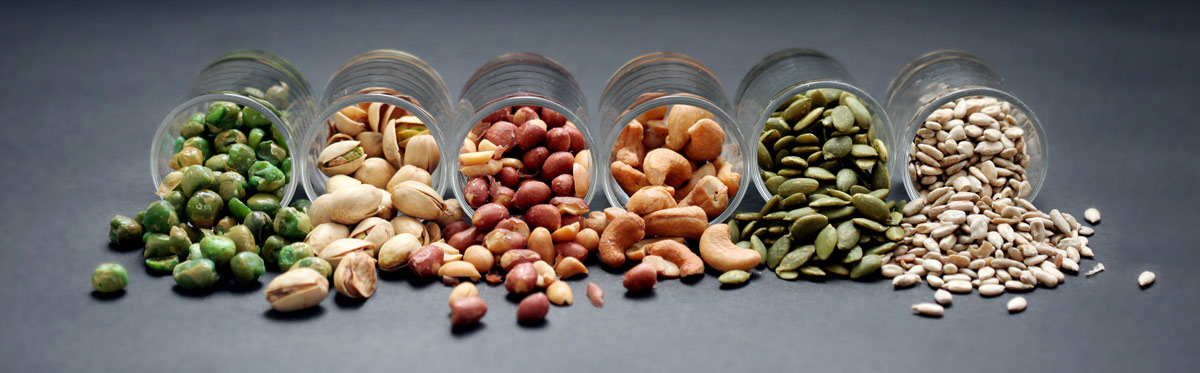
Olive Oil Hunter News #167

Composed Salad with Apple Balsamic Vinaigrette Recipe, Spotlight on Salad Greens, A Monthly 5-day Modified Fast to Boost Longevity and A Surprising Advantage of Exercise 

Composed salad—only the name of this dish sounds tricky. It’s actually a simple technique to arrange ingredients in a beautiful display and let everyone pick and choose what to put on their own plate. I’ve provided suggestions, but you get to pick your culinary adventure! 

Club members know that I believe in nourishing the body with healthful foods (that’s why sourcing fresh-pressed olive oil brimming with polyphenols is so important to me!). And in turn, the body can enrich us in remarkable ways. Two studies provide astounding food for thought to prove that point. The first is a new approach to intermittent fasting, and the second shows how bookmarking learning something new with bouts of physical exercise can help you retain the new information. Enjoy these fascinating reads.

Composed Salad with Apple Balsamic Vinaigrette

  • Composed Salad Composed Salad with Apple Balsamic Vinaigrette

    Sounds complicated and even more exotic in its original French—“salade composée”—but a composed salad is nothing more than an artful way to arrange your ingredients rather than tossing them together. Salade Niçoise and Cobb salad are two that are typically presented this way, but a composed salad can be made of any ingredients you choose—and it’s a great way to showcase fresh seasonal vegetables and even fruits. The following ingredients and directions are merely guidelines—let your imagination be your guide and remember that unusual combos can be delicious. Whatever you choose should have a flavorful dressing, so I’m including the recipe for one of my favorite vinaigrettes. It uses apple balsamic vinegar, a great change from classic balsamic of Modena.

    Ingredients

    For the vinaigrette:

    • 1⁄4 cup Apple Balsamic Vinegar
    • 1⁄4 teaspoon dried basil leaves, crushed 
    • 1 small shallot, minced 
    • 1 garlic clove, minced 
    • Pinch red pepper flakes
    • 1⁄2 cup extra virgin olive oil
    • Coarse salt and freshly ground black pepper to taste

    For the platter, choose any combination:

    • Protein: pick 1 or 2, such as sliced chicken, hard-boiled egg halves, or strips of prosciutto
    • Cheese: pick 1 or 2 such as cubes of fresh mozzarella or aged Parmigiano-Reggiano, or thin rounds of goat cheese
    • Greens: pick 1 lettuce or another leafy green, like arugula or baby spinach
    • Vegetables: pick 3 or 4, raw, steamed, or grilled, such as asparagus, cherry tomatoes, and string beans
    • Fruit and nuts: pick 1 or more, such as grapes, apple or pear slices, raisins or another dried fruit, avocado, and almonds or walnuts 
    • Legumes: pick 1, such as cooked beans or chickpeas

    Directions

    Step 1

    Make the vinaigrette: In a medium mixing bowl, whisk together the vinegar, basil, shallot, garlic, and red pepper flakes. Gradually whisk in the olive oil until the dressing is emulsified. Season to taste with salt and pepper.

    Step 2

    Compose your salad: Rinse and pat dry all raw ingredients. Cut all ingredients into bite-size pieces or thin slices. Lettuces and other greens can be sliced into ribbons. Choose a large platter and place one ingredient at a time, going from left to right. 

    Step 3

    Place the vinaigrette on the side so each person can add as much or as little as they want.

    Yields 4 servings

Healthy Ingredient Spotlight: Salad Greens 

Healthy Ingredient Spotlight

Salad Greens 

I’m a fan of varying the greens in my salads rather than sticking to one type every time. This choice goes beyond taste—each green has a different nutrient profile, so mixing it up means you get a wider range of vitamins, minerals, and other phytochemicals. Here are some choices to put in your own personal rotation.

Iceberg is one of the few lettuces that comes in a very compact head; another is romaine. The leaves of the more delicate butterhead and Boston lettuces are more loosely held together. Red or green loose-leaf lettuce and escarole aren’t compact at all.  

Many greens are sold as leaves, bundled or loose, including watercress, Swiss chard, arugula, baby spinach, and dandelion greens. Some leaves, like kale, have rigid spines or stems that you might want to remove if eating raw but that soften when cooked. 

All greens are a good source of fiber and water. Romaine and spinach have the highest amounts of vitamin A and folate (a B vitamin), spinach and Swiss chard are highest in vitamin K and potassium, and kale and spinach take top honors for calcium.

Quick Kitchen Nugget: Storing Salad Greens

Quick Kitchen Nugget

Storing Salad Greens

Salad greens

It’s frustrating to buy a box or package of greens—or even a loose head—only to find that some of the leaves have turned when you go to make a salad. These quick tips can help keep them fresh.

If possible, store greens by themselves (and definitely away from any fruit) in one of the crisper drawers of your fridge with the humidity set at high. Newer, more high-tech refrigerators offer very precise climate control, sometimes through an app on your phone.  

If your greens are bagged, you can try the puffing technique: blow into the bag to puff it up (like a balloon) and then seal in the air by closing the bag with a rubber band. Another option, especially if your greens are in a plastic clamshell or tight bag, is to spread them out in single layers between sheets of paper towels (discard any leaves that have wilted), roll up the paper towels, and store the roll in a reusable container. Rinse before eating, not before storing.

For Your Best Health: A Monthly 5-day Modified Fast to Boost Longevity

For Your Best Health

A Monthly 5-day Modified Fast to Boost Longevity

We’ve shared reports of studies showing that you may be able to reduce inflammation and better ward off diseases with intermittent fasting—eating fewer than 500 calories on two days of every week or limiting eating to an 8- or 10-hour daily window. Recently, a University of Southern California Leonard Davis School of Gerontology-led study, published in the journal Nature Communications, found that one five-day monthly cycle of a diet that mimics fasting, known as a fasting-mimicking diet (FMD), can reduce signs of immune system aging, as well as insulin resistance and liver fat, resulting in a lower “biological” age—a measure of how well your cells and tissues are functioning regardless of your chronological age.

The FMD, developed by Valter Longo, PhD, the study’s senior author and professor at the USC Leonard Davis School, is high in unsaturated fats and low in overall calories, protein, and carbohydrates. It’s designed to mimic the effects of a water-only fast while still providing necessary nutrients and making it much easier for people to complete. 

“This is the first study to show that a food-based intervention that does not require chronic dietary or other lifestyle changes can make people biologically younger, based both on changes in risk factors for aging and disease and on a validated method developed by the Levine group to assess biological age,” Dr. Longo said. (The Levine group, led by Morgan Levine, PhD, designs tools just to measure biological age.) 

Previous research led by Longo indicated that brief, periodic FMD cycles are associated with a range of beneficial effects, such as promoting stem cell regeneration, easing chemotherapy side effects, and reducing the signs of dementia in mice. Dr. Longo’s lab also had previously shown that one or two cycles of the FMD for five days a month increased the health span and lifespan of mice on either a normal or a Western diet, but the effects of the FMD on aging and biological age, liver fat, and immune system aging in humans were unknown until now. In addition, the FMD cycles can lower the risk factors for cancer, diabetes, heart disease, and other age-related diseases in people.

The study analyzed the diet’s effects in two clinical trial populations, each with men and women between the ages of 18 and 70. Patients who were randomized to the fasting-mimicking diet underwent 3-4 monthly cycles, adhering to the FMD for 5 days, then ate a normal diet for 25 days. The FMD is comprised of plant-based soups, energy bars, energy drinks, chip snacks, and tea plus a supplement providing high levels of minerals, vitamins, and essential fatty acids. 

An analysis of blood samples from trial participants showed that those in the FMD group had lower diabetes risk factors, including less insulin resistance and lower HbA1c results. Magnetic resonance imaging also revealed a decrease in abdominal fat as well as fat within the liver, improvements associated with a reduced risk of metabolic syndrome. In addition, the FMD cycles appeared to increase the lymphoid-to-myeloid ratio, an indicator of a more youthful immune system. Further statistical analysis of the results showed that FMD participants had reduced their biological age by 2.5 years on average.

“This study shows for the first time evidence for biological age reduction from two different clinical trials, accompanied by evidence of rejuvenation of metabolic and immune function,” Dr. Longo said. It lends more support to the FMD’s potential as a short-term periodic, achievable dietary intervention that can help people lessen their disease risk and improve their health without extensive lifestyle changes, he added.

“Although many doctors are already recommending the FMD in the United States and Europe, these findings should encourage many more healthcare professionals to recommend FMD cycles to patients with higher-than-desired levels of disease risk factors as well as to the general population that may be interested in increased function and younger age,” said Dr. Longo.

Fitness Flash: A Surprising Advantage of Exercise 

Fitness Flash

A Surprising Advantage of Exercise 

Looking to improve your fine motor skills? You can benefit from physical exercise both before and after practicing these skills, according to new research from the department of nutrition, exercise, and sports at the University of Copenhagen. This finding also can, among other things, make the way we rehabilitate more effective.

Before a violinist wants to learn a new piece or a surgeon stands at the training table to learn a new surgical technique, they might consider heading out for a bike ride or run. Once they’ve practiced the new skill, there’s good reason to put on their workout attire again. Indeed, being physically active and elevating one’s heart rate has the wonderful side effect of improving our ability to learn by increasing the brain’s ability to remember, stated the researchers. They showed that this effect also applies to the formation of motor memory, enabling us to recall and perform tasks such as riding a bike, driving a car, and lacing up our shoes, almost automatically.

Violinist playing violin

“Our results demonstrate that there is a clear effect across the board. If you exercise before learning a skill, you will improve and remember what you have learned better. The same applies if you exercise after learning,” said Lasse Jespersen, PhD, first author of the study. Specifically, the researchers found around 10% improvement in people’s ability to remember a newly learned motor skill when exercise is included either before or after the new skill. “But our research shows that the greatest effect is achieved if you exercise both before and after,” Dr. Jespersen added.

“This is probably because physical activity increases the brain’s ability to change, which is a prerequisite for remembering,” explained co-author Jesper Lundbye-Jensen, PhD, who heads the department’s movement and neuroscience section. Specific parts of the brain are activated when a person engages in motor practice that requires the acquisition of fine motor skills. If the task is an activity that one knows well, like riding a bicycle, the centers are less active, but that all changes when learning something new. The brain undergoes actual changes, something that is essential for our ability to learn and remember new skills, a phenomenon known as brain plasticity. These changes occur not only while the new skill is acquired through practice but also in the hours after, when the memory is consolidated. This is why it is meaningful to be physically active even after we’ve engaged in something new.

The effect applies to everyone, including children, adolescents, and older adults, and in particular anyone who regularly needs to learn new skills. Moreover, the effects may hold significance for individuals undergoing rehabilitation, aiming to recover mobility and lost motor skills. 

“Typically, rehabilitation is divided between two or three different disciplines. In practice, this may mean that Mr. Smith will have physical training with a physiotherapist on one day, work with an ergonomist the next, and train cognitive abilities with a psychologist on the third. Our research suggests that it could be wise to plan rehabilitation so that these areas are considered together, as doing so could have a synergistic effect,” explained Dr. Lundbye-Jensen. “Coming back often entails hard work, and even slight improvements in efficiency can mean a lot to people in that situation.”

Sixty-seven test subjects were involved in the research project. To ensure comparable data, all subjects were young men between the ages of 18 and 35 who were not physically or mentally impaired in ways that could limit their learning ability and physical performance.

The researchers examined the subjects’ behavior and performance while reviewing one of four possible scenarios. First, the subjects either rested or exercised moderately on a bicycle. After that, they were subjected to a fine motor task in the form of a simple computer game that, with a small device on their fingertips, challenged and practiced their motor dexterity.

Next, they either exercised intensely on a fitness bike or rested. That meant there was one group that rested both before and after, one that trained both times, and two that trained once, either before or after. Their skill level and memory were tested again after seven days to assess whether what they had learned stuck.

As a somewhat unusual criterion, professional musicians and gamers were excluded as possible participants. “People with extensive experience in practicing motor skills typically start at a different level. While the motor task used in the research study was unknown to all, involving experts would have changed the dynamic from the get-go. But that doesn’t mean they wouldn’t benefit from the effects we’ve shown. To the contrary, in a future study, it could be exciting to investigate how exercise affects people with elite-level fine motor skills,” said Dr. Jespersen.

Get More Recipes In Your Inbox!