Brie and Sweet Potato Bites Recipe, Spotlight on Thyme, Baking Brie, and The Simple Key to Resistance Training
Looking for an easy and elegant finger food for your next get-together? This recipe checks all the boxes, plus it’s packed with antioxidants. Plus, when it comes to lifestyle changes is the new position stand from the American College of Sports Medicine on resistance training. It could provide the motivation to get started on a program.
These bites make an elegant appetizer. For the sweet potatoes, choose long rather than rounded ones to get the most slices from each. Keeping the brie refrigerated until needed makes it easier to cut.
Ingredients
Extra virgin olive oil
2 sweet potatoes, about 7 to 8 inches long and 2 pounds in total
1 teaspoon fine sea salt
1 teaspoon freshly ground black pepper
1/2 cup dried cranberries
8 ounces brie, cut into 16 pieces
2 tablespoons chopped fresh thyme
Directions
Step 1
Preheat your oven to 400°F. Line a rimmed sheet pan with parchment paper and generously drizzle the paper with olive oil. Rinse the potatoes and pat dry. Trim off the pointy ends and slice each potato into 8 rounds about 1/2-inch thick.
Step 2
Arrange the rounds on the sheet pan, drizzle each with olive oil, and sprinkle with the salt and pepper. Roast for 30 minutes or until a knife tip slides easily through them.
Step 3
Carefully take the sheet pan out of the oven and top each round with a few dried cranberries and a piece of brie. Return to the oven for 2 to 3 minutes until the cheese has melted.
Step 4
Once out of the oven, sprinkle with the thyme and drizzle with more olive oil. Let cool slightly before serving.
Yields 16 bites
Healthy Ingredient Spotlight
Thyme
This herb deserves a spot in your windowsill garden and your spice cabinet. Fresh or dried, it delivers deep flavor—earthy, slightly peppery, and with hints of mint (it’s a distant relative of mint). Thyme also offers an abundance of antioxidants including vitamin C, vitamin A, lutein, and zeaxanthin. Thanks to a wide variety of natural compounds, it may possibly boost mood, support brain cell function and memory, and improve gut health.
Quick Kitchen Nugget
Baking Brie
A hot oven quickly turns this French cheese into gooey deliciousness that often makes it taste milder and even more buttery. There’s no need to trim off the rind—it actually helps the cheese keep some shape in the oven.
Fitness Flash
The Simple Key to Resistance Training
The first major update to resistance training recommendations in 17 years delivered a straightforward message: Even simple routines with small amounts of resistance training can improve strength, increase muscle size, enhance power, and support overall physical function. The key is not perfection but consistency.
The updated guidance, released by the American College of Sports Medicine (ACSM) as a Position Stand and published in Medicine & Science in Sports & Exercise, is built on 137 systematic reviews covering more than 30,000 participants. This makes it the most extensive and evidence-based set of resistance training recommendations to date.
“The best resistance training program is the one you’ll actually stick with,” said Stuart Phillips, PhD, distinguished professor in the department of kinesiology and an author on the Position Stand. “Training all major muscle groups at least twice a week matters far more than chasing the idea of a ‘perfect’ or complex training plan. Whether it’s barbells, bands, or bodyweight, consistency and effort drive results … The new document reflects that surge in evidence and expands its recommendations to include more people and more types of training than ever before.”
A key takeaway is that the biggest benefits often come from a simple starting point. Transitioning from no resistance training to any regular activity can lead to meaningful improvements. While factors such as load, volume, and frequency can be adjusted, experts say the main priority for most adults should be building a routine they can follow consistently.
Another important shift in the recommendations is the recognition that effective resistance training does not require access to a gym. Exercises using elastic bands, bodyweight movements, or simple at-home routines can still produce measurable gains in strength, muscle size, and daily function.
According to Dr. Phillips, strict rules about the “ideal” training plan are no longer supported by current evidence. Instead, personal preferences, enjoyment, and the ability to maintain a routine over time are what matter most. This approach is especially important for adults who want to stay strong, healthy, and capable as they age.
Shrimp with Cellophane Noodles Recipe, Spotlight on Cellophane Noodles, Shopping for Frozen Shrimp, Control Blood Pressure to Reduce Dementia Risk and The Longevity Benefits of Varied Exercise
Looking for a change of pace for dinner? Thai cuisine boasts a wide array of flavorful dishes that are often simple to make and totally satisfying. Shrimp with cellophane noodles cooks up in under a half hour, from prep to finish. This edition’s health news includes ways to reduce dementia risk as well as to increase lifespan.
This classic Thai dish is a delicious one-pot meal that also happens to be gluten free. High-quality wild-caught frozen shrimp make a great option; let them defrost overnight in the fridge.
Ingredients
8 ounces cellophane (mung bean) noodles
2 tablespoons soy sauce
3 tablespoons oyster sauce
1 tablespoon toasted sesame oil
1 tablespoon brown sugar
1 pound large shrimp, peeled and deveined
1/2 teaspoon freshly ground black pepper
2 cups homemade or low-sodium store-bought chicken broth
2 tablespoons extra virgin olive oil, plus more for the pot
1 tablespoon freshly grated ginger
2 tablespoons minced garlic
6 scallions, trimmed and sliced into small pieces
1/3 cup each finely chopped fresh cilantro and peanuts (optional)
Lime wedges
Directions
Step 1
Soak the noodles in a large bowl of fresh water at room temperature to soften, about 15 minutes.
Step 2
In a separate bowl, whisk together the soy and oyster sauces, sesame oil, and sugar. Transfer 2 tablespoons of the mix to another bowl along with the shrimp and black pepper; toss well.
Step 3
Add the broth to the bowl with the remaining soy sauce mixture.
Step 4
Once the noodles have softened, drain and use kitchen shears to cut the strands into thirds. Lightly brush a large Dutch oven with olive oil and heat it to medium-high heat. When hot, add the 2 tablespoons olive oil, ginger, garlic, and scallions and sauté until fragrant, about 3 minutes. Stir in the noodles and then spread out in an even layer. Top with an even layer of shrimp, drizzling on any shrimp marinade from the bowl, then slowly add the broth mixture. Turn the heat down to a simmer and cover the pot. Simmer for 10 minutes or until the shrimp and the noodles are cooked through. To serve, spoon equal amounts into deep bowls and top with cilantro and peanuts, if using, and a lime wedge.
Yields 4 servings
Healthy Ingredient Spotlight
Cellophane Noodles
Cellophane noodles are an unusual type of noodle because they’re made from mung beans, sweet potato, or tapioca rather than wheat. They also go by many names, including glass noodles, bean thread, or Chinese vermicelli. While they’re generally gluten free, be sure to check labels to see whether they were made in the same facility as any gluten products to avoid any potential cross-contamination.
The noodles come dried and should be soaked according to the recipe or package instructions before cooking. You know they’re done when they’re transparent and soft but take care not to overcook them or else they’ll become mushy. Like many types of noodles, they take on the flavors of other ingredients in a recipe, so they lend themselves to many cuisines.
Quick Kitchen Nugget
Shopping for Frozen Shrimp
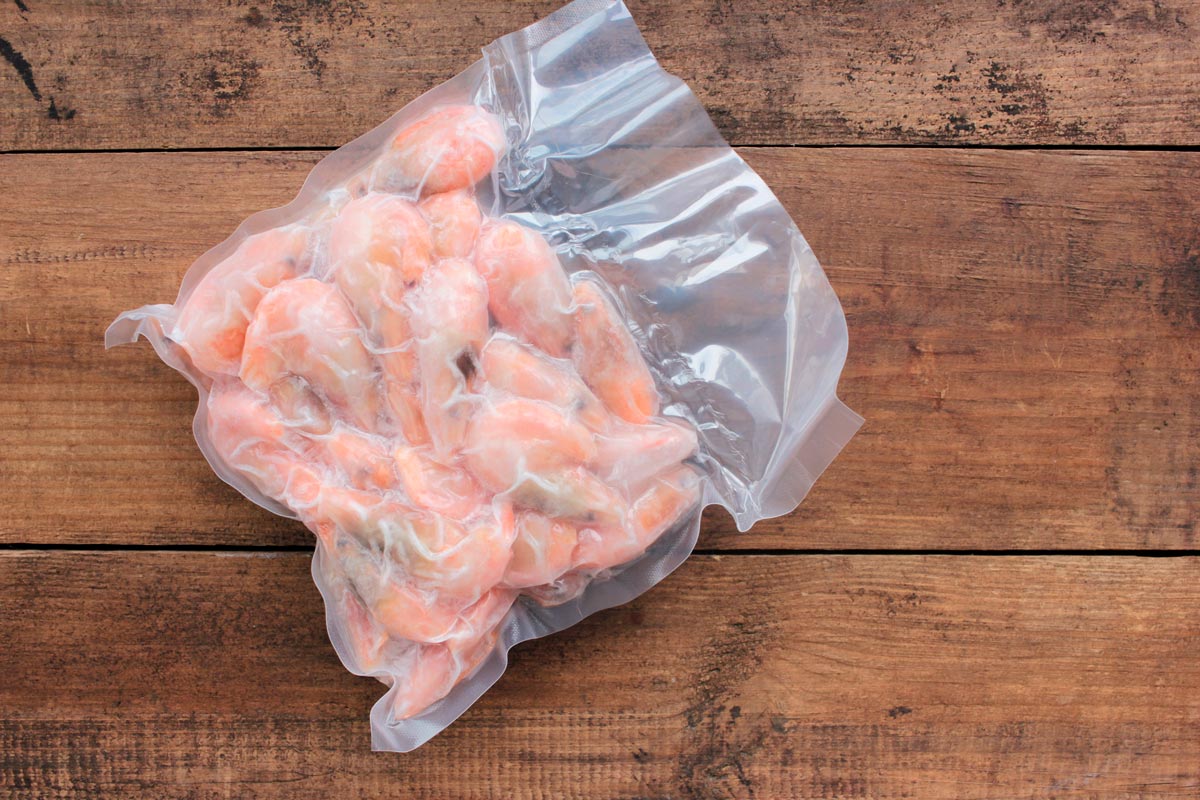
Buying flash-frozen shrimp is a great choice because it can often be fresher than “fresh” shrimp. But there are many types of frozen shrimp available, so it’s important to be selective. First and foremost, choose wild-caught, not farm-raised, shrimp. Look for certifications from the Marine Stewardship Council (MSC) or Aquaculture Stewardship Council (ASC); these show that the shrimp were sustainably sourced, are traceable, and were harvested from healthy populations with minimal environmental impact before being individually quick frozen (or IQF)—shrimp frozen separately won’t be clumped in a block. For more convenience, look for frozen shrimp that’s already been shelled and deveined—when you buy a pound, you’re getting the full pound. A pound of shrimp with the shell nets only about 13 ounces of meat.
For Your Best Health
Control Blood Pressure to Reduce Dementia Risk
Researchers examined two known risk factors for developing dementia—one genetic and one relating to blood vessel damage in the brain. They wanted to know how much a person’s dementia risk might increase if they had both factors. In their study, published in the journal Annals of Neurology, they found that while the likelihood of developing dementia does rise if a person has both risk factors, there is a silver lining: The vascular component is within a person’s control, offering a route for minimizing dementia risk even if they have higher genetic risk.
“Our study addressed whether these two known risk factors act additively or multiplicatively to increase the risk of incident all-cause dementia,” says senior author Adam de Havenon, MD, associate professor of neurology at Yale School of Medicine. “We wanted to show that controlling vascular risk factors like high blood pressure could prevent harmful brain changes, meaning that even those with bad genetic luck could avoid the worst outcomes.”
The study used data from the Atherosclerosis Risk in Communities study and the UK Biobank. The team assessed two measures: white matter hyperintensity (WMH) and whether a person was a carrier of the ε4 variant of the APOE gene. WMH are lesions, or scar tissue areas, in the brain that show up as bright white spots on an MRI. They’re associated with damage to the small blood vessels in the brain, which can be caused by high blood pressure and can accumulate over time. The APOE gene encodes for a protein involved in transporting fat, such as cholesterol. When people have the ε4 variant, they carry a higher risk of developing Alzheimer’s disease.
The researchers found that participants with both a high WMH burden and at least one APOE ε4 allele faced elevated dementia risk compared to those with neither risk factor. These effects, however, were additive rather than multiplicative, meaning each factor contributed its own risk increase rather than also exacerbating the effect of the other factor. “This tells us something really important,” Dr. de Havenon explained. “Even if you’ve been dealt a bad genetic hand with APOE ε4, you’re not destined for dementia. The vascular component is modifiable.”
For instance, the health factors that can contribute to the development of WMH can be prevented or slowed through blood pressure management, diabetes control, and other cardiovascular interventions, he explained. “It’s really a two-hit scenario,” said Dr. de Havenon. “If you have APOE ε4 and you don’t take care of your vascular health, then you’re in a high-risk group. But having the APOE ε4 genotype is not a foregone conclusion for developing dementia later in life. Our analysis suggests that while the gene increases risk, the ultimate outcome is highly dependent on other factors. My hope is that people who find out they have this genetic mutation will be very serious about their vascular risk factors.”
Fitness Flash
The Longevity Benefits of Varied Exercise
It’s well known that physical activity levels have consistently been linked with lower mortality, but there’s been limited evidence about the role of specific physical activities, each of which can have distinct benefits. What had been unclear was whether long-term engagement in multiple physical activities has additional benefits. To answer that question, an international team of researchers analyzed physical activity data that spans more than 30 years from over 111,000 participants in the Nurses’ Health Study and the Health Professionals Follow-Up Study.
Their study, published in BMJ Medicine, found that regularly engaging in a variety of physical activities may be the best way to prolong your lifespan. Specifically, participants with the broadest range of physical activities had a 19% lower risk of death from all causes and a 13%-14% lower risk of death from heart disease, respiratory disease, cancer, and other causes. Activities included walking, running, racquet sports, bicycling, rowing, swimming, and weight training. Only swimming couldn’t be identified as a known contributor to these results because it wasn’t possible to determine the intensity at which participants swam; further study is needed. On the other hand, the researchers confirmed the importance of weight training, a non-aerobic form of exercise that helps maintain muscle mass.
Their findings support the notion that engaging in a diverse range of physical activity types, alongside increasing total physical activity levels, may help reduce the risk of premature death and extend lifespan, adding a crucial new dimension to the advice to stay active: Variety is just as important as volume.
Baked Ziti Recipe, Spotlight on Whole Wheat Pasta, Understanding al Dente, How the Nose Fends Off Colds and Fighting Age-Related Muscle Loss
When it comes to comfort food, few dishes can top baked ziti, with its luscious sauce and melted cheeses. And it doesn’t take much effort for all that reward! I’m sharing interesting research that may explain why some people are more prone to colds than others as well as a reminder about maintaining muscle as we age.
This delectable dish starts with a rich yet quick tomato sauce. You can substitute a 15-ounce can of diced tomatoes with their juice for the fresh tomatoes but add it after the tomato paste.
Ingredients
3 tablespoons extra virgin olive oil, plus more for the baking dish and drizzling
2 garlic cloves, chopped
1 pound tomatoes, any type, coarsely chopped
One 6-ounce can tomato paste
1 teaspoon sugar
1 teaspoon fine sea salt
1/2 teaspoon crushed red pepper flakes, plus more to taste
1/2 teaspoon freshly ground black pepper
1 pound ziti
16 ounces ricotta cheese
12 ounces mozzarella, thinly sliced
1/3 cup freshly grated Parmigiano-Reggiano cheese
Directions
Step 1
Brush a 13-inch by 9-inch baking dish with olive oil; set aside.
Step 2
Heat a medium saucepan over medium heat. When hot, add the 3 tablespoons olive oil and garlic and sauté for 3 minutes, then add the tomatoes. Cook, stirring constantly, until the tomatoes become soft, then push them to the outsides of the pan. Add the tomato paste and cook it until it becomes fragrant and darkens in color, about 5 minutes. Mix the paste with the tomatoes and garlic, then press with a masher to release all of the tomatoes’ juices. Stir in the sugar, salt, and both peppers and continue cooking for 10 minutes.
Step 3
Meanwhile, preheat your oven to 350°F. Cook the ziti according to the package directions until al dente, then drain.
Step 4
Off the heat, stir the ricotta into the sauce, then fold in the pasta. Transfer the mixture to the baking dish. Top with overlapping slices of mozzarella, then sprinkle on the grated cheese.
Step 5
Bake for 25 minutes, until the cheeses are bubbly. Cool for 10 minutes before serving.
Yields 8 servings
Healthy Ingredient Spotlight
Whole Wheat Pasta
To add more nutrients and fiber to your ziti, opt for whole wheat pasta. It’s made from the entire wheat kernel—bran, germ, and endosperm—and retains its vitamins and minerals. While it takes a bit longer to cook, follow package directions to be sure it’s al dente.
Quick Kitchen Nugget
Understanding al Dente
Al dente literally means to the tooth—firm when bitten yet not hard or raw tasting. Most Italian cooks boil pasta to this stage regardless of the recipe. Americans tend to like their pasta more tender. But when it will be twice cooked, as with ziti, lasagna, and stuffed shells, it needs to be al dente before it goes into the oven or else it will be too soft.
If your pasta box doesn’t list al dente cooking time, test a piece about 2 minutes sooner than the general directions and see whether it has a bit of bite. If it’s too firm, check it again in a minute.
For Your Best Health
How the Nose Fends Off Colds
When rhinovirus, the most common cause of the common cold, enters the nasal passages, the cells lining the nose immediately begin working together to fight the infection. These cells activate a wide range of antiviral defenses designed to limit the virus and stop it from spreading. In a study published in the journal Cell Press Blue, researchers show that this early response plays a key role in whether a person becomes sick and how severe their symptoms become. The findings suggest that the body’s reaction to rhinovirus often matters more than the virus itself.
“As the number one cause of common colds and a major cause of breathing problems in people with asthma and other chronic lung conditions, rhinoviruses are very important in human health,” said senior author Ellen Foxman, MD, PhD, of the Yale School of Medicine. “This research allowed us to peer into the human nasal lining and see what is happening during rhinovirus infections at both the cellular and molecular levels.”
To closely observe how nasal cells respond to infection, the research team built a lab-grown model of human nasal tissue with multiple cell types found in the human airway, including mucus-producing cells and cells with cilia, the tiny hairlike structures that help move mucus and trapped particles out of the lungs. “This model reflects the responses of the human body much more accurately than the conventional cell lines used for virology research,” Dr. Foxman said.
Using this model, the researchers were able to monitor how thousands of individual cells respond together during infection. They also examined what happened when the cellular sensors responsible for detecting rhinovirus were blocked. These experiments revealed a powerful defense system coordinated by interferons, which are proteins that interfere with viral entry and replication.
When nasal cells detect rhinovirus, they release interferons that activate antiviral defenses not only in infected cells but also in nearby healthy cells. This coordinated response makes it difficult for the virus to reproduce and spread. If interferon activity begins quickly, the infection can be contained early. When the researchers blocked this response, the virus spread rapidly, infecting many more cells and causing significant damage. In some cases, the infected organoids did not survive.
“Our experiments show how critical and effective a rapid interferon response is in controlling rhinovirus infection, even without any cells of the immune system present,” said first author Bao Wang, PhD, of the Yale School of Medicine.
The study also uncovered additional responses that occur when viral replication increases. Under these conditions, rhinovirus can activate a separate sensing system that leads both infected and uninfected cells to produce large amounts of mucus and inflammatory signals. This reaction can contribute to airway inflammation and breathing difficulties in the lungs. According to the researchers, these pathways may offer useful targets for treatments aimed at reducing harmful symptoms while supporting effective antiviral defenses.
“Our study advances the paradigm that the body’s responses to a virus, rather than the properties inherent to the virus itself, are hugely important in determining whether or not a virus will cause illness and how severe the illness will be,” Dr. Foxman said. “Targeting defense mechanisms is an exciting avenue for novel therapeutics.”
Fitness Flash
Fighting Age-Related Muscle Loss
A new study in mice is giving scientists fresh clues about why our muscles lose strength as we get older and why exercise remains one of the most reliable ways to fight it.Researchers at Duke-NUS Medical School found that a gene regulator called DEAF1 seems to push a key muscle-maintenance system into overdrive as we age. When we’re young, the system known as mTORC1 helps build and repair muscle. But later in life, it can get stuck in high gear and begin to damage muscle cells instead.
“The mTORC1 pathway is essential for muscle growth yet becomes chronically overactive in aging—a paradox that has made it challenging to pinpoint what drives this dysregulation,” said the study’s senior author Hong-Wen Tang, PhD, an assistant professor in the Cancer and Stem Cell Program at Duke-NUS and Singapore General Hospital.
Until now, scientists didn’t know what caused this shift. “Identifying DEAF1 fills an important gap in understanding how age-related stress signals become hardwired into a persistent anabolic state that ultimately harms muscle cells,” Dr. Tang said.
The study suggests DEAF1 essentially hits the gas on a system already running too fast. By pushing mTORC1 into overdrive, DEAF1 causes muscles to make too many proteins, fail to clear damaged ones, and gradually weaken.
One of the most surprising findings: Exercise reverses this process by lowering DEAF1 levels. That means in addition to building muscle, physical activity helps reset the core cellular pathways that keep muscles healthy. “It was a striking discovery,” said Dr. Tang. “It shows that exercise doesn’t just fix damage; it targets the switch that causes muscle aging in the first place.”
Scientists didn’t just look at whether exercise keeps muscles strong—they wanted to know how it does it. They put aging mice through endurance workouts, including an exhausting treadmill run. For comparison, another group of older mice stayed sedentary. After the workouts, the exercising mice showed big drops in mTORC1, the overactive pathway linked to muscle loss and function known as sarcopenia.
Researchers found that exercise lowers DEAF1 through a well-known set of longevity genes called FOXO. When activated during exercise, FOXO suppresses DEAF1—lifting the foot off the gas pedal—and helps mTORC1 return to normal. Their work highlights a new biological pathway—the FOXO-DEAF1-mTORC1 axis—that helps explain why muscles weaken with age and why exercise remains such a powerful antidote to age-related decline.
Black Dal Recipe, Spotlight on Black Lentils, How to Store Lentils, Sorbitol and The Liver, and More Muscle, Younger Brain
When it comes to dark leafy greens, kale occupies a heightened position thanks to its wide range of nutrients. And yet, shockingly, researchers have found that the body doesn’t absorb as many of them as hoped…unless you eat it with a healthy fat source, like extra virgin olive oil. I’m also sharing the trick to make this hearty green more tender, which also involves olive oil. It’s another reason why these two ingredients are a match made in heaven.
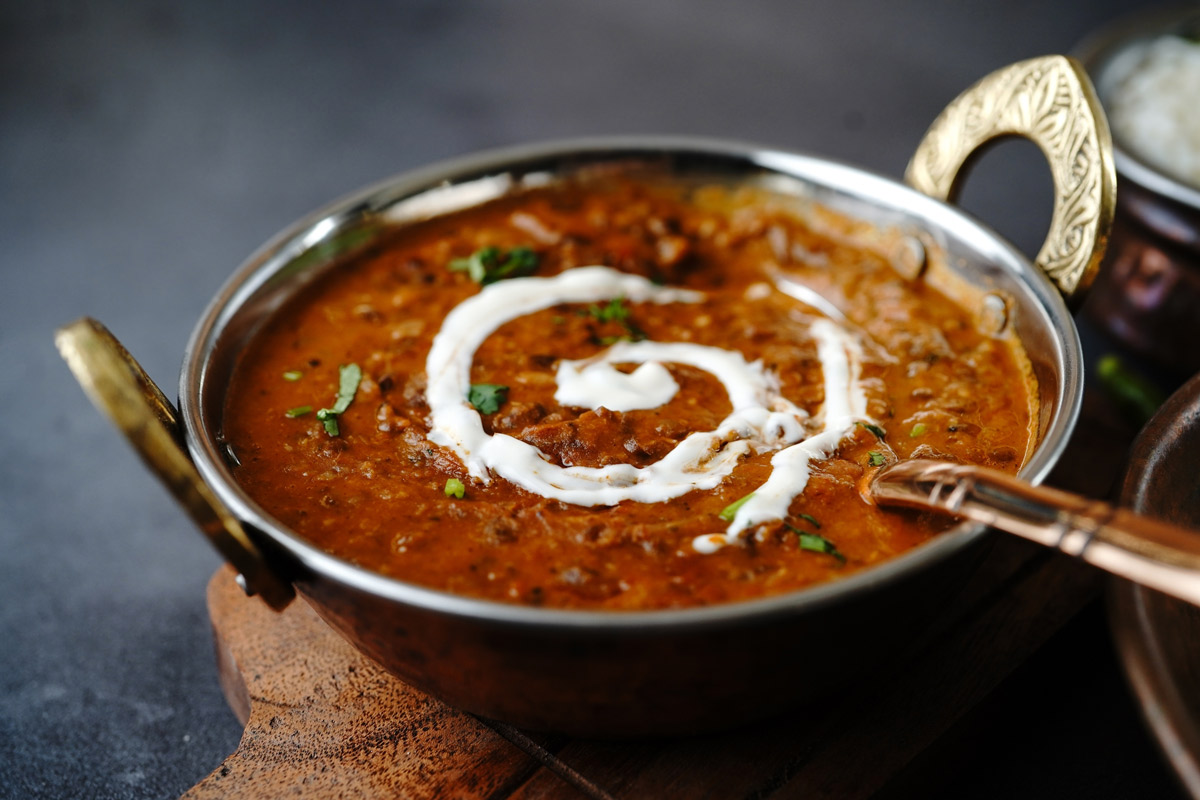
If you’re new to lentils, this flavorful recipe makes a great introduction. I’ve streamlined the number of spices used in traditional recipes because garam masala already incorporates the essentials—coriander, black pepper, cardamom, cinnamon, cloves, ginger, and nutmeg, among others. This makes a hearty meatless meal, a soup, or a side dish—scoop it up with a piece of your favorite Indian bread.
Ingredients
2 cups black lentils
3 tablespoons extra virgin olive oil, plus more for drizzling
1 small onion, minced
2-inch piece ginger, minced
2 garlic cloves, minced
One 6-ounce can tomato paste
2 teaspoons garam masala
1/2 teaspoon cayenne pepper
1 cinnamon stick
1 cup homemade or store-bought low-sodium chicken or vegetable broth
2 tablespoons unsalted butter
1/2 cup heavy cream
Optional garnish: chopped fresh cilantro
Directions
Step 1
Rinse the lentils, and then put them in a stockpot or Dutch oven. Add enough cold water to cover them by 2 or 3 inches. Bring to a rolling boil and cook for 5 minutes, then lower the heat to a simmer. Cook for about 45 minutes, stirring occasionally, until the lentils are tender but still hold their shape. (If the water level gets too low, add more water as needed to keep them covered). Drain if needed and transfer to a bowl.
Step 2
Rinse the pot and heat over medium-high heat. When it’s hot, add the olive oil and onions; cook until they become translucent, and then add the minced ginger and garlic and cook until fragrant. Push the vegetables to the sides of the pot and add the tomato paste in the center. Cook, stirring constantly, until the paste deepens in color, then mix into the vegetables. Add the garam masala, cayenne pepper, cinnamon stick, broth, and cooked lentils. Simmer for 15 minutes, stirring frequently, to infuse the lentils with the spices. Then stir in the butter and cream and simmer for 2 minutes. Serve with a drizzle of olive oil and a sprinkle of cilantro if desired.
Yields 6 main servings, 6 side servings
Healthy Ingredient Spotlight
Black Lentils
Lentils belong to the broader family of legumes, which includes beans and dried peas. But unlike those others, lentils don’t need an overnight soak in water, so there’s less prep needed. Also available in red, green, and yellow, lentils are rich in protein, fiber, and iron, along with dozens of other nutrients. Because of their deep color, round shape, and tiny size, black lentils are often called caviar or beluga lentils. Black dal traditionally uses urad dal, a mung bean that’s not a true lentil, though it is a legume. However, black lentils—which you can find at specialty markets or online—work extremely well for dal and many other recipes.
Quick Kitchen Nugget
How to Store Lentils
Like other legumes, lentils keep best in a cool, dry cabinet, either in their original packaging or a tightly sealed glass container. They’re most flavorful (and take less time to cook) when used within a year of packaging. Before cooking, check them for any debris, like tiny stones, and rinse with cold water, then drain.
For Your Best Health
Sorbitol and The Liver
Sweeteners such as aspartame, found in Equal packets, sucralose (Splenda), and sugar alcohols are widely promoted as healthier options than foods made with refined sugar (glucose). Many people turn to them hoping to reduce health risks linked to sugar and cut calories. But new scientific evidence is now calling that into question. Recent findings suggest that the sugar alcohol sorbitol in particular may not be as harmless as it is often assumed to be.
The findings come from a study published in Science Signaling that builds on years of research from the laboratory of Gary Patti, PhD, at Washington University in St. Louis into how fructose affects the liver and other organs. Dr. Patti, the Michael and Tana Powell Professor of Chemistry in Art & Sciences and a professor of genetics and medicine at WashU Medicine, has previously shown that fructose processed by the liver can be diverted in ways that fuel cancer cell growth. Other studies have linked fructose to steatotic liver disease, a condition that now affects about 30% of adults worldwide.
One of the most unexpected results of the new study is that sorbitol is essentially “one transformation away from fructose,” according to Dr. Patti. Because of this close relationship, sorbitol can trigger effects similar to those caused by fructose itself.
Using zebrafish as a model, Dr. Patti and his team showed that sorbitol, commonly found in low-calorie candies and gums and naturally present in stone fruits, can be produced inside the body. Enzymes in the gut can generate sorbitol, which is then transported to the liver and converted into fructose.
The team also discovered that the liver can receive fructose through multiple metabolic routes. Which pathway dominates depends on how much glucose and sorbitol a person consumes as well as the specific mix of bacteria living in their gut.
Most earlier studies of sorbitol metabolism focused on disease states such as diabetes, where high blood sugar leads to excess sorbitol production. Dr. Patti explained that sorbitol can also be created naturally in the gut after a meal, even in people without diabetes.
The enzyme responsible for making sorbitol does not bind easily to glucose, meaning glucose levels must rise significantly before the process begins. That is why sorbitol production has long been linked to diabetes. However, the zebrafish experiments showed that glucose levels in the intestine can become high enough after you eat to activate this pathway even under normal conditions. “It can be produced in the body at significant levels,” said Dr. Patti. “But if you have the right bacteria, turns out, it doesn’t matter.”
Certain Aeromonas bacterial strains are able to break down sorbitol and convert it into a harmless bacterial by-product. When these bacteria are present and functioning well, sorbitol is less likely to cause problems. “However, if you don’t have the right bacteria, that’s when it becomes problematic. Because in those conditions, sorbitol doesn’t get degraded, and as a result, it is passed on to the liver,” he said.
Once sorbitol reaches the liver, it is converted into a fructose derivative. This raises concerns about whether alternative sweeteners truly offer a safer option than table sugar, especially for people with diabetes and other metabolic disorders who often rely on products labeled as sugar-free.
At low levels, such as those typically found in whole fruits, gut bacteria are usually effective at clearing sorbitol. The trouble begins when the amount of sorbitol exceeds what these microbes can handle. This overload can happen when large amounts of glucose are consumed, leading to an increased production of sorbitol from glucose, or when the diet itself contains high levels of sorbitol. Even individuals with helpful bacteria may run into problems if their intake of glucose and sorbitol becomes too high, since the microbes can be overwhelmed.
Avoiding both sugar and sugar substitutes has become increasingly difficult, as many processed foods contain several forms of sweeteners at once. Dr. Patti said he was surprised to learn that his own favorite protein bar contained a significant amount of sorbitol.
Further research is needed to understand exactly how gut bacteria clear sorbitol. What is becoming clear, however, is that the long-held assumption that sugar alcohols, also known as polyols, are simply eliminated without harm may not be accurate. “We do absolutely see that sorbitol given to animals ends up in tissues all over the body,” he said. The overall message from the research is that replacing sugar is not as simple as it may seem. As Dr. Patti put it, “there is no free lunch” when it comes to sugar alternatives, and many metabolic pathways can ultimately lead back to liver dysfunction.
Fitness Flash
More Muscle, Younger Brain
New research shows that people who have more muscle and a lower visceral fat-to-muscle ratio tend to show signs of a younger biological brain age. This conclusion comes from a study recently presented at the annual meeting of the Radiological Society of North America. Visceral fat refers to the fat stored deep in the abdomen around key internal organs.
“Healthier bodies with more muscle mass and less hidden belly fat are more likely to have healthier, youthful brains,” said senior study author Cyrus Raji, MD, PhD, Associate Professor of Radiology and Neurology in the Department of Radiology at the Mallinckrodt Institute of Radiology at Washington University School of Medicine in St. Louis. “Better brain health, in turn, lowers the risk for future brain diseases, such as Alzheimer’s.”
Brain age is an estimate of how old the brain appears biologically, based on its structure as seen through an MRI. A whole-body MRI can track muscle mass, which serves as a marker for efforts to reduce frailty and strengthen overall health. Estimated brain age from structural scans may also shed light on risk factors for Alzheimer’s disease, including muscle loss.
“While it is commonly known that chronological aging translates to loss of muscle mass and increased hidden belly fat, this work shows that these health measures relate to brain aging itself,” Dr. Raji said. “It shows muscle and fat mass quantified in the body are key reflectors of brain health, as tracked with brain aging.”
The study evaluated 1,164 healthy adults across four research sites using whole-body MRI. Participants had a mean chronological age of 55.17 years. Imaging included T1-weighted MRI sequences, which highlight fat as bright and fluid as dark, providing a clear view of muscle, fat, and brain tissue. An artificial intelligence (AI) algorithm measured total normalized muscle volume, visceral fat (hidden belly fat), subcutaneous fat (fat under the skin), and predicted brain age.
The data indicated that individuals with a higher visceral fat-to-muscle ratio had higher predicted brain age. Subcutaneous fat showed no meaningful association with how old the brain appeared. “The participants with more muscle tended to have younger-looking brains, while those with more hidden belly fat relative to their muscle had older-looking brains,” Dr. Raji said. “The fat just under the skin wasn’t related to brain aging. In short, more muscle and a lower visceral fat-to-muscle ratio were linked to a younger brain.”
Dr. Raji explained that focusing on building muscle and reducing visceral fat are realistic and actionable goals. Whole-body MRI and AI-based brain age estimates can offer clear benchmarks for programs designed to lower visceral fat while maintaining or increasing muscle. He also noted that the results highlight the close connection between physical health and brain health.
“This research has validated widely held hypotheses about the association between body composition biomarkers and brain health and provides a foundation for those biomarkers to be included in future trials of various metabolic interventions and treatments.”
Commonly prescribed glucagon-like peptide-1 (GLP-1) weight loss medications, including Ozempic, are effective at reducing body fat but may also contribute to muscle loss. Dr. Raji suggested that the study’s findings could help guide the development of next-generation therapies. These future treatments may aim to reduce visceral fat more than subcutaneous fat while protecting muscle mass.
“Losing fat—especially visceral fat—while preserving muscle volume would have the best benefit on brain aging and brain health based on insights from our work,” he said. “Thus, our study can inform future treatments by promoting research that quantifies MRI of body fat, muscle, and brain age, which can help determine the optimal dosing regimens for GLP-1s to achieve the best outcomes in body and brain health.”

 Brie and Sweet Potato Bites