Fresh-Pressed Olive Oil Club

Olive Oil Hunter News #249

Kale Caesar Salad Recipe, Spotlight on Kale, Maximizing Kale’s Nutrients and The Warm-Up that Boosts Speed and Power

When it comes to dark leafy greens, kale occupies a heightened position thanks to its wide range of nutrients. And yet, shockingly, researchers have found that the body doesn’t absorb as many of them as hoped…unless you eat it with a healthy fat source, like extra virgin olive oil. I’m also sharing the trick to make this hearty green more tender, which also involves olive oil. It’s another reason why these two ingredients are a match made in heaven.

Kale Caesar Salad
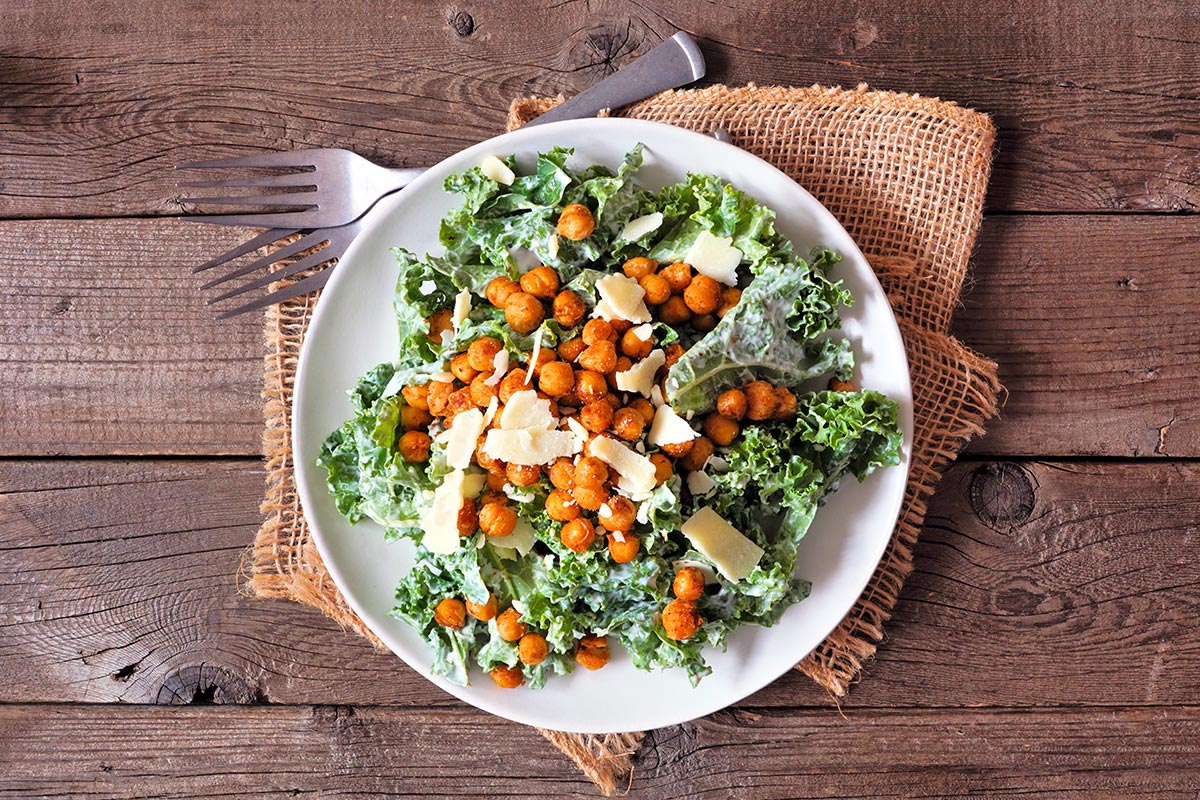
  • Caesar Kale salad Kale Caesar Salad

    This recipe makes Caesar salad more nutrient-rich in two yummy ways: using kale instead of Romaine lettuce and replacing croutons with roasted chickpeas, which can be seasoned any way you like. Both ingredients add texture as well as taste.

    Ingredients

    • 1 large or 2 small bunches kale (about 10 to 12 ounces), rinsed and patted dry
    • 3/4 cup extra virgin olive oil, divided use
    • One 15-ounce can chickpeas 
    • 1/2 teaspoon coarse sea salt
    • 1 teaspoon dried herbs or spices
    • 1 small can anchovies (2 ounces or less) or 2 tablespoons anchovy paste
    • 4 cloves garlic
    • 1 tablespoon Dijon mustard
    • 1 teaspoon freshly ground black pepper
    • 2 tablespoons freshly squeezed lemon juice, more to taste

    Directions

    Step 1

    Separate the kale leaves and cut out and discard the main stems. Slice the leaves into ribbons and add to a large bowl. Drizzle on 3 tablespoons of olive oil and use your fingers to massage the oil into the kale for 2 to 3 minutes. Set aside while you roast the chickpeas and make the dressing. 

    Step 2

    To roast the chickpeas, preheat your oven to 400°F. Rinse and drain them, then place on paper towels and dry as thoroughly as possible. Transfer to a rimmed sheet pan and toss with 1 tablespoon olive oil, the salt, and your choice of herbs and/or spices. Spread them out in an even layer and roast for a total of 30 minutes or until they’re brown and crunchy, turning them every 10 minutes. 

    Step 3

    While the chickpeas are roasting, make the dressing. In a food processor, purée the anchovies and garlic, then add the mustard, black pepper, and lemon juice; process until smooth. With the machine running, add the remaining 1/2 cup olive oil and process until emulsified. Add the 1/4 cup cheese and pulse to blend. 

    Step 4

    Toss the kale with just enough of the dressing to lightly coat and divide among 4 bowls. Top with a generous amount of chickpeas. Serve with more cheese and the rest of the dressing.

    Note: Store any leftover chickpeas on a countertop in a container with a lid that’s slightly ajar; enjoy within 2 days—they make a great snack.

    Yields 4 servings 

Healthy Ingredient Spotlight: Kale Varieties

Healthy Ingredient Spotlight

Kale Varieties

Do your own taste test to see which types appeal to you most:

Curly kale with its wavy edges is the most common variety. It has very tough stems, so you’ll want to strip away the leaves before using.

Tuscan kale, also known as dinosaur and lacinato kale, is more tender than curly kale, and its leaves are not as thick. You’ll still want to remove the stems.

Red kale, also known as scarlet kale and red Russian kale, is similar to curly kale in terms of shape but has that showy color. 

Baby kale is far more tender and milder in taste than mature kale. It’s often served raw as part of a mixed green salad rather than cooked. 

Quick Kitchen Nugget: The Rub on Kale

Quick Kitchen Nugget

The Rub on Kale

Even without the stems, kale can be tough. When it first gained popularity for all its nutrients, the hunt was on to make the leaves more palatable. Rubbing them with your fingers did help soften them somewhat, but the real trick is to massage them with extra virgin olive oil for a few minutes. The oil breaks down the natural waxy coating that protects the plant from the elements, notably rain, and in turn softens the greens. This massage has a double bonus, as you’ll see from the research below. 

For Your Best Health: Maximizing Kale’s Nutrients

For Your Best Health 

Maximizing Kale’s Nutrients

Kale made its way to the top of most “healthiest foods” lists because it’s rich in vitamins A, B6, C, K, and folate; minerals like manganese; fiber; and important phytonutrients like carotenoids. Now for the shocker: Kale’s prized nutrients are hard for the body to absorb unless it’s eaten with a fat like olive oil, according to researchers at the University of Missouri’s College of Agriculture, Food and Natural Resources (CAFNR). 

“Kale is a nutrient-rich vegetable that contains carotenoids, including lutein, α-carotene, and β-carotene, which have beneficial effects on overall health,” said Ruojie (Vanessa) Zhang, assistant professor in the Division of Food, Nutrition and Exercise Sciences at CAFNR. These compounds, along with vitamins C and E and other bioactive plant chemicals in kale, have been associated with stronger immunity, improved vision, and a lower risk of diseases including diabetes, heart disease, and some cancers. “The problem is our bodies have a hard time absorbing these nutrients because they are fat-soluble rather than water-soluble,” she said.

To find what types of prep would make carotenoids easier for the body to access, the researchers evaluated kale prepared in different ways: raw; cooked; cooked with oil-based sauce, or cooked and then served with the sauce. They used a laboratory model that mimics human digestion to assess each option.

Kale varities

The experiments showed that raw kale on its own resulted in very low carotenoid absorption and cooking kale slightly reduced absorption even further. But pairing it with the sauce significantly increased the amount of absorbed carotenoids, whether the kale was raw or cooked. Cooking the kale with the sauce provided the same benefit as adding the sauce after cooking.

These results highlight practical, science-backed ways to help the body take in more beneficial nutrients from produce and how you can improve everyday meals simply by changing how foods are prepared or seasoned. 

“Our team is committed to advancing food science with the goal of improving human health through the development of innovative foods and technologies,” she said. “We believe impactful science can drive meaningful change in global nutrition and well-being, and we’re excited to contribute to that mission.”

Fitness Flash Icon: The Warm-Up that Boosts Speed and Power

Fitness Flash

The Warm-Up that Boosts Speed and Power

Whether preparing for a marathon, squeezing in an after-work gym session, or stepping onto the field for a professional game, warming up plays a crucial role in your performance.

Research from Edith Cowan University (ECU) exploring whether warm-up routines could influence exercise performance found that elevated muscle temperature improves the speed and force of muscle contractions. This effect was especially noticeable during rapid high-power movements.

“The research found that for every 1°C increase in muscle temperature, performance improved by about 3.5%, with the greatest benefits seen in rate-dependent muscle properties like speed and power, but not in maximum strength,” said lead researcher Cody Wilson, PhD.

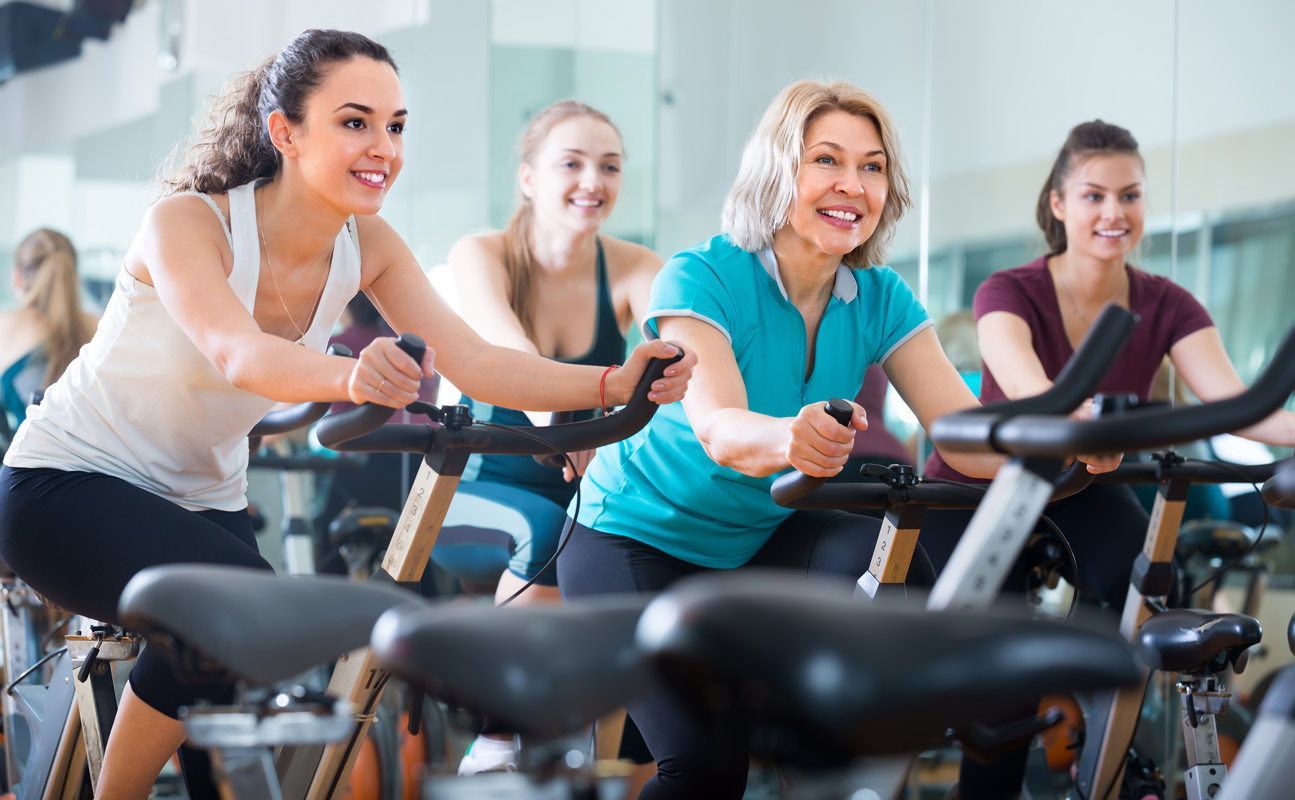
The study assessed how different types of warm-ups influence muscular performance. Passive warm-ups relied on external heat sources, such as a heating pad or a hot shower, to increase muscle temperature without movement. Active warm-ups involved gentle activity like 10 minutes on a stationary bike or completing a lighter version of the upcoming exercise.

“While both active and passive warm-ups result in better speed and power, a lot of research shows that the warm-up exercises should be similar to the exercise you will be doing. If you are lifting weights, starting out by doing the exercise with lighter weights, because the practice actually helps us activate our muscles more and use more efficient movement patterns—the nervous system can learn on the spot,” said fellow author and PhD candidate JP Nunes.

Dr. Wilson agreed that warm-ups that resemble the main workout can support better performance outcomes: “Any warm-up is important, whether that’s just walking to the gym or doing a 10-minute cycle before your workout. But there is some indication that warm-ups not related to the exercise being performed do not have as great an effect on performance as just ‘practicing’ the performance.”

When it comes to deciding the right moment to shift from warming up to working out, ECU Professor of Biomechanics Tony Blazevich notes that there is no universal guideline. “As you are warming up, you will feel the movements become easier, and you will get more accurate and coordinated. You might even start to sweat. We often say that once you get that light sweat, you have probably raised your temperature sufficiently to start your workout. The important thing is to start moving. Whether that is with a light walk or taking a few flights of stairs. Eventually you can work up to a full workout, when a proper warm-up will have its greatest effect.”

Get More Recipes In Your Inbox!
Olive Oil Hunter News #248

Chicken Noodle Soup Recipe, Spotlight on Parsnips, Defatting Stock, High-fat Cheese and Dementia Risk plus Fitness Trends

So many of the recipes in The Olive Oil Hunter Newsletter and my e-cookbooks call for chicken stock. Yes, there are good-quality store brands, but nothing compares to homemade. The recipe is simple, and though stock requires monitoring over four hours, one batch can make enough for many recipes. It freezes perfectly, so you’ll always have some when you need it. And with a few more ingredients it becomes a delicious meal. Also in this edition, I’m sharing a surprising study on a potential benefit of high-fat cheese and the American College of Sports Medicine’s 2026 exercise trend report, with popular ways to stay fit and active.

Chicken Noodle Soup

  • Chicken Noodle Soup Chicken Noodle Soup

    Often called Jewish penicillin, homemade chicken soup is soothing whether you’re feeling under the weather or just want to shake off winter’s chill. This recipe yields at least 4 quarts of stock and most of the fixings for a chicken soup dinner—that’s why I use a whole bird and not just parts.

    Ingredients

    • 2 pounds large carrots, trimmed, peeled, and cut into large chunks
    • 6 large celery stalks, trimmed and cut into chunks
    • 1 large onion, peeled and quartered
    • 4 parsnips, trimmed, peeled, and cut into large chunks
    • 4 fresh flat-leaf parsley sprigs 
    • 4 fresh dill sprigs
    • 1 tablespoon coarse sea salt
    • 20 black peppercorns
    • One 4- or 5-pound chicken, quartered
    • One 12-ounce bag of egg noodles
    • Extra virgin olive oil for drizzling

    Directions

    Step 1

    Place the vegetables and herbs in a large stockpot and add water to cover them by about 4 inches. Add the salt and peppercorns and bring to a boil. Lower the heat, cover the pot with a lid, and cook at a low boil for 2 hours. 

    Step 2

    Add the chicken and cook for another 2 hours with the lid slightly ajar. The chicken should readily fall off the bones when done.

    Step 3

    Use tongs to transfer the carrots, parsnips, celery, and chicken to a large bowl; let cool slightly. Remove and discard the chicken skin and bones. Set the meat and vegetables aside. 

    Step 4

    Strain the broth to remove the herbs, any bits of onion, and peppercorns. Return 8 cups to the stockpot and keep warm. Let the rest cool to room temperature.

    Step 5

    Cook the egg noodles according to package directions. When ready, strain and divide among 6 soup bowls. Add some chicken and vegetables and ladle in broth. Drizzle with olive oil and serve.

    Step 6

    To store the rest of the stock: Ladle the room-temperature broth into freezer-safe containers. See Quick Kitchen Nugget in my weekly newsletter for removing fat if desired. Keep what you’ll use during the coming 7 to 10 days in the fridge and freeze the rest, labeling each lid with the contents and date.

    Yields 6 soup servings plus 6 to 8 quarts of stock

Healthy Ingredient Spotlight: Parsnips

Healthy Ingredient Spotlight

Parsnips

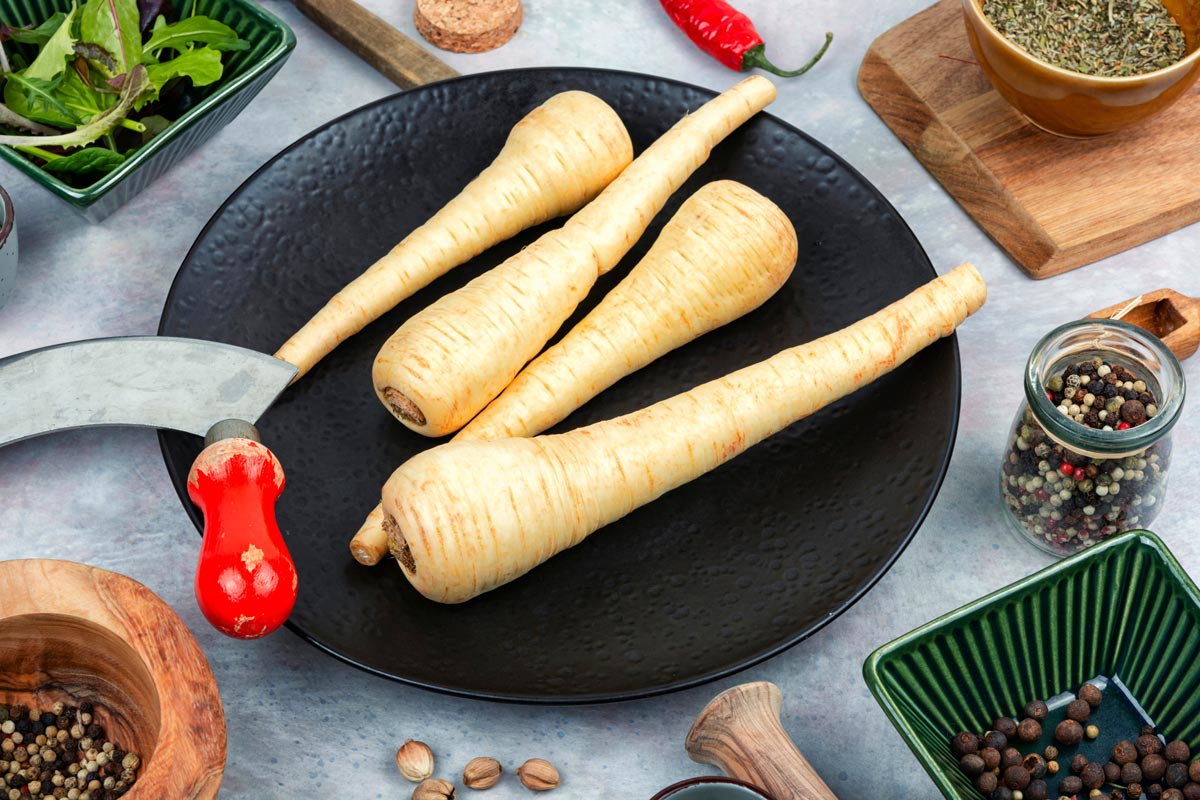
Parsnips and spices

Parsnips are the often-overlooked member of the carrot family, though they’re even sweeter than their orange cousin, especially when cooked—they add great richness to any broth.

High in fiber, parsnips are good sources of potassium and vitamins C and folate and have both anti-inflammatory and antifungal properties.

Look for parsnips that are firm and have a slightly off-white or ivory color—if they’ve turned yellow, they’re old. Store them in the fridge as you would carrots: in a crisper drawer wrapped in a cloth veggie bag or, if placed in a plastic bag, with a paper towel to soak up excess moisture.

To prep before using, cut off the tops and tips as needed. You can leave on the peel if it’s mostly unblemished or peel lightly as needed.

Quick Kitchen Nugget: Defatting stock 

Quick Kitchen Nugget

Defatting Stock 

Removing excess fat from stock doesn’t negatively affect its flavor; in fact, it can make the chicken taste more pronounced. The easiest way is to chill the stock in the fridge once it’s cooled to room temperature; wait a few hours or overnight, then use a slotted spoon to scoop out and discard the fat that has risen to the top and solidified. At this point, you can use the stock for another dish and/or freeze the containers for future use. 

For Your Best Health: High-fat Cheese and Dementia Risk

For Your Best Health 

Say Cheese

According to a study published in the December 2025 issue of Neurology, the medical journal of the American Academy of Neurology, people who eat higher amounts of full-fat cheese and cream may be less likely to develop dementia later in life. The findings point to a connection between these foods and dementia risk, but they do not prove that eating high-fat dairy prevents dementia. 

High-fat cheeses are defined as having more than 20% fat and include common types such as cheddar, Brie, and Gouda. High-fat creams generally contain 30% to 40% fat and include whipping cream, double cream, and clotted cream. In grocery stores, these products are often sold as “full-fat” or “regular” options.

“For decades, the debate over high-fat versus low-fat diets has shaped health advice, sometimes even categorizing cheese as an unhealthy food to limit,” said Emily Sonestedt, PhD, of Lund University in Sweden. “Our study found that some high-fat dairy products may actually lower the risk of dementia, challenging some long-held assumptions about fat and brain health.”

The research team analyzed dietary and health data from 27,670 adults in Sweden. At the beginning of the study, participants were an average of 58 years old. They were followed for about 25 years, during which time 3,208 people were diagnosed with dementia.

To track eating habits, participants recorded everything they consumed over the course of one week. They also answered questions about how frequently they ate specific foods during the previous several years and discussed their food preparation methods with researchers.

One part of the analysis focused on the daily consumption of high-fat cheese. Researchers compared people who ate 50 grams or more per day with those who ate less than 15 grams per day. Fifty grams of cheese is roughly equal to two slices of cheddar or about half a cup of shredded cheese and is approximately 1.8 ounces. A typical “recommended” serving of cheese is 1 ounce.

By the end of the study period, 10% of participants who ate higher amounts of high-fat cheese had developed dementia compared with 13% of those who ate less. After accounting for differences in age, sex, education, and overall diet quality, the researchers found that higher cheese consumption was associated with a 13% lower risk of dementia.

When specific forms of dementia were examined, the association was strongest for vascular dementia. People who consumed more high-fat cheese had a 29% lower risk of developing this type.

The researchers also observed a lower risk of Alzheimer’s disease among participants who ate more high-fat cheese, but this pattern was only seen in those who did not carry the APOE e4 gene variant, a genetic risk factor for Alzheimer’s.

The study also looked at the consumption of high-fat cream. Researchers compared people who consumed 20 or more grams per day with those who did not consume any. Twenty grams is about 1.4 tablespoons of heavy whipping cream. A recommended serving is about 1-2 tablespoons.

After making similar adjustments for health and lifestyle factors, the researchers found that the daily consumption of high-fat cream was linked to a 16% lower risk of dementia compared with consuming none.

Not all dairy foods showed the same relationship with dementia risk. The researchers found no association between dementia and the consumption of low-fat cheese, low-fat cream, high- or low-fat milk, butter, or fermented milk, which includes yogurt, kefir, and buttermilk. “These findings suggest that when it comes to brain health, not all dairy is equal,” said Dr. Sonestedt. “While eating more high-fat cheese and cream was linked to a reduced risk of dementia, other dairy products and low-fat alternatives did not show the same effect. More research is needed to confirm our study results and further explore whether consuming certain high-fat dairy truly offers some level of protection for the brain.”

One limitation of the study is that all participants lived in Sweden, which means the results may not apply to people in other countries. Dr. Sonestedt noted that dietary habits differ between regions. In Sweden, cheese is often eaten uncooked, while in the United States, cheese is frequently heated or eaten alongside meat. Because of these differences, she emphasized that similar studies should also be carried out in the United States.

Fitness Flash Icon: Knee arthritis? 2026 Fitness Trends

Fitness Flash

Exercise: Trending Up

The American College of Sports Medicine (ACSM) recently published its latest fitness trends forecast based on a survey of 2,000 clinicians, researchers, and exercise professionals in the fitness industry in the ACSM Health & Fitness Journal. 

“We’ve seen dramatic changes in fitness trends over the last two decades, and this milestone gives us a long-term perspective of how the field has evolved and impacted health and fitness,” said Cayla R. McAvoy, PhD, ACSM-certified exercise physiologist, and lead author of 2026 ACSM Worldwide Fitness Trends: Future Directions of the Health and Fitness Industry. 

Survey findings offer both snapshots of current practices and insights into new priorities and growth areas across the health and fitness industry. Here are the top 10 trends for 2026. 

Wearable technology for tracking fitness - trending

1. Wearable technology. This continues to evolve, with advanced biosensors now capturing indicators such as fall or crash detection, heart rhythm, blood pressure, blood glucose, and skin temperature. These are particularly important for a wide demographic, ranging from patients in rehabilitation and fitness beginners to athletes and aging adults. 

“Wearable technology is a powerful tool to track fitness and health. While some data is useful and accurate, some metrics may be experimental or unreliable. Data is often useful for tracking patterns or changes over time, and certified exercise professionals can provide support on how to interpret the information.”—Sarah M. Camhi, PhD, FACSM, ACSM-EP

2. Fitness programs for older adults. The baby boomer generation includes 73 million Americans, all of whom will be over age 65 by 2030, intensifying the demand for age-appropriate evidence-based exercise options. According to the 2023 IHRSA US Health & Fitness Consumer Report, adults 65 and older were visiting gyms and studios more often than any other age group. 

“Physical activity is especially critical for older adults, as evidence consistently links regular exercise to the prevention and management of age-related conditions. Effective programs should be safe, enjoyable, and designed to enhance functional capacity in activities of daily living.”—Jennifer Turpin Stanfield, MA, ACSM-EP 

3. Exercise for weight management. This trend now includes increases in the use of obesity management medications such as GLP-1 RA. Exercise remains essential to long-term weight management by supporting lean mass, physical function, and metabolic health. Research shows that individuals who continue to exercise during pharmacologic treatment maintain greater fat loss and preserve more lean mass after stopping medication than those using medication alone. 

“Weight loss drugs may reduce muscle, which can harm health. Exercise may preserve muscle, boost strength, and improve physical function, but research is still ongoing.”—Dr. Camhi

4. Mobile exercise apps. These deliver on-demand, scheduled, live-streamed, or recorded workouts, offering users the convenience and flexibility to exercise anytime, anywhere. In 2024, more than 345 million people used fitness apps, generating more than 850 million downloads. Mobile apps can promote exercise adherence by offering convenience, structure, and self-monitoring tools. 

“The widespread use of smartphones and wearables has made mobile exercise apps highly accessible. These apps can track activity, support goal setting, provide on-demand classes, and facilitate social competition, making them a promising tool for promoting regular physical activity. Their overall effectiveness, however, depends on user engagement and program quality.”—Ms. Stanfield

5. Balance, flow, and core strength. This trend is a key component of a balanced fitness regimen, bridging movement quality and mental well-being. 

“Building strength in the core, improving balance, and engaging in mindfulness-based training are key to overall movement quality, injury prevention, and long-term health.”—Rachelle Reed, PhD, ACSM-EP  

“Pilates, yoga, and core training are resonating across generations. Their popularity reflects a broader industry shift toward longevity, holistic health, and mind-body integration.”—Dr. McAvoy

6. Exercise for mental health. Each year in the US, more than one in five adults report experiencing a mental health condition, reinforcing the importance of movement-based strategies that support emotional well-being. Certain formats may be especially appropriate: Resistance training reduces depressive symptoms, while low-intensity mindfulness-based formats such as yoga may offer additional value for stress reduction and emotional well-being. 

“Regular exercise is one of the most effective strategies we have to improve mental health, build emotional resilience, and enhance overall well-being. Its impact could rival some traditional clinical interventions and is certainly a strong supportive intervention. This holds true not only for the general population, but also for vulnerable groups such as pregnant women, youth, and older adults.”—A’Naja M. Newsome, PhD, ACSM-CEP, EIM 

7. Traditional strength training. Despite its benefits, fewer than 30% of US adults meet the recommended guidelines for muscle-strengthening activity. Resistance exercises use free weights such as barbells, dumbbells, and kettlebells to improve muscular strength, endurance, and function. Strength training plays a key role in maintaining bone density, metabolic health, and mobility across the lifespan.

“Strength training has been thoroughly researched and has gained significant popularity as one of the most effective fitness strategies due to its proven effectiveness, safety, and appeal to individuals of all ages and fitness levels.”—Alexios Batrakoulis, PhD, FACSM, ACSM-EP, ACSM-CPT 

8. Data-driven technology. More than 70% of wearable users have reported applying their output data to inform exercise or recovery strategies, and exercise professionals can use biofeedback to tailor intensity, assess readiness, and reduce the risk of overtraining. 

“Real-time physiological data, such as heart rate variability and sleep patterns, is shaping how people train and recover. These tools allow for more personalized adjustments that improve results and reduce injury risk. The key is translating complex numbers into clear, actionable guidance.”—Dr. McAvoy 

9. Adult recreation and sports clubs. This trend reflects growing interest in activities that combine fitness with fun, flexibility, and social connection outside traditional gym settings. By emphasizing enjoyment, camaraderie, and consistent participation, adult recreation and sports clubs may help reduce barriers to exercise and improve long-term adherence. 

“Pickleball, running clubs, and adult leagues are bringing people back to exercise in fun, social ways. These activities are about connection as much as they are about fitness.”—Dr. McAvoy

10. Functional fitness training. The “fitness is function” movement includes strength, power, mobility, and endurance and is designed to improve physical performance in real-world activities. Programs often emphasize movements that transfer directly to daily life or a sport. 

“Functional fitness marks a shift toward movement-based health, supporting independence in older adults, translating strength into everyday capability, and reinforcing the preventive power of exercise. It is not just a trend, but a cornerstone of exercise prescription.”—Dr. Newsome

Get More Recipes In Your Inbox!

Olive Oil Hunter #247

Winter Salad Recipe, Spotlight on Homemade Vinaigrettes, Prepping Greens, A New Benefit of Vitamin D, and Aerobics for Knee arthritis

Salads aren’t just for summer, and if one of your New Year’s resolutions is to eat more fruits and veggies, this winter greens recipe fits the bill. I’ve dressed it with a sweet-tart vinaigrette that you can use with a variety of foods for lighter eating. I’m also sharing two new important findings: how vitamin D can help people avoid a second heart attack and a surprising way to manage knee arthritis.

Winter Salad

  • Winter Pear Salad Winter Salad

    Using sweet and tart vinegars adds complexity to this vinaigrette, which is a delicious foil for the slightly bitter greens and sweet pears.

    Ingredients

    For Vinaigrette:

    • 1 tablespoon red wine vinegar, such as Austrian Red Wine Vinegar
    • 1 tablespoon balsamic vinegar of Modena, such as Condimento Barili Exclusivi
    • 1/2 tablespoon Dijon mustard
    • 1/2 tablespoon honey
    • 1/4 teaspoon coarse sea salt, plus more to taste
    • 1/2 garlic clove, minced 
    • 1/3 cup extra virgin olive oil
    • Freshly ground black pepper to taste

    For the Salad:

    • 1/2 cup hazelnuts or walnut halves
    • 4 to 6 cups baby spinach, baby kale, escarole, or other winter greens, rinsed and dried
    • 2 ripe pears, cored and thinly sliced
    • Block of Parmigiano-Reggiano or 2 ounces mild blue cheese

    Directions

    Step 1

    Make the vinaigrette: In a medium mixing bowl, whisk together the vinegars, mustard, honey, salt, and garlic. Gradually whisk in the olive oil until the dressing is emulsified. Season to taste with pepper and more salt, if desired.

    Step 2

    Make the salad: Heat a small sauté pan. When hot, add the nuts and toast for 2 minutes until they become fragrant, tossing frequently; set aside.

    Step 3

    Divide the greens among 4 salad plates and top with equal amounts of pear slices and nuts. If using Parmigiano-Reggiano, use a cheese plane to make long shavings over each salad. If using blue cheese, crumble it. Drizzle a spoonful of vinaigrette over each salad and pass the rest on the side.

    Yields 4 servings

Healthy Ingredient Spotlight: Homemade Vinaigrettes

Healthy Ingredient Spotlight

Homemade Vinaigrettes

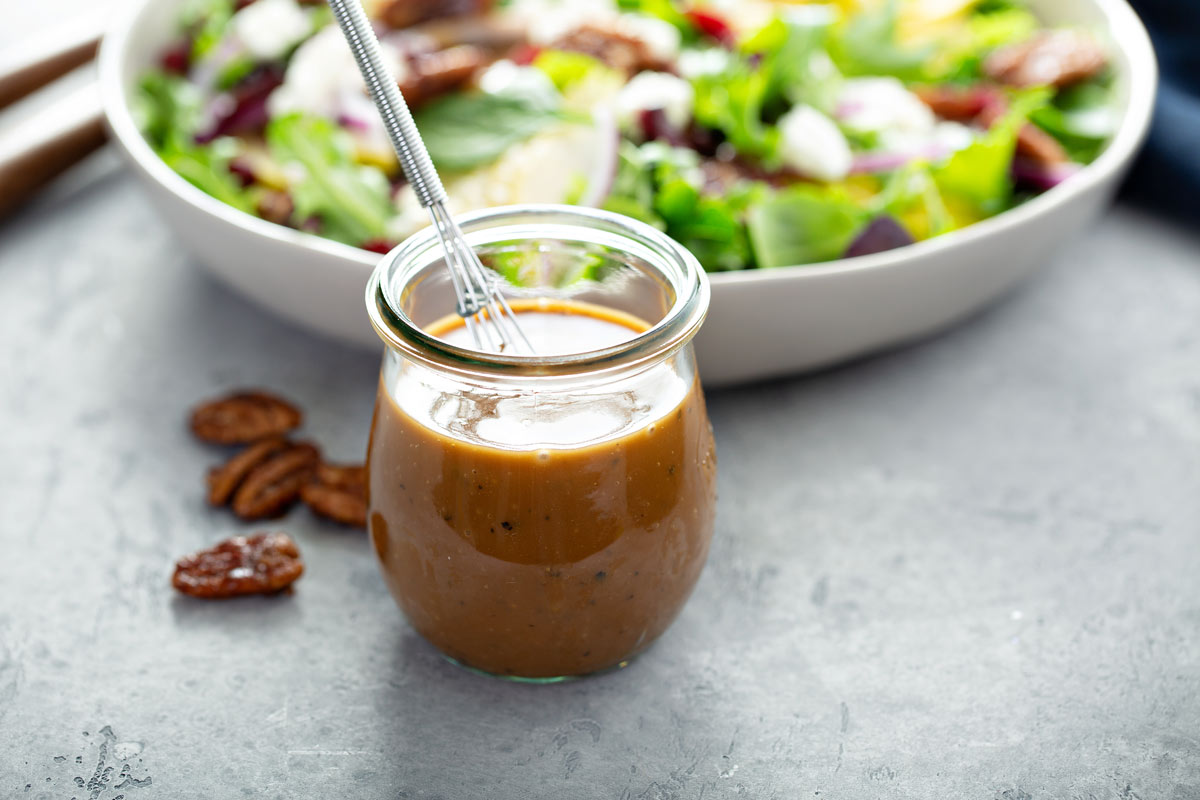
Homemade Vinaigrette

It’s no secret that most bottled dressings are loaded with sugar, artificial ingredients, and poor- quality oil. On the other hand, it’s so easy to make your own with just a few quality ingredients. Vinaigrettes can be made with a whisk, but using a blender or mini food processor can make fast work of it, especially if some ingredients need to be chopped or minced. As a general rule, you can pulse all the ingredients except the olive oil for a few seconds—let the machine mince any herbs, garlic, or shallots for you. Then with the machine still running, slowly add the olive oil through the feed tube until the vinaigrette is emulsified. Vinaigrette will keep for up to a week in the fridge; shake well or whisk as needed before using.

Quick Kitchen Nugget: Prepping Greens

Quick Kitchen Nugget

Prepping Greens

To maximize taste when making salads, prep your greens by rinsing and drying them in a salad spinner or with an absorbent kitchen towel—dressing coats them better when they’re dry and won’t be diluted by water clinging to the leaves. Rather than simply pouring vinaigrette over your salad, mix it in with two forks or tongs to really dress the greens. Also, keep in mind that vinaigrettes aren’t just for salads—drizzle them over roasted vegetables, grains, and cold meats. 

For Your Best Health: A New Benefit of Vitamin D

For Your Best Health 

A New Benefit of Vitamin D

In a large randomized clinical trial, researchers from Intermountain Health in Salt Lake City found that managing the vitamin D levels of people who experienced a heart attack through a “target-to-treat” approach, with blood levels monitored and dosages adjusted to reach an optimal range, cut the likelihood of a second heart attack by 50%. The findings were presented on Nov. 9 at the 2025 American Heart Association Scientific Sessions in New Orleans.

According to researchers, the results carry global importance, as between one-half and two-thirds of people worldwide have low levels of vitamin D. In the past, most individuals received sufficient vitamin D through sunlight exposure. Today, with lifestyle changes and medical advice aimed at reducing skin cancer risk, people spend less time in the sun and must rely more on dietary supplements such as vitamin D3 to maintain healthy levels.

Low vitamin D levels have long been linked to poor cardiovascular outcomes in observational studies. However, earlier clinical trials that provided standard supplementation doses failed to show measurable reductions in heart disease risk. Intermountain scientists wanted to test a different idea: Rather than giving everyone the same dose, what if supplementation was adjusted to reach a specific healthy vitamin D level?

“Previous studies just gave patients supplementation without regularly checking blood levels of vitamin D to determine what supplementation achieved,” said Heidi May, PhD, cardiovascular epidemiologist at Intermountain and the study’s principal investigator. “With more-targeted treatment, when we checked exactly how supplementation was working and made adjustments, we found that patients had their risk of another heart attack cut in half.” 

The Intermountain study, called the TARGET-D trial, ran from April 2017 to May 2023 and included 630 patients who had suffered a heart attack within a month of enrolling. Participants were followed until March 2025 to monitor cardiovascular outcomes.

Patients were randomly assigned to one of two groups: One received no vitamin D management and the other underwent active, targeted vitamin D3 treatment. The goal for the treatment group was to raise blood levels of vitamin D to above 40 nanograms per milliliter (ng/mL). At the start, 85% of participants had blood levels of vitamin D below that threshold. More than half of the patients receiving targeted therapy required an initial dose of 5,000 international units (IUs) of vitamin D3 compared to typical supplement recommendations of 600-800 IUs.

Blood levels of vitamin D were checked annually for those maintaining healthy levels. Patients with lower levels were tested every three months and had their dosage adjusted until reaching the 40 ng/mL target. Afterward, their levels were monitored once a year.

Researchers tracked major cardiac events, including heart attacks, strokes, heart failure hospitalizations, and deaths. Out of 630 participants, 107 experienced such events. While there was no significant difference in the overall risk between the two groups, the chance of having a second heart attack was cut in half among those receiving targeted vitamin D3 treatment.

“We’re excited with these results but know we have further work to do to validate these findings,” said Dr. May. Researchers plan to expand their work with a larger clinical trial to confirm and build upon these findings. “A larger study group will allow us to more fully evaluate whether targeted vitamin D management can reduce not only repeat heart attacks but also other forms of cardiovascular disease,” she said.

Fitness Flash Icon: Knee arthritis? Try Aerobics! 

Fitness Flash

Knee arthritis? Try Aerobics!

A sweeping review of 217 studies representing 15,684 participants found that aerobic exercises like walking and cycling offer the best pain relief and mobility gains for knee osteoarthritis. Compared to other types of exercise, aerobic training showed the strongest evidence across short- and long-term outcomes. All forms of exercise were found to be safe, but experts recommend making aerobic activity the foundation of treatment as it’s the most effective for easing pain, improving movement, and enhancing overall quality of life.

Osteoarthritis develops when the cartilage cushioning the ends of bones wears down, leading to swelling, stiffness, and discomfort. It can affect any joint, but the knees are most commonly impacted. About 30% of adults over age 45 show signs of knee osteoarthritis on X-rays, and roughly half of them experience significant pain and mobility problems.

Exercise is a cornerstone of osteoarthritis care, yet many medical guidelines lack clear direction on which kinds are most beneficial for knee osteoarthritis specifically. To clarify this, researchers analyzed the effectiveness and safety of several exercise approaches.

Exercise for knee arthritis

The trials varied in quality, but the team assessed the strength of the evidence using the internationally recognized GRADE (Grading of Recommendations Assessment, Development and Evaluation) system. They examined several key outcomes: pain reduction, physical function, gait performance, and quality of life. Each was measured at short-term (4 weeks), mid-term (12 weeks), and long-term (24 weeks) follow-ups. Across these studies, aerobic exercise consistently ranked highest in improving outcomes among all exercise types tested.

Other exercise forms showed value too. Mind-body workouts likely provided a notable improvement in short-term function, neuromotor exercises likely boosted short-term gait performance, and strengthening or mixed routines improved function in the mid-term. Importantly, none of the exercise types resulted in more adverse effects than the control groups, indicating that these therapies are generally safe.

The authors did acknowledge some study limitations. Many results came from indirect comparisons, certain outcomes lacked long-term data, and smaller studies may have influenced some early findings. Despite these limitations, the researchers describe their work as one of the most complete and current evaluations of exercise for managing knee osteoarthritis. They believe the findings, which were published in The BMJ, will help doctors make more-targeted recommendations.

Based on the evidence, the team advises aerobic exercise “as a first-line intervention for knee osteoarthritis management, particularly when the aim is to improve functional capacity and reduce pain” and says if aerobic exercise is not possible owing to individual limitations, “alternative forms of structured physical activity may still be beneficial.”

Get More Recipes In Your Inbox!

Olive Oil Hunter News #233

Chicken Skillet Dinner Recipe, Spotlight on Chicken Thighs, Parboiling Potatoes, Fruit and Veggies for Better Sleep and Exercising A Cancer-Fighting Plan

Craving a flavorful meal that’s complex only in its taste? This dish with chicken thighs and potatoes fits the bill. Perfect for cooler weather, it’s hearty and satisfying. And, according to new research on sleep, its veggies may bring you closer to restful shut-eye—read about the correlation below. This issue’s other research recap is on a hopeful benefit of exercise: How it can help stymie the growth of cancer cells as part of an overall cancer-fighting plan.

Chicken Skillet Dinner

  • Olive Oil Hunter News #233 Chicken Skillet Dinner

    This double dose of chicken plus vegetables delights by affording rich flavor and cooks all in one pan.

    Ingredients

    • 1 pound fingerling or red potatoes, halved lengthwise
    • 1 tablespoon plus 1 teaspoon coarse sea salt
    • 1/4 cup whole wheat flour
    • 1/2 teaspoon freshly ground black pepper
    • 1 pound chicken thighs
    • 4 tablespoons extra virgin olive oil, divided use
    • 8 ounces chicken sausage links, cut into 2″ slices
    • 8 ounces button mushrooms, halved
    • 1 yellow onion, halved and sliced into thin sections
    • 4 garlic cloves, finely minced
    • 1/2 teaspoon rosemary needles
    • 1 cup white wine
    • 2 cups homemade or store-bought low-sodium chicken broth

    Directions

    Step 1

    Place the potatoes in a large pot and fill three-quarters with water; add the tablespoon of salt. Bring to a boil and cook for 7 minutes. Drain and set aside.

    Step 2

    In a large bowl, mix the flour, teaspoon of salt, and pepper. Cut each chicken thigh into thirds and toss in the flour mixture to coat; place next to your stovetop.

    Step 3

    Heat a large skillet or wok over medium heat. When hot, add 2 tablespoons olive oil and add the sausage slices. Cook for 5 minutes, flip with tongs, and cook for another 5 minutes. Move the sausage to the outside of the pan and add the chicken thighs; brown them on all sides. Add the mushrooms and sauté until browned on the edges. Use a slotted spoon to transfer the meat and mushrooms to a bowl next to your stovetop.

    Step 4

    Add the rest of the olive oil and the onions to the hot skillet and cook for 5 minutes, until soft. Add the potatoes in one layer, sprinkle with the garlic and rosemary, and let cook undisturbed for 5 minutes to brown the edges; flip and repeat. Transfer the potatoes to the bowl with the meat and deglaze the skillet with the wine, scraping up any bits from the bottom of the pan. Let the wine reduce by half. 

    Step 5

    Add the meat and vegetables back to the skillet along with the chicken stock. Bring the liquid to a boil, then lower the heat to a simmer and let the stock cook down until it thickens to a sauce and an instant-read thermometer registers 165°F when you test a few pieces of the thighs.

    Yields 4 servings

Healthy Ingredient Spotlight: Chicken thighs

Healthy Ingredient Spotlight

Chicken Thighs

I love the deeper flavor of chicken thighs and the convenience of skinless, boneless ones. However, roasting or baking with the bone in can be even more flavorful and less expensive—just pull off the skin when it’s not called for. 

Chicken thighs are a good source of protein, with about 27 grams per 4-ounce serving and just a moderate amount of fat. They’re also a good source of B vitamins and the minerals iron and zinc. 

Quick Kitchen Nugget: Parboiling Potatoes

Quick Kitchen Nugget

Parboiling Potatoes

Parboiling Potatoes

Skillet potatoes are delicious, but it can take quite a bit of time for the potatoes to cook through. Parboiling to the rescue—this short boil partially cooks the spuds, softening not only the inside but also the outside and releasing a layer of gelatinized starch that helps the potatoes crisp up when they’re transferred to a stovetop skillet to finish cooking. 

To parboil potatoes or any other hard vegetable, cut them as desired and add to a stockpot. Fill it three-quarters of the way with cold water and a tablespoon of coarse sea salt. Bring the water to a boil and set a timer for 7 minutes. You should be able to easily pierce a piece or two of potato with a fork, but they should not fall apart. If necessary, transfer them to layers of paper towels and blot dry.

For Your Best Health: Fruit and Veggies for Better Sleep

For Your Best Health

Fruit and Veggies for Better Sleep

We all know about the benefits of eating vegetables and fruit for overall health, but there’s another reason to add them to the menu today: sleeping more soundly tonight. “Dietary modifications could be a new, natural, and cost-effective approach to achieve better sleep,” said Professor Esra Tasali, MD, director of the UChicago Sleep Center and co-senior author of the study, “Higher daytime intake of fruits and vegetables predicts less disrupted nighttime sleep in younger adults,” published in Sleep Health: The Journal of the National Sleep Foundation.

Sleep disruptions can have far-reaching negative consequences, impacting cardiovascular and metabolic health, memory, learning, productivity, mood regulation, interpersonal relationships, and more. “The temporal associations and objectively measured outcomes in this study represent crucial steps toward filling a gap in important public health knowledge,” said Dr. Tasali.

Studies have shown that inadequate sleep can cause people to gravitate toward unhealthier diets that are higher in fat and sugar. However, despite the far-reaching effects of sleep on public health and even economic productivity, not all that much is known about how diet can affect sleep patterns. In previous observational studies, high fruit and vegetable intakes were associated with better self-reported overall sleep quality. However, this new study was the first to draw a temporal connection between a given day’s dietary choices and objectively measured sleep quality that same night.

Fruit and Veggies for Better Sleep

Healthy young adults who participated in the study reported their food consumption each day with an app and wore a wrist monitor that allowed the researchers to empirically measure their sleep patterns. The researchers, including scientists from Columbia University and the University of California San Diego, specifically looked at “sleep fragmentation,” an index that reflects how often someone awakens or shifts from deep to light sleep throughout the night. They found that each day’s diet was correlated with meaningful differences in the subsequent night’s sleep. Participants who ate more fruits and vegetables during the day tended to have deeper, more uninterrupted sleep that same night, as did those who consumed more healthy carbohydrates such as whole grains.

Based on their findings and statistical modeling, the researchers estimate that people who eat the CDC-recommended five cups of fruits and veggies per day could experience a 16% improvement in sleep quality compared to people who consume no fruits or vegetables.

“Sixteen percent is a highly significant difference,” Dr. Tasali said. “It’s remarkable that such a meaningful change could be observed within less than 24 hours.”

Future studies will help establish causation; broaden the findings across diverse populations; and examine the underlying mechanisms of digestion, neurology, and metabolism that could explain the positive impact of fruits and vegetables on sleep quality. But based on current data, the experts confidently advise that regularly eating a diet rich in complex carbohydrates, fruits, and vegetables is best for long-term sleep health.

“People are always asking me if there are things they can eat that will help them sleep better,” says co-senior author Professor Marie-Pierre St-Onge, PhD, director of the Center of Excellence for Sleep & Circadian Research at Columbia. “Small changes can impact sleep. That is empowering—better rest is within your control.”

Fitness Flash: Exercising A Cancer-Fighting Plan

Fitness Flash

Exercising A Cancer-Fighting Plan

A vigorous workout can spark anti-cancer proteins, cut cancer cell growth, and help survivors fight recurrence by reducing inflammation and improving body composition, according to new research from Edith Cowan University (ECU). ECU PhD student Francesco Bettariga found that a single bout of either resistance or high-intensity interval training increased levels of myokines, a protein produced by muscles, which have anti-cancer effects and that could reduce the proliferation of cancer growth by 20% to 30%. His research with survivors of breast cancer measured myokine levels before, immediately after, and 30 minutes after working out.

“Exercise has emerged as a therapeutic intervention in the management of cancer, and a large body of evidence exists that shows the safety and effectiveness of exercise as medicine, either during or post cancer treatment,” Bettariga said. “The results from this study are excellent motivators to add exercise as standard care in the treatment of cancer.”

While higher levels of myokines were expected in a healthy population after a vigorous workout, Bettariga investigated whether breast cancer survivors would see the same results, given the impact that cancer treatments and cancer itself often have on the body. He added that the long-term implications of elevated myokine levels should be further investigated, particularly in relation to cancer recurrence.

Further research by Bettariga investigated how changes in body composition, following consistent exercise, could impact inflammation, which plays a key role in breast cancer recurrence and mortality by promoting tumor progression. Persistent inflammation not only promotes tumor progression by influencing cell proliferation, survival, invasiveness, and metastasis but also inhibits immune function. Given that the cancer itself and the side effects of treatments can elevate levels of inflammatory biomarkers, survivors of breast cancer are at increased risk of cancer progression, recurrence, and mortality. 

“Strategies are needed to reduce inflammation, which may provide a less-supportive environment for cancer progression, leading to a lower risk of recurrence and mortality in survivors of breast cancer,” he explained. The new research found that by reducing fat mass, which is responsible for releasing anti- and pro-inflammatory markers, and increasing lean mass, through consistent and persistent exercise, cancer survivors had a better chance at reducing inflammation. Unfortunately, quick fixes to reduce fat mass would not have the same beneficial effects, Bettariga stressed when he said, “You never want to reduce your weight without exercising, because you need to build or preserve muscle mass and produce these chemicals that you can’t do through just diet alone.”

Get More Recipes In Your Inbox!