Fresh-Pressed Olive Oil Club

The Olive Oil Hunter News #76

Vegetables Primavera Recipe, Spotlight on Asparagus, Importance of Preheating the Pan and Indoor-Gardens, plus Exercise for Stroke Prevention

There’s nothing quite like the taste of spring’s first vegetables after a long winter of frozen or imported choices, and the recipe I’m sharing lets them shine without a fussy preparation or heavy sauce. If your thoughts turn to gardening this time of year, you’ll appreciate the benefits of bringing some of that greenery inside. Plus, you’ll see why getting out and walking in the nicer weather has an important health benefit.

Vegetables Primavera

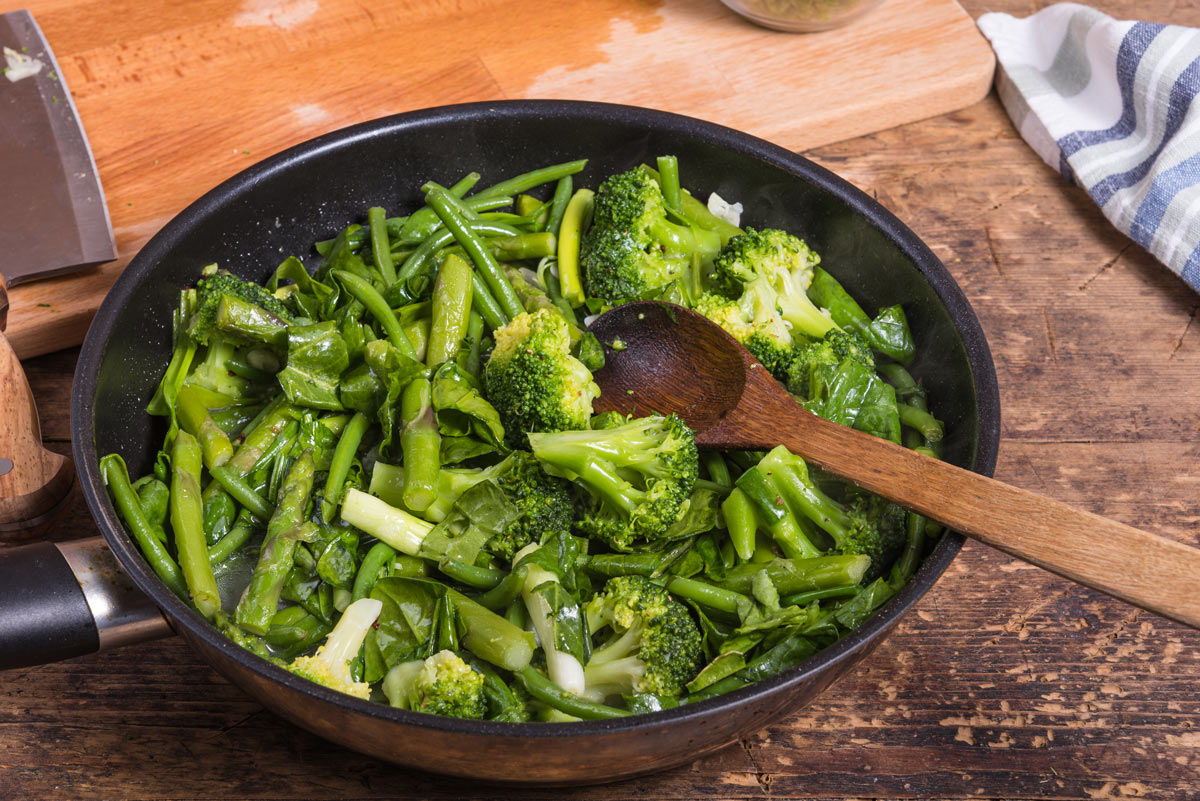
  • Vegetables Primavera Vegetables Primavera

    This dish gets its name from “pasta primavera,” which, as legend has it, originated not in Italy (where primavera means spring) but in the US some 40 years ago when Sirio Maccioni, owner of the famed New York restaurant Le Cirque, had the idea to throw together seasonal vegetables with pasta because he didn’t have any tomatoes at hand.

    While many people have tried to improve on the original recipe, I like the freshness of my simple preparation—no butter or cream is added to the vegetables. And while you can serve it over any pasta or whole grain, it’s delicious on its own or as the side to your favorite protein. Feel free to switch up the veggies based on what’s available in your area, but always add the firmest ones to the pan first to give them the extra cooking time they need.

    Ingredients

    • 4 tablespoons extra virgin olive oil, more for drizzling
    • 8 ounces broccoli
    • 8 ounces asparagus spears, trimmed and cut in half
    • 8 ounces sugar snap peas or shelled peas
    • 1 teaspoon freshly ground pepper
    • ½ teaspoon coarse salt
    • 4 ounces arugula or baby spinach

    Directions

    Step 1

    Cut off the ends of the broccoli stems and slice the stems into coin shapes; cut the heads into small florets. Heat a 12″ skillet over high heat until very hot. Add the 4 tablespoons of olive oil and the broccoli to the skillet. Cook for two minutes, rotating the pieces so that all sides get a slight char, and then add the asparagus. Toss every 30 seconds. 

    Step 2

    After two minutes, add the peas and turn down the heat to medium. Sprinkle the veggies with the salt and pepper and keep cooking them until tender. Add the arugula or spinach and cook until the greens wilt and their liquid has evaporated. Remove from the heat and drizzle with olive oil before serving.

    Yields 2 servings as a main dish or 4 servings as a side or over a starch

Healthy Ingredient Spotlight: Asparagus

Healthy Ingredient Spotlight

Asparagus 101

Nothing says spring like fresh, local asparagus. Some people swear by the thinnest stalks, while others like the mouthfeel of those with a larger-than-pencil width—it’s really a matter of personal preference. The key to asparagus is to trim the ends simply by snapping them off where you find no resistance—that will leave you with tender stalks. Three ounces of these low-calorie antioxidant powerhouses supply 2 grams each of fiber and protein, plus good amounts of folic acid and vitamin K, iron and potassium, and many other minerals.

Growing your own asparagus is a true test of patience because it takes three years from planting to harvesting. During the first two seasons you’ll see some shoots, but you can’t eat them—just let them turn to fern-like vegetation. Once the shoots yield true spears, you should have a nice crop for up to 15 years. 

Healthy Kitchen Nugget: Preheating your Pan

Healthy Kitchen Nugget

Get your pan hot first

When sautéing or searing, always heat your pan for two or three minutes before adding your olive oil. This prevents “cooking” the oil as the pan climbs to its optimal temperature. Then let the oil come to a shimmer before adding the food for a tasty sear.

For Your Best Health: Indoor Gardens and Air Quality

For Your Best Health

Get into the indoor-garden groove

Besides looking pretty, plants can significantly cut indoor air pollution at home and at the office, according to new research led by the UK’s University of Birmingham in partnership with the Royal Horticultural Society.

Researchers exposed three common houseplants—peace lily (Spathiphyllum wallisii), corn plant (Dracaena fragrans), and fern arum (Zamioculcas zamiifolia), all of which are readily available in the US—to nitrogen dioxide (NO2), a common pollutant. Their experiments showed that the plants could lower NO2 by as much as 20 percent, whether they were in light or darkness or whether the soil was wet or dry.

“The plants we chose were all very different from each other, yet they all showed strikingly similar abilities to remove NO2 from the atmosphere. This is very different from the way indoor plants take up CO2 in our earlier work, which is strongly dependent on environmental factors such as night time or daytime, or soil water content,” says lead researcher Dr. Christian Pfrang.

Plants can be especially beneficial in offices with poor ventilation and near areas with high levels of air pollution, though the bigger the space, the more plants will be needed.  

Just how they take up NO2 is still a mystery. As Dr. Pfrang explains, “We don’t think the plants are using the same process as they do for CO2 uptake, in which the gas is absorbed through stomata—tiny holes—in the leaves. There was no indication, even during longer experiments, that our plants released the NO2 back into the atmosphere, so there is likely a biological process taking place also involving the soil the plant grows in, but we don’t yet know what that is.”

Fitness Flash: Stroke Prevention

Fitness Flash

Exercise offers protection from stroke

Experts say that preventing a stroke is far better than having to treat one, and one of the best steps you can take is getting physical activity. Among its other benefits, exercise helps lower blood pressure, and we know that high blood pressure is a significant stroke risk factor. The problem is, as we’re spending more and more leisure time on social media and in front of our devices, we’re exercising less and less. In fact, sleep is the only thing we spend more time doing than using electronics. Without an increase in exercise, doctors say we’re going to see an increase in stroke rates. 

New research, published in the Annals of Clinical and Translational Neurology, analyzed specific data from nearly 20 years of records from the National Health and Nutrition Examination Survey and found that different kinds of physical activity done with different frequencies can make a big difference. With choices to fit any lifestyle, you don’t have to adopt a one-size-fits-all approach. 

Here are the most impactful findings:

Moderate-intensity aerobic activities can reduce the likelihood of stroke by 20 percent, and this can go as high as 60% with 30 to 60 minutes of daily activity, such as walking or bicycling. Home chores and yard work count, too, especially when done for an hour or two at a time, five to 13 times a month. You’ll see some stroke prevention benefits with as few as 10 minutes of activity every day, but the level of prevention grows as you reach those hour marks. 

Muscle-strengthening (resistance training) for three to five days per week, or 14 to 20 days per month, can reduce risk by up to 50 percent. One caution: In this study, muscle-training for more than 20 hours per week had the opposite effect, possibly “due to the high cortisol levels that the body releases in a state of constant stress”—a serious warning for bodybuilders.

Having a job that involves moderate to vigorous activities on a regular basis, such as carrying heavy loads, can lower stroke risk between 36 percent and 43 percent, and even more when the activity is daily and vigorous (admittedly, this is hard to do later in life). 

The key word with any of these activities is regular. As the study concludes, “Daily or every other day activities are more important in reducing the stroke risk than reducing sedentary behavior duration.”

Get More Recipes In Your Inbox!

The Olive Oil Hunter News #75

The Ultimate Olive Oil-Fried Eggs Recipe, Spotlight on Eggs, Meditation, More than Stress Relief and Building Better Body Fat

Love fried eggs but never quite satisfied with how they cook up? Grab your extra virgin olive oil and get ready to be blown away! I’m also sharing tips for buying and storing eggs, plus ideas to exercise your mind and your body with far-reaching health benefits.

The Ultimate Olive Oil-Fried Eggs

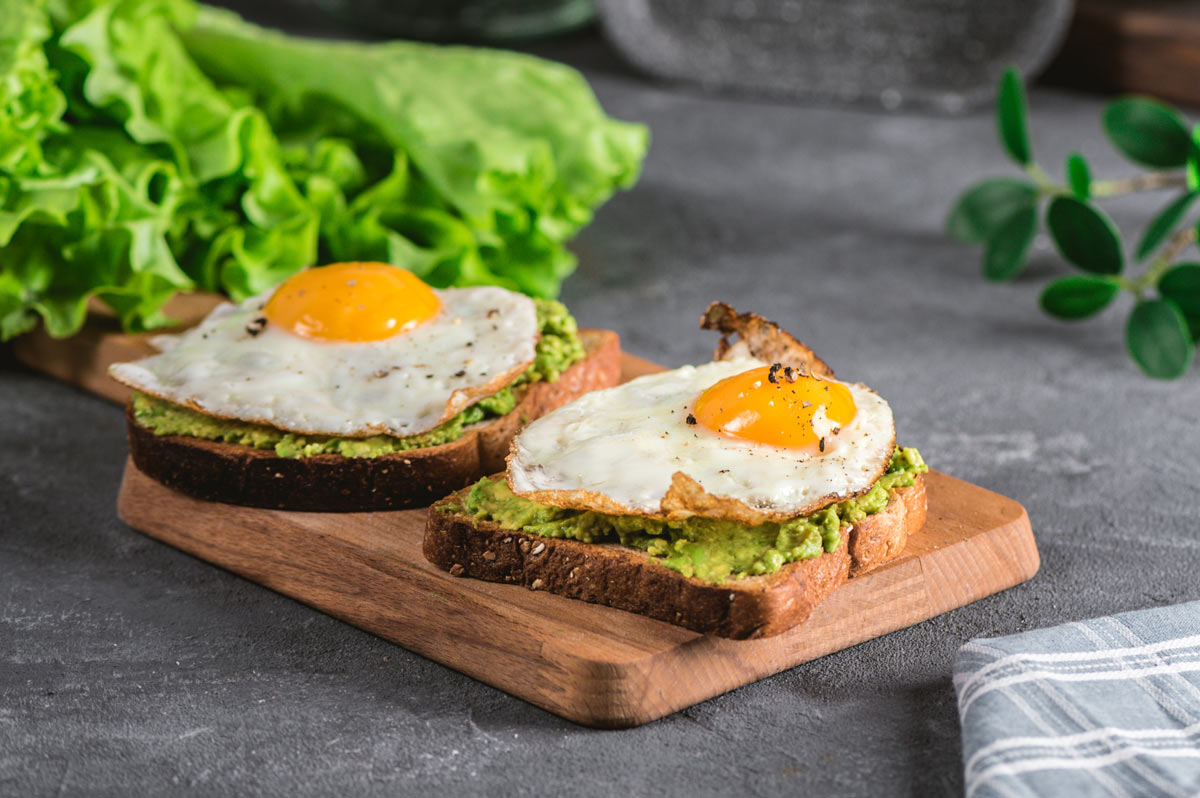
  • Ultimate Olive Oil-Fried Eggs The Ultimate Olive Oil-Fried Eggs

    Frying eggs in olive oil is a Spanish tradition that dates back centuries. This simplest of techniques is having a modern moment in the US as chefs extol the delicious results. When raw egg meets hot olive oil it creates a perfectly browned latticework around the edges of the white while leaving the yolk with just the right amount of runny. The key is to heat the pan first and then the oil before adding the eggs. If you have a 10″ or wider skillet, you can double the recipe in the same pan. Enjoy as is or atop avocado toast or skillet potatoes.

    Ingredients

    • 2 tablespoons extra virgin olive oil
    • 2 eggs
    • Coarse salt and freshly ground black pepper to taste

    Directions

    Step 1

    Heat a frying pan or skillet until very hot. Add the olive oil. Once the oil starts to shimmer, add the eggs, one at a time—you can crack them right into the pan or from a dish into the pan. 

    Step 2

    Cook the eggs for two minutes until the whites turn opaque and develop crisp, brown edges; the yolks will still be runny. If you want firmer yolks, wait another 30 seconds before taking the pan off the heat. Use an offset spatula to transfer the eggs to plates and sprinkle with salt and pepper to taste. 

    Yields 1-2 servings

Healthy Ingredient Spotlight: Eggs

Healthy Ingredient Spotlight

What’s really inside the egg carton

Ever wonder what the difference is between egg sizes? Starting with the small size, the eggs become larger in just 1/4-ounce increments. That doesn’t sound like a lot, until you consider the leap from the small size at 1-1/2 ounces to jumbo at 2-1/2 ounces. If you need four extra-large eggs (2-1/4 ounces each) for a recipe, for instance, and only have large eggs (2 ounces each) in the fridge, you’ll need five to equal the right amount. For the record, a medium egg is 1-3/4 ounces.

Yolk color depends on the hens’ feed. Yolks are vibrant yellow-orange when hens are free to roam and eat pasture vegetation. Yolks are light yellow when they feed on meal in confined conditions—note that “cage-free” barns can be as cramped as traditional cages if the hens are packed in, according to Foodprint.org.

Eggshell colors can be pastel-pretty, from brown to blue and green, but color tells you only the type of hen that laid them, not anything about quality or nutrients. When looking at egg carton labeling, Foodprint.org also warns that many terms such as natural, humane, and pasture-raised “have no legal definition or are not verified by a third-party inspector.” Instead, the site suggests looking for terms that have been independently certified, such as Animal Welfare Approved, USDA Organic, and Certified Humane. If you’re lucky enough to live near a farm or farmer’s market that sells fresh eggs, make friends with the purveyor and find out how their hens are raised.

Healthy Kitchen Nugget: Eggs

Healthy Kitchen Nugget

Egg freshness

Since eggshells easily absorb odors, keep eggs in their original cartons and always keep them refrigerated. If a recipe calls for eggs to be at room temperature, take out only what you’ll use, not the entire carton. Refrigerated eggs will stay fresh for more than a month. The tried-and-true test of freshness is to fill a cup or bowl with water and add one egg at a time. The egg is still fresh if it sinks, but if it’s a floater, the rule is to toss it immediately. However, according to the Food Network, some eggs can float and still be safe, but if you crack an egg in a bowl and it smells bad or the white has an odd pink color or tints the water a fluorescent green, it’s a no-go.

If a recipe calls for yolks only, save those whites—they’re a great addition to scrambled or even fried eggs. Or you can freeze them either in an ice cube tray or freezer-safe container—mark it so you’ll know how many whites are inside the next time you want to whip up a meringue! 

For Your Best Health: Mediation

For Your Best Health

Meditation: More than stress relief

According to a comprehensive review of many types of studies on meditation published in December 2021 in Frontiers in Public Health, quieting stress is just one of the practice’s many benefits. Meditating boosts physical and psychological well-being, vitality, and quality of life by easing symptoms of chronic pain, cancer, and other conditions, including anxiety and depression. Some of the studies the researchers examined found that meditation can lower blood pressure, boost immune function, and even increase capacity for compassion and empathy. 

Because the studies they reviewed involved many age groups, including youngsters and teens, the researchers concluded that meditation techniques can be of help to a wide range of people—from children to seniors, pregnant women, health professionals, and caregivers as well as anyone with a chronic disease. Want to try it for yourself? Sites like mindful.org and the Calm app can get you started.

Fitness Flash: Building better body fat

Fitness Flash

Building better body fat

New research published in The Journals of Gerontology shows that there’s another important reason to exercise. Our health is influenced not only by the amount of fat we carry, but also by how well that fat functions. Turns out you can improve the quality of your body fat.

Anders Gudiksen, PhD, assistant professor in the department of biology at the University of Copenhagen, and a group of colleagues looked at the role of age and physical training in terms of maintaining fat tissue function. Specifically, they studied the mitochondria, the tiny power plants within fat cells that convert calories from food to energy that feeds cells. To maintain the life processes within cells, the mitochondria need to function well. They also produce waste in the form of oxygen free radicals. If the body can’t rid itself of those free radicals, they can damage cells, speed aging, and cause diseases like cancer, diabetes, cardiovascular disease, and Alzheimer’s.  

By studying the way mitochondria performed across a range of young and older untrained, moderately trained, and highly exercise-trained men, the researchers were able to show that, while mitochondrial function does decrease with age, a high level of lifelong exercise helps compensate for that natural aging. In fact, the fat cells in participants who were well-trained older men were twice as productive as those in untrained older men—their mitochondria were better at managing waste produced in fat cells, which resulted in less free radical damage. 

Get More Recipes In Your Inbox!

The Olive Oil Hunter News #74

Cauliflower Recipe with Zesty Walnut Pesto, Spotlight on Walnuts and Pesto, Plant-based Foods for Skin Health and Get Moving for Life

Achieving good health is a lot like doing a jigsaw puzzle, with the key pieces being diet, exercise, and well-being. This week’s newsletter shows just how they fit together, with walnuts being a surprising thread. Walnuts offer very similar benefits to those in olive oil. Besides their starring role in my zesty pesto, you’ll see how well they fit into the Mediterranean diet and how that diet has a special role in skin health. 

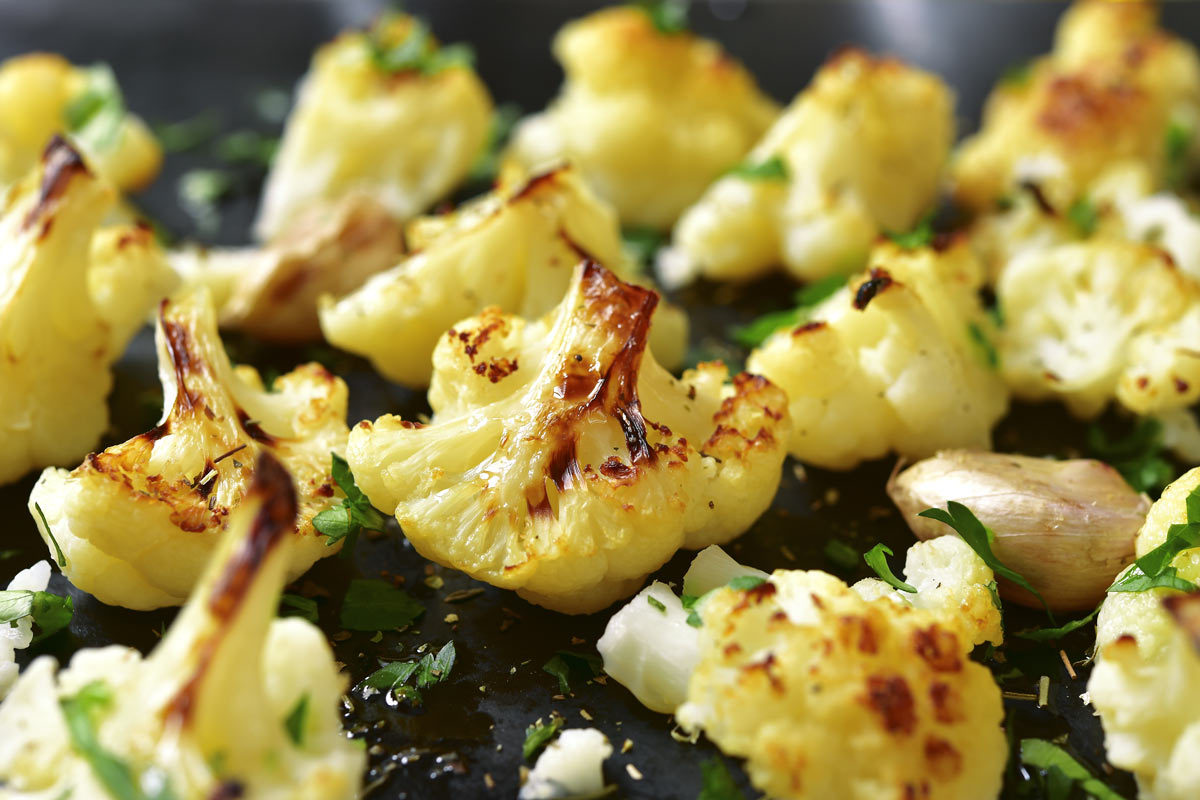
Cauliflower with Zesty Walnut Pesto

  • The Olive Oil Hunter News #78 Cauliflower with Zesty Walnut Pesto

    Cauliflower is an amazingly versatile vegetable, thanks to its mild taste. Think of it as a healthy base for your favorite sauces. I like to dress it up with this Southwestern-style pesto. Any leftovers make a great cold lunch the next day!

    Ingredients

    • 1 bunch fresh cilantro, rinsed, dried, and stemmed 
    • 2 cloves garlic, coarsely chopped
    • 1 jalapeño pepper, stemmed, seeded, and coarsely chopped
    • Juice of 1/2 lime
    • 1/3 cup unsalted walnuts, toasted 
    • 1/2 teaspoon ground cumin
    • Coarse kosher or sea salt, plus more to taste 
    • Freshly ground black pepper 
    • 1/2 cup extra virgin olive oil, divided, plus more as needed
    • 1/3 cup crumbled cotija or queso fresco 
    • 1 large head cauliflower, cored and separated into florets 

    Directions

    Step 1

    Preheat your oven to 400°F and make the pesto while you’re waiting for it to come up to temperature. In the bowl of a small food processor, combine the cilantro, garlic, jalapeño, lime juice, nuts, cumin, and 1/2 teaspoon each of salt and black pepper. Pulse several times. While the machine is running, gradually add 1/4 cup of olive oil through the lid and process until the mixture is fairly smooth, adding additional oil, one tablespoon at a time, as needed for a creamy consistency. Add the cheese and process for a few seconds more. Add more salt and pepper to taste. 

    Step 2

    Spread the cauliflower florets in a single layer on a rimmed baking sheet. Use two baking sheets if necessary to avoid crowding. Drizzle with the remaining olive oil and season with salt and pepper. Roast the cauliflower, turning once with a spatula, until lightly brown and tender, about 20 to 25 minutes. When done, transfer to a large bowl, top with several spoonfuls of the pesto, and use a spatula to coat the florets. Serve immediately. 

    Yields 6 side servings or 4 main dishes

Healthy Ingredient Spotlight: Walnuts deliver

Healthy Ingredient Spotlight

Walnuts deliver

Did you know that walnuts are another important part of the Mediterranean diet, adding to the benefits of olive oil and its other plant-based foods? One ounce of walnuts—1/4 cup or 12 to 14 halves—is a powerhouse of important nutrients, including 2.5 grams of alpha-linolenic acid (ALA), the plant-based omega-3 fatty acid; with the most ALA of any other tree nut, walnuts are an important source for vegans and vegetarians. You’ll also get 4 grams of protein, 2 grams of fiber, and 45 mg of magnesium. Walnuts not only add crunch to salads, they’re also a great take-anywhere snack.

Healthy Kitchen Nugget: Pesto: Viva variations!

Healthy Kitchen Nugget

Pesto: Viva variations!

I love pesto because there’s no right or wrong way to make it. Named after the pestle, the hand tool originally used to crush the ingredients, pesto was born in Genoa, Italy. Classic recipes call for basil and pine nuts, but just as food processors have made pesto a snap to whip up, using other herbs and nuts has modernized it, as evidenced by the cilantro and walnuts in this issue’s recipe. But no need to stop there—parsley will give a milder flavor, for instance, while rosemary or thyme supply a bolder one. For other nut variations, consider pistachios, almonds, cashews, or pecans. Want to try a cheese other than Parmigiano-Reggiano? Switch to Pecorino Romano, or even a mix of the two. The one nonnegotiable is the olive oil, and if you’re a member of the Fresh-Pressed Olive Oil Club, you can experiment with the mild, medium, and bold oils in your collection.

If you want a general guideline to start with, use these proportions and then adjust any or all of the ingredients to your taste as you process the pesto: 2 cups fresh herbs, 2 peeled garlic cloves, 1/2 cup each of grated cheese, nuts, and extra virgin olive oil, plus fresh pepper and salt to taste.

For Your Best Health: Plant-based foods for skin health

For Your Best Health

Plant-based foods for skin health

I’ve shared insights on olive oil and skin quality, so I was very excited to read that many of the other foods that make up the Mediterranean diet can offer additional boosts. According to a study published in the Journal of the Academy of Nutrition and Dietetics on March 1, 2022, Fruits and vegetables rich in vitamins and polyphenols, nuts and legumes abundant in mono- and poly-unsaturated fats, as well as polyphenolic-rich beverages, can improve skin health.” While the effects vary, the researchers noted improvement in skin texture, complexion, wrinkles, and elasticity.

The researchers first looked at large population studies on plant-based foods for skin health and found key examples. “A robust intake of vegetables, olive oil, and legumes was correlated with lower actinic [scaly patches of] skin damage caused by long-term UVR exposure among 2,000 people aged 70 and older in Australia, Greece, China, Japan, and Sweden,” they stated, while following the Dutch Healthy Diet Index guidelines for a diet rich in “fruits, yogurt, milk, and vegetables was significantly associated with fewer wrinkles in women. In contrast, diets consisting mainly of meat, refined grains, snacks, soft drinks, coffee, and alcoholic beverages were associated with more wrinkling in women.”

Then they dug deeper to see which micronutrients in specific fruits and vegetables seemed to help most. In addition to getting the monounsaturated fatty acids, or MUFAs, that olive oil provides, they found that “in general, yellow, orange, and red fruits such as mangos, melons, citrus, tomatoes, and vegetables such as red bell peppers and dark-green leafy kale are good sources of carotenoids. Fruits with deep red or purple colors such as grapes, pomegranate, and passion fruit are rich in anthocyanins and polyphenols. Nuts and legumes are also encouraged, along with cocoa, coffee, and tea that are rich in polyphenols. Decaffeinated options do not appear to dilute benefits and should be considered for caffeine-sensitive individuals.”

While they pointed out that more studies are needed to determine what exact amounts make the greatest difference, you can’t go wrong for skin health and overall health by reaching for a variety of these foods every day.  

Fitness Flash: Get moving for life

Fitness Flash

Get moving for life

Even though we know that exercise is directly tied to longevity, it’s easy to feel overwhelmed at the prospect of starting or rebooting an exercise program if you’re not already fitness minded. That’s why I want to share the findings of the study, “Estimated Number of Deaths Prevented Through Increased Physical Activity Among US Adults,” published in JAMA Internal Medicine this past January. 

The researchers used advanced calculations to look at the link between physical activity and mortality in a wide sample of US adults and to estimate the number of deaths that could be prevented every year with modest increases in moderate-to-vigorous physical activity, or MVPA. 

They based their findings on the various activity levels of participants who wore an accelerometer, a device that can measure motion, for a week. They found that, for adults ages 40 to 85 years and up, increasing MVPA by just 10, 20, or 30 minutes per day was linked to a 6.9%, 13.0%, and 16.9% decrease in the number of deaths per year, respectively. In real terms, this means roughly 111,174 preventable deaths per year with 10 more minutes of MVPA, 209,459 preventable deaths with 20 more minutes, and 272,297 preventable deaths with 30 more minutes.

Of course, there are limitations to the study—you have to exercise for more than a week to get these results. But it’s motivating to know that even 10 minutes a day can have a big impact on your life…and possibly encourage you to go for 20 or even 30 minutes.  

Get More Recipes In Your Inbox!

The Olive Oil Hunter News #72

Nutty Oat Muffin Recipe, Spotlight on Oats (and Groats), plus the Body, Gut, and Brain Connection

This week’s news shows just how connected the body, gut, and brain are, with what we eat and how we move very much linked to our mental health. My nutty oat muffin recipe, so easy to make in less than 30 minutes, not only tastes great but can also help boost brain health as well as gut health, thanks to those oats. And we’re learning that movement goes beyond boosting physical health to also benefiting the brain—you can even pick types of exercise based on what mental benefits you seek. 

Nutty Oat Muffins

  • Nutty Oat Muffin Recipe Nutty Oat Muffins

    These muffins have a great crunch and are packed with whole grain goodness. 

    Ingredients

    • 1-1/2 cups white whole wheat or whole wheat pastry flour 
    • 3/4 cup rolled oats 
    • 2 ounces almonds or walnuts, roughly chopped 
    • 1 tablespoon baking powder
    • 1/4 cup brown sugar 
    • 1 tablespoon stevia
    • 1/2 teaspoon ground cinnamon 
    • 1/2 teaspoon fine sea salt
    • 1 cup blueberries, rinsed and patted dry
    • 4 tablespoons extra virgin olive oil
    • 2 extra-large eggs
    • 1 cup milk, your choice of dairy or plant-based
    • 2 teaspoons vanilla extract or paste

    Directions

    Step 1

    Preheat your oven to 400ºF if conventional, 380ºF if convection. In a large bowl, whisk together the flour, oats, nuts, baking powder, sugar, stevia, cinnamon, and salt. Add the berries and toss to coat (this will help them stay well distributed in the batter).

    Step 2

    In a separate bowl or measuring cup, whisk together the olive oil, eggs, milk, and vanilla. Pour the liquid ingredients over the flour mixture and use a spatula to fold them in just until no traces of flour remain.

    Step 3

    Use a large ice cream scoop to fill a 12-muffin tin and bake for 20 minutes or until the tip of a knife comes out clean. Cool for 10 minutes and then transfer the muffins to a rack to finish cooling. Store in a covered tin for up to two days and then refrigerate.

    Yields 12 muffins

Healthy Ingredient Spotlight: Groats and Oats

Healthy Ingredient Spotlight

From groats to oats

Oats are known as a good source of soluble fiber—the 5 grams per serving help lower cholesterol levels and heart disease risk. Oatmeal is just the beginning of what you can make from rolled oats. In the recipe above, they meld beautifully into the finished muffins. But when a hot bowl of oatmeal is on the breakfast menu, you might be wondering whether you should start with popular steel-cut oats instead. Both come from oat groats, the oat grain with the hull removed (the bran and germ are intact, so oats are still considered a whole grain). What happens to the groats next explains the difference between rolled and steel-cut oats.

Rolled oats are oat groats that have been steamed and then passed through roller mills. The thicker the rolled oats, the more nutrients they pack. 

Steel-cut oats are groats that have only been chopped into two or three pieces, no steaming or rolling. They need to be cooked much longer than rolled oats and are better in breakfast bowls than baked goods—they simply won’t soften enough. Because they need more water to cook than rolled oats, you end up with a bigger portion by volume. Finally, they’re digested more slowly than rolled oats; you feel full longer and have less of a spike in blood sugar—important if you’re managing a health condition like diabetes or prediabetes. 

Healthy Kitchen Nugget: A better vanilla?

Healthy Kitchen Nugget

A better vanilla?

If you’re looking for intense vanilla flavor but don’t want to go to the expense of buying vanilla beans, consider using vanilla paste in place of extract. You can use it teaspoon-for-teaspoon in recipes for a deeper flavor, plus it has vanilla bean seeds for that characteristic speckled look, and because it’s thicker, it adds less liquid to batters. Though you often see the suggestion to use vanilla bean paste in desserts where the vanilla is the star, such as ice cream, custard, and crème brûlée, I find it perks up the flavor of any recipe that calls for extract. 

For Your Best Health: Fiber: The new brain food

For Your Best Health

Fiber: The new brain food

You already know that fiber is a must for digestive health and that we often don’t get enough. Need more motivation to up your intake? Researchers in Japan found that fiber may help brain health. Their study, just published in the journal Nutritional Neuroscience, looked at the diet and health records of 3,500 participants from the 1980s to 2020. They found a link between a high-fiber diet and a reduced risk of dementia

There are two main types of fiber. Insoluble fibers, found mostly in whole grains and vegetables, are important for bowel health. Soluble fibers, found in foods like oats and legumes, are important for the beneficial bacteria that live in the gut, among other health benefits. When the researchers looked at the link between fiber intake and dementia, they found that soluble fiber had a more pronounced effect.

“The mechanisms are currently unknown but might involve the interactions that take place between the gut and the brain,” says lead author of the study, Kazumasa Yamagishi, MD, professor at the University of Tsukuba. “One possibility is that soluble fiber regulates the composition of gut bacteria. This composition may affect neuroinflammation, which plays a role in the onset of dementia. It’s also possible that dietary fiber may reduce other risk factors for dementia, such as body weight, blood pressure, lipids, and glucose levels. The work is still at an early stage, and it’s important to confirm the association in other populations.”

While we wait, there’s no reason not to stock up on those oats!

Fitness Flash: Movement for the brain

Fitness Flash

Movement for the brain

More amazing boosts to brain health come from exercise. A fascinating article posted by the Greater Good Science Center at the University of California, Berkeley, explores the new book Move!: The New Science of Body Over Mind (Hanover Square Press) by Caroline Williams, who points out that the connection between exercise and the brain goes deeper than the release of feel-good endorphins known as a runner’s high. 

She describes how movement or the lack of it can send signals we may not even be aware of to the brain. As the article explains it: “If our body is communicating to our brain that we are sedentary or weak, that might create underlying feelings of depression or anxiety, insecurity or uncertainty. On the flip side, moving and building strength could create positive changes in our bodily systems that, when passed along to the brain, give us a subtle sense of happiness, confidence, and positivity.” 

Based on interviews with researchers and practitioners around the world, Williams details the many ways that working your body can influence and improve your brain for the better. It’s full of suggestions for different ways of moving that have different brain health benefits. So, while any exercise is helpful for the body physically, you can also make choices tailored to your best mental health, like taking a group fitness class to feel more connected socially or dancing to your favorite music to escape anxiety while getting lost in its rhythms.

Get More Recipes In Your Inbox!