Fresh-Pressed Olive Oil Club

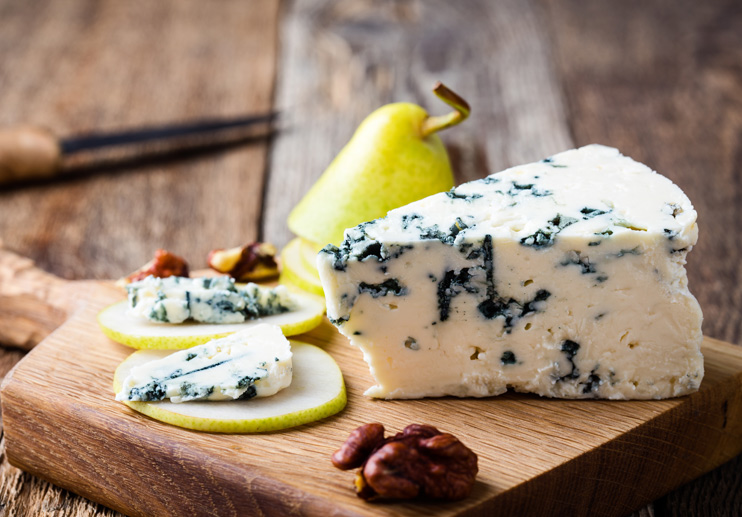
Pear Salad with Blue Cheese, Olive Oil, and Mint

One of our favorite restaurants in Chile is Fuegos de Apalta (Fires of Apalta) in the Colchagua Valley. It was opened by celebrity chef Francis Mallmann in 2017. Here is one of his recipes.

Ingredients

  • 2 large ripe red Bartlett pears, halved, cored, and cut into thick wedges
  • Sea salt, to taste
  • 8 ounces blue cheese (such as Saint Agur), brought to room temperature and cut into wedges
  • 12 dates, pitted
  • 1/3 cup extra virgin olive oil, for drizzling
  • 1/4 cup loosely packed fresh mint leaves
  • 1 teaspoon pink peppercorns, toasted and lightly crushed
  • Eight 1/2-inch-thick slices country-style white bread

Directions

Divide the pears among 4 salad plates and season with salt. Arrangea wedge of cheese and 3 dates on each plate. Drizzle with the olive oil and garnish with the mint and peppercorns. Serve with the sliced country bread for dipping in the olive oil.

Serves 4 Recipe adapted from Mallmann on Fire by Francis Mallmann (Artisan 2014)

Chickpea Flatbreads with Burst Tomato Sauce

Chilean merquén, one of our favorite seasonings, is made from sun-dried chiles that are smoked and ground, then blended with other ingredients such as toasted cumin and salt. Professional chefs are just beginning to discover it! Find merquén at amazon.com.

Ingredients

  • 1 cup chickpea flour
  • 10 tablespoons extra virgin olive oil, divided use, plus more for serving
  • 1 1/2 teaspoons kosher salt, divided
  • 2 pints cherry tomatoes, halved if large
  • 2 garlic cloves, finely chopped
  • One 15-ounce can chickpeas, drained (see Note), rinsed
  • 1 tablespoon dried oregano
  • 1 teaspoon sherry or red wine vinegar
  • 1/4 teaspoon merquén or smoked paprika (optional)
  • 2 tablespoons cold unsalted butter, cut into pieces
  • 1 cup coarsely grated queso fresco or crumbled feta (about 5 oz.)
  • Baby greens, such as arugula, kale, or spinach
  • Lemon wedges, for serving

Directions

Step 1

Place a rack in the top third of the oven; preheat to 450°F. Whisk the chickpea flour, 2 tablespoons of olive oil, 1 teaspoon of salt, and 1 cup water in a medium bowl or large measuring cup until combined. Let sit at least 10 minutes and up to 1 hour to let the flour hydrate.

Step 2

Heat 2 tablespoons olive oil in a 12-inch cast-iron skillet over medium-high heat until shimmering. Pour in exactly half (3/4 cup) of the chickpea batter and tilt to evenly coat the skillet. Transfer to the oven and bake the flatbread until the edges are golden brown, 8 to 10 minutes. Using a large spatula, transfer the flatbread to a wire rack. Repeat with the remaining batter.

Step 3

Meanwhile, cook the tomatoes, garlic, 1/4 cup of olive oil, and the remaining 1/2 teaspoon salt in a large skillet over medium-high heat, stirring occasionally, until the whole tomatoes begin to burst, 4 to 5 minutes. Stir in the chickpeas, oregano, vinegar, and merquén (if using). Reduce the heat to medium and continue to cook, stirring often, until the tomatoes have formed a fully chunky sauce, 3 to 4 minutes. Remove from the heat and stir in the butter.

Step 4

Slice the flatbreads in half. Serve with the tomato-chickpea mixture, cheese, greens, and lemon wedges alongside for squeezing and olive oil for drizzling.

Note: The liquid from drained chickpeas is called aquafaba, and is used by many vegans and vegetarians to lighten baked goods or make egg-free meringues.

Serves 4Recipe adapted from epicurious.com, March 2019

Diet including olive oil may reduce blood-clotting risk in healthy obese adults

Adapted from an article by the American Heart Association, March, 7, 2019

In a group of healthy obese adults, eating olive oil at least once a week was associated with less platelet activity in the blood, which may reduce the tendency of blood to clot and block blood flow. These findings are according to preliminary research presented at the American Heart Association’s Epidemiology and Prevention/Lifestyle and Cardiometabolic Health Scientific Sessions 2019, a premier global exchange of the latest advances in population-based cardiovascular science for researchers and clinicians.

Platelets are blood cell fragments that stick together and form clumps and clots when they are activated. They contribute to the buildup of artery-clogging plaque, known as atherosclerosis, the condition that underlies most heart attacks and strokes, according to lead study author Sean P. Heffron, MD, MS, MSc, assistant professor at NYU School of Medicine and the NYU Center for the Prevention of Cardiovascular Disease in New York, New York.

Using food frequency surveys, researchers determined how often 63 obese, nonsmoking, nondiabetic study participants ate olive oil. The participants’ average age was 32.2 years and their average body mass index (BMI) was 44.1. Obesity is defined as having a body mass index (BMI)—a ratio of body weight to height—over 30.

Researchers found that those who ate olive oil at least once a week had lower platelet activation than participants who ate olive oil less often, and that the lowest levels of platelet aggregation were observed among those who ate olive oil more frequently.

“People who are obese are at increased risk of having a heart attack, stroke, or other cardiovascular event, even if they don’t have diabetes or other obesity-associated conditions. Our study suggests that choosing to eat olive oil may have the potential to help modify that risk, potentially lowering an obese person’s threat of having a heart attack or stroke,” Heffron said. “To our knowledge, this is the first study to assess the effects of dietary composition, olive oil specifically, on platelet function in obese patients,” said co-author Ruina Zhang, BS, an NYU medical student.

Some limitations of the study are that it relied on questionnaires completed by the participants; it measured how often they ate olive oil, but not how much olive oil they ate; and because it was observational, the study could not prove that eating olive oil will reduce platelet activation in obese adults.

5 Health Benefits of Using Olive Oil

Reprinted from HealthNewsDigest.com

Anytime is a good time to consider heart health. After all, cardiovascular disease disease is the leading cause of death in America, killing over 600,000 people yea yearly, according to the Centers for Disease Control and Prevention.

Even making small changes in your lifestyle and diet can add up to big results over time. One such change that can give people a healthy benefit for the heart and beyond is to make the switch to olive oil.

“Olive oil not only tastes great, but increasingly we are learning about the healthy benefits it has for our bodies,” explains Chef Paul Anthony Fario, known as “Chefario,” the executive chef at Arlington-based Extra Virgin restaurant. “And it is quite versatile, making it easy to find ways to incorporate it into your diet.”

Here are 5 health benefits of using olive oil:

Anti-inflammation. Along with having healthy properties that help reduce inflammation in the body, it also has anti-clotting properties. This helps to make olive oil a choice that is better for the heart.

Antioxidants. Many health professionals have deemed olive oil to be heart-healthy because it contains powerful antioxidants called polyphenols. The polyphenols slow the progression of atherosclerosis.

DHPEA-EDA. This is one of the most important polyphenols found in olive oil, and researchers have found that it protects red blood cells from damage.

Monounsaturated fatty acids. Olive oil is high in monounsaturated fatty acids, which help to control a person’s LDL — or bad — cholesterol, while they also help to raise the body’s good, heart-healthy cholesterol.

Secoiridoids. This category of polyphenols found in olive oil is being researched for its anti-cancer properties. It is believed to provide the digestive tract with some protection.

Additional research suggests that olive oil has beneficial properties for bone health, cognitive function, and anti-cancer benefits. More research is being conducted to discover additional ways that olive oil can be beneficial to our health.

“Adding olive oil to your diet can be simple and tasty,” adds Chef Fario. “For the best results, buy a good-quality extra virgin olive oil and store it in a cool dark place so that it doesn’t go rancid or isn’t subjected to a lot of light exposure.”