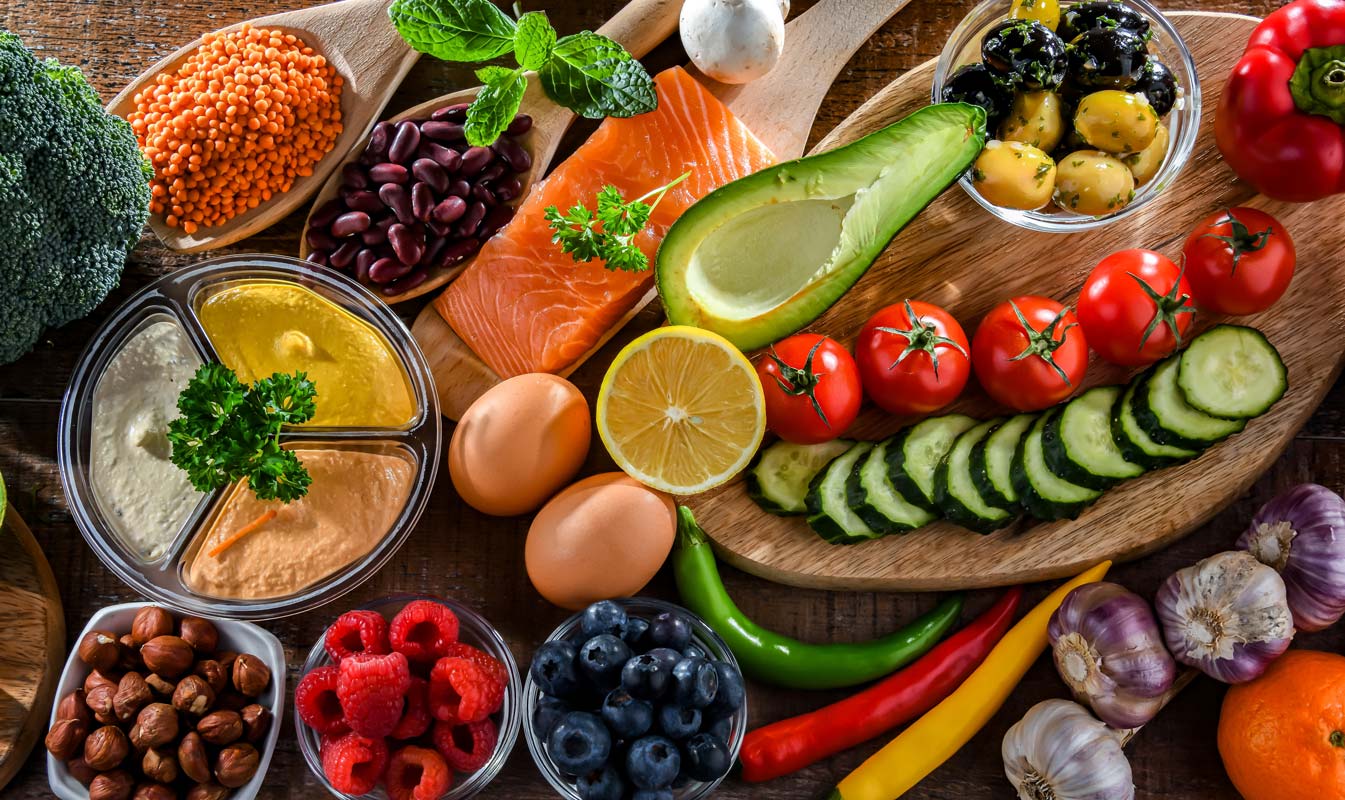
This Mediterranean lamb dish is delicious as is, but for another dimension of flavor, serve with tzatziki sauce.
Ingredients
Extra virgin olive oil
2 large eggplants, about 1 pound each
Coarse sea salt
Freshly ground black pepper
1 cup diced yellow onion
1 large red bell pepper, seeded and diced
1 pound ground lamb
2 medium tomatoes, about 12 ounces, coarsely chopped
1 teaspoon ground cumin
2 tablespoons fresh or 2 teaspoons dried oregano
1 teaspoon cinnamon
1/4 cup pine nuts
Optional: 1 tablespoon pomegranate molasses or sweetener of choice, 1/4 cup raisins (Sultanas if possible)
Directions
Step 1
Preheat your oven to 400°F. Lightly brush a rimmed sheet pan with olive oil. Slice the eggplants in half lengthwise and score the flesh in a small diamond pattern with a sharp knife without cutting through the skin. Place them cut side up on the sheet pan. Sprinkle with salt and pepper and drizzle liberally with olive oil. Roast for 45 minutes.
Step 2
While the eggplants are roasting, make the stuffing. Heat a large skillet over medium-high heat. When hot, add 2 tablespoons olive oil, the onions, and bell peppers and sauté until soft, about 5 minutes. Add the ground lamb and sauté for 5 minutes, breaking it up with a spatula. Add the chopped tomatoes, 1/2 teaspoon each salt and pepper and sauté for 2 minutes, then add the cumin, oregano, cinnamon, pine nuts, and if using, pomegranate molasses and raisins. Continue cooking until the lamb is no longer pink.
Step 3
Take the eggplants out of the oven and, still wearing oven mitts, use a grapefruit spoon to scoop out the center of each half and add to the skillet, using the spatula to break up the chunks if needed. Lower the oven to 350°F.
Step 4
Divide the stuffing between the 4 eggplant halves, mounding it in the center. Return the sheet pan to the oven and bake for 20 minutes.
Also known as Patagonian toothfish, Chilean sea bass is one of the most popular seafood options in the US. Flaky and buttery, this deep-sea fish is typically fished off the coast of southern Chile. Cod fillets are a good substitute. The mango salsa is also great with chicken or pork. Feel free to sub with the Peach Pebre recipe from page 11 if you wish.
Ingredients
For the mango salsa:
3 ripe mangos, peeled, pitted, and diced
1 large shallot, peeled and finely diced
1 small garlic clove, minced
1 red bell pepper, stemmed, seeded, and diced
2 tablespoons chopped fresh cilantro leaves
1 fresh jalapeño, stemmed, seeded, and finely diced
2 tablespoons extra virgin olive oil
Juice of 1 lime
Fine sea salt
For the fish:
4 skin-on Chilean sea bass fillets, each 5 to 6 ounces
Fine sea salt
Freshly ground black pepper
2 tablespoons extra virgin olive oil
Directions
Step 1
Make the salsa: Combine the mangos, shallot, garlic, red bell pepper, cilantro, jalapeño, olive oil, and lime juice. Season with salt to taste. Set aside.
Step 2
Prepare the fish: Preheat a nonstick skillet over medium-high heat. Pat the fish fillets dry with a paper towel and season with salt and pepper. Add the olive oil to the hot skillet. Arrange the fish fillets, skin-side down, in the skillet. Sear the fish fillets for 3 to 4 minutes per side. When done, the fish will be opaque and flake easily with a fork. Transfer to plates or a platter. Top with the mango salsa.
This rich dish can be served as a light main course or as an appetizer. Popular in Santiago, it’s traditionally baked in a ceramic vessel from the nearby town of Pomaire, famous for its burgundy-colored clay.
Ingredients
For the filling:
2 slices soft white bread (each about 3/4 inch thick), crusts removed
1 cup heavy cream or half and half, more as needed
2 tablespoons extra virgin olive oil, plus more for the casserole dish
1 medium onion, cut into small dice
1 to 2 garlic cloves, minced
1 teaspoon paprika
1 teaspoon dried oregano
1/2 teaspoon ground cumin
1/2 cup dry white wine
1 pound lump crab meat, picked over
3/4 cup grated Parmigiano-Reggiano cheese, divided use
Fine sea salt and freshly ground black pepper
For the topping:
1/4 cup panko breadcrumbs
1 tablespoon extra virgin olive oil
Optional: 1 tablespoon chopped flat-leaf parsley
Directions
Step 1
Preheat the oven to 375°F.
Step 2
Tear the bread into small pieces and place in a bowl. Pour the cream over the bread and set aside to soak for 5 minutes. Mash with a fork to break up bread; set aside. Oil an oven-safe 2-quart casserole dish.
Step 3
Heat a large skillet over medium heat. When hot, add the 2 tablespoons of olive oil and sauté the onion until translucent, 3 to 5 minutes. Add the garlic, paprika, oregano, and cumin and sauté for 1 minute more, stirring constantly. Deglaze the pan with the wine.
Step 4
Add the bread-and-cream mixture and stir to combine. Stir in the crab meat and 1/2 cup cheese. The mixture should be creamy. If too thin, cook for 1 to 2 minutes more. If too thick, add additional cream, 1 tablespoon at a time. Season to taste with salt and pepper. Spoon into the prepared casserole. Sprinkle with the remaining 1/4 cup cheese. Bake for 20 to 25 minutes, or until the mixture is bubbling.
Step 5
In the meantime, combine the panko with the olive oil. Stir until the breadcrumbs are well coated. When the casserole is nearly done, sprinkle the panko evenly over the top. Continue baking for 5 additional minutes. Top with chopped parsley, if desired, and serve.
Marinated Mozzarella Pearls Recipe, Spotlight on Mozzarella, Storing Jars, The Fat Conundrum, and The Smarter Mediterranean Diet
It’s not quite summer and I’m already looking for recipes that don’t involve turning on the oven! This mozzarella dish fits the bill. It couldn’t be more flavorful…or simpler. The cheese is the perfect foil for fresh-pressed olive oil—I know you’ll be serving it from now through autumn! One of the two new studies I’m sharing reveals that excess weight poses different threats for women and men, while the other presents a possible solution for everyone: an approach called the “smarter” Mediterranean diet. Read on for the details.
Add zest to mozzarella with this flavorful marinade. Pearls are cheese balls about the size of cherry tomatoes. Serve them as a finger food or pair with tomatoes for a first course.
Ingredients
1 medium lemon
1 garlic clove
1/4 cup finely chopped mix of fresh parsley and basil leaves
1/4 teaspoon crushed red pepper flakes, or more to taste
1/2 cup extra virgin olive oil
1/2 teaspoon coarse sea salt
16 ounces mozzarella pearls
Directions
Step 1
Use a Microplane set over a medium bowl to zest the lemon (reserve the rest of the lemon for another recipe) and grate the garlic. Add the herbs, red pepper, olive oil, and salt if using and whisk well.
Step 2
Place the mozzarella into a half-pint lidded jar. Drizzle the olive oil mixture over the pearls and let marinate on the counter for 30 minutes. If not eating right away, cover and refrigerate (bring to room temperature before serving).
Serves 8
Healthy Ingredient Spotlight
Fresh Mozzarella
Handcrafted fresh mozzarella, now available in many food markets, is a versatile cheese, ready to be enjoyed cold or melted in hot dishes. True Italian mozzarella is mozzarella di bufala, or mozzarella made from milk of the Italian Mediterranean buffalo. In the US, it is almost always made from cow’s milk, though a handful of artisanal makers are raising buffalo to produce more authentic varieties and some Italian makers export the real thing.
Debunking cheese’s negative health rap, research published in the journal Advances in Nutrition found moderate evidence suggesting that eating cheese doesn’t increase the risk of cardiovascular diseases and may even offer some protection from these ills. Fresh mozzarella, in particular, is considered one of the healthier cheeses, due to its low fat and sodium content along with 7 grams of protein and over 200 mg of calcium per ounce.
Quick Kitchen Nugget
Storing Jars
With the move away from plastics, there are many glass options for storing food. Round clip top jars made by companies including Kilner and Weck are cylindrical containers with a hinged metal clamp and replaceable rubber seal. Great for storing dry staples like flour, grains, pasta, even teas, they’re also perfect for marinating and pickling vegetables. Mason jars go one step further—thanks to their tempered glass, they can withstand the heat of boiling water, making them ideal for canning. To meet kitchen needs, consider a range of sizes: half-pint (1 cup), pint (2 cups), quart (4 cups), and half-gallon (8 cups).
For Your Best Health
The Fat Conundrum
New findings presented by a research team from Dokuz Eylul University in Izmir, Turkey at this year’s European Congress on Obesity (ECO) highlight clear differences in how obesity affects men and women.
“Our findings reveal intriguing differences in the way men and women respond to obesity,” said lead author Dr. Zeynep Pekel. “They show just how important gender-specific research is. Not only are sex differences a powerful player in the pathology and course of obesity, but our results indicate that such differences could be a stepping stone toward finding targeted, sex-based therapies to help in the management of people living with obesity.”
Their findings showed that men with obesity are more likely to accumulate abdominal (visceral) fat. This type of fat surrounds internal organs and is strongly linked to serious heart and metabolic conditions. They had a slightly higher body mass index (BMI) than women (37.5 vs 36.0 kg/m²), but their waist circumference was much larger (120 vs 108 cm), and their systolic blood pressure was also higher (128 vs 122 mmHg), two factors linked to increased risk of cardiovascular disease and diabetes. The men also had significantly higher levels of liver enzymes (ALT and GGT), triglycerides, and creatinine. These findings point to a greater likelihood of liver-related and metabolic complications.
Women with obesity, on the other hand, had higher total cholesterol (215 vs 203 mg/dL) and LDL or “bad” cholesterol (130 vs 123 mg/dL). They typically store more fat beneath the skin and showed higher levels of inflammatory markers, including erythrocyte sedimentation rate, C-reactive protein, and platelet count, raising the risk of heart disease and type 2 diabetes.
“It’s still early days and these findings need to be confirmed in other patient groups, but they offer important insight into how obesity may affect men and women differently,” said Dr. Pekel. “These differences are likely influenced by biological factors such as hormones, immune responses, and fat distribution. Our next steps are to validate these findings in larger populations, better understand the biological processes behind these differences, and explore how these patterns relate to clinical risk.”
Fitness Flash
The Smarter Mediterranean Diet
The Mediterranean diet is already famous for its heart and metabolic benefits. Now a large European study called the PREDIMED-Plus Trial revealed that a lower-calorie Mediterranean diet may work even better against type 2 diabetes when paired with three realistic upgrades: eating fewer calories, moving more, and getting professional support for weight loss.
The trial found that this more structured version of Mediterranean living reduced the risk of developing type 2 diabetes by 31% over six years. Participants also lost more weight (3.3 kg), reduced abdominal fat more effectively, and reduced waist circumference by 3.6 cm, compared to those following a standard Mediterranean diet alone.
In real world terms, the researchers estimated that the program prevented about three cases of type 2 diabetes for every 100 participants. For a condition affecting hundreds of millions of people globally, that kind of prevention could add up quickly if applied broadly among people at elevated risk.
“Diabetes is the first solid clinical outcome for which we have shown — using the strongest available evidence — that the Mediterranean diet with calorie reduction, physical activity, and weight loss is a highly effective preventive tool,” said Miguel Ángel Martínez-González, Professor of Preventive Medicine and Public Health at the University of Navarra, Adjunct Professor of Nutrition at Harvard University, and one of the principal investigators of the project. “Applied at scale in at-risk populations, these modest and sustained lifestyle changes could prevent thousands of new diagnoses every year. We hope soon to show similar evidence for other major public health challenges.”
“The Mediterranean diet acts synergistically to improve insulin sensitivity and reduce inflammation. With PREDIMED-Plus, we demonstrate that combining calorie control and physical activity enhances these benefits,” explained Miguel Ruiz-Canela, Professor and Chair of Preventive Medicine and Public Health Department at the University of Navarra’s School of Medicine and first author of the study. “It is a tasty, sustainable, and culturally accepted approach that offers a practical and effective way to prevent type 2 diabetes — a global disease that is, to a large extent, avoidable.”
The project is the largest nutrition trial conducted in Europe and involved the University of Navarra along with more than 200 researchers from 22 other Spanish universities, as well as hospitals and research centers. The work was carried out in more than 100 primary care centers within Spain’s National Health System.
Since the PREDIMED-Plus diabetes findings were prepared, related research has continued to strengthen the broader picture. A PREDIMED-Plus body composition analysis published in JAMA Network Open found that the energy-reduced Mediterranean diet plus physical activity helped reduce total and visceral fat while slowing age-related loss of lean mass in older adults with overweight or obesity and metabolic syndrome. That matters because visceral fat and declining muscle are closely tied to cardiometabolic risk.
More recent PREDIMED-Plus work has also explored how sedentary time may affect cardiovascular health. A 2026 study in BMC Cardiovascular Disorders reported that replacing sedentary time with physical activity was associated with favorable five-year changes in high-sensitivity troponin T, a blood marker related to heart stress, although the pattern was not consistent across all atrial fibrillation–related biomarkers.
A 2026 analysis from the original PREDIMED trial also highlighted the possible importance of food quality within the diet. Participants with higher cumulative intake of extra virgin olive oil had a lower risk of a broad cardiovascular outcome, while common olive oil showed weaker associations. The finding supports a practical message for readers: the Mediterranean diet is not only about eating less or eating more plants. The type and quality of fats may matter too.