These muffins have a great crunch and are packed with whole grain goodness.
Ingredients
1-1/2 cups white whole wheat or whole wheat pastry flour
3/4 cup rolled oats
2 ounces almonds or walnuts, roughly chopped
1 tablespoon baking powder
1/4 cup brown sugar
1 tablespoon stevia
1/2 teaspoon ground cinnamon
1/2 teaspoon fine sea salt
1 cup blueberries, rinsed and patted dry
4 tablespoons extra virgin olive oil
2 extra-large eggs
1 cup milk, your choice of dairy or plant-based
2 teaspoons vanilla extract or paste
Directions
Step 1
Preheat your oven to 400ºF if conventional, 380ºF if convection. In a large bowl, whisk together the flour, oats, nuts, baking powder, sugar, stevia, cinnamon, and salt. Add the berries and toss to coat (this will help them stay well distributed in the batter).
Step 2
In a separate bowl or measuring cup, whisk together the olive oil, eggs, milk, and vanilla. Pour the liquid ingredients over the flour mixture and use a spatula to fold them in just until no traces of flour remain.
Step 3
Use a large ice cream scoop to fill a 12-muffin tin and bake for 20 minutes or until the tip of a knife comes out clean. Cool for 10 minutes and then transfer the muffins to a rack to finish cooling. Store in a covered tin for up to two days and then refrigerate.
Chimichurri Aioli Recipe and the Gut Health Benefits of Olive Oil
There’s been a lot of research in recent years showing the relationship of gut health with overall health. The gut is thought to be as powerful a system as the brain—it’s sometimes called the second brain! Based on the level of diversity in its bacteria (called the gut microbiota), your gut can make you more or less susceptible to conditions like diabetes and heart disease. So, I was super excited to read about the ways in which extra virgin olive oil can enhance gut microbiota diversity.
The Gut Health Benefits of Olive Oil
Research Review: “Extra-virgin olive oil and the gut-brain axis: influence on gut microbiota, mucosal immunity, and cardiometabolic and cognitive health,” Nutrition Reviews, December 2021.
What We Know: Extra virgin olive oil (EVOO) is considered a functional food because it supports many aspects of health. It has a wide variety of healthful components, including monounsaturated fatty acids, or MUFAs, and bioactive phenolic compounds that, as the review reminds us, “individually and collectively, exert beneficial effects on cardiometabolic markers of health and act as neuroprotective agents through their anti-inflammatory and antioxidant activities.” Simply put, those compounds boost heart, brain, and metabolic health in numerous ways.
The Benefits of Olive Oil in a Nutshell: Extra virgin olive oil boosts gut microbiota diversity, enhancing health while lowering inflammation, oxidative stress, insulin resistance, blood fats, blood sugar, and blood pressure.
The review goes on to state that “the gut microbiota and health of the intestinal environment are now considered important factors in the development of obesity, metabolic disease, and even certain neurodegenerative conditions via the gut-brain axis. Recently, data are emerging which demonstrate that the health-promoting benefits of EVOO may also extend to the gut microbiota.”
For their review, the authors analyzed many recent studies on EVOO and the gut and found that EVOO reduces the abundance of bad bacteria, stimulates the growth of good bacteria, and increases the production of short-chain fatty acids, or SCFAs, which have a wide range of anti-inflammatory effects.
They also found that EVOO plays a role in the health of the intestinal mucosa, the mucous layer lining the digestive system (it’s actually part of the body’s immune system and acts as a protective barrier to invaders). The health of the intestinal mucosa seems to influence the body’s overall level of inflammation, and inflammation is at the root of many heart, metabolic, and brain diseases. As the review authors point out, “Western-style diets, low in dietary fiber and high in high pro-inflammatory fats, are associated with gut dysbiosis, increased gut permeability, systemic inflammation, and a variety of chronic diseases. Conversely, healthier dietary patterns like the Mediterranean diet, which is rich in dietary fiber, beneficial fatty acids, and polyphenolic compounds, are associated with greater gut microbial diversity, increased abundance of beneficial bacteria, and reduced levels of inflammation and risk of chronic diseases.”
Among the many studies cited in the review is one on the effects of a Mediterranean diet on the gut microbiota of 612 elderly European participants. The study found that sticking to the diet for over 12 months led to “an increased abundance in several bacteria associated with improved cognition and was inversely associated with pro-inflammatory markers.” In general, people who get EVOO in their diet tend to have high numbers of many types of good bacteria—numbers that tend to be lower in people who eat a typical Western diet.
The researchers also compared the results of many large-scale studies to find the optimal amount of olive oil to have every day for different health benefits. Here’s what they found: “At least 4 tablespoons per day is associated with a 30% lower risk of occurrence of cardiovascular events and improved cognitive function compared with a low-fat diet. In addition to using EVOO in [place] of saturated fats, the European Food Safety Authority also suggests a minimum daily intake of 20 g [about 1.5 tablespoons] of EVOO to assist in obtaining optimal cholesterol levels and protection of LDL [low-density lipoproteins] from oxidative damage. Although evidence in relation to the optimal amount of EVOO required to modulate the gut microbiota is still in its infancy, beneficial effects on the microbiota have been observed in two intervention studies at doses of 40 and 50 g/day (about 3 and 4 tablespoons, respectively).”
This olive-oil based recipe turns chimichurri into an aioli, a highly flavored, garlicky mayonnaise. It’s great as a veggie dip, a condiment, and even a dressing for cold pasta salad.
Ingredients
1/4 cup best quality prepared mayonnaise
1 clove garlic, peeled and coarsely chopped
2 tablespoons fresh cilantro leaves
2 tablespoons fresh flat-leaf parsley leaves
1 tablespoon red wine vinegar, such as Vinaigre de Banyuls, plus more to taste
1/2 teaspoon dried oregano
1/4 teaspoon crushed red pepper flakes
1/4 teaspoon coarse salt, or more to taste
1/4 teaspoon freshly ground black pepper
2 tablespoons extra virgin olive oil
Directions
Step 1
Combine everything except the olive oil in the bowl of a food processor and process until the garlic and herbs are finely chopped.
Step 2
With the motor running, slowly drizzle the oil through the feed tube until the mixture is smooth.
Step 3
Taste, adding more vinegar or salt as needed. If the mixture is too thick, add a few drops of water and process for a few seconds. Cover and refrigerate until ready to serve.
This olive-oil based recipe turns chimichurri into an aioli, a highly flavored, garlicky mayonnaise. It’s great as a veggie dip, a condiment, and even a dressing for cold pasta salad.
Ingredients
1/4 cup best quality prepared mayonnaise
1 clove garlic, peeled and coarsely chopped
2 tablespoons fresh cilantro leaves
2 tablespoons fresh flat-leaf parsley leaves
1 tablespoon red wine vinegar, such as Vinaigre de Banyuls, plus more to taste
1/2 teaspoon dried oregano
1/4 teaspoon crushed red pepper flakes
1/4 teaspoon coarse salt, or more to taste
1/4 teaspoon freshly ground black pepper
2 tablespoons extra virgin olive oil
Directions
Step 1
Combine everything except the olive oil in the bowl of a food processor and process until the garlic and herbs are finely chopped.
Step 2
With the motor running, slowly drizzle the oil through the feed tube until the mixture is smooth.
Step 3
Taste, adding more vinegar or salt as needed. If the mixture is too thick, add a few drops of water and process for a few seconds. Cover and refrigerate until ready to serve.
Cheddar Chile Cornbread Recipe, Spotlight on Cornmeal, The Color of Cheddar, Olive Oil in Early Pregnancy, and The Hidden Dangers of Uric Acid
Recipes don’t have to be complicated to be delicious, and this whole-grain cornbread, enhanced with olive oil, cheese, and peppers, is the perfect example—you’ll never use a boxed mix again! I’m including everything you need to know about the key ingredients that make this recipe special. You’ll also find results from the latest study on eating healthy during pregnancy—more proof of the universal benefits of a Mediterranean diet. Plus, details on the intriguing new book from my friend, Dr. David Perlmutter, all about an under-appreciated threat to metabolic health.
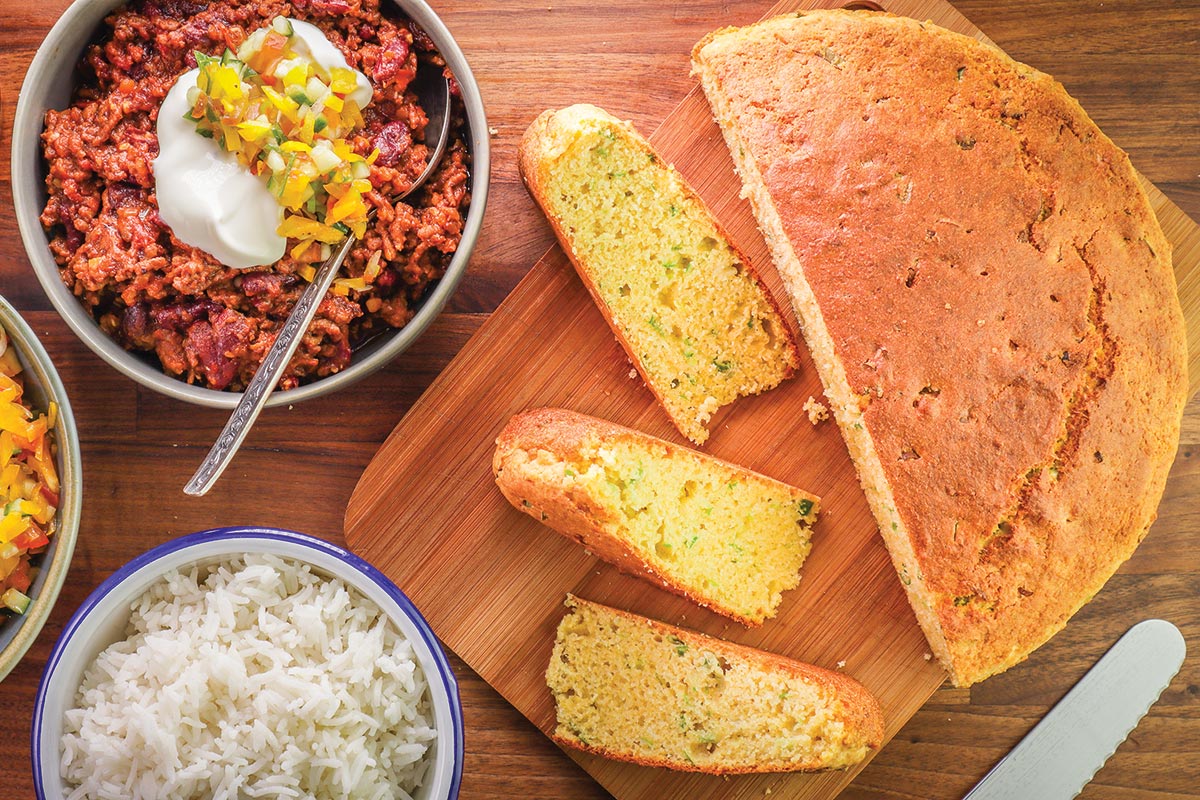
This zesty take on cornbread makes a great accompaniment to so many meals—an egg-based breakfast, a lunch of hearty chili, or a gumbo dinner. Reheat any leftovers and top with red pepper jelly for a great snack. Along with the peppers, the cornmeal and white whole-wheat flour bring a little of the always-needed fiber.
2–3 chile peppers, such as serranos or jalapeños, seeded and finely chopped
1 bell pepper, seeded and diced
3 ounces sharp cheddar cheese, grated
Directions
Step 1
Preheat your oven to 400°F. Lightly coat a 9″ round cake pan with olive oil.
Step 2
In a small bowl, whisk together the olive oil, eggs, milk, and sugar. In a large bowl, whisk the cornmeal, flour, baking powder, salt, and cayenne to blend. Add the peppers and cheese, toss to coat, and then add the liquid mixture. Fold gently until combined and pour into the pan.
Step 3
Bake until a tester comes out clean, about 20 minutes. Let cool for 5–10 minutes before turning out onto a plate. Serve warm.
Yields 8 generous wedges
Healthy Ingredient Spotlight
Cornmeal: fine, coarse, or medium?
Cornmeal is the basis for many delicious foods, from cornbread to polenta. You can find it (often from online merchants like Vitacost) in various grinds—fine, medium, and coarse. Many chefs prefer the most flavorful coarse cornmeal for very slowly cooked polenta and the somewhat less flavorful fine cornmeal for baked goods with a finer crumb. For cornbread, medium grind is best for getting a toothsome finish (you can give the cornmeal a few pulses in a food processor to make it finer when using it in other recipes). Equally important is choosing 100% stone-ground cornmeal to get the benefits of the whole grain, including fiber. If you don’t use it up quickly, store it in the fridge or freezer to keep the natural oils from going rancid. Avoid degerminated cornmeal, which is processed and has far less nutritional value. Though cornmeal comes in white, yellow, and blue, there isn’t a very noticeable difference in taste between them, so color is more a personal preference.
Healthy Kitchen Nugget
The color of cheddar
Speaking of taste, there’s little to no difference between white and yellow/orange cheddar varieties. But unlike cornmeal’s hues, which are determined by the type of corn milled, yellow/orange cheddar is the result of the addition of a vegetable food coloring called annatto that comes from the fruit of the achiote tree. The only reason it’s added at some dairies is because we’re used to seeing cheddar this color. As with many other foods, the trend now is for a more natural approach—in this case that’s white cheddar.
What does make a taste difference between cheddars? Aging. Like with other cheeses, as cheddar ages, its taste becomes more pronounced or full-bodied. A mild cheddar is a few months old, while the sharpest has aged for two years or more. I like sharp cheddar in general, and it’s especially good for baking because its flavor isn’t lost in the cooking process. Tip: It’s easier to grate cheese as soon as you take it out of the fridge—the warmer it gets, the mushier the shreds.
For Your Best Health
Olive oil and other unsaturated fats in early pregnancy
A mother and child study, done at the University of Turku and Turku University Hospital in Finland and published in the European Journal of Nutrition, found that eating a healthy diet in early pregnancy lowers the risk of gestational diabetes, which has been linked to being overweight. Both a poor-quality diet and a diet high in foods that increase inflammation in the body, notably those high in saturated fat, heighten the risk.
“Eating vegetables, fruit, berries, and wholegrain products as well as unsaturated fats is particularly important. These nutrients and foods reduce inflammation in the body and therefore also the risk of gestational diabetes. Mothers who are overweight or obese…before the pregnancy would most likely benefit from dietary guidance in early pregnancy,” says Kirsi Laitinen, PhD, associate professor in nutrition at the University of Turku.
Fitness Flash
The hidden dangers of uric acid
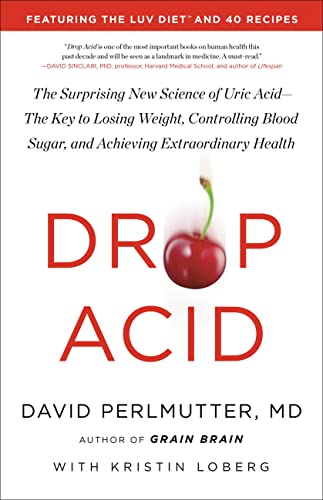
I’m very excited to share news about the publication of Drop Acid: The Surprising New Science of Uric Acid—The Key to Losing Weight, Controlling Blood Sugar, and Achieving Extraordinary Health by David Perlmutter, MD, board-certified neurologist and five-time New York Times bestselling author who serves on the Board of Directors and is a Fellow of the American College of Nutrition.
As he explains it, obesity, insulin resistance, diabetes, fatty liver disease, hypertension, cardiovascular disease, stroke, neurological disorders, and premature death can all be stoked by high uric acid levels—something you may not even realize is circulating in your system unless you’ve ever experienced gout.
“Researchers around the globe over the past decade have revealed that uric acid is actually playing a central role in metabolic disorders. From weight gain to elevated blood sugar, it’s uric acid that is orchestrating this metabolic mayhem. And this is a simple blood test that most Americans have likely already had. It’s part of your annual blood work,” Dr. Perlmutter writes. “Uric acid is derived from only three sources: Alcohol, purines (the breakdown product of the DNA and RNA in our foods) and, most importantly, fructose. We’ve known for decades that fructose is the gateway for metabolic problems, but we never understood how. Now, we’ve learned about the uric acid connection.”
In the book, Dr. Perlmutter not only explores this new science, but also shares his simple “LUV” (Lower Uric Values) diet and a 21-day program for lowering uric acid and favorably impacting your metabolism. It’s available at Amazon.