Fresh-Pressed Olive Oil Club

The Olive Oil Hunter News #77

Citrus Pork Rib Roast with Roasted Fennel Recipe, Spotlight on Fennel, How to Marinate Safely, Diversify Proteins for Better Health and Resistance Training for Better Sleep

Springtime celebrations demand a dramatic dish, and a pork rib roast fits the bill. This recipe is a great introduction to fennel for those who have been shying away from this versatile veg. You’ll also read about two pieces of interesting health research, important to anyone who wants to fend off high blood pressure (a top heart health risk) and sleep better (not getting enough is a risk to the heart, brain, and overall well-being).

Citrus Pork Rib Roast with Roasted Fennel
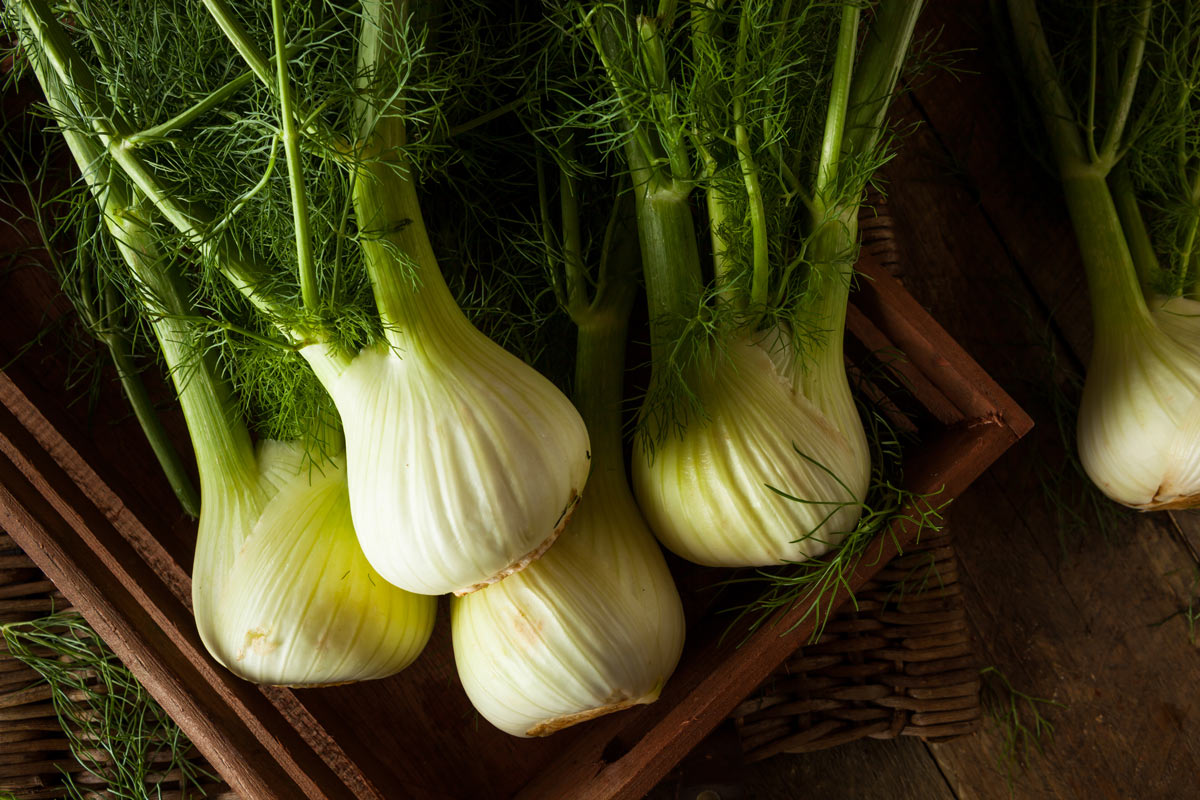
  • Fennel Citrus Pork Rib Roast with Roasted Fennel

    This recipe serves a large crowd. For smaller gatherings, cook just one rib roast and cut all the other ingredients in half. If you can’t get bone-in pork rib roasts locally, substitute pork loin roast or even thick pork chops—adjust the cooking times accordingly. The citrus marinade is also excellent with chicken. 

    Ingredients

    • Two 5-bone pork rib roasts, each about 4 pounds 
    • 3 lemons, sliced into eighths and seeded
    • 3 navel oranges, sliced into eighths
    • 1/2 grapefruit, sliced into quarters and seeded 
    • 1/2 sweet onion, peeled and quartered
    • 6 cloves garlic, roughly chopped
    • 3 small sprigs fresh oregano
    • 2 tablespoons fennel seeds 
    • 3/4 cup extra virgin olive oil, divided use
    • 10 whole cloves
    • 10 fresh or 5 dried bay leaves
    • 8 juniper berries, crushed, or 1/4 cup gin
    • Sea salt and coarsely ground fresh black pepper 
    • 3 large fennel bulbs 
    • 15 kumquats
    • Grated Parmigiano-Reggiano cheese, for serving

    Directions

    Step 1

    Put the pork roasts in one or two jumbo-sized resealable plastic bags, a large glass bowl, or baking dish. In the bowl of a food processor, combine the lemons, oranges, grapefruit, onion, garlic, oregano, fennel seeds, and 1/4 cup of olive oil and pulse until the mixture is roughly chopped and juicy. Take the bowl off the processor base, remove the blade, and stir in the cloves, bay leaves, and juniper berries or gin. Pour the marinade over the pork roasts. Seal the bags and place them in a roasting pan to contain any leaks or, if marinating in a large container, cover well with plastic wrap. Refrigerate overnight or up to 24 hours, turning periodically to redistribute the marinade. 

    Step 2

    When ready to cook, preheat your oven to 350°F. Prepare a very large roasting pan by lining it with foil (for an easy cleanup) and placing a roasting rack in it; set aside. Scrape the marinade off the roasts and pat dry with paper towels. Generously season on all sides with salt and pepper. In a large skillet, heat 1/4 cup olive oil over medium heat. Sear one roast until caramelized, turning as needed with tongs, and then transfer it to the roasting pan. Repeat with the other roast. Place the pan in the upper two-thirds of the oven (you’ll need a second oven rack placed in the bottom third for the fennel and kumquats). Set a timer for 40 minutes. 

    Step 3

    While the pork is roasting, prepare the fennel. Cut off the fronds, the feathery green tops of the fennel stalks, chop a few and set aside. Refrigerate the rest of the fronds for other uses. Trim the bottoms of the bulbs and cut off the stalks; reserve the stalks for another dish or the next time you make stock. Cut each bulb vertically through the core into 4 sections. Drizzle the bottom of a rimmed baking sheet with some of the remaining olive oil and arrange the fennel pieces on top. Drizzle more olive oil over the fennel. Season with salt and pepper. Arrange the kumquats among the fennel. Place the baking sheet on the lower rack of your oven when the timer goes off. Roast, turning once, until the fennel is tender and golden brown, about 40 minutes. Transfer the fennel and kumquats to a platter. Dust with the grated cheese and garnish with the reserved fennel fronds. 

    Step 4

    Remove the pork roasts from the oven when the internal temperature in the thickest part is 140°F, about 1 hour and 20 minutes total (this should coincide with the fennel/kumquat cooking time). Let rest for 10 minutes before slicing into chops. Serve with the roasted fennel and kumquats. 

    Yields 10 servings 

Healthy Ingredient Spotlight: Fennel

Healthy Ingredient Spotlight

Get familiar with fennel

For the uninitiated, fennel can look intimidating, but its licorice scent and taste add a lot of appeal to dishes, from soups to seafood—you’ll be pleasantly surprised even if you’re not a fan of black licorice candy.

This member of the carrot family hails from the Mediterranean region but is used, both raw and cooked, in cuisines far and wide. Raw fennel adds crunch to salads, much like celery, when the bulb is quartered and thinly sliced or chopped, depending on the recipe. The feathery fronds at the top of the vegetable can be chopped much like dill and used in many of the same ways, from a garnish to a flavoring. Some people find that the stalks are too fibrous to eat raw, but they soften when cooked—cooking also makes fennel’s licorice flavor milder.  

Healthy Kitchen Nugget: How to Marinate Safely

Healthy Kitchen Nugget

Marinating safely

Marinating food, especially overnight, is a great way to infuse it with flavor. But think “safety first,” according to the Academy of Nutrition and Dietetics. When possible, marinate in glass, covering the container fully with plastic wrap, or use disposable food-safe sealable plastic bags. Don’t use a metal container because the acid in a marinade can interact with metal. Refrigerate the marinating food on the bottom shelf of your fridge. If a recipe calls for the marinade liquid to be used as a baste,you mustboil it first to kill bacteria. Even better is to reserve some of the marinade separately or to make a small additional batch for this purpose.

For Your Best Health: Diversify Proteins

For Your Best Health

Pick a variety of proteins

Eating a balanced diet and including protein from a variety of sources may help lower the risk of high blood pressure, according to research published in Hypertension, a journal of the American Heart Association (AHA).

In its 2021 dietary guidance to improve heart health, the AHA recommended eating one to two servings, or 5.5 ounces, of protein daily from healthy sources—plants, seafood, low-fat or fat-free dairy products, and, if desired, lean cuts and unprocessed forms of meat or poultry. The new research looked at the link between specific proteins and new cases of high blood pressure among 12,000 participants whose diet records were analyzed over a six-year period. 

Participants were given scores based on the number of different sources of protein they ate: whole grains, refined grains, processed red meat, unprocessed red meat, poultry, fish, eggs, and legumes. One point was given for each protein source, with a top score of 8. The researchers then compared new cases of hypertension to the scores. In contrast to participants with the lowest score (less than 2), those with a score of 4 or higher had a 66 percent lower risk of developing high blood pressure.

But there can also be too much of a good thing, especially when it comes to processed meat. When the researchers divided the total quantity of protein eaten into five levels (or quintiles) from least to most intake, people who ate the least amount of total protein and those who ate the most protein had the greatest high blood pressure risk.

“The heart health message is that consuming a balanced diet with proteins from various different sources, rather than focusing on a single source of dietary protein, may help to prevent the development of high blood pressure,” says study author Xianhui Qin, MD.

Fitness Flash: Resistance training for better sleep

Fitness Flash

Resistance training for better sleep

Having sleep trouble? Strength training to the rescue! Research done at Iowa State University found that study participants who did 60 minutes of resistance exercise three times a week for a year slept longer and fell asleep faster than participants who did aerobic-only workouts or a combination of aerobic and resistance exercises for 30 minutes each. The resistance exercise regimen consisted of three sets of 12 exercises that targeted all the major muscle groups and included bicep curls, crunches, leg extensions, and triceps dips.

Among participants who were not getting at least seven hours of sleep at the start of the study, sleep duration increased by an average of 40 minutes in the resistance exercise-only group compared to an average increase of 18 minutes in the other groups. People in the resistance exercise-only group also reported falling asleep an average of three minutes faster at the end of the 12 months; there wasn’t any notable change in this regard in the other groups.

“While there’s no definitive answer as to why humans sleep, one theory is that sleep provides the body an opportunity to restore different systems,” says lead author Angelique Brellenthin, PhD, assistant professor of kinesiology at Iowa State. “Because resistance exercise is a powerful stimulus that causes stress to the muscle tissue, that stimulus may send a stronger signal to the brain that this person needs to sleep and to sleep deeply to repair, restore, and adapt the muscle tissue for the next time they need it. Our study shows resistance exercise goes above and beyond the benefits you would see from other types of exercise in terms of sleep quality. If people are concerned about their sleep and have a limited amount of time to exercise, they may want to consider prioritizing resistance workouts.”

Get More Recipes In Your Inbox!
Can Small Amounts of Olive Oil Keep Mortality at Bay?

Adapted from an article by Susanna Larsson in the Journal of the American College of Cardiology, January 20, 2022.

Olive oil is the cornerstone of the Mediterranean diet, which is also abundant in plant foods. High adherence to the Mediterranean diet has been associated with lower incidence and mortality from cardiovascular disease (CVD) and cancer. For CVD, the association with the Mediterranean diet appears most attributable to olive oil, fruit, vegetables, and legumes.

In the January 2022 issue of the Journal of the American College of Cardiology, a team of investigators reported results from a study of olive oil consumption and risk of all-cause and cause-specific death in 2 cohorts of more than 90,000 US women and men.

In this large, well-designed study, with long-term follow-up and repeated measurements of dietary intake and other risk factors for diseases, participants who reported the highest olive oil consumption—half a tablespoon or more per day—had a 19% lower risk of all-cause death, 19% lower risk of death from CVD, 17% lower risk of death from cancer, 29% lower risk of death from neurodegenerative disease (such as Alzheimer’s or Parkinson’s), and 18% lower risk of death from respiratory disease (such as COPD), compared with those who never or rarely consumed olive oil, after adjustment for known risk factors and other dietary factors. Lower daily olive oil consumption, up to 1 teaspoon, reduced the risk of all-cause death by 12% and death from CVD, cancer, and neurodegenerative diseases significantly as well. The authors subsequently performed substitution analyses and found that replacement of margarine, butter, mayonnaise, and dairy fat with olive oil was associated with a reduced risk of mortality. However, substituting olive oil for other vegetable oils (such as canola, corn, safflower, and soybean oil) did not confer a reduced mortality risk. This suggests that vegetable oils may provide similar protective benefits.

A novel finding of this study is the inverse association between olive oil consumption and risk of neurodegenerative disease mortality. Alzheimer’s disease is the major neurodegenerative disease and the most common cause of dementia. The authors found a significant 27% reduction in risk of dementia-related death for those in the highest vs lowest category of olive oil consumption. Considering the lack of preventive strategies for Alzheimer’s disease and the high morbidity and mortality related to this disease, this finding, if confirmed, is of great public health importance.

Reference: Guasch-Ferré M, Li Y, Willett WC, et al. Consumption of Olive Oil and Risk of Total and Cause-Specific Mortality Among U.S. Adults. J Am Coll Cardiol. 2022;79(2):101–112.

Citrus Pork Rib Roast with Roasted Fennel

This recipe serves a large crowd. For smaller gatherings, cook just one rib roast and cut all the other ingredients in half. If you can’t get bone-in pork rib roasts locally, substitute pork loin roast or even thick pork chops—adjust the cooking times accordingly. The citrus marinade is also excellent with chicken. 

Ingredients

  • Two 5-bone pork rib roasts, each about 4 pounds 
  • 3 lemons, sliced into eighths and seeded
  • 3 navel oranges, sliced into eighths
  • 1/2 grapefruit, sliced into quarters and seeded 
  • 1/2 sweet onion, peeled and quartered
  • 6 cloves garlic, roughly chopped
  • 3 small sprigs fresh oregano
  • 2 tablespoons fennel seeds 
  • 3/4 cup extra virgin olive oil, divided use
  • 10 whole cloves
  • 10 fresh or 5 dried bay leaves
  • 8 juniper berries, crushed, or 1/4 cup gin
  • Sea salt and coarsely ground fresh black pepper 
  • 3 large fennel bulbs 
  • 15 kumquats
  • Grated Parmigiano-Reggiano cheese, for serving

Directions

Step 1

Put the pork roasts in one or two jumbo-sized resealable plastic bags, a large glass bowl, or baking dish. In the bowl of a food processor, combine the lemons, oranges, grapefruit, onion, garlic, oregano, fennel seeds, and 1/4 cup of olive oil and pulse until the mixture is roughly chopped and juicy. Take the bowl off the processor base, remove the blade, and stir in the cloves, bay leaves, and juniper berries or gin. Pour the marinade over the pork roasts. Seal the bags and place them in a roasting pan to contain any leaks or, if marinating in a large container, cover well with plastic wrap. Refrigerate overnight or up to 24 hours, turning periodically to redistribute the marinade. 

Step 2

When ready to cook, preheat your oven to 350°F. Prepare a very large roasting pan by lining it with foil (for an easy cleanup) and placing a roasting rack in it; set aside. Scrape the marinade off the roasts and pat dry with paper towels. Generously season on all sides with salt and pepper. In a large skillet, heat 1/4 cup olive oil over medium heat. Sear one roast until caramelized, turning as needed with tongs, and then transfer it to the roasting pan. Repeat with the other roast. Place the pan in the upper two-thirds of the oven (you’ll need a second oven rack placed in the bottom third for the fennel and kumquats). Set a timer for 40 minutes. 

Step 3

While the pork is roasting, prepare the fennel. Cut off the fronds, the feathery green tops of the fennel stalks, chop a few and set aside. Refrigerate the rest of the fronds for other uses. Trim the bottoms of the bulbs and cut off the stalks; reserve the stalks for another dish or the next time you make stock. Cut each bulb vertically through the core into 4 sections. Drizzle the bottom of a rimmed baking sheet with some of the remaining olive oil and arrange the fennel pieces on top. Drizzle more olive oil over the fennel. Season with salt and pepper. Arrange the kumquats among the fennel. Place the baking sheet on the lower rack of your oven when the timer goes off. Roast, turning once, until the fennel is tender and golden brown, about 40 minutes. Transfer the fennel and kumquats to a platter. Dust with the grated cheese and garnish with the reserved fennel fronds. 

Step 4

Remove the pork roasts from the oven when the internal temperature in the thickest part is 140°F, about 1 hour and 20 minutes total (this should coincide with the fennel/kumquat cooking time). Let rest for 10 minutes before slicing into chops. Serve with the roasted fennel and kumquats. 

Yields 10 servings 

The Olive Oil Hunter News #76

Vegetables Primavera Recipe, Spotlight on Asparagus, Importance of Preheating the Pan and Indoor-Gardens, plus Exercise for Stroke Prevention

There’s nothing quite like the taste of spring’s first vegetables after a long winter of frozen or imported choices, and the recipe I’m sharing lets them shine without a fussy preparation or heavy sauce. If your thoughts turn to gardening this time of year, you’ll appreciate the benefits of bringing some of that greenery inside. Plus, you’ll see why getting out and walking in the nicer weather has an important health benefit.

Vegetables Primavera

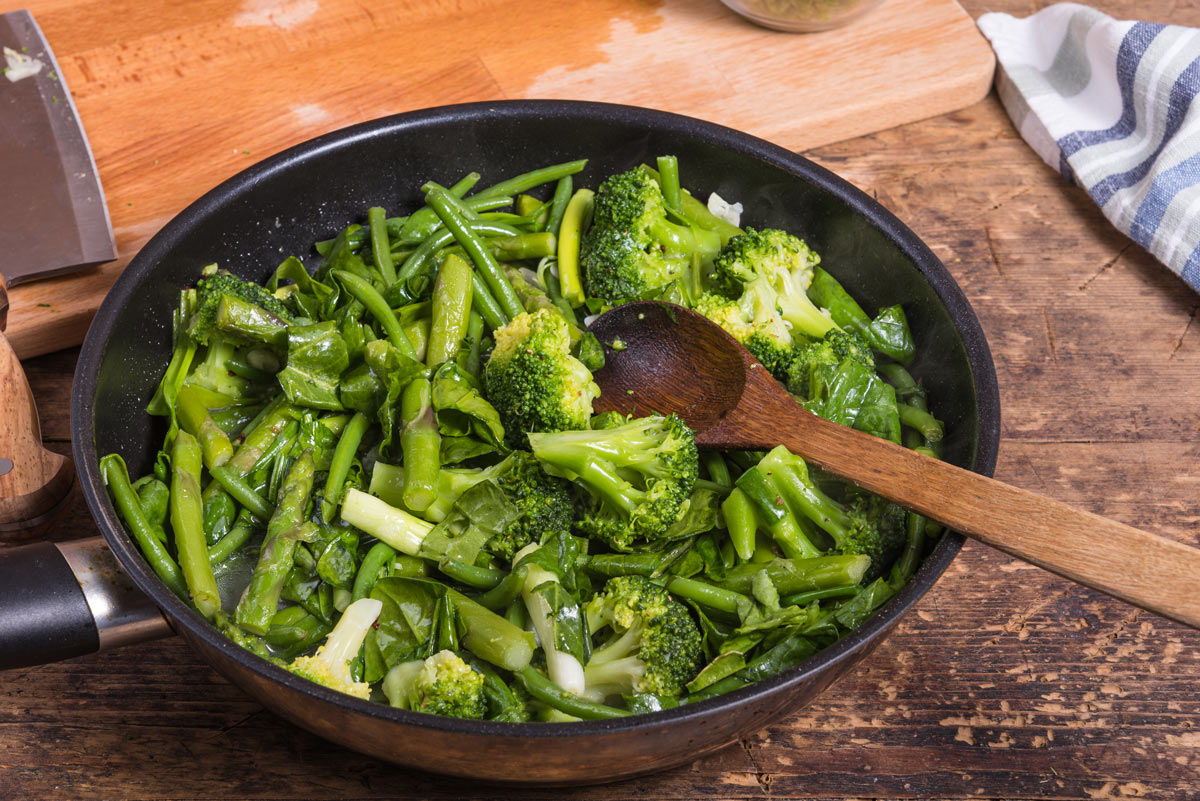
  • Vegetables Primavera Vegetables Primavera

    This dish gets its name from “pasta primavera,” which, as legend has it, originated not in Italy (where primavera means spring) but in the US some 40 years ago when Sirio Maccioni, owner of the famed New York restaurant Le Cirque, had the idea to throw together seasonal vegetables with pasta because he didn’t have any tomatoes at hand.

    While many people have tried to improve on the original recipe, I like the freshness of my simple preparation—no butter or cream is added to the vegetables. And while you can serve it over any pasta or whole grain, it’s delicious on its own or as the side to your favorite protein. Feel free to switch up the veggies based on what’s available in your area, but always add the firmest ones to the pan first to give them the extra cooking time they need.

    Ingredients

    • 4 tablespoons extra virgin olive oil, more for drizzling
    • 8 ounces broccoli
    • 8 ounces asparagus spears, trimmed and cut in half
    • 8 ounces sugar snap peas or shelled peas
    • 1 teaspoon freshly ground pepper
    • ½ teaspoon coarse salt
    • 4 ounces arugula or baby spinach

    Directions

    Step 1

    Cut off the ends of the broccoli stems and slice the stems into coin shapes; cut the heads into small florets. Heat a 12″ skillet over high heat until very hot. Add the 4 tablespoons of olive oil and the broccoli to the skillet. Cook for two minutes, rotating the pieces so that all sides get a slight char, and then add the asparagus. Toss every 30 seconds. 

    Step 2

    After two minutes, add the peas and turn down the heat to medium. Sprinkle the veggies with the salt and pepper and keep cooking them until tender. Add the arugula or spinach and cook until the greens wilt and their liquid has evaporated. Remove from the heat and drizzle with olive oil before serving.

    Yields 2 servings as a main dish or 4 servings as a side or over a starch

Healthy Ingredient Spotlight: Asparagus

Healthy Ingredient Spotlight

Asparagus 101

Nothing says spring like fresh, local asparagus. Some people swear by the thinnest stalks, while others like the mouthfeel of those with a larger-than-pencil width—it’s really a matter of personal preference. The key to asparagus is to trim the ends simply by snapping them off where you find no resistance—that will leave you with tender stalks. Three ounces of these low-calorie antioxidant powerhouses supply 2 grams each of fiber and protein, plus good amounts of folic acid and vitamin K, iron and potassium, and many other minerals.

Growing your own asparagus is a true test of patience because it takes three years from planting to harvesting. During the first two seasons you’ll see some shoots, but you can’t eat them—just let them turn to fern-like vegetation. Once the shoots yield true spears, you should have a nice crop for up to 15 years. 

Healthy Kitchen Nugget: Preheating your Pan

Healthy Kitchen Nugget

Get your pan hot first

When sautéing or searing, always heat your pan for two or three minutes before adding your olive oil. This prevents “cooking” the oil as the pan climbs to its optimal temperature. Then let the oil come to a shimmer before adding the food for a tasty sear.

For Your Best Health: Indoor Gardens and Air Quality

For Your Best Health

Get into the indoor-garden groove

Besides looking pretty, plants can significantly cut indoor air pollution at home and at the office, according to new research led by the UK’s University of Birmingham in partnership with the Royal Horticultural Society.

Researchers exposed three common houseplants—peace lily (Spathiphyllum wallisii), corn plant (Dracaena fragrans), and fern arum (Zamioculcas zamiifolia), all of which are readily available in the US—to nitrogen dioxide (NO2), a common pollutant. Their experiments showed that the plants could lower NO2 by as much as 20 percent, whether they were in light or darkness or whether the soil was wet or dry.

“The plants we chose were all very different from each other, yet they all showed strikingly similar abilities to remove NO2 from the atmosphere. This is very different from the way indoor plants take up CO2 in our earlier work, which is strongly dependent on environmental factors such as night time or daytime, or soil water content,” says lead researcher Dr. Christian Pfrang.

Plants can be especially beneficial in offices with poor ventilation and near areas with high levels of air pollution, though the bigger the space, the more plants will be needed.  

Just how they take up NO2 is still a mystery. As Dr. Pfrang explains, “We don’t think the plants are using the same process as they do for CO2 uptake, in which the gas is absorbed through stomata—tiny holes—in the leaves. There was no indication, even during longer experiments, that our plants released the NO2 back into the atmosphere, so there is likely a biological process taking place also involving the soil the plant grows in, but we don’t yet know what that is.”

Fitness Flash: Stroke Prevention

Fitness Flash

Exercise offers protection from stroke

Experts say that preventing a stroke is far better than having to treat one, and one of the best steps you can take is getting physical activity. Among its other benefits, exercise helps lower blood pressure, and we know that high blood pressure is a significant stroke risk factor. The problem is, as we’re spending more and more leisure time on social media and in front of our devices, we’re exercising less and less. In fact, sleep is the only thing we spend more time doing than using electronics. Without an increase in exercise, doctors say we’re going to see an increase in stroke rates. 

New research, published in the Annals of Clinical and Translational Neurology, analyzed specific data from nearly 20 years of records from the National Health and Nutrition Examination Survey and found that different kinds of physical activity done with different frequencies can make a big difference. With choices to fit any lifestyle, you don’t have to adopt a one-size-fits-all approach. 

Here are the most impactful findings:

Moderate-intensity aerobic activities can reduce the likelihood of stroke by 20 percent, and this can go as high as 60% with 30 to 60 minutes of daily activity, such as walking or bicycling. Home chores and yard work count, too, especially when done for an hour or two at a time, five to 13 times a month. You’ll see some stroke prevention benefits with as few as 10 minutes of activity every day, but the level of prevention grows as you reach those hour marks. 

Muscle-strengthening (resistance training) for three to five days per week, or 14 to 20 days per month, can reduce risk by up to 50 percent. One caution: In this study, muscle-training for more than 20 hours per week had the opposite effect, possibly “due to the high cortisol levels that the body releases in a state of constant stress”—a serious warning for bodybuilders.

Having a job that involves moderate to vigorous activities on a regular basis, such as carrying heavy loads, can lower stroke risk between 36 percent and 43 percent, and even more when the activity is daily and vigorous (admittedly, this is hard to do later in life). 

The key word with any of these activities is regular. As the study concludes, “Daily or every other day activities are more important in reducing the stroke risk than reducing sedentary behavior duration.”

Get More Recipes In Your Inbox!