
Tandoori-Style Chicken and Green Chutney Recipe, Spotlight on Golden Turmeric and Ground Buffalo Ginger Root, Getting Enough Protein and The Lost Sleep–Weight Gain Connection
If you’ve been following my adventures as The Olive Oil Hunter, you know that I love discovering and sharing new taste sensations with members of the Fresh-Pressed Olive Oil Club. Spices and herbs are essential ingredients for creating memorable meals, adding dimensions of flavor. What’s more, they contain thousands of healthful plant compounds that scientists are learning more about each day.
That’s why I’m so excited to present my latest harvest-fresh, single-origin spice collection from the T. J. Robinson Curated Culinary Selections. It features nine of the most studied herbs and spices so that you can tap into their potential benefits. I liken it to having your own kitchen apothecary: Every time you reach for one, you’re inviting an opportunity for better health. While herbs and spices are used in small quantities in most recipes, a teaspoon here and a teaspoon there could add up.
I’m also sharing important health findings: people may not be getting enough protein…or enough sleep. Read about what the research shows.
Tandoori-Style Chicken and Green Chutney Recipe
More chicken favorites from my recipe collection
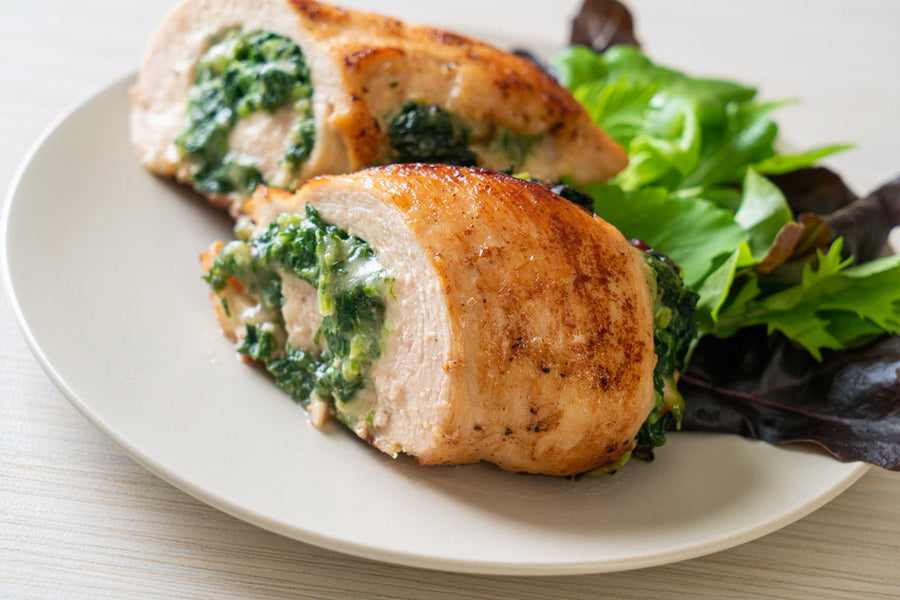
Chicken Involtini
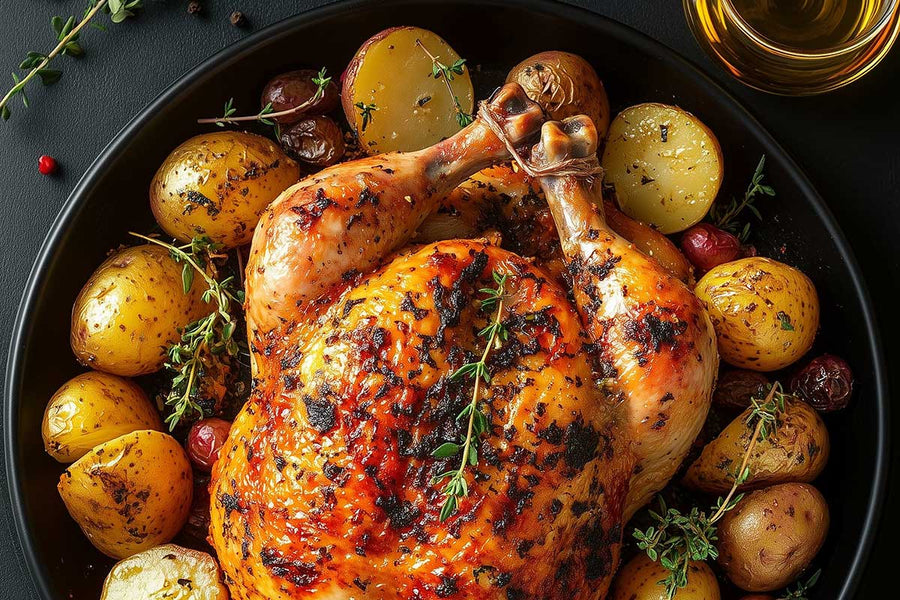
Andalucían Roast Chicken

Healthy Ingredient Spotlight
Golden Turmeric and Ground Buffalo Ginger Root

Turmeric has been an important part of Ayurvedic medicine, the Indian approach to natural healing, for 2,500 years. Current interest centers on its powerful polyphenol, curcumin, with potentially positive effects on health measures from blood pressure to mood and memory.
My Golden Turmeric is grown organically and cured in the soil before being hand-harvested, cleaned, steamed, sun-dried, and ground. A special stone grinder creates an extremely fine, soft powder that feels almost buttery. This painstaking process gives it both a pungent, earthy taste and a wonderful sweetness with none of the metallic chalkiness of mass-produced brands.
For thousands of years, ginger has had a place in both Chinese and Ayurvedic medicine to promote well-being and better digestion. These days, it’s used the world over to help with an upset stomach, nausea, and the common cold, often in the form of ginger tea (you can make it by stirring 1/2 teaspoon Ground Buffalo Ginger Root into a cup of just-boiled water, letting it steep for 5 minutes, and stirring before you sip). Rich in antioxidants, it may play a supporting role in boosting the immune system and in helping to keep blood glucose and blood pressure under control.
Buffalo ginger is larger than other varieties, with knobs said to resemble buffalo horns. It has a more subtle spiciness than ordinary ginger root, with hints of sweetness and a floral scent, yet still a pleasant, gentle heat. The unique climate and soil of northern Vietnam give it a depth and warmth often missing in mass-market ground ginger.

For Your Best Health
Are You Getting Enough Protein?
A paper written by noted researcher Chris Macdonald, PhD, a Fellow of Lucy Cavendish College of the University of Cambridge (UK) and director of the Better Protein Institute, suggests that exercising more and eating more protein than current minimum recommendations may help people stay stronger, sharper, and more independent as they age. Published in Frontiers in Nutrition, the paper points out that current public health recommendations for exercise and protein intake are largely aimed at preventing deficiency, not helping people achieve the best possible long-term health, independence, and quality of life.
Dr. Macdonald explains that newer research suggests that physically active people, older adults, and pregnant women may benefit from significantly higher protein intake, and that higher-protein diets can support fat loss (due to increased satiety and thermic effect), making them beneficial for body composition as well as overall health. Importantly, the paper notes that higher protein consumption is not limited to meat-based diets. With thoughtful meal planning, plant-based diets can also provide sufficient protein.
Dr. Macdonald believes there needs to be a shift in how society views exercise and protein intake, writing, “… it is less about having ‘abs’ and a ‘beach body’ and more about being able to lift up, play with, and even remember, your grandchildren, thanks to a strong and resilient body and mind.”

Fitness Flash
The Lost Sleep–Weight Gain Connection
Getting a little less sleep each night may have a bigger impact on your health than you realize. Researchers at Columbia University Vagelos College of Physicians and Surgeons in New York City found that adults who delayed their bedtime by 90 minutes for six weeks gained an average of one pound and spent more time inactive, both of which can raise the risk for chronic diseases. The findings, published in Annals of Internal Medicine, add to growing evidence that consistently getting enough sleep may play an important role in preventing weight gain and lowering the risk of obesity-related diseases like heart disease and diabetes.
“While the one-pound weight gain observed with modest sleep curtailment is not overwhelming, it is important to remember this is occurring over just six weeks,” said Faris Zuraikat, PhD, assistant professor of nutritional medicine in Columbia’s Department of Medicine and Institute for Human Nutrition and first author of the study. “Our study was designed to mimic sleep patterns that most adults experience chronically. When extrapolated to a full year, we would expect that losing less than an hour and a half of sleep per night could result in clinically meaningful weight gain.”
Get More Recipes In Your Inbox!